Hours at an average pace
Showing 100 books
About 580 hours for 100 of 100 books with measured lengths. Estimates use 250 words a minute, adjusted for each book's difficulty. At 2 hours a day, about 290 days for those books.
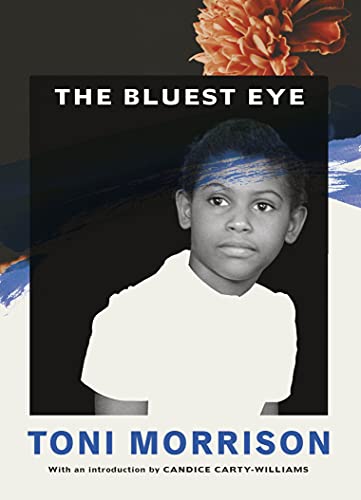
No. 1 on this list. The Bluest Eye
Toni Morrison · 1970
Challenging4.2 hours
Taught in schools: Common Core text exemplars (Appendix B) (US)
While not as universally canonical as Beloved, The Bluest Eye is firmly established in the American literary canon, widely taught in universities, and recognized as a landmark debut that announced a major voice in American letters.
Jacob's Room appears on virtually every university syllabus covering modernist British literature, Woolf's work, or the literature of WWI. As Woolf's first fully experimental novel, it holds a foundational position in the modernist canon — taught alongside Mrs. Dalloway and To the Lighthouse in most Woolf courses. Its canonical status is somewhat lower than Woolf's later masterworks, which overshadow it in general survey courses.
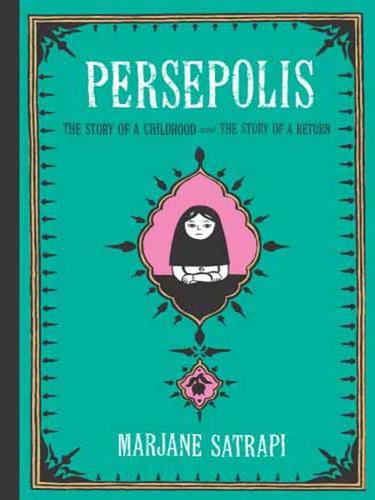
Persepolis is one of the most widely taught graphic narratives in schools and universities, a standard text in courses on memoir, comics and the modern Middle East. It sits beside Art Spiegelman's Maus at the core of the graphic-memoir curriculum.
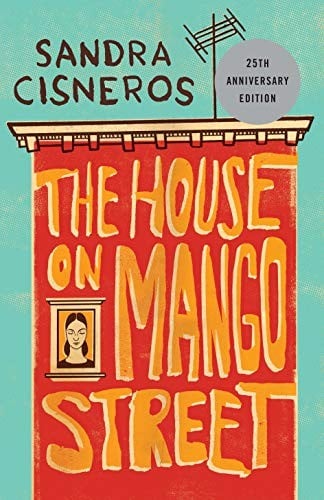
No. 4 on this list. The House on Mango Street
Sandra Cisneros · 1984
Moderate1.4 hours
Taught in schools: CSEC English B – Caribbean Examinations Council, Pacific Senior Secondary Certificate – English
One of the most widely taught works in American secondary and university curricula, particularly in Chicano/Latino literature, women's studies, and multicultural American literature courses. It has appeared on thousands of syllabi since the 1980s and is included on numerous lists of essential American literary texts, placing it firmly in the secondary canon alongside works like Beloved.
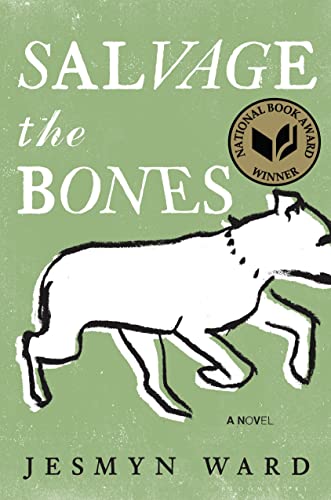
Salvage the Bones is widely taught in contemporary American literature, African American literature, and Southern literature courses. Its National Book Award win brought it immediate and sustained academic attention, and Ward's subsequent acclaim has only reinforced the book's position on university reading lists. With 400 syllabus appearances it sits in the mid-canonical tier — solidly established but not yet at the frequency of works like Beloved or Their Eyes Were Watching God.
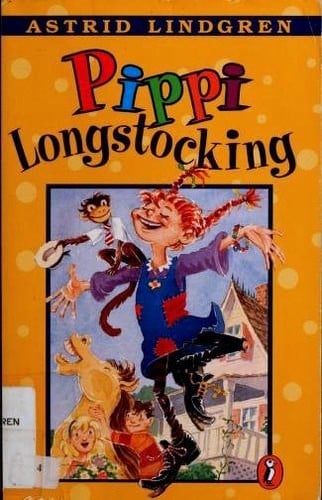
No. 6 on this list. Pippi Longstocking
Astrid Lindgren · 1945
Very Easy1.2 hours
Taught in schools: Lithuanian literature curriculum (lietuvių kalba ir literatūra)
Included in: Bokklubben World Library
Pippi Longstocking is translated into over 70 languages and has sold more than 140 million copies worldwide, making it one of the most widely distributed children's books ever published. It is standard reading in Swedish schools and appears on canonical children's literature lists across Europe and beyond. While not a fixture of university literature syllabi, it holds an unassailable position in the children's literature canon globally.
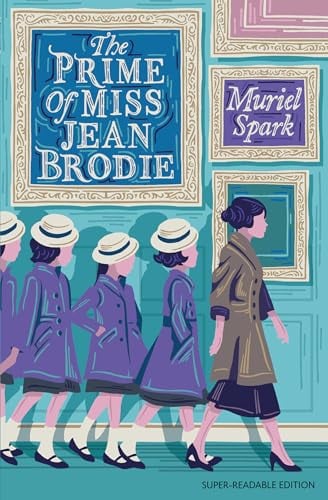
No. 7 on this list. The Prime of Miss Jean Brodie
Muriel Spark · 1961
Challenging3.5 hours
Taught in schools: CSEC English B – Caribbean Examinations Council
Regularly taught in British literature and women's studies courses, considered essential modern Scottish fiction. Appears on A-level syllabi and university 20th-century literature surveys. Not as universally taught as The Great Gatsby, but firmly established in academic curricula focused on postwar British fiction and modernist technique.
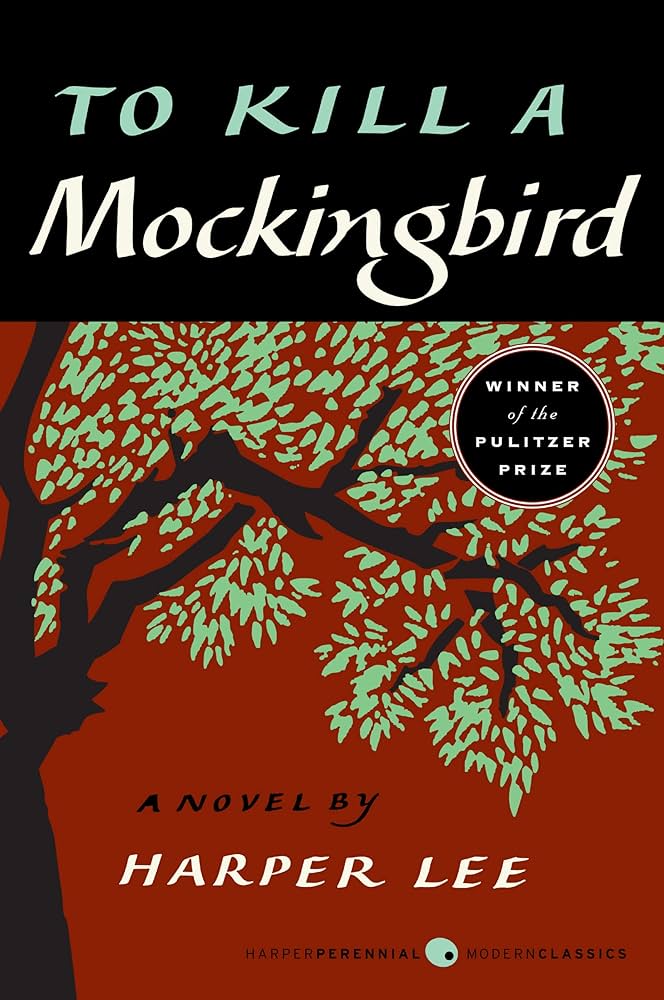
No. 8 on this list. To Kill a Mockingbird
Harper Lee · 1961
Moderate6.3 hours
Taught in schools: Cambridge IGCSE Literature in English (0475), Common Core text exemplars (Appendix B) (US), CSEC English B – Caribbean Examinations Council
Appears on 1,674 university syllabi (80.6th percentile, Open Syllabus Project) and is a fixture of American high school and university English curricula. Wikipedia articles exist in 58 languages with dedicated reception and adaptations sections. Published by four prestige houses — Library of America, Everyman's Library, Penguin Classics, and Penguin Modern Classics — confirming its standing in the Western canon.
Winner of the Premio Strega in 1957, Italy's most prestigious literary prize, Arturo's Island is firmly established in the Italian literary canon and taught extensively in Italian schools and universities. It appears regularly on international world-literature lists and is considered one of the defining Italian novels of the twentieth century, alongside works by Pavese and Calvino.
A landmark of Irish literature and a foundational text for the frank depiction of women's experience. Widely taught and discussed.
No. 11 on this list. The Earthsea Quartet · Ursula K Le Guin · 1968
Across four novels spanning decades, Le Guin builds the archipelago of Earthsea—a world of islands, sailing, and true-name magic where knowing a thing's true name gives power over it. A Wizard of Earthsea follows the young wizard Ged as he releases a shadow-creature and must pursue it across the world. The Tombs of Atuan follows a priestess freed from underground servitude. The Farthest Shore follows Ged, now Archmage, pursuing a wizard who has broken the boundary between life and death. Tehanu, written sixteen years later, returns to Earthsea with a feminist perspective, following the abused child Therru and the former priestess Tenar in a world where women's power has been systematically suppressed. Le Guin's magic system—where speaking a true name is the fundamental magical act—is the most elegant in fantasy. The prose is spare, rhythmic, and precise, closer to myth than novel.
Moderate15 hours
Start this bookNo. 12 on this list. The Tombs of Atuan · Ursula K Le Guin · 1971
The Tombs of Atuan is the second volume of Le Guin's Earthsea Cycle, which has been a staple of middle school and YA curricula for decades. It won the Newbery Honor in 1972. While not as universally taught as the first Earthsea volume or Le Guin's science fiction, it appears regularly in fantasy literature courses and feminist literary criticism syllabi, cementing its place as a significant canonical text within speculative fiction.
Challenging3.4 hours
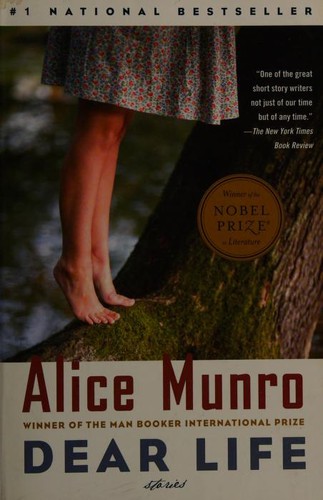
Start this bookNo. 13 on this list. Dear Life · Alice Munro · 2012
Munro's final collection, published the year before her Nobel Prize. Regarded as a fitting capstone to one of the great careers in short fiction.
Easy4.6 hours
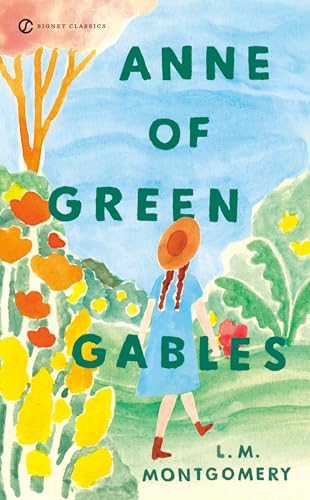
Start this bookNo. 14 on this list. Anne of Green Gables · L.M. Montgomery · 1908
Anne of Green Gables holds a secure place in the literary canon as one of the most enduring works of children's and young adult fiction. First published in 1908, it has never gone out of print, has been translated into over 36 languages, and has sold more than 50 million copies worldwide. It is widely taught in schools across Canada and globally, and its protagonist Anne Shirley has become a mythic icon of Canadian culture — a figure of comparable recognizability to Alice in Wonderland. While it sits firmly in the popular/children's classics tier rather than the prestige 'Great Books' canon, its canonical standing within its genre and cultural sphere is unassailable.
Easy5.7 hours
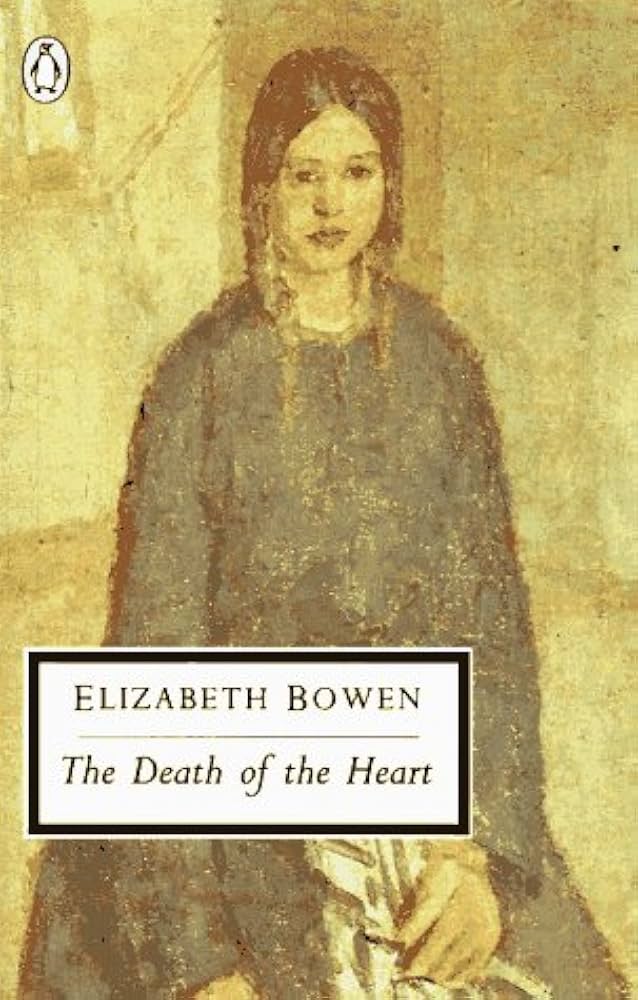
Start this bookNo. 15 on this list. The Death of the Heart · Elizabeth Bowen · 1938
Ranked 84th on the Modern Library 100 Best Novels and included on TIME's All-TIME 100 Novels, with Wikipedia articles in 7 languages. It is the Bowen novel most often taught in courses on British and Irish fiction between the wars.
Difficult13 hours
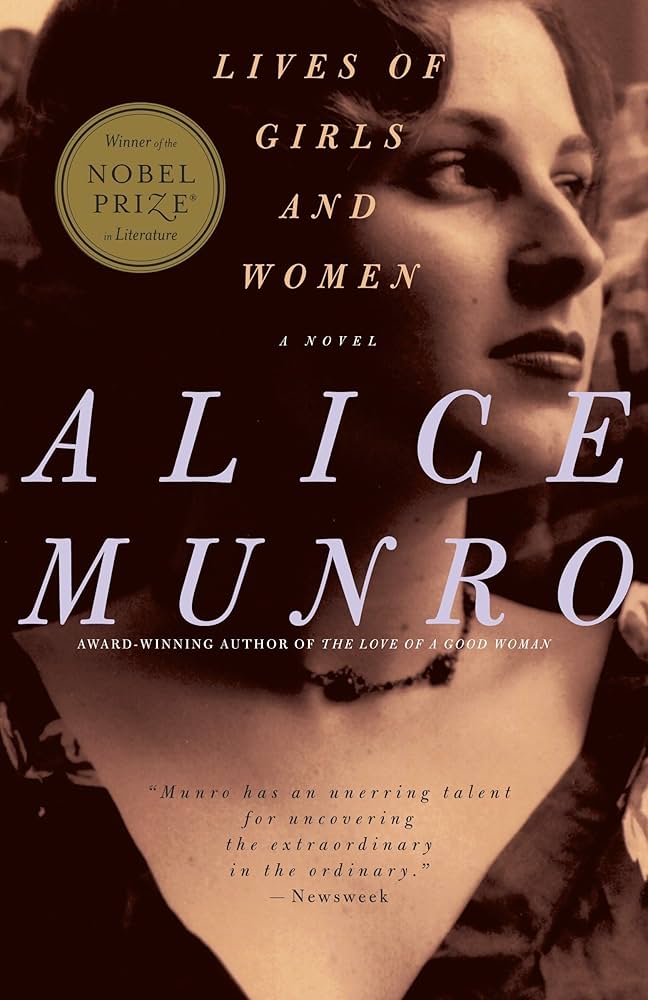
Start this bookNo. 16 on this list. Lives of Girls and Women · Alice Munro · 1971
Standard text in Canadian literature courses and women's fiction studies. Taught alongside Margaret Atwood and Margaret Laurence as foundational Canadian women's writing. Appears on reading lists for feminist bildungsroman and short story cycle studies, though less globally canonical than Munro's later collections.
Moderate6.3 hours
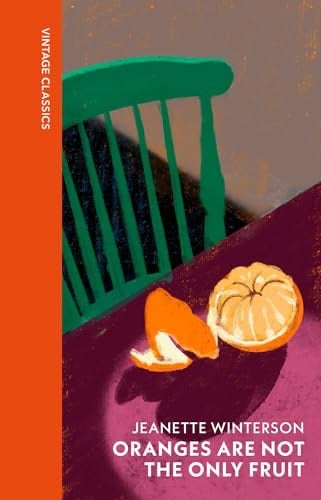
Start this bookNo. 17 on this list. Oranges Are Not the Only Fruit · Jeanette Winterson · 1985
Taught in schools: AQA GCSE and A-level English Literature (UK), WJEC/Eduqas GCSE and A-level English Literature (UK)
Taught widely in UK university literature courses and increasingly present in American women's literature and queer studies syllabi. Considered a landmark of LGBTQ+ fiction and British autofiction, and consistently appears on lists of the best British novels of the 20th century, though it has not achieved the universal curriculum presence of the major Anglophone classics.
Difficult6.6 hours
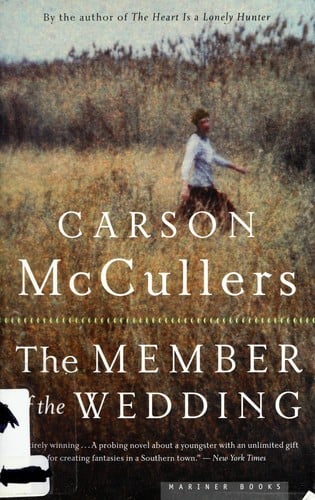
Start this bookNo. 18 on this list. The Member of the Wedding · Carson McCullers · 1946
Frankie Addams is twelve years old and has been excluded from everything — every club, every game, every sense of belonging. The summer her brother gets married, she seizes on a plan: she will join the wedding, travel with the newlyweds, become part of something larger than herself. She renames herself F. Jasmine Addams and tells everyone in town she is about to leave forever. McCullers sets almost the entire novel in a kitchen: Frankie, her six-year-old cousin John Henry, and the family's cook Berenice Sadie Brown, talking through a summer afternoon that feels both eternal and vanishing. What gets said — about loneliness, about being caught in your own skin, about the desperate wish to belong to a 'we' — makes the kitchen feel like the whole world. The wedding turns out exactly as badly as the reader suspects it will. Frankie's grand illusions collapse in a matter of hours. But the collapse is the point. McCullers writes adolescence not as a phase but as a philosophical condition: the agony of being a self that doesn't yet fit anywhere. The prose moves between Frankie's feverish interior monologues and Berenice's steady, unsentimental wisdom. The novel ends in early autumn with everything changed and nothing resolved — a shape that feels less like failure than like honesty.
Challenging5.5 hours
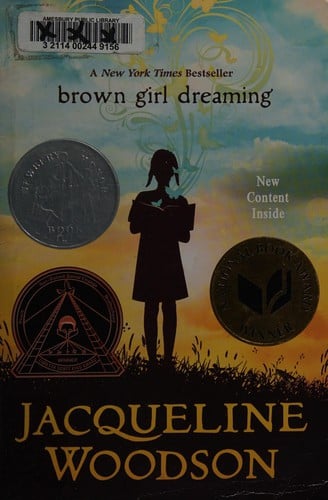
Start this bookNo. 19 on this list. Brown Girl Dreaming · Jacqueline Woodson · 2014
Brown Girl Dreaming is standard reading in American middle school and high school curricula, particularly in units on memoir, poetry, and Civil Rights-era literature. It appears on numerous recommended reading lists for young adults and is included in many school districts' required reading programs. Its canonical status is strong within YA and middle-grade education but has not yet reached the broader university literary canon.
Easy1.9 hours
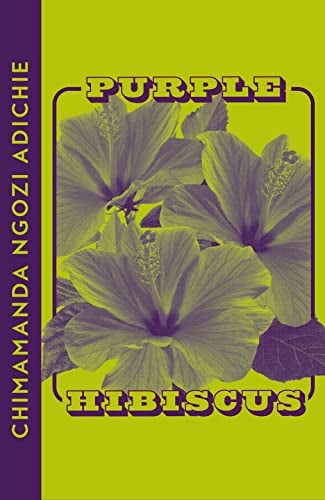
Start this bookNo. 20 on this list. Purple Hibiscus · Chimamanda Ngozi Adichie · 2004
Taught in schools: Leaving Certificate English – NCCA / State Examinations Commission (Ireland)
Appears on 255 university syllabi according to the Open Syllabus Project, placing it in the 60th percentile of taught works. Wikipedia articles exist in 13 languages with a dedicated reception section. The novel is a fixture in postcolonial literature and African fiction courses, though it has not yet reached the ubiquity of authors like Achebe or Morrison in broader curricula.
Challenging7.1 hours
Start this book
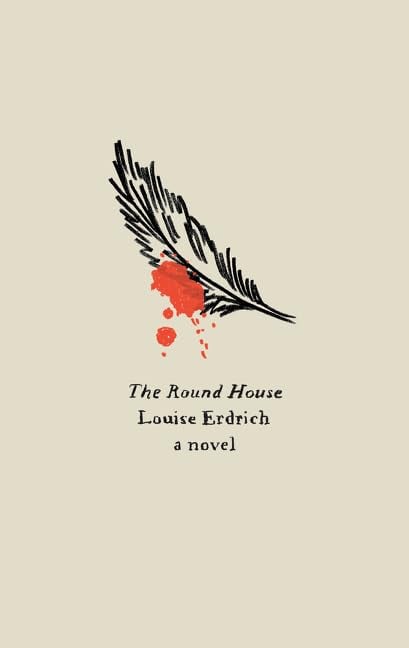
No. 21 on this list. The Round House · Louise Erdrich · 2012
In the lush and unforgiving landscape of a North Dakota reservation, a traumatic event shatters the life of a young boy and his family. The Round House, a piercing novel by Louise Erdrich, tells the story of a violent attack on a mother that shatters the fragile balance of her family, leaving her son to navigate the complexities of justice, identity, and belonging. Through lyrical prose, Erdrich weaves a narrative that explores the intersections of family, community, and the law. As the story unfolds, themes of trauma, loyalty, and the struggles of growing up on a reservation emerge, raising questions about the power of tradition and the reach of justice. Erdrich's writing is evocative and nuanced, conjuring the harsh beauty of the reservation and the deep-seated emotions of her characters. This book is ideal for readers who appreciate literary fiction that tackles tough subjects with sensitivity and depth. Be prepared for a gripping narrative that balances intensity with moments of tenderness and humor. With its well-crafted characters and thought-provoking themes, The Round House is a compelling read that will resonate with fans of character-driven fiction. Winner of the 2012 National Book Award, The Round House is a testament to Erdrich's skill as a storyteller and her ability to craft narratives that are both deeply personal and universally relatable.
Challenging8 hours
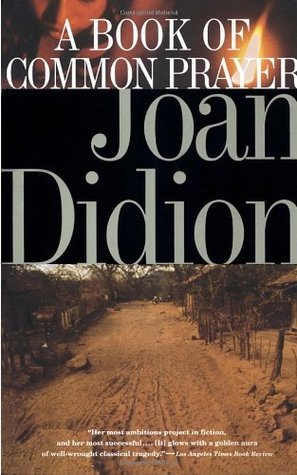
Start this bookNo. 22 on this list. A Book of Common Prayer · Joan Didion · 1977
A Book of Common Prayer is regularly assigned in American literature, postcolonial fiction, and women's writing courses. No structured syllabus data was retrieved from the database, but Didion's status as one of the defining prose stylists of the late twentieth century ensures the novel's sustained academic presence. It appears on Time's All-TIME 100 Novels list and is treated in critical surveys of postmodern American fiction alongside Pynchon and DeLillo, though it does not reach the fixture-status of The Great Gatsby or Beloved.
Challenging5.8 hours
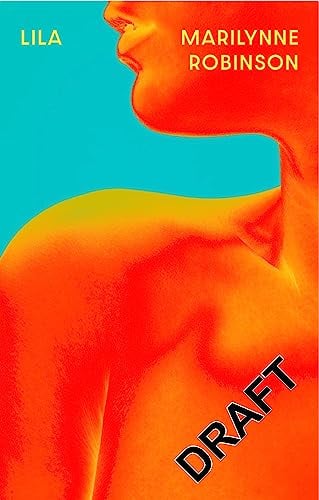
Start this bookNo. 23 on this list. Lila · Marilynne Robinson · 2015
It is the third Gilead novel, a National Book Award finalist and Booker longlisted, and increasingly taught alongside Gilead and Housekeeping. It is still too recent to match canonical staples.
Moderate6.7 hours
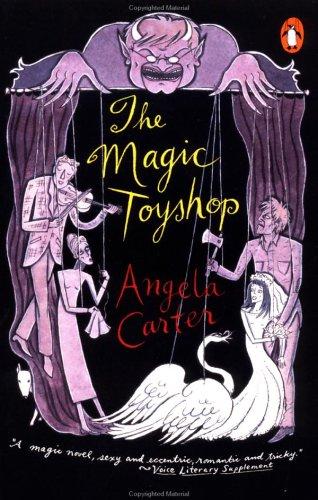
Start this bookNo. 24 on this list. The Magic Toyshop · Angela Carter · 1967
The Magic Toyshop is taught regularly in British postmodern and feminist literature courses as Carter's first major novel and an early exemplar of feminist Gothic fiction. It is less ubiquitous on syllabi than The Bloody Chamber or Nights at the Circus but occupies a secure place in courses on women's writing and postmodern British fiction. No data signals found in database; score based on established literary reputation.
Challenging5.7 hours
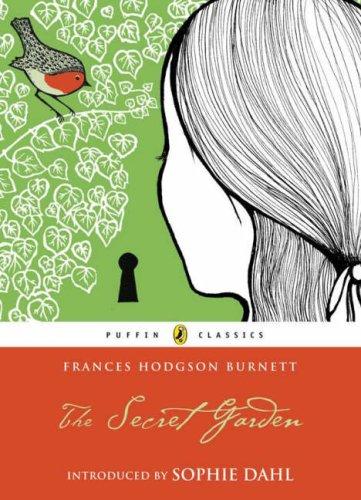
Start this bookNo. 25 on this list. The Secret Garden · Frances Hodgson Burnett · 1911
Taught in schools: Common Core text exemplars (Appendix B) (US)
The Secret Garden has stayed in print since 1911 and remains a staple of children's classics lists and school reading across the English-speaking world. The Common Core State Standards (2010) name it among their text exemplars for upper-elementary grades, and it is regularly set in children's literature courses.
Easy4.6 hours
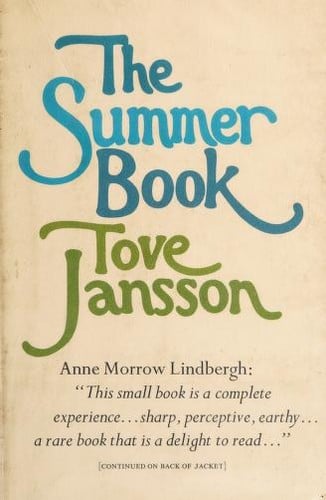
Start this bookNo. 26 on this list. The Summer Book · Tove Jansson · 1972
Increasingly recognized as a Scandinavian masterpiece. A quiet classic with a devoted readership.
Easy1.5 hours
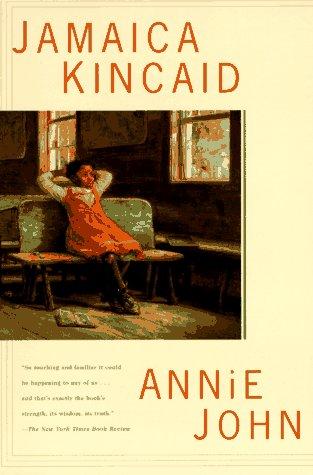
Start this bookNo. 27 on this list. Annie John · Jamaica Kincaid · 1985
Taught in schools: CSEC English B – Caribbean Examinations Council
Annie John grows up in Antigua in the 1950s, the only child of parents who love her completely and whom she watches with total absorption. Her mother is the center of the world: they wear matching dresses, share a bed, move through the same space in practiced harmony. Then one afternoon, standing in a fabric shop, her mother says it is time Annie dressed differently from her. The sentence lands like a physical blow, and the novel is the account of what follows. Kincaid writes in long, incantatory sentences that accumulate the way childhood memory accumulates — the same images returning, the same resentments, the same devotions worn smooth by repetition. Annie watches her classmates, befriends the rule-breaking Gwen, acquires a rebel friend called the Red Girl, and falls into a depression so total she lies in bed for months while her grandmother Ma Chess sleeps on the floor beside her. The colonial schoolroom is always present: Miss Edward circles with the dunce crown, pupils recite English history about Columbus and Carib Indians, the map of the empire hangs on the wall. Kincaid does not editorialize. She lets Annie describe it all with the clear-eyed acceptance of someone who does not yet know she should be furious. The novel ends with a departure. Annie boards a boat for England and does not look back — or rather, she does, once, and sees her mother's hand waving until it is indistinguishable from everything else.
Moderate2.7 hours
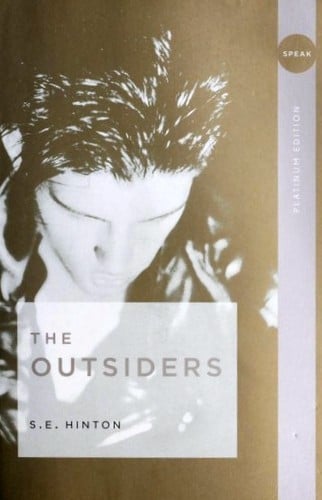
Start this bookNo. 28 on this list. The Outsiders · S.E. Hinton · 1967
Taught in schools: CSEC English B – Caribbean Examinations Council, Pacific Senior Secondary Certificate – English
The Outsiders is one of the most widely taught novels in American middle and high schools and a standard of young-adult reading lists. Its place in classrooms has held for more than half a century.
Easy2.6 hours
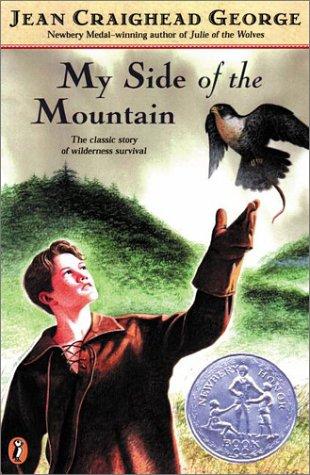
Start this bookNo. 29 on this list. My Side of the Mountain · Jean Craighead George · 1959
Taught in schools: CSEC English B – Caribbean Examinations Council
A Newbery Honor book and one of the most enduring wilderness survival novels for young readers. Continuously in print since 1959.
Very Easy1.7 hours
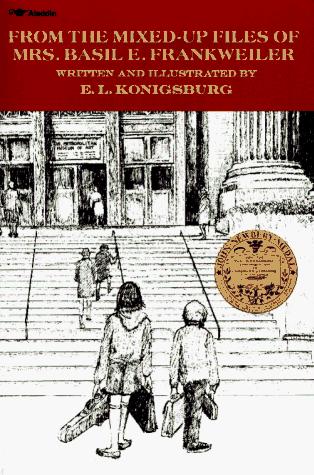
Start this bookNo. 30 on this list. From the Mixed-Up Files of Mrs. Basil E. Frankweiler · E.L. Konigsburg · 1967
A fixture in American elementary and middle school curricula since its 1967 publication, taught for over five decades in classrooms across the country. The book appears on numerous recommended reading lists and has sold millions of copies, though it sits within children's literature rather than the adult literary canon taught at university level. Its institutional presence in K-8 education is substantial and sustained.
Challenging2.8 hours
Start this book
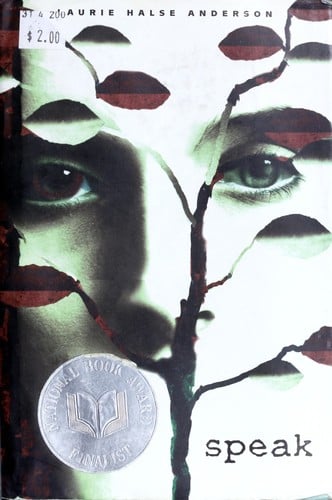
No. 31 on this list. Speak
Laurie Halse Anderson · 1999
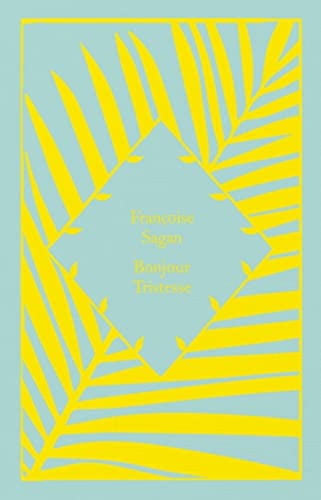
No. 32 on this list. Bonjour Tristesse
Françoise Sagan · 1954
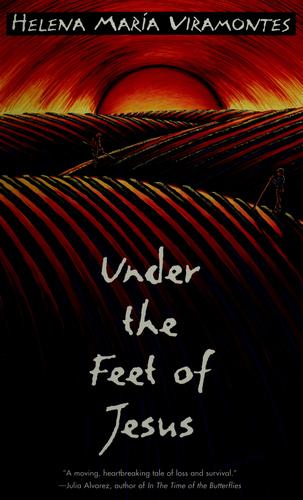
No. 33 on this list. Under the Feet of Jesus
Helena Maria Viramontes · 1995
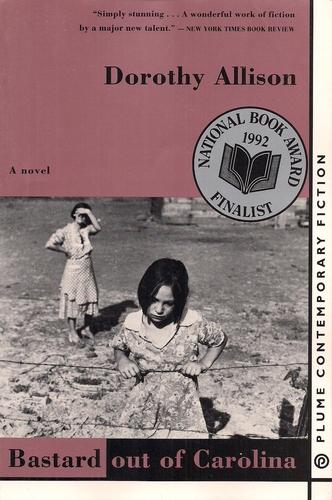
No. 34 on this list. Bastard Out of Carolina
Dorothy Allison · 1992
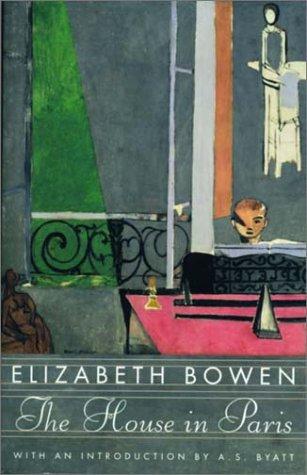
No. 35 on this list. The House in Paris
Elizabeth Bowen · 1935
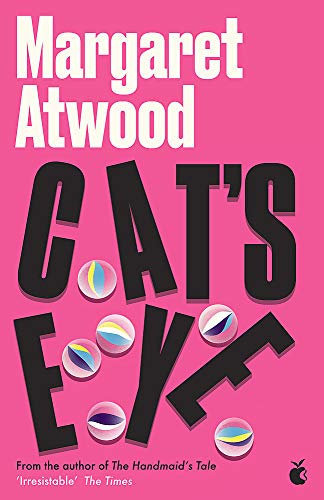
No. 36 on this list. Cat's Eye
Margaret Atwood · 1989
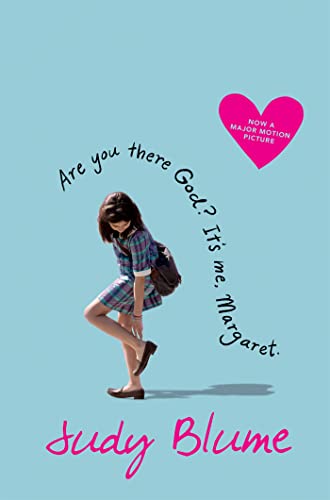
No. 37 on this list. Are You There God? It's Me, Margaret
Judy Blume · 1970
Taught in schools: CSEC English B – Caribbean Examinations Council
No. 38 on this list. Bonjour Tristesse and A Certain Smile
Françoise Sagan · 2013
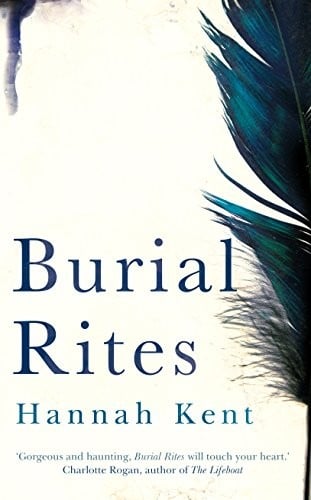
No. 39 on this list. Burial Rites
Hannah Kent · 2014
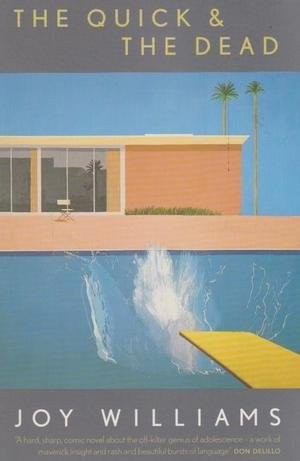
No. 40 on this list. The Quick and the Dead
Joy Williams · 2000
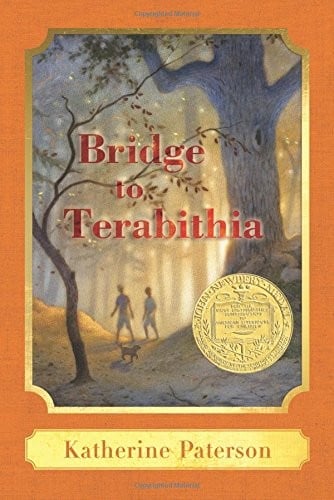
No. 41 on this list. Bridge to Terabithia
Katherine Paterson · 1977
Taught in schools: Lithuanian literature curriculum (lietuvių kalba ir literatūra)
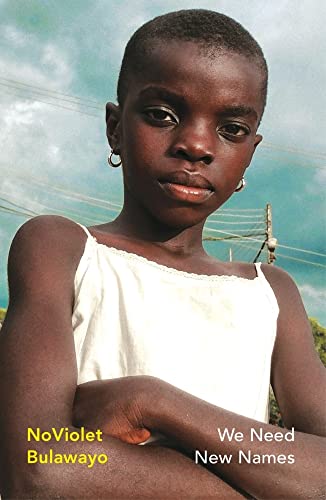
No. 42 on this list. We Need New Names
NoViolet Bulawayo · 2013
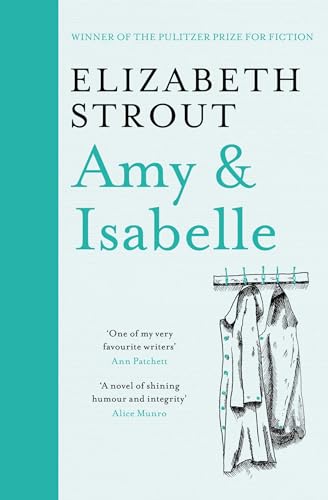
No. 43 on this list. Amy and Isabelle
Elizabeth Strout · 2005
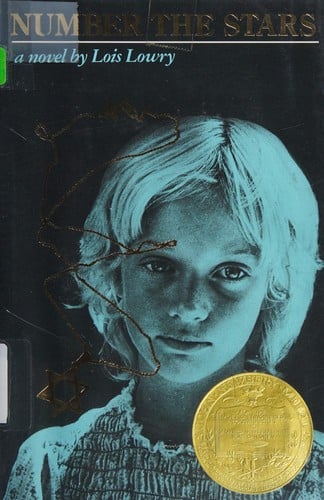
No. 44 on this list. Number the Stars
Lois Lowry · 1989
No. 45 on this list. Jerusalem
Selma Lagerlöf · 1901
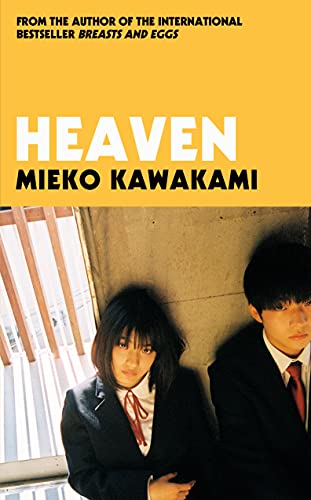
No. 46 on this list. Heaven
Mieko Kawakami · 2022
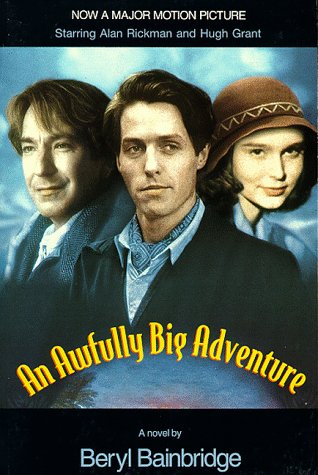
No. 47 on this list. An Awfully Big Adventure
Beryl Bainbridge · 1990
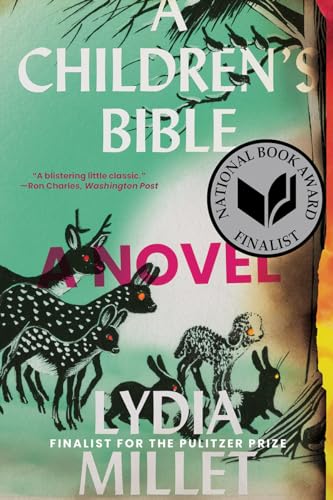
No. 48 on this list. A Children's Bible
Lydia Millet · 2020
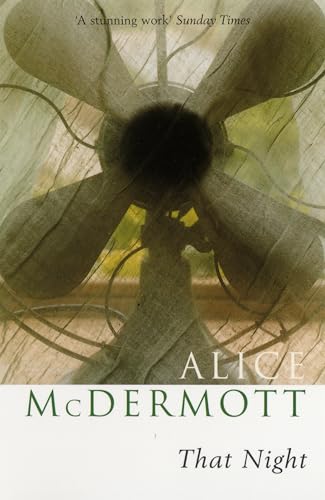
No. 49 on this list. That Night
Alice McDermott · 1987
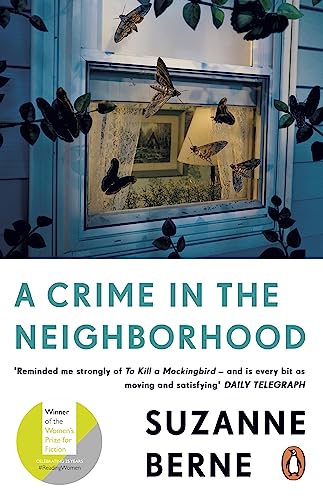
No. 50 on this list. A Crime in the Neighbourhood
Suzanne Berne · 2000
No. 51 on this list. A Tree Grows in Brooklyn
Betty Smith · 1943
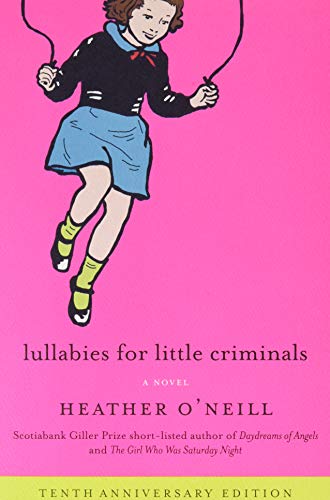
No. 52 on this list. Lullabies for Little Criminals
Heather O'Neill · 2008
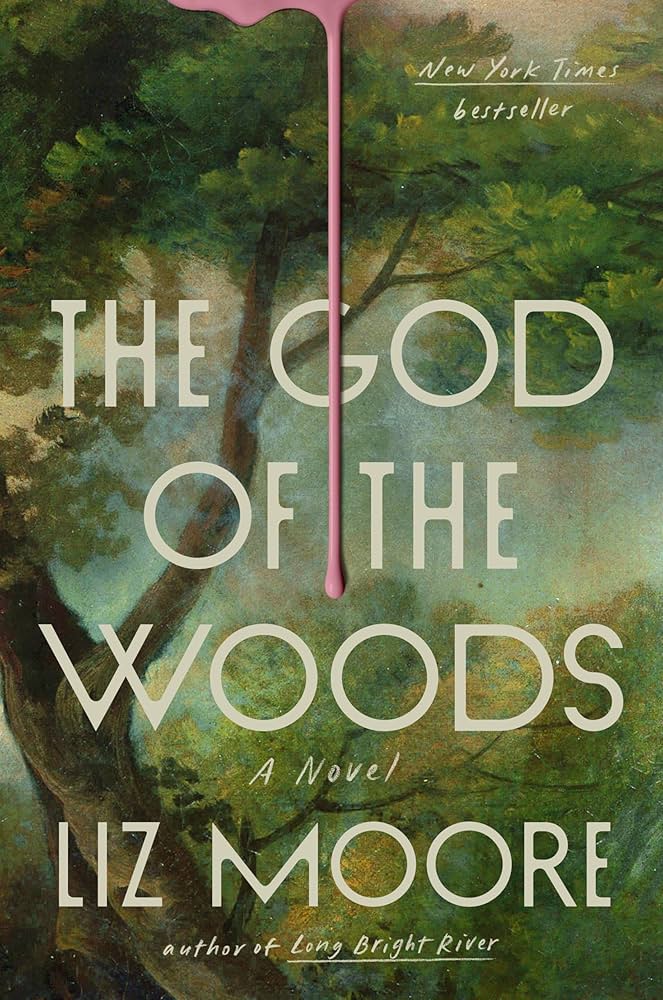
No. 53 on this list. The God of the Woods
Liz Moore · 2024
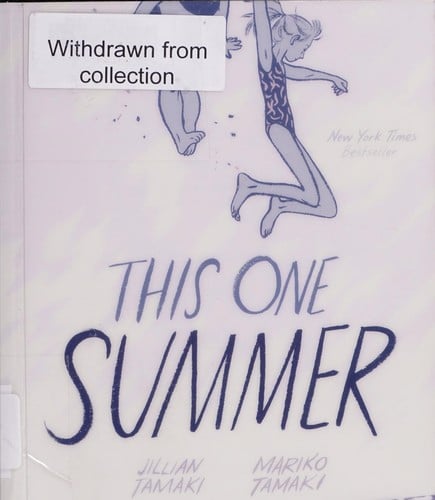
No. 54 on this list. This One Summer
Mariko Tamaki · 2014
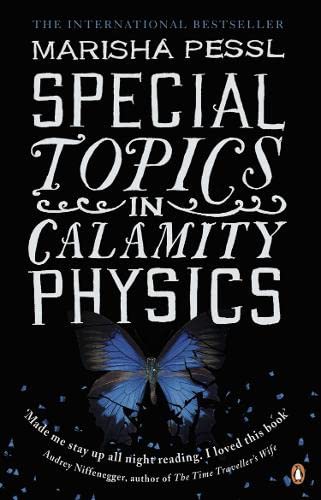
No. 55 on this list. Special Topics in Calamity Physics
Marisha Pessl · 2007
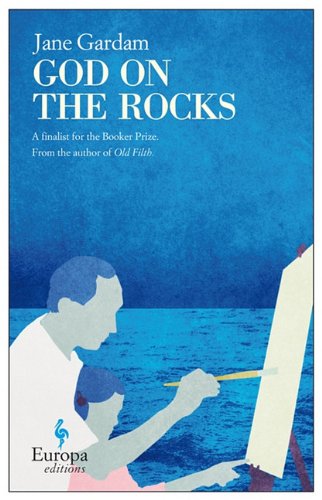
No. 56 on this list. God on the Rocks
Jane Gardam · 1978
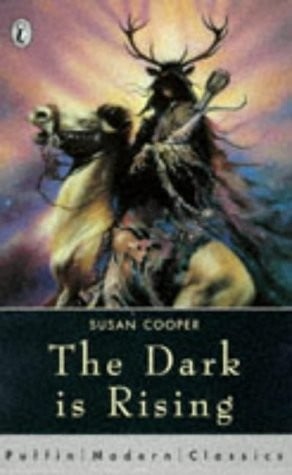
No. 57 on this list. The Dark Is Rising
Susan Cooper · 1973
Taught in schools: Common Core text exemplars (Appendix B) (US)
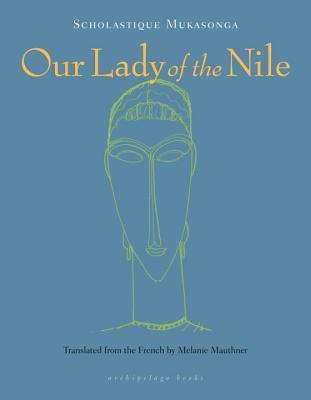
No. 58 on this list. Our Lady of the Nile
Scholastique Mukasonga · 2012
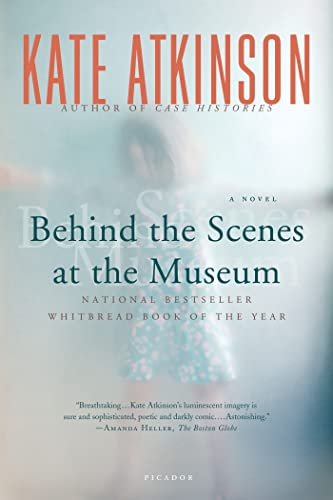
No. 59 on this list. Behind the Scenes at the Museum
Kate Atkinson · 1995
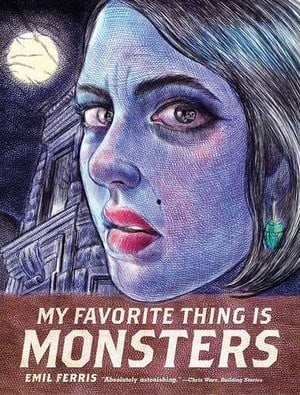
No. 60 on this list. My Favorite Thing Is Monsters
Emil Ferris · 2017
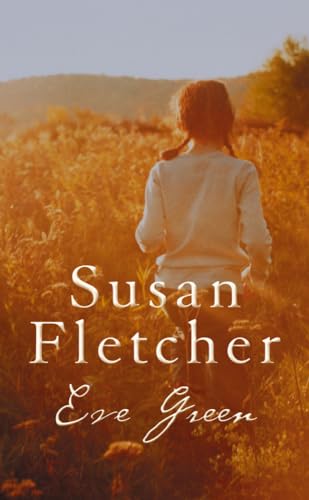
No. 61 on this list. Eve Green
Susan Fletcher · 2001
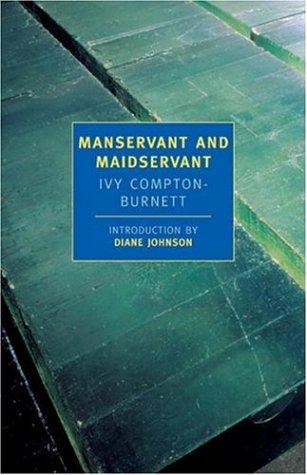
No. 62 on this list. Manservant and Maidservant
Ivy Compton-Burnett · 1947
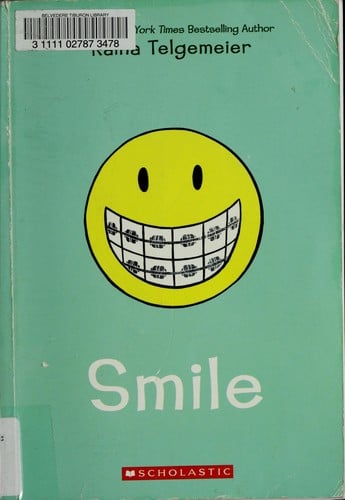
No. 63 on this list. Smile
Raina Telgemeier · 2010
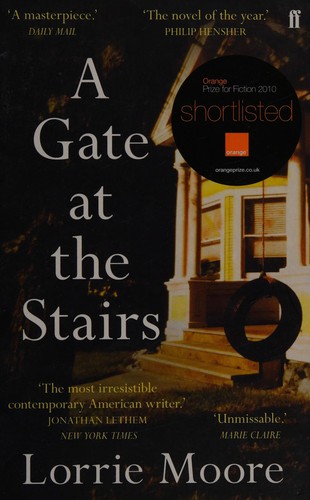
No. 64 on this list. A Gate at the Stairs
Lorrie Moore · 2010
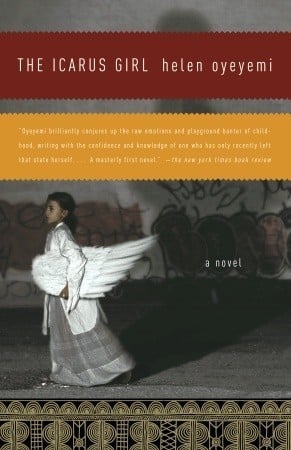
No. 65 on this list. The Icarus Girl
Helen Oyeyemi · 2005
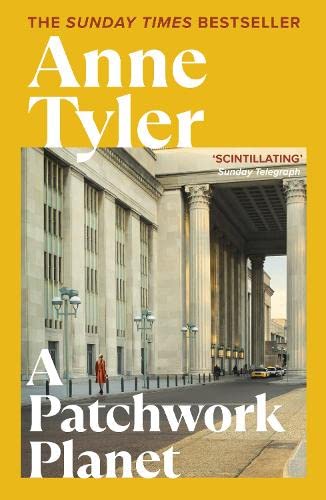
No. 66 on this list. A Patchwork Planet
Anne Tyler · 1999
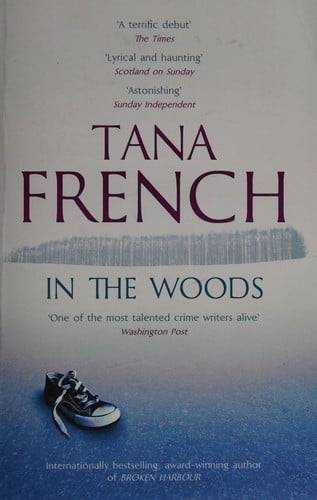
No. 67 on this list. In the Woods
Tana French · 2007
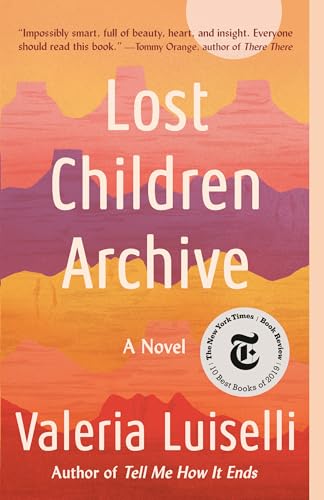
No. 68 on this list. Lost Children Archive
Valeria Luiselli · 2019
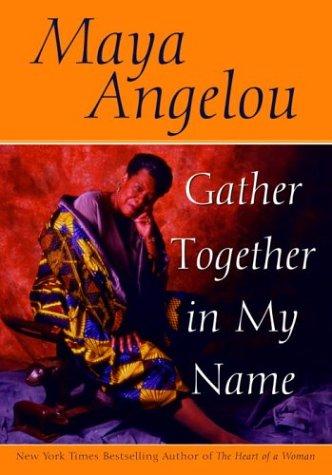
No. 69 on this list. Gather Together in My Name
Maya Angelou · 1997
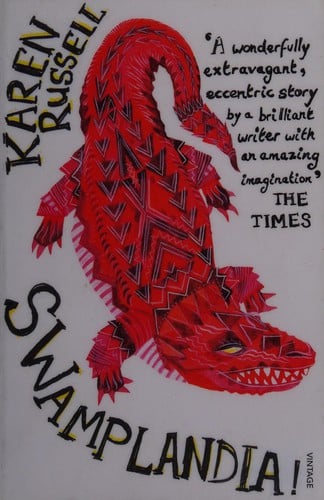
No. 70 on this list. Swamplandia!
Karen Russell · 2000
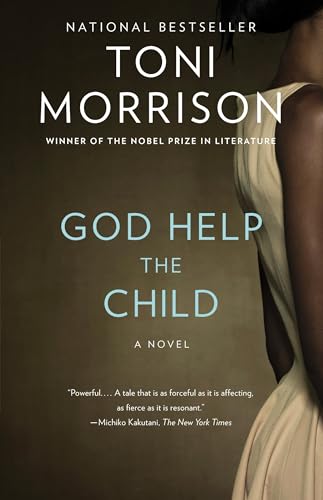
No. 71 on this list. God Help the Child
Toni Morrison · 2015
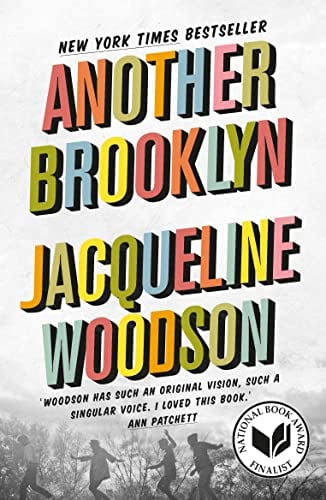
No. 72 on this list. Another Brooklyn
Jacqueline Woodson · 2016
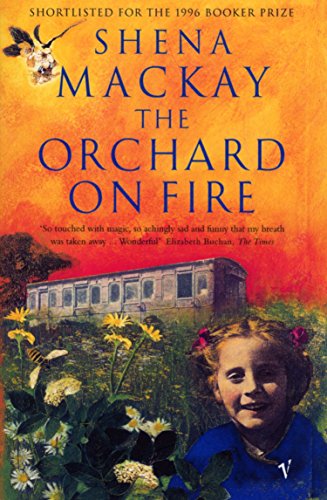
No. 73 on this list. The Orchard on Fire
Shena Mackay · 1996
No. 74 on this list. The Children's Book
A.S. Byatt · 2009
No. 75 on this list. Oh William!
Elizabeth Strout · 2022
No. 76 on this list. The Little Friend
Donna Tartt · 2004
No. 77 on this list. The Book of Goose
Yiyun Li · 2022
No. 78 on this list. Fangirl
Rainbow Rowell · 2013
No. 79 on this list. Harry Potter and the Goblet of Fire
J.K. Rowling · 2000
No. 80 on this list. Victory Over Japan
Ellen Gilchrist · 1984
No. 81 on this list. The Emperor of Portugallia
Selma Lagerlöf · 1914
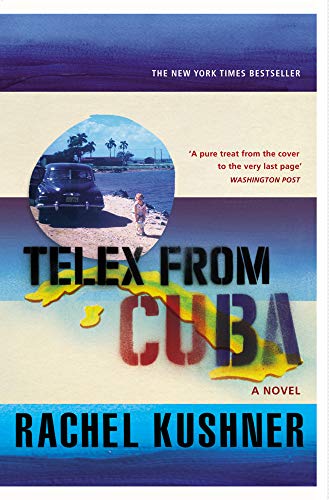
No. 82 on this list. Telex from Cuba
Rachel Kushner · 2008
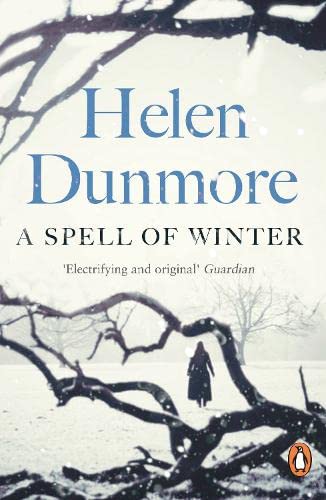
No. 83 on this list. A Spell of Winter
Helen Dunmore · 1997
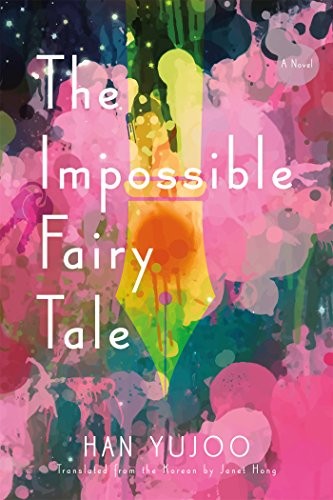
No. 84 on this list. The Impossible Fairy Tale
Han Yujoo · 2013
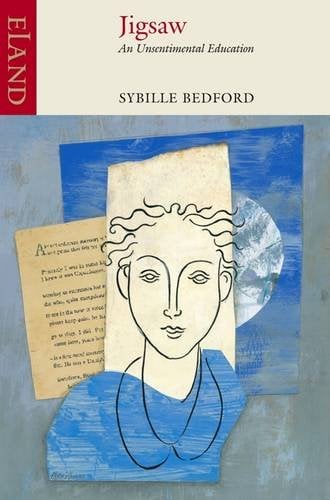
No. 85 on this list. Jigsaw
Sybille Bedford · 1989
No. 86 on this list. Shadows on our Skin
Jennifer Johnston · 1977
No. 87 on this list. Jamrach's Menagerie
Carol Birch · 2011
No. 88 on this list. Dusty Answer
Rosamond Lehmann · 1927
No. 89 on this list. The Crystal Cave
Mary Stewart · 1970
No. 90 on this list. The Old Jest
Jennifer Johnston · 1979
No. 91 on this list. Prep
Curtis Sittenfeld · 2005
No. 92 on this list. The Hiding Place
Trezza Azzopardi · 2000
No. 93 on this list. Carry Me Down
M.J. Hyland · 2006
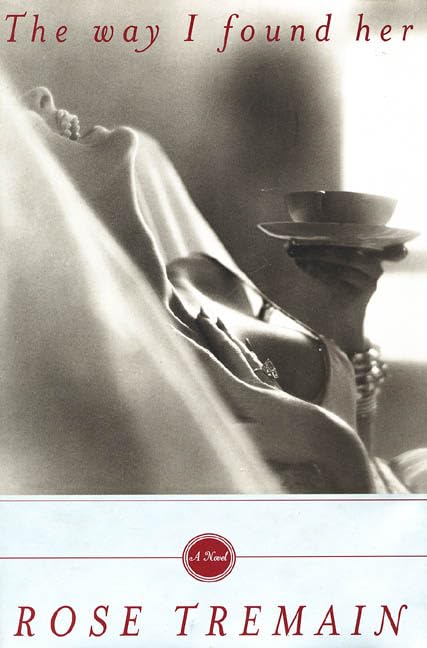
No. 94 on this list. The Way I Found Her
Rose Tremain · 1998
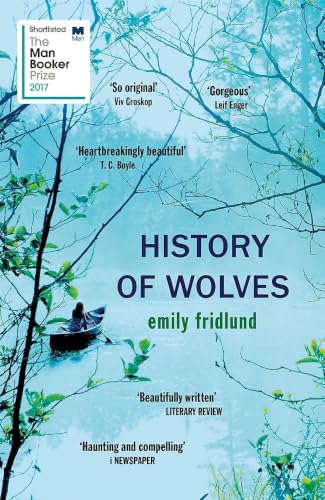
No. 95 on this list. History of Wolves
Emily Fridlund · 2017
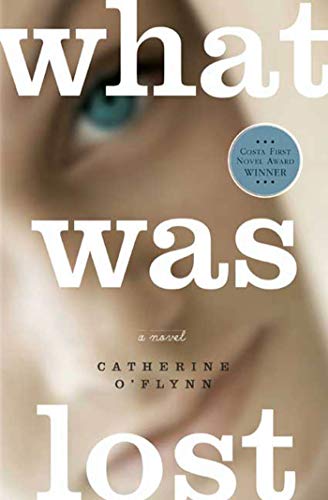
No. 96 on this list. What Was Lost
Catherine O'Flynn · 2007
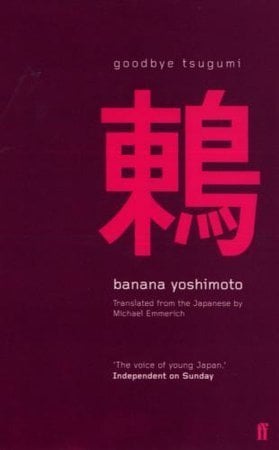
No. 97 on this list. Goodbye Tsugumi
Banana Yoshimoto · 1989
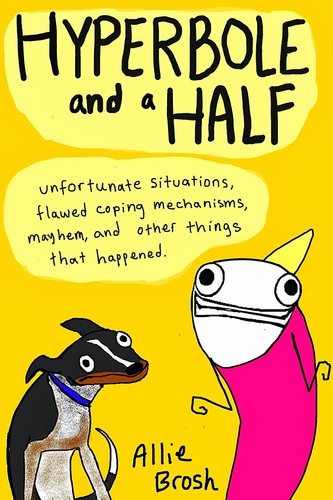
No. 98 on this list. Hyperbole and a Half
Allie Brosh · 2013
No. 99 on this list. The Christmas Pig
J.K. Rowling · 2021
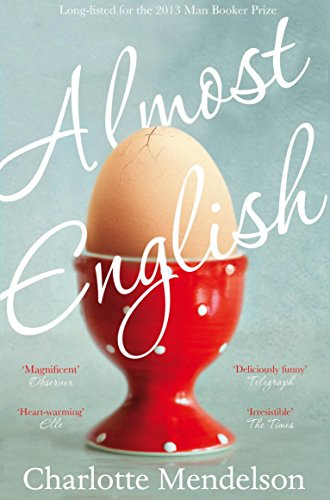
No. 100 on this list. Almost English
Charlotte Mendelson · 2013

About this list
These 100 books are the highest-scoring eligible books about youth and innocence by women currently in the catalogue. About 580 hours of reading in all. Difficulty runs from 40 to 61 out of 100 for the middle half of the list; the summit is Jacob's Room at 75.
This list is ranked by literary regard, with a consistent order for equal scores. Membership follows authors and co-authors, not translators or editors. A book is here when ReadingRate files it under Youth & Innocence as one of its primary reading domains, at a confidence of 0.8 or more. Catalogue coverage and the historical canon both limit what this list can represent.
When we matched the Canons dataset to our catalogue in October 2026, our canonical-status scores rose with the number of school curricula, publisher series and lists in it that cite a work: the median score was 72 for books one such source cites, 84 at two, 88 at three, 92 at four and 93 at five or more. Prizes are left out of that count. Outside the state curricula, the dataset’s sources choose mostly from what has been translated into English or French, so it is a weaker check on other literatures. Source: Canons (Andrew Piper), CC BY 4.0
Questions people actually ask
- What are the best books about youth and innocence by women?
- By literary regard, which weighs canonical status, critical standing and influence: The Bluest Eye by Toni Morrison, Jacob's Room by Virginia Woolf, Persepolis by Marjane Satrapi, The House on Mango Street by Sandra Cisneros and Salvage the Bones by Jesmyn Ward. ReadingRate ranks 100 such books, each with a difficulty score and a reading-time estimate.
- Which books about youth and innocence by women should I read first?
- Start from difficulty, not from rank. The most approachable books on this list that still carry top literary regard are Persepolis by Marjane Satrapi (about 2.2 hours), The House on Mango Street by Sandra Cisneros and The Bluest Eye by Toni Morrison.
- What are the shortest of the best books about youth and innocence by women?
- Among the top 25, the shortest are The House on Mango Street by Sandra Cisneros (about 1.4 hours), Pippi Longstocking by Astrid Lindgren (about 1.2 hours) and Brown Girl Dreaming by Jacqueline Woodson (about 1.9 hours), at an average pace of 250 words a minute adjusted for each book's difficulty.
- Which of the best books about youth and innocence by women are the established classics?
- By canonical status, how firmly a book sits in curricula, anthologies and the canon: To Kill a Mockingbird by Harper Lee, The Bluest Eye by Toni Morrison, Persepolis by Marjane Satrapi, The House on Mango Street by Sandra Cisneros and Pippi Longstocking by Astrid Lindgren.
- Can I read any of these books about youth and innocence by women for free?
- 3 of the 100 open in ReadingRate's reader with a free account, from public-domain editions: Jacob's Room, Jerusalem and The Emperor of Portugallia.
- How long would it take to read the top ten?
- About 52 hours, at an average pace of 250 words a minute adjusted for each book's difficulty: 26 days at two hours a day. Set your own pace on the page and the list's reading times change to it.
- How hard are books about youth and innocence by women to read?
- Most of this list sits between 40 and 61 on ReadingRate's 100-point difficulty scale, where 40 to 55 is moderate. The summit is Jacob's Room at 75. Every entry carries its own score, so a reader can pick a great book at a difficulty they will finish.
- How is this list ranked?
- On literary-regard data: how canonically established a work is, its critical standing, and its influence on later writing. It is not a readers’ poll, which is why recent bestsellers rarely appear. Membership follows authors and co-authors, not translators or editors. Lists by country, author, period, theme or difficulty keep to literature (fiction, poetry, drama and philosophy), their novels, poems and plays first and their philosophy after them; a list of a kind of book, such as memoir or criticism, keeps every book of that kind. Every list holds at most three works by one author. A book is here when ReadingRate files it under Youth & Innocence as one of its primary reading domains, at a confidence of 0.8 or more.