Hours at an average pace
Showing 100 books
About 553 hours for 100 of 100 books with measured lengths. Estimates use 250 words a minute, adjusted for each book's difficulty. At 2 hours a day, about 277 days for those books.
No. 1 on this list. Bérénice
Jean Racine · 1670
Moderate50 min
Included in: Great Books of the Western World
Bérénice is a cornerstone of French classical literature, taught in virtually every French lycée and featured in world literature and drama curricula internationally. Alongside Phèdre and Andromaque, it is one of the three works most associated with Racine's genius and is considered essential reading for anyone studying French neoclassical theatre.
Andromaque, widowed queen of Troy, has one goal: protect her son Astyanax, the last living heir of Hector. Standing between her son's life and his death is Pyrrhus, the Greek king who killed her husband and now holds them both captive — and who, inconveniently, is in love with her. Pyrrhus will spare the boy if she marries him. She refuses. He turns back to his betrothed, Hermione. Then he returns to Andromaque again. This chain of unrequited desire — Oreste loves Hermione, Hermione loves Pyrrhus, Pyrrhus loves Andromaque, Andromaque loves only the dead Hector — is the entire engine of the play. Racine wrote Andromaque in 1667, when he was thirty, and it made him famous overnight. The alexandrine verse is strict and relentless, each character arguing their case with the precision of a lawyer and the desperation of someone who knows they are losing. What distinguishes this from other tragedies is how little pity Racine allows anyone: every character is both victim and tormentor. By the final act, Pyrrhus is dead, Hermione has killed herself, and Oreste has gone mad. Andromaque survives, which in context feels like its own punishment.
Uncle Tom's Cabin holds essential historical status in American literature and history curricula. Lincoln's alleged remark—'So this is the little lady who started this great war'—marks its political impact. The novel appears on lists of books that changed America, taught in courses on 19th-century literature, abolitionism, and protest fiction. Its canonical position rests on historical consequence more than literary innovation.
Ivanhoe is a fixture of British Romantic literature curricula and appears on virtually every survey of the historical novel as the genre's foundational text in English. While syllabus data was not captured in the database, the novel's Wikipedia article spans well over 50 languages and it remains one of the most recognized works of 19th-century British fiction. It gave the English language the cultural template for medieval chivalry — the Crusades, Normans vs. Saxons, Robin Hood — that persists in popular imagination today.
No. 5 on this list. The School for Wives
Molière · 1662
Easy1.2 hours
Included in: Great Books of the Western World
A major Molière comedy, regularly performed and studied. Marks the beginning of his mature period and the great querelle it provoked.
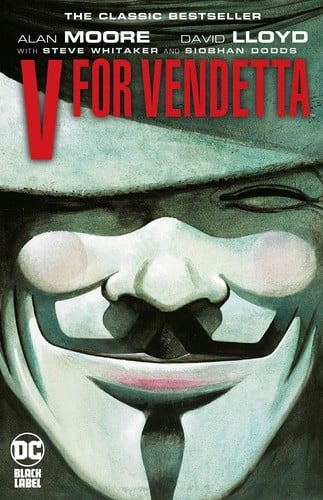
One of the foundational texts of the graphic novel form. Widely taught, frequently cited in discussions of political fiction and dystopian literature.
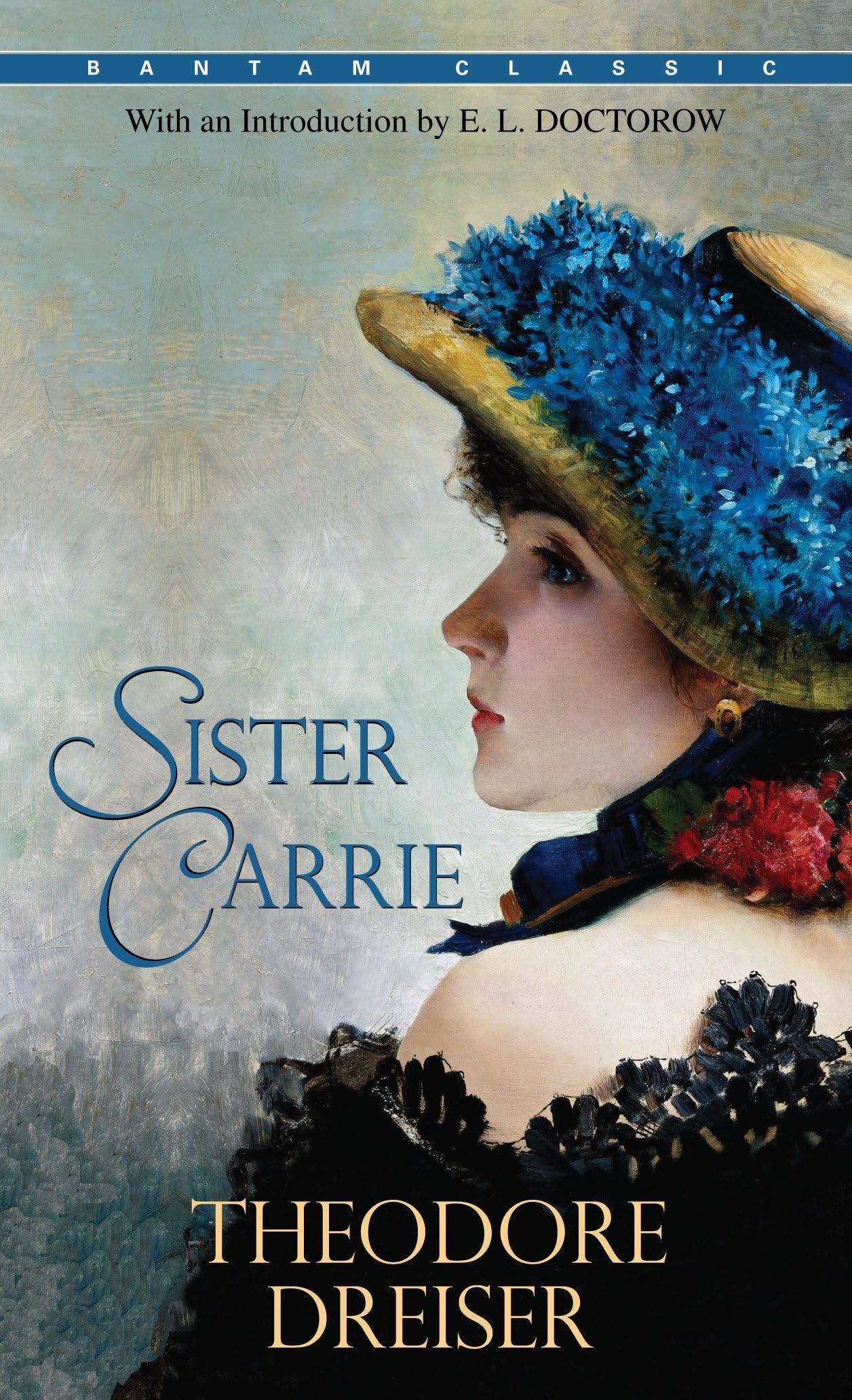
Appears on 1,040 university syllabi and sits on the Modern Library 100 Best Novels list. It is a standard text for American naturalism and the Gilded Age city.
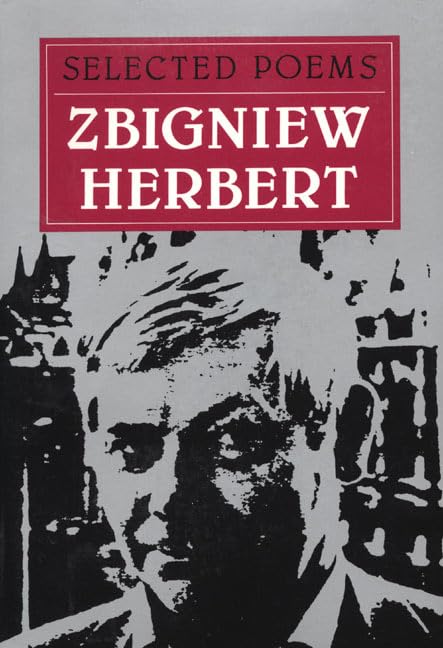
One of the most important Polish poets of the twentieth century, widely translated and taught in courses on modern poetry.
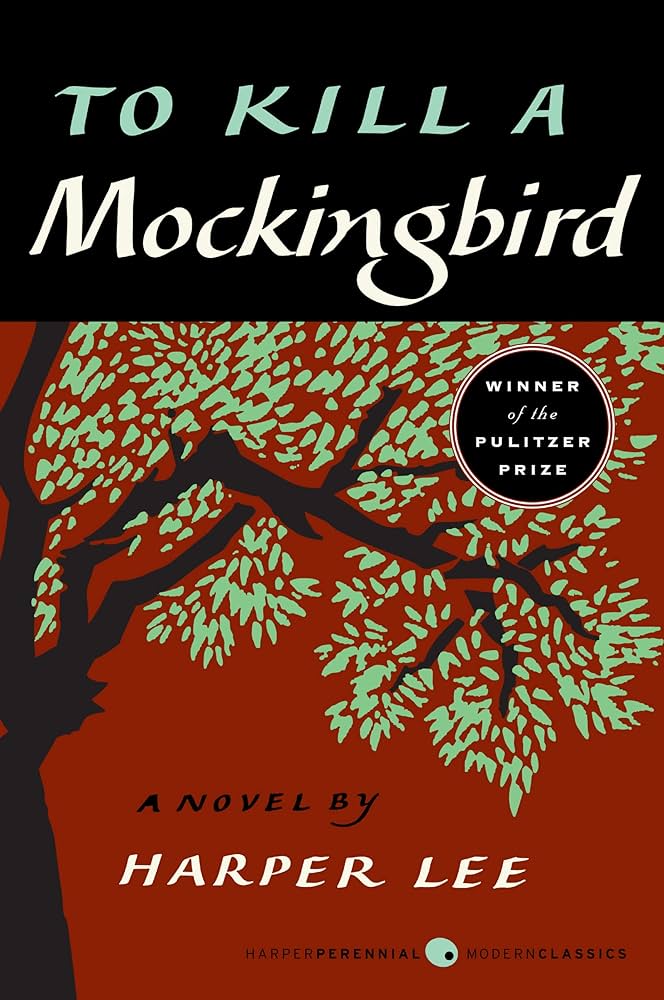
No. 9 on this list. To Kill a Mockingbird
Harper Lee · 1961
Moderate6.3 hours
Taught in schools: Cambridge IGCSE Literature in English (0475), Common Core text exemplars (Appendix B) (US), CSEC English B – Caribbean Examinations Council
Appears on 1,674 university syllabi (80.6th percentile, Open Syllabus Project) and is a fixture of American high school and university English curricula. Wikipedia articles exist in 58 languages with dedicated reception and adaptations sections. Published by four prestige houses — Library of America, Everyman's Library, Penguin Classics, and Penguin Modern Classics — confirming its standing in the Western canon.
One of the most important plays in South African theatrical history and a central work of anti-apartheid literature. Widely performed and taught internationally.
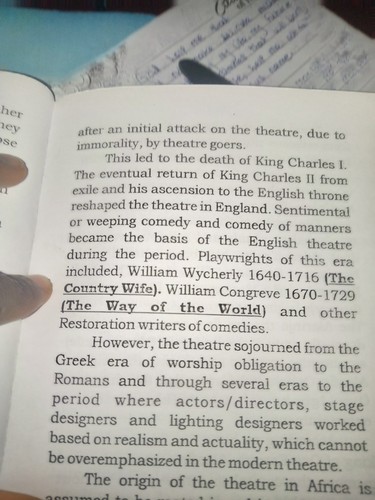
No. 11 on this list. Henry VIII · William Shakespeare · 1613
Included in: Great Books of the Western World
Henry VIII is part of the Shakespeare First Folio and is taught in Shakespeare survey courses worldwide, though it occupies the lower tier of the canon compared to the major tragedies and histories. The play's disputed authorship — widely attributed to Shakespeare and John Fletcher in collaboration — has generated sustained academic interest. It does not appear on syllabi as consistently as Hamlet, Macbeth, or Richard II, but it remains firmly within the Shakespearean corpus that all serious literary study engages.
Easy1.6 hours
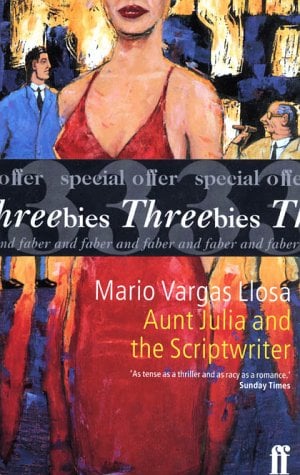
Read nowNo. 12 on this list. The City and the Dogs · Mario Vargas Llosa · 1963
Recognized as one of the founding novels of the Latin American boom and a landmark of Peruvian literature.
Moderate7.7 hours
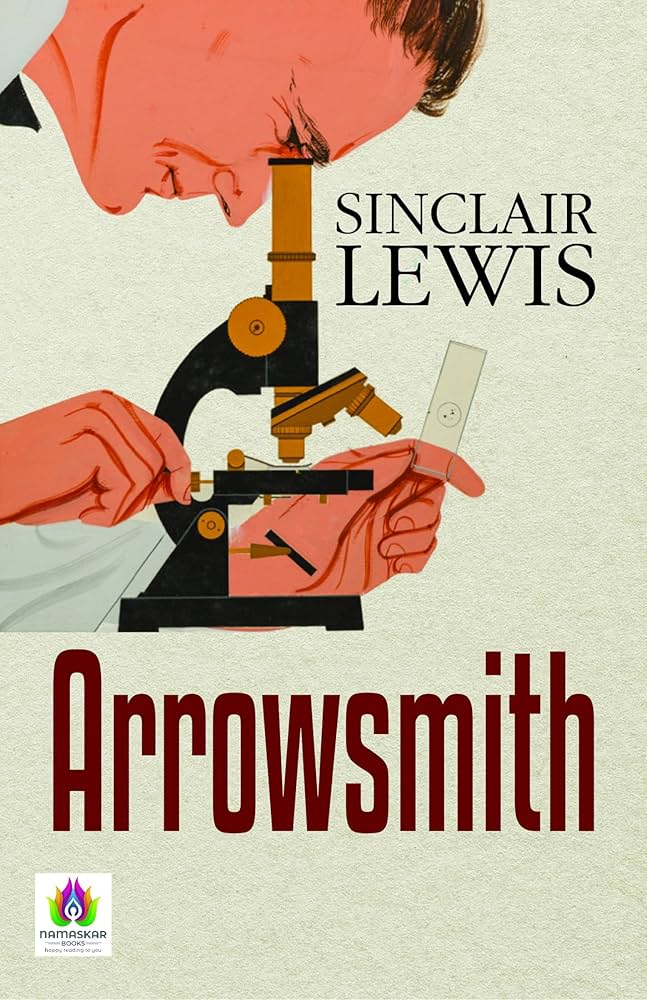
Start this bookNo. 13 on this list. Arrowsmith · Sinclair Lewis · 1925
Martin Arrowsmith, an idealistic young doctor, struggles to maintain his scientific integrity as he moves from small-town practice to research laboratories to public health work. At every turn, commercialism, politics, and human weakness threaten to corrupt his quest for truth. Lewis's novel about the conflict between pure science and institutional pressure won the Pulitzer Prize (which he famously declined).
Moderate11 hours
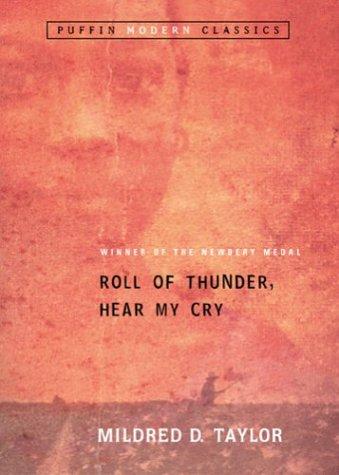
Read nowNo. 14 on this list. Roll of Thunder, Hear My Cry · Mildred D. Taylor · 1976
Taught in schools: CSEC English B – Caribbean Examinations Council, Singapore-Cambridge GCE O-Level Literature in English (2065)
Newbery Medal winner and a cornerstone of Black children's literature. Widely taught and frequently appears on essential reading lists.
Very Easy2.4 hours
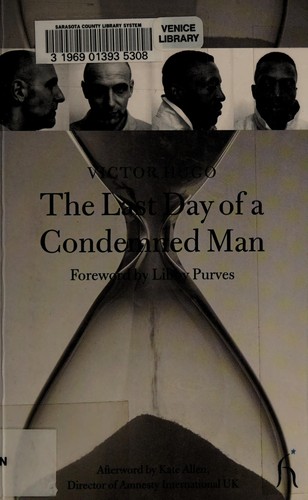
Start this bookNo. 15 on this list. The Last Day of a Condemned Man · Victor Hugo · 1829
A staple of French literature and widely read in translation, it is a key text in debates on the death penalty. It is less taught than Hugo's Les Misérables.
Easy1.8 hours
Start this bookNo. 16 on this list. Memed, My Hawk · Yasar Kemal · 1955
Included in: UNESCO Collection of Representative Works
The foundational novel of modern Turkish literature's international reputation. Widely translated and studied as a masterpiece of Turkish fiction.
Easy5.4 hours
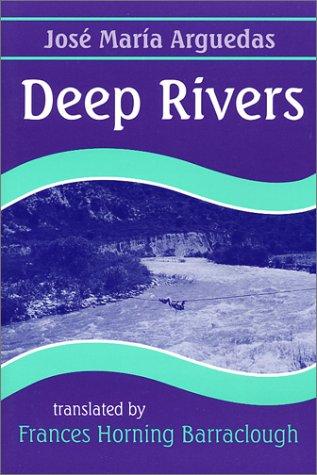
Start this bookNo. 17 on this list. Deep Rivers · José María Arguedas · 1958
Taught in schools: UNAM Escuela Nacional Preparatoria – programas de Literatura (Mexico)
The central work of indigenist literature in Latin America and a cornerstone of Peruvian fiction.
Easy4 hours
Start this bookNo. 18 on this list. Adam Bede · George Eliot · 1859
Adam Bede appears regularly on Victorian literature and 19th-century British fiction syllabi at universities worldwide, and is the standard entry point to George Eliot's work in courses that cannot assign the longer Middlemarch. It is included in most survey courses of the Victorian novel. Its canonical status within the Eliot corpus is secondary only to Middlemarch and The Mill on the Floss, but within the broader Victorian canon it holds a secure if not dominant position — consistently anthologized, consistently in print, and consistently cited as a foundational work of Victorian realism.
Moderate13 hours
Read nowNo. 19 on this list. Julie, or the New Heloise · Jean-Jacques Rousseau · 1761
The most important French novel before the 19th century and a founding text of Romanticism. Less read today than it deserves, partly due to its length and didactic passages.
Moderate18 hours
Start this bookNo. 20 on this list. The Book of Three · Lloyd Alexander · 1964
Newbery Medal winner (for The High King). The Chronicles of Prydain are a cornerstone of children's fantasy.
Easy2.3 hours
Start this book
No. 21 on this list. Monster · Walter Dean Myers · 1999
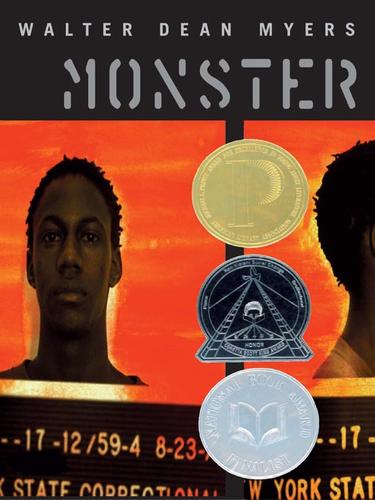
Steve Harmon is sixteen years old and on trial for felony murder. He may have acted as a lookout for a Harlem drugstore robbery that left the owner dead — or he may not have. The question hangs over Walter Dean Myers's 1999 novel, which Steve narrates in the only form that makes sense to him: a screenplay. He writes himself as the protagonist, titles the film Monster — the word the prosecutor used to describe him — and cuts between courtroom scenes and flashback journal entries while his mother cries in the gallery and his lawyer calculates the odds. The form is not a gimmick. A screenplay externalizes action and dialogue while burying interiority in stage directions, and that gap is exactly where Myers puts the book's central problem: we watch Steve perform innocence without ever being certain whether we are watching performance or truth. The trial exposes Harlem's carceral machinery — the way young Black men get classified, processed, and destroyed — but Monster refuses to let that machinery fully explain Steve. He asks, on the last page, who he is. Myers doesn't answer. Readers will spend time after the last page deciding whether that's evasion or honesty, and what it says about how they read a defendant's face.
Easy1.7 hours
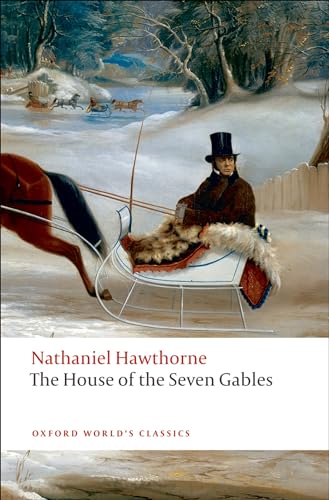
Start this bookNo. 22 on this list. The House of the Seven Gables · Nathaniel Hawthorne · 1851
A major work of the American Renaissance, widely taught alongside The Scarlet Letter though less frequently read outside academic settings.
Moderate6.5 hours
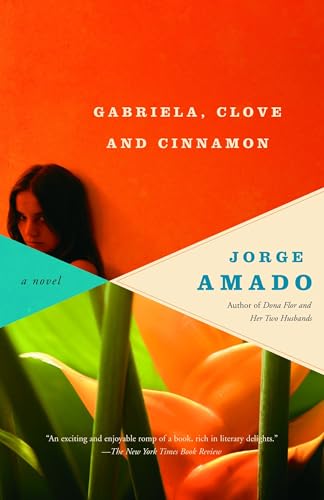
Start this bookNo. 23 on this list. Gabriela, Clove and Cinnamon · Jorge Amado · 1958
Gabriela is among the defining works of Brazilian literature and appears regularly on Latin American literature syllabi worldwide. It established Jorge Amado's international reputation and is one of the most-translated Brazilian novels ever published. While not as universally taught as García Márquez, it occupies a secure place in world literature curricula.
Moderate9.3 hours
Start this bookNo. 24 on this list. The Rape of Lucrece · William Shakespeare · 1594
A significant early Shakespeare poem, increasingly studied for its treatment of sexual violence and consent.
Moderate56 min
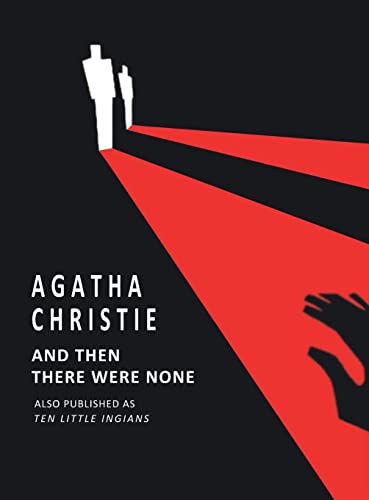
Read nowNo. 25 on this list. And Then There Were None · Agatha Christie · 1939
Taught in schools: Hungarian literature curriculum (magyar nyelv és irodalom) (Hungary)
Christie's most celebrated novel holds a dominant place in the mystery canon and is widely recognized as the best-selling mystery of all time. It appears on virtually every 'greatest mysteries ever written' list — TIME's All-TIME 100 Novels, the BBC's Big Read — and is frequently taught in genre fiction courses. Its canonical standing within popular fiction far exceeds that of typical genre works, though it sits below the academic canonicity of literary fiction anchors like Gatsby or Beloved.
Easy2.8 hours
Start this bookNo. 26 on this list. The Flies · Jean-Paul Sartre · 1943
Taught in schools: UNAM Escuela Nacional Preparatoria – programas de Literatura (Mexico)
A major work of existentialist theater and an important document of intellectual resistance during the occupation. Regularly taught and performed.
Easy1.8 hours
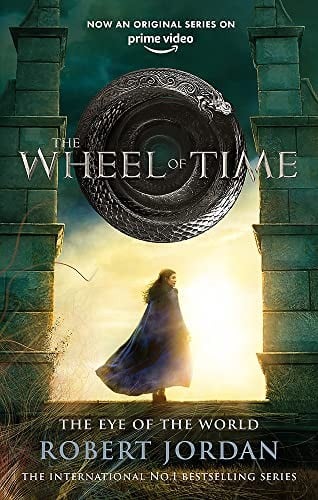
Start this bookNo. 27 on this list. The Eye of the World · Robert Jordan · 1990
The Eye of the World launched one of fantasy's most influential series. While not considered literary fiction, it holds canonical status within the epic fantasy genre, frequently cited alongside Tolkien's work as foundational to modern fantasy.
Easy16 hours
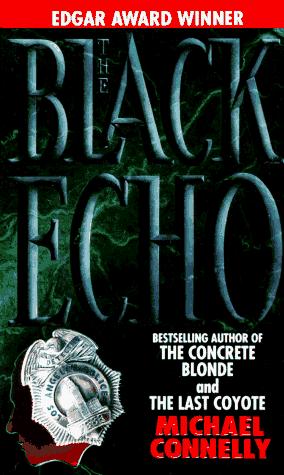
Start this bookNo. 28 on this list. The Black Echo · Michael Connelly · 1992
Launched one of the most acclaimed detective series in modern crime fiction. Edgar Award winner.
Easy6 hours
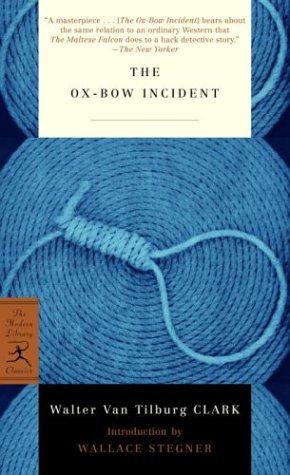
Start this bookNo. 29 on this list. The Ox-Bow Incident · Walter Van Tilburg Clark · 1940
A staple of American high school and college curricula and a landmark of the Western as serious literature, though below the very top rank of the canon.
Easy3.8 hours
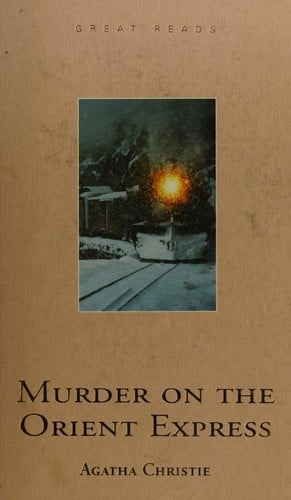
Start this bookNo. 30 on this list. Murder on the Orient Express · Agatha Christie · 1934
A fixture in mystery and detective fiction courses worldwide, and one of the most translated English-language novels of the twentieth century with Wikipedia articles in over 60 languages. Widely included on 'essential reading' and 'best mysteries' lists, though its presence in general literary syllabi is lower than canonical modernist works.
Easy3.3 hours
Start this book
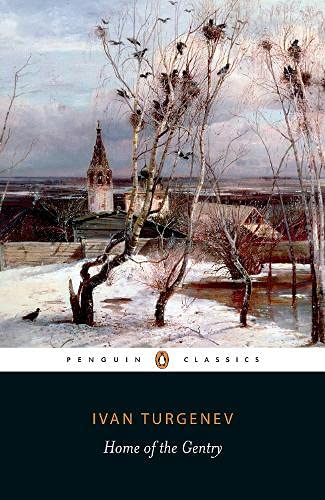
No. 31 on this list. Home of the Gentry
Ivan Turgenev · 1859
Taught in schools: Russian FGOS literature standard
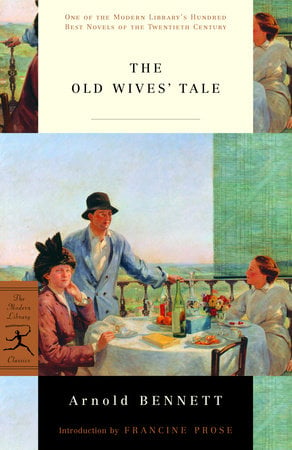
No. 32 on this list. The Old Wives' Tale
Arnold Bennett · 1908
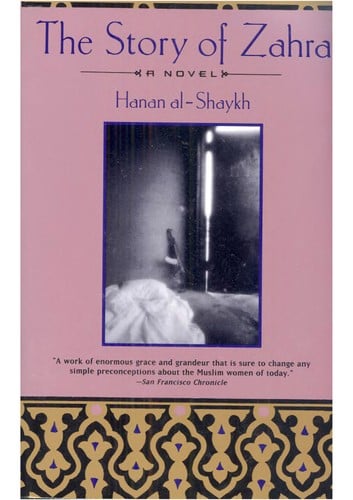
No. 33 on this list. The Story of Zahra
Hanan al-Shaykh · 1980
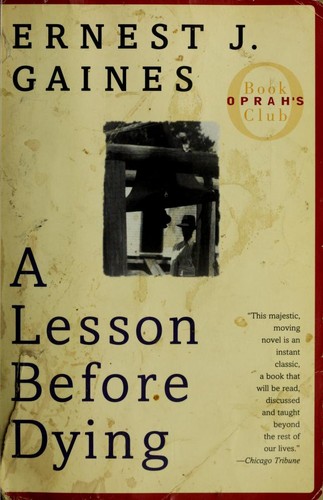
No. 34 on this list. A Lesson Before Dying
Ernest J. Gaines · 1993
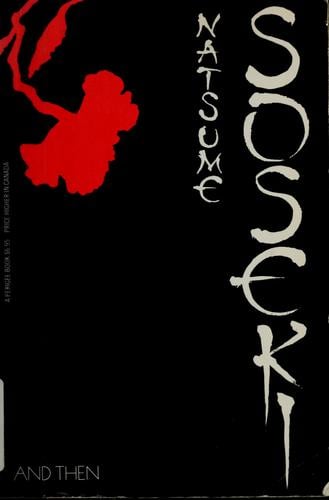
No. 35 on this list. And Then
Natsume Sōseki · 1909
Included in: UNESCO Collection of Representative Works
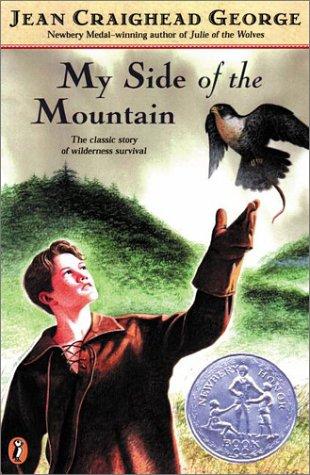
No. 36 on this list. My Side of the Mountain
Jean Craighead George · 1959
Taught in schools: CSEC English B – Caribbean Examinations Council
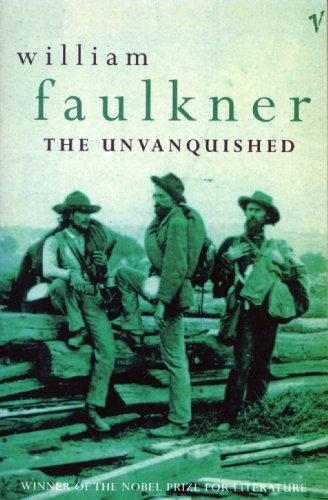
No. 37 on this list. The Unvanquished
William Faulkner · 1938
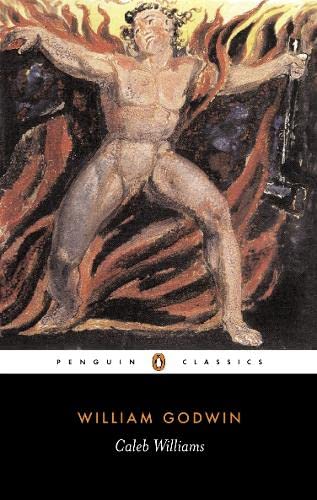
No. 38 on this list. Caleb Williams
William Godwin · 1794
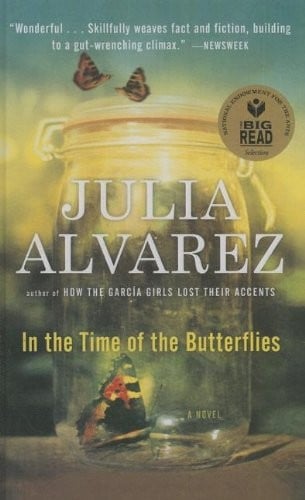
No. 39 on this list. In the Time of the Butterflies
Julia Alvarez · 1994
Taught in schools: UNAM Escuela Nacional Preparatoria – programas de Literatura (Mexico)
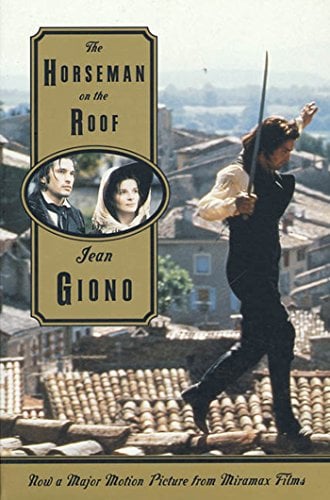
No. 40 on this list. The Horseman on the Roof
Jean Giono · 1951
No. 41 on this list. The Little Sister
Raymond Chandler · 1988
No. 42 on this list. The Dragon Can't Dance
Earl Lovelace · 1979
No. 43 on this list. Mary Barton
Elizabeth Gaskell · 1848
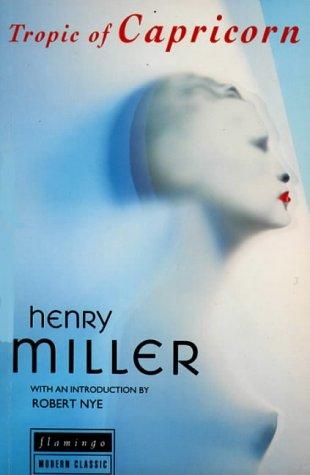
No. 44 on this list. Tropic of Capricorn
Henry Miller · 1939
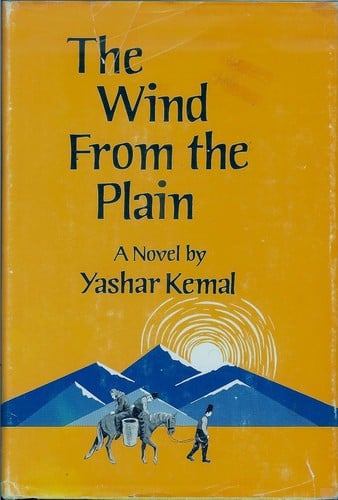
No. 45 on this list. The Wind from the Plain
Yasar Kemal · 1960
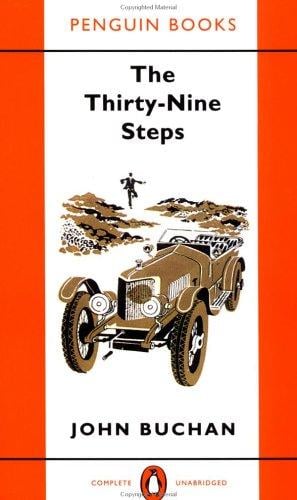
No. 46 on this list. The Thirty-Nine Steps
John Buchan · 1915
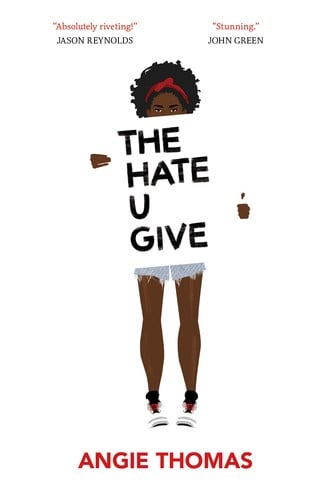
No. 47 on this list. The Hate U Give
Angie Thomas · 2017
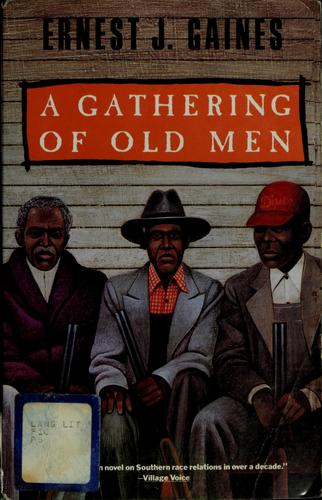
No. 48 on this list. A Gathering of Old Men
Ernest J. Gaines · 1992
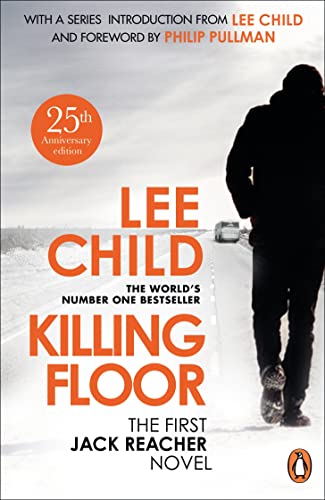
No. 49 on this list. Killing Floor
Lee Child · 1997
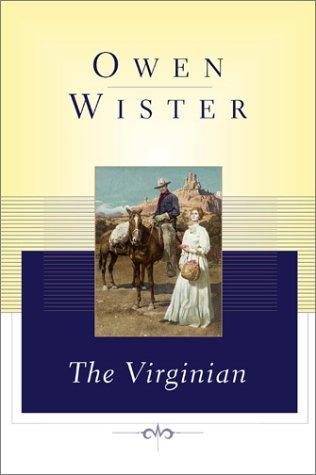
No. 50 on this list. The Virginian (Scribner Classics)
Owen Wister · 2002

No. 51 on this list. Starship Troopers
Robert A. Heinlein · 1959
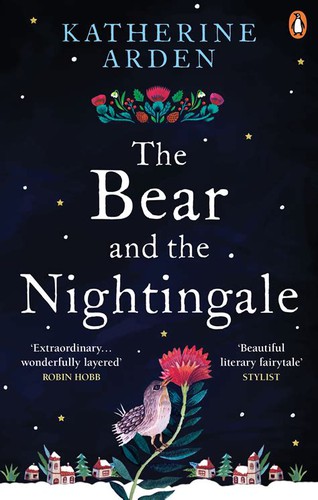
No. 52 on this list. The Bear and the Nightingale
Katherine Arden · 2017
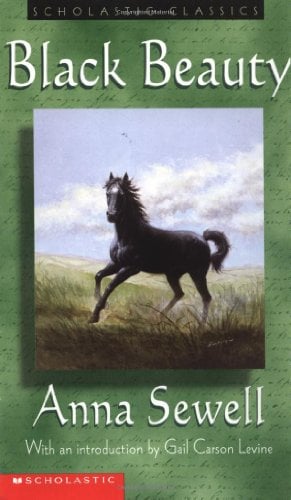
No. 53 on this list. Black Beauty
Anna Sewell · 2003
Taught in schools: CSEC English B – Caribbean Examinations Council
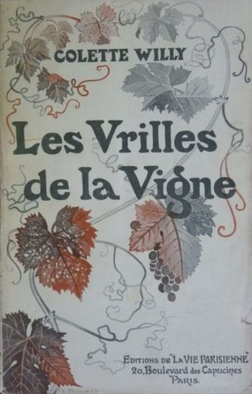
No. 54 on this list. The Tendrils of the Vine
Colette · 1908
Taught in schools: Programme de français, lycée général et technologique (France)
No. 55 on this list. A Dry White Season
André Brink · 1979
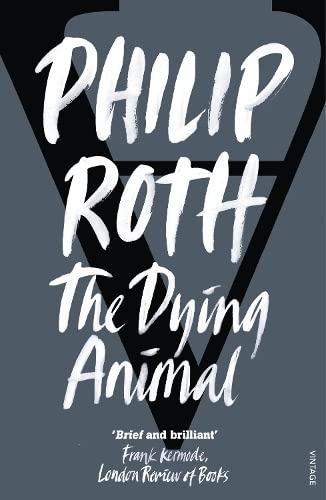
No. 56 on this list. The Dying Animal
Philip Roth · 2001
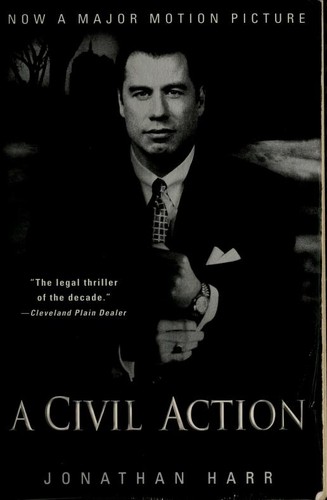
No. 57 on this list. A Civil Action
Jonathan Harr · 1995
No. 58 on this list. Romola
George Eliot · 1863
No. 59 on this list. Batman: Year One
Frank Miller · 2007
No. 60 on this list. Pelle the Conqueror
Martin Andersen Nexø · 1910

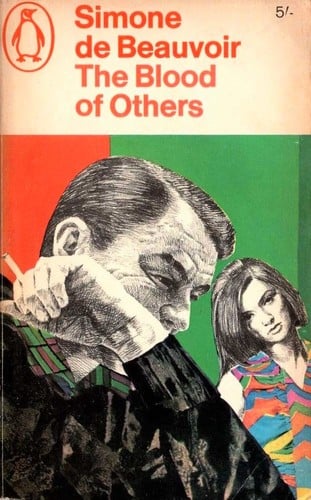
No. 61 on this list. The Blood of Others
Simone de Beauvoir · 1945
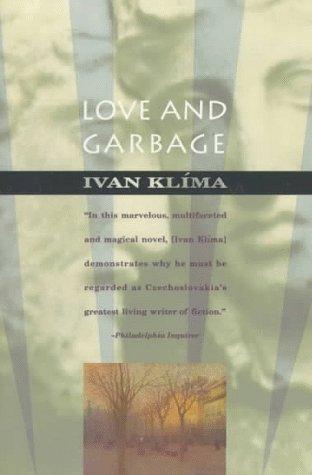
No. 62 on this list. Love and Garbage
Ivan Klima · 1986
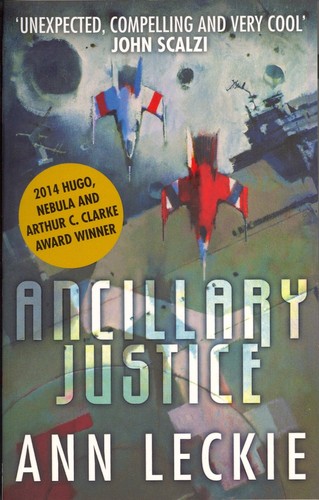
No. 63 on this list. Ancillary Justice
Ann Leckie · 2013
No. 64 on this list. Following the Equator
Mark Twain · 1897
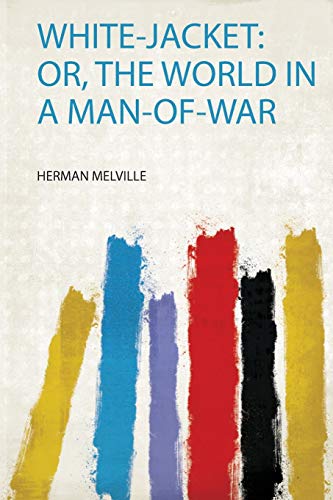
No. 65 on this list. White-Jacket
Herman Melville · 1850
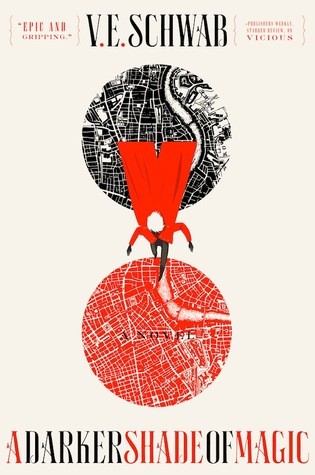
No. 66 on this list. A Darker Shade of Magic
V. E. Schwab · 2015
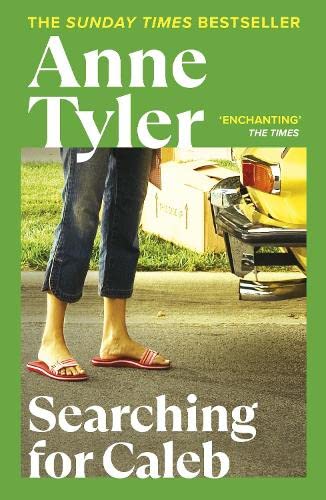
No. 67 on this list. Searching for Caleb
Anne Tyler · 1976
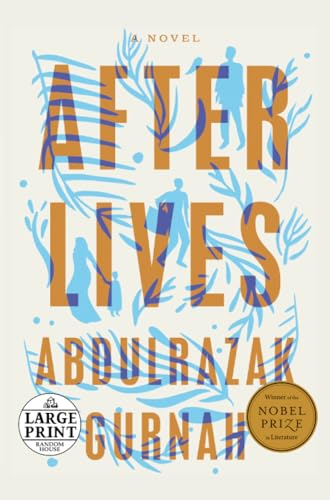
No. 68 on this list. Afterlives
Abdulrazak Gurnah · 2020
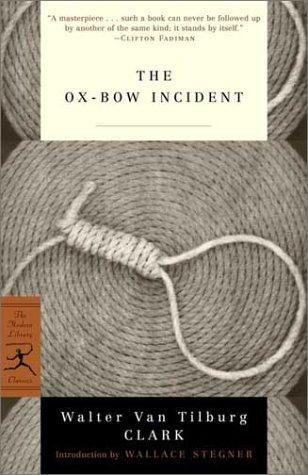
No. 69 on this list. The OxBow Incident
Walter Van Tilburg Clark · 1940
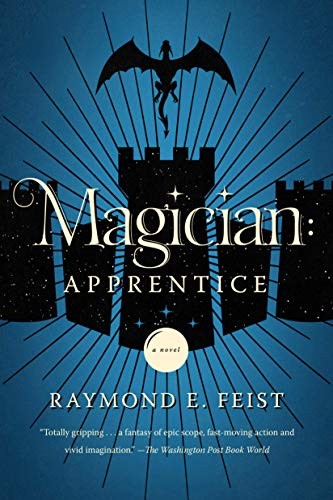
No. 70 on this list. Magician: Apprentice
Raymond E. Feist · 1982
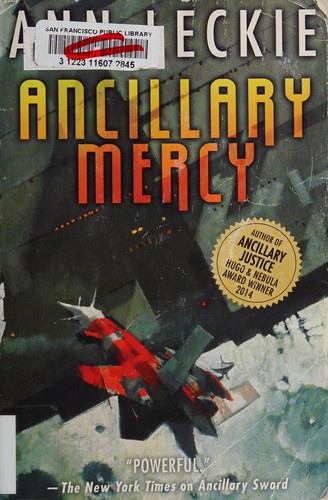
No. 71 on this list. Ancillary Mercy
Ann Leckie · 2015
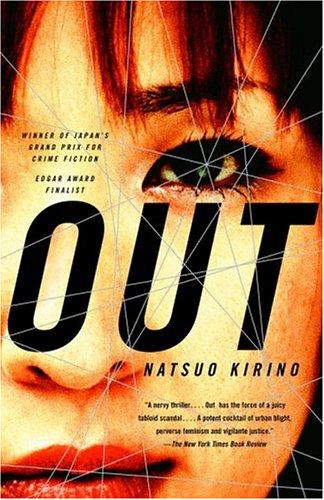
No. 72 on this list. Out
Natsuo Kirino · 1997
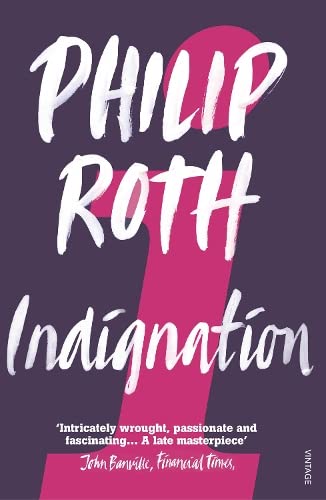
No. 73 on this list. Indignation
Philip Roth · 2008
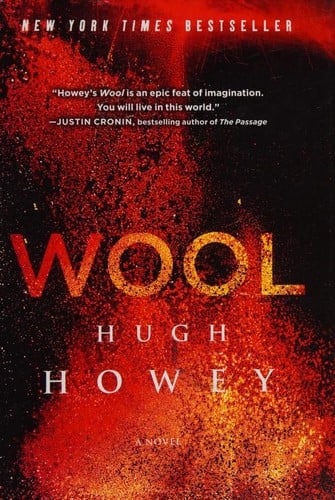
No. 74 on this list. Wool
Hugh Howey · 2011
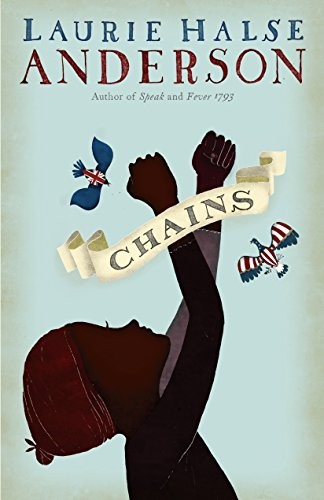
No. 75 on this list. Chains
Laurie Halse Anderson · 2008
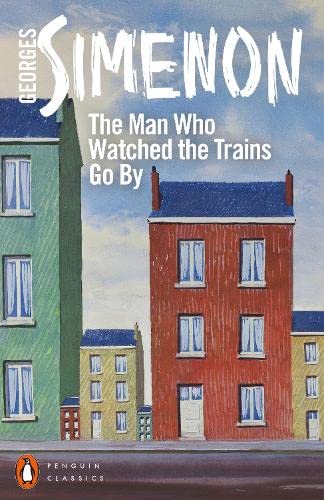
No. 76 on this list. The Man Who Watched Trains Go By
Georges Simenon · 1938
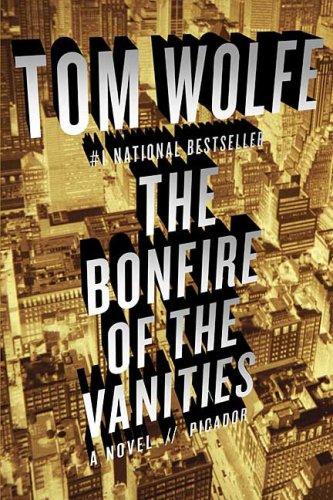
No. 77 on this list. The Bonfire of the Vanities
Tom Wolfe · 1987
No. 78 on this list. The Rebels
Sándor Márai · 1930
No. 79 on this list. The Seizure of Power
Czesław Miłosz · 1953
No. 80 on this list. The Black Prism
Brent Weeks · 2010
No. 81 on this list. Real Estate
Deborah Levy · 2021
No. 82 on this list. Anatomy of a Murder
Robert Traver · 1958
No. 83 on this list. Reaper Man
Terry Pratchett · 1991
No. 84 on this list. Fledgling
Octavia E. Butler · 2005
No. 85 on this list. Kim Jiyoung, Born 1982
Cho Nam-Joo · 2016
No. 86 on this list. Knulp
Hermann Hesse · 1988
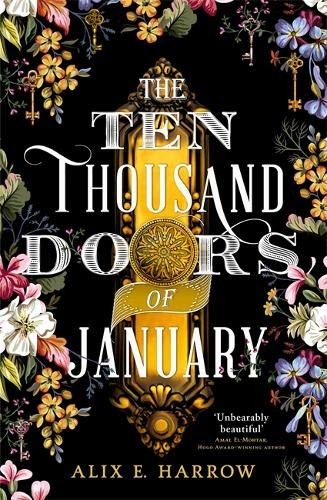
No. 87 on this list. The Ten Thousand Doors of January
Alix E. Harrow · 2019
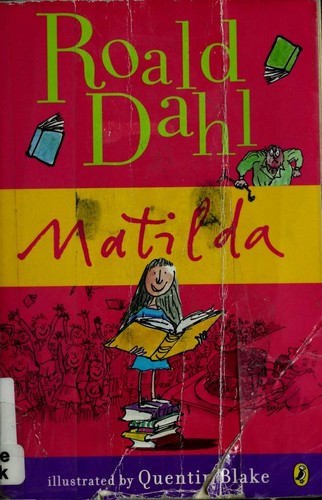
No. 88 on this list. Matilda
Roald Dahl · 1988
Taught in schools: CSEC English B – Caribbean Examinations Council
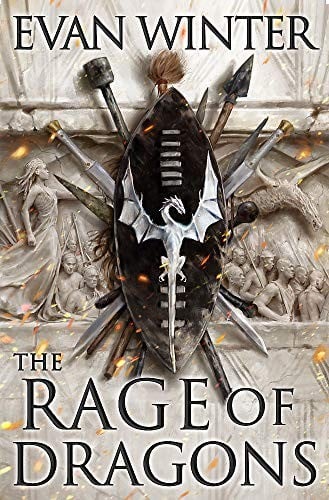
No. 89 on this list. The Rage of Dragons
Evan Winter · 2019
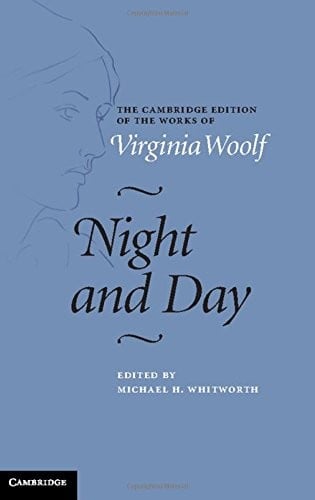
No. 90 on this list. Night and Day
Virginia Woolf · 1919

No. 91 on this list. The Safety Net
Heinrich Böll · 1979
No. 92 on this list. Omoo
Herman Melville · 1847
No. 93 on this list. A Five-Year Sentence
Bernice Rubens · 1978
No. 94 on this list. Twelve Angry Men
Reginald Rose · 2006
No. 95 on this list. Kingdom Come
Mark Waid · 1997
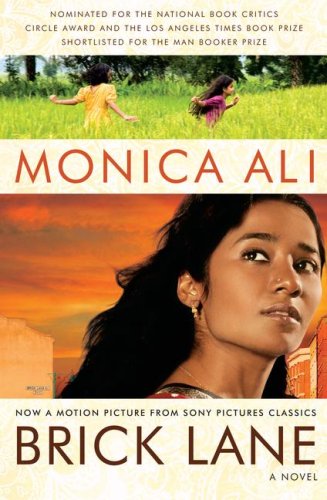
No. 96 on this list. Brick Lane
Monica Ali · 2003
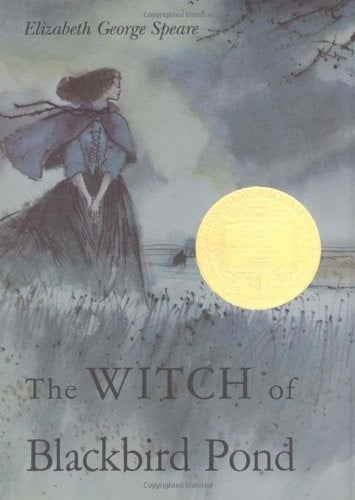
No. 97 on this list. The Witch of Blackbird Pond: A Newbery Award Winner – A Halloween Book for Teens
Elizabeth George Speare · 1958
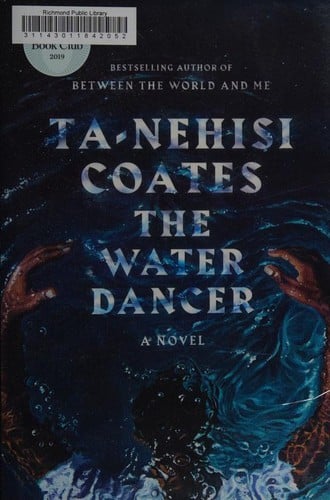
No. 98 on this list. The Water Dancer
Ta-Nehisi Coates · 2019
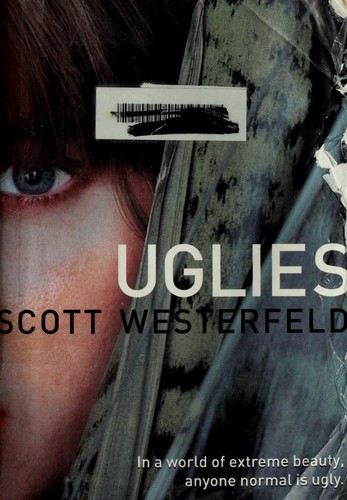
No. 99 on this list. Uglies
Scott Westerfeld · 2005
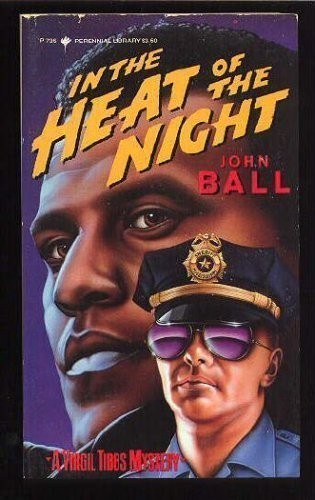
No. 100 on this list. In the Heat of the Night
John Ball · 1965

About this list
These 100 books are the highest-scoring eligible easy books about freedom and justice currently in the catalogue. About 553 hours of reading in all. Difficulty runs from 31 to 41 out of 100 for the middle half of the list; the summit is Afterlives at 45.
This list is ranked by literary regard, with a consistent order for equal scores. Membership follows authors and co-authors, not translators or editors. A book is here when ReadingRate files it under Freedom & Justice as one of its primary reading domains, at a confidence of 0.8 or more. Catalogue coverage and the historical canon both limit what this list can represent.
When we matched the Canons dataset to our catalogue in October 2026, our canonical-status scores rose with the number of school curricula, publisher series and lists in it that cite a work: the median score was 72 for books one such source cites, 84 at two, 88 at three, 92 at four and 93 at five or more. Prizes are left out of that count. Outside the state curricula, the dataset’s sources choose mostly from what has been translated into English or French, so it is a weaker check on other literatures. Source: Canons (Andrew Piper), CC BY 4.0
Questions people actually ask
- What are the best easy books about freedom and justice?
- By literary regard, which weighs canonical status, critical standing and influence: Bérénice by Jean Racine, Andromaque by Jean Racine, Uncle Tom's Cabin by Harriet Beecher Stowe, Ivanhoe by Walter Scott and The School for Wives by Molière. ReadingRate ranks 100 such books, each with a difficulty score and a reading-time estimate.
- Which easy books about freedom and justice should I read first?
- Start from difficulty, not from rank. The most approachable books on this list that still carry top literary regard are The School for Wives by Molière (about 1.2 hours), Ivanhoe by Walter Scott and Sister Carrie by Theodore Dreiser.
- What are the shortest of the best easy books about freedom and justice?
- Among the top 25, the shortest are Bérénice by Jean Racine (about 50 min), Andromaque by Jean Racine (about 57 min) and The Rape of Lucrece by William Shakespeare (about 56 min), at an average pace of 250 words a minute adjusted for each book's difficulty.
- Which of the best easy books about freedom and justice are the established classics?
- By canonical status, how firmly a book sits in curricula, anthologies and the canon: Uncle Tom's Cabin by Harriet Beecher Stowe, To Kill a Mockingbird by Harper Lee, Bérénice by Jean Racine, Andromaque by Jean Racine and Ivanhoe by Walter Scott.
- Can I read any of these easy books about freedom and justice for free?
- 11 of the 100 open in ReadingRate's reader with a free account, from public-domain editions: Uncle Tom's Cabin, Sister Carrie, Henry VIII, Arrowsmith, Adam Bede and 6 more.
- How long would it take to read the top ten?
- About 49 hours, at an average pace of 250 words a minute adjusted for each book's difficulty: 25 days at two hours a day. Set your own pace on the page and the list's reading times change to it.
- How hard are easy books about freedom and justice to read?
- Most of this list sits between 31 and 41 on ReadingRate's 100-point difficulty scale, where 40 to 55 is moderate. The summit is Afterlives at 45. Every entry carries its own score, so a reader can pick a great book at a difficulty they will finish.
- How is this list ranked?
- On literary-regard data: how canonically established a work is, its critical standing, and its influence on later writing. It is not a readers’ poll, which is why recent bestsellers rarely appear. Membership follows authors and co-authors, not translators or editors. Lists by country, author, period, theme or difficulty keep to literature (fiction, poetry, drama and philosophy), their novels, poems and plays first and their philosophy after them; a list of a kind of book, such as memoir or criticism, keeps every book of that kind. Every list holds at most three works by one author. A book is here when ReadingRate files it under Freedom & Justice as one of its primary reading domains, at a confidence of 0.8 or more.