Hours at an average pace
Showing 100 books
About 479 hours for 100 of 100 books with measured lengths. Estimates use 250 words a minute, adjusted for each book's difficulty. At 2 hours a day, about 240 days for those books.
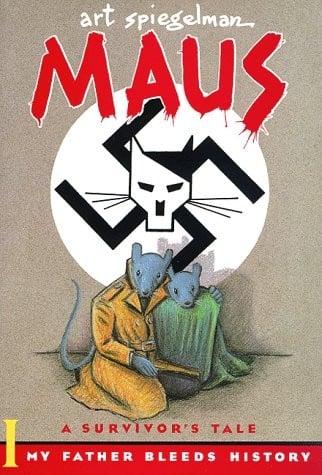
No. 1 on this list. Maus I: A Survivor's Tale: My Father Bleeds History
Art Spiegelman · 1991
Easy2.2 hours
Maus is widely taught in schools and universities as a central Holocaust text and as the key work of the graphic novel, and it won a Pulitzer Prize special award in 1992 for the combined work. It is now standard in comics studies and memory studies.
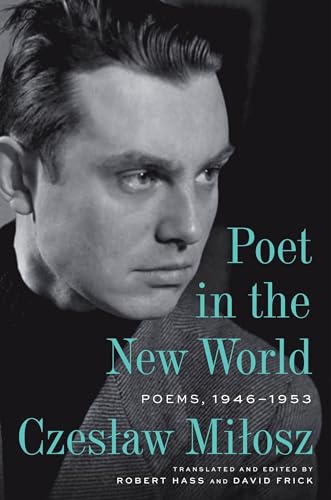
Nobel laureate and one of the most important poets of the twentieth century. Central to Polish literature and increasingly recognized in world poetry.
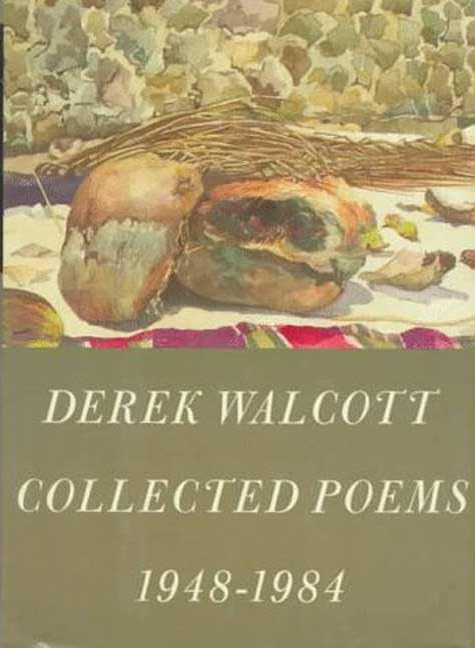
Nobel laureate and the defining poet of the Anglophone Caribbean. Central to postcolonial literature and increasingly recognized in the broader English-language canon.
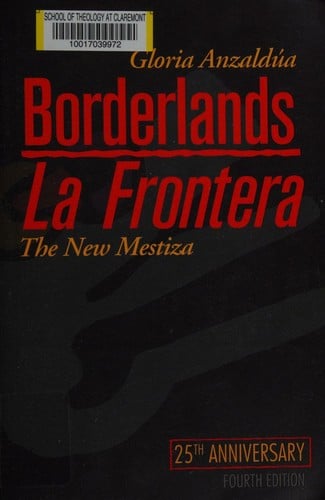
Foundational text of Chicana feminism, border studies, and queer theory. Universally taught in relevant fields.
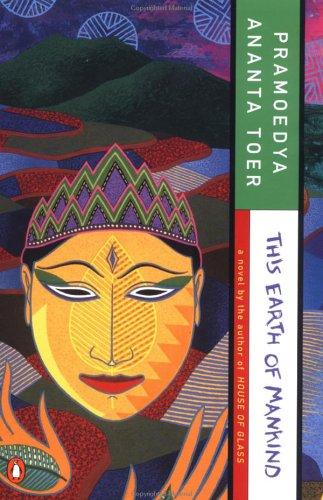
No. 5 on this list. This Earth of Mankind
Pramoedya Ananta Toer · 1980
Easy6.4 hours
Taught in schools: Indonesian sastra curriculum
The most important work of Indonesian literature. Perennial Nobel candidate.
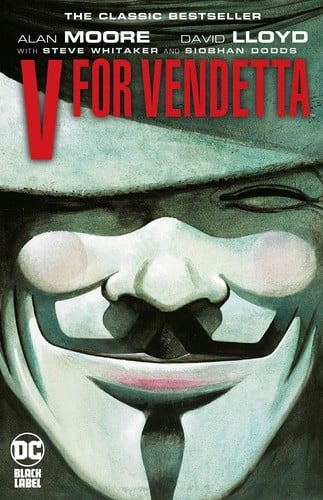
One of the foundational texts of the graphic novel form. Widely taught, frequently cited in discussions of political fiction and dystopian literature.
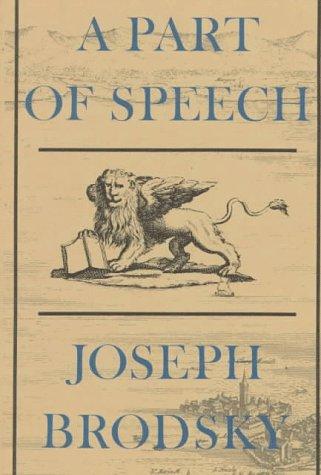
Taught in graduate poetry programs and comparative literature courses at major universities, 'A Part of Speech' is the collection through which Brodsky entered the Western canon. It appears in virtually every major anthology of 20th-century exile and émigré poetry. Not a fixture in broad undergraduate syllabi, but essential in advanced poetry and diaspora literature courses.
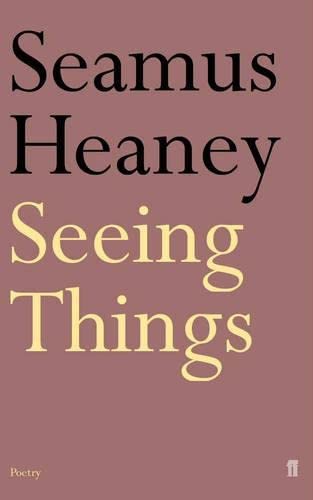
One of the most admired collections by a Nobel laureate poet. Considered a turning point in Heaney's career and among his finest work.
One of the most important Polish poets of the twentieth century, widely translated and taught in courses on modern poetry.
Toru Okada is making spaghetti when an anonymous woman calls to say they need ten minutes to understand each other. Then his cat vanishes. Then his wife Kumiko disappears entirely, leaving only a letter about her brother and a request not to look for her. This is how The Wind-Up Bird Chronicle begins: with domestic life dissolving from the inside, one ordinary item at a time. Murakami keeps Toru's voice flat and patient throughout — he irons shirts when upset, counts stages, watches his garden — while everything around him tilts into the surreal. He descends into a dry well in a neighbor's yard and emerges changed, a blue-black mark spreading across his cheek. He encounters Malta and Creta Kano, psychic sisters whose names are Mediterranean islands. He sits across a table from a television personality who may be the novel's primary evil. Threaded through the present is Lt. Mamiya's account of the Mongolian desert in 1939 — atrocity reported in the same matter-of-fact voice Toru uses to describe boiling water. The novel operates on the logic of a dream that refuses to dissolve on waking: causality suspended, meaning promised and withheld simultaneously. Murakami never explains his machinery. By the end, what remains is a portrait of a man in a long wait — for his wife, for answers, for the world to wind itself back up.
No. 11 on this list. To Kill a Mockingbird · Harper Lee · 1961
Taught in schools: Cambridge IGCSE Literature in English (0475), Common Core text exemplars (Appendix B) (US), CSEC English B – Caribbean Examinations Council
Appears on 1,674 university syllabi (80.6th percentile, Open Syllabus Project) and is a fixture of American high school and university English curricula. Wikipedia articles exist in 58 languages with dedicated reception and adaptations sections. Published by four prestige houses — Library of America, Everyman's Library, Penguin Classics, and Penguin Modern Classics — confirming its standing in the Western canon.
Moderate6.3 hours
Start this bookNo. 12 on this list. Sizwe Bansi Is Dead · Athol Fugard · 1972
One of the most important plays in South African theatrical history and a central work of anti-apartheid literature. Widely performed and taught internationally.
Easy1.1 hours
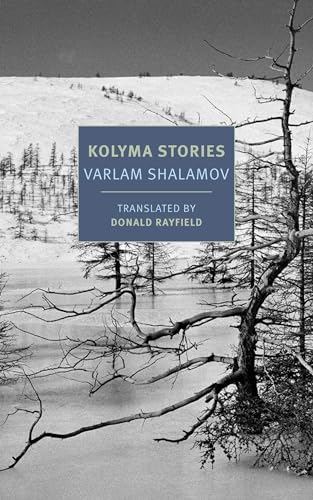
Start this bookNo. 13 on this list. Kolyma Tales · Varlam Shalamov · 1978
Recognized as one of the definitive literary works about the Soviet Gulag and a masterpiece of twentieth-century short fiction.
Easy11 hours
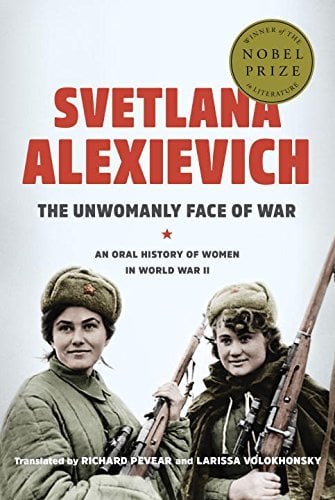
Start this bookNo. 14 on this list. The Unwomanly Face of War · Svetlana Alexievich · 1985
Taught in schools: Lithuanian literature curriculum (lietuvių kalba ir literatūra), UNAM Escuela Nacional Preparatoria – programas de Literatura (Mexico)
Widely taught in university courses on Eastern European literature, WWII history, and oral history methodology, though not a fixture of secondary school curricula in the West. The 2015 Nobel Prize dramatically expanded its global reach and translation into forty-plus languages. Its canonical standing is growing rather than settled.
Easy5.8 hours
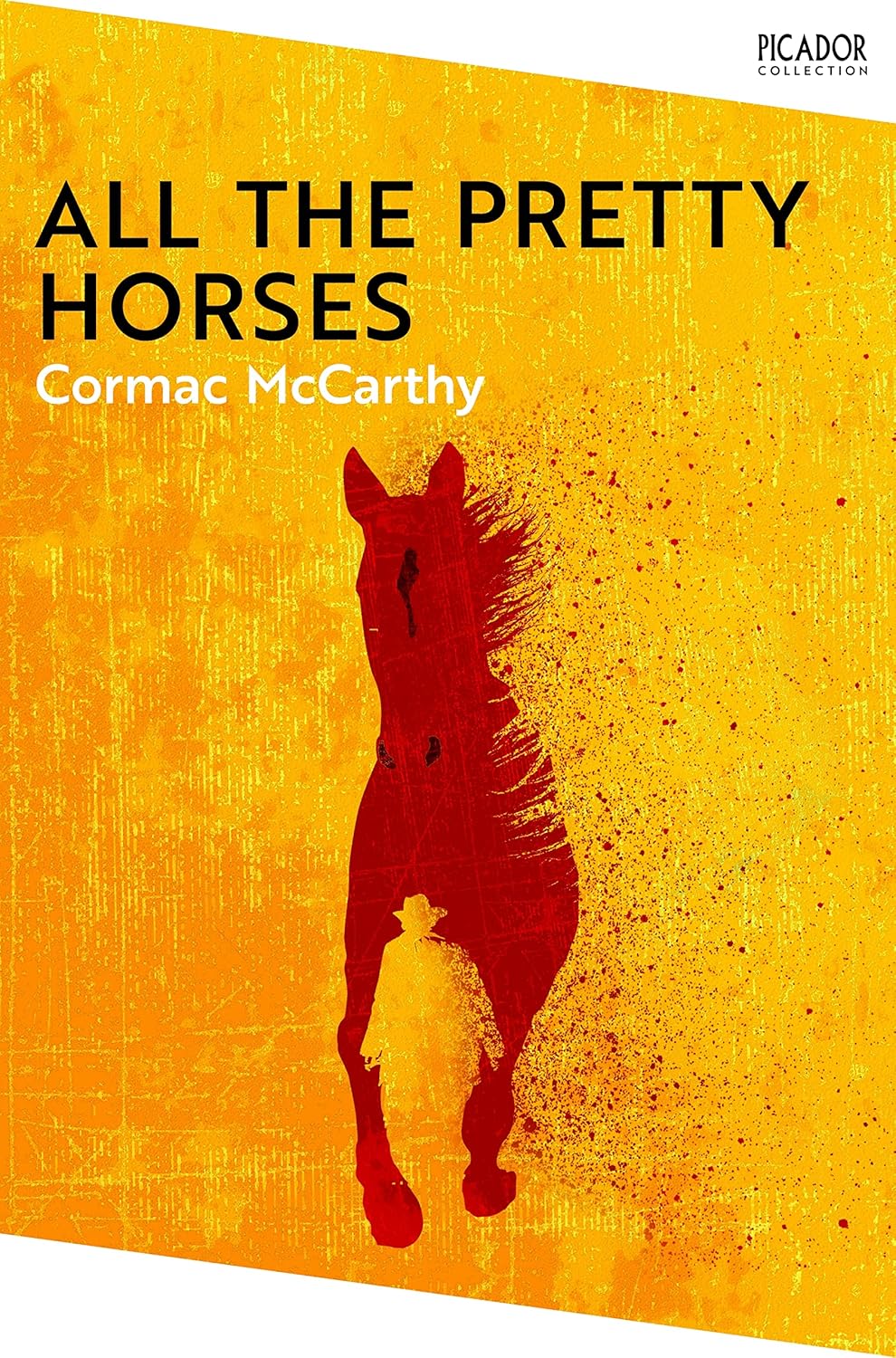
Start this bookNo. 15 on this list. All the Pretty Horses · Cormac McCarthy · 1992
All the Pretty Horses appears on 403 university syllabi according to Open Syllabus data, placing it at the 65th percentile — a strong showing that reflects consistent presence in American literature courses at the undergraduate level. It is the most accessible entry point to McCarthy's work and the most commonly taught, but its Wikipedia presence in only 2 languages indicates limited global footprint compared to truly canonical American novels. It occupies a firm regional and national canonical position without reaching the universal status of The Great Gatsby or To Kill a Mockingbird.
Moderate6.2 hours
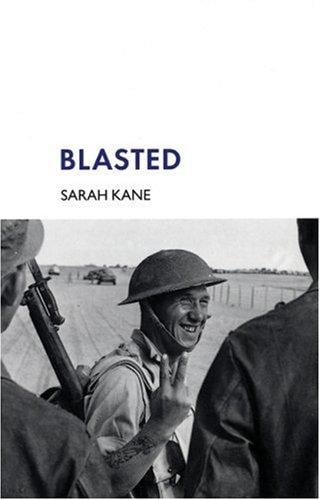
Start this bookNo. 16 on this list. Blasted · Sarah Kane · 1995
Now recognized as one of the most important British plays of the late twentieth century. A landmark of in-yer-face theater and a standard text in contemporary drama courses.
Moderate46 min
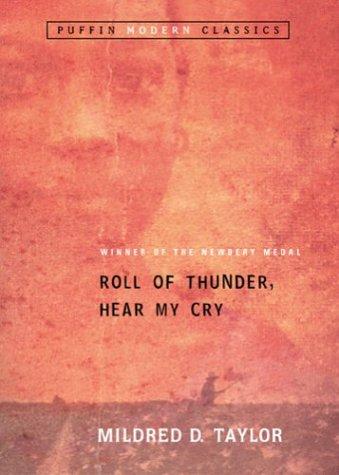
Start this bookNo. 17 on this list. Roll of Thunder, Hear My Cry · Mildred D. Taylor · 1976
Taught in schools: CSEC English B – Caribbean Examinations Council, Singapore-Cambridge GCE O-Level Literature in English (2065)
Newbery Medal winner and a cornerstone of Black children's literature. Widely taught and frequently appears on essential reading lists.
Very Easy2.4 hours
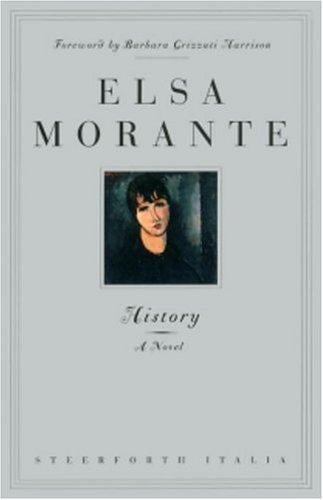
Start this bookNo. 18 on this list. History: A Novel · Elsa Morante · 1974
Included in: Bokklubben World Library
One of the most important Italian novels of the twentieth century. Controversial at publication but now widely recognized as a masterpiece.
Easy14 hours
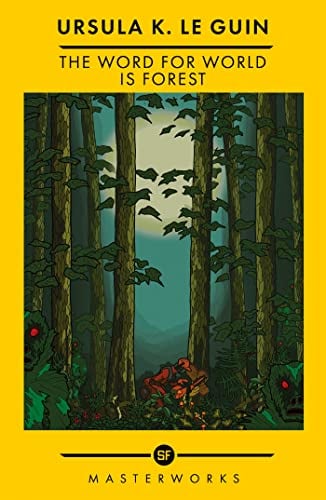
Start this bookNo. 19 on this list. The Word for World Is Forest · Ursula K Le Guin · 1972
A fixture in SF studies, environmental humanities, and postcolonial literature courses at universities worldwide. Le Guin's work overall is more canonically established than this single novella — it appears regularly on SF syllabi and ecocriticism reading lists, taught alongside texts like Octavia Butler's Kindred and Kim Stanley Robinson's Mars trilogy, though without the 2000+ syllabus presence of Beloved or The Great Gatsby.
Moderate2.5 hours
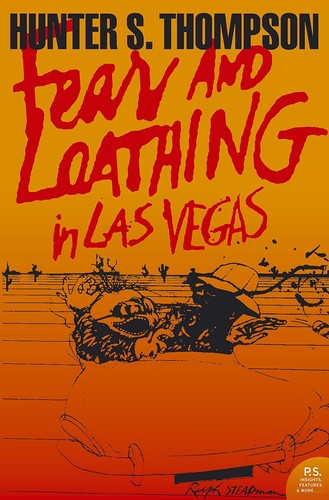
Start this bookNo. 20 on this list. Fear and Loathing in Las Vegas: A Savage Journey to the Heart of the American Dream · Hunter S. Thompson · 1998
Taught in journalism and postmodern American literature courses as the defining Gonzo text.
Very Easy2.6 hours
Start this book
No. 21 on this list. Count Julian · Juan Goytisolo · 1970
Count Julian (Reivindicación del conde don Julián, 1970), the middle novel of the trilogy begun with Marks of Identity, is a standard text in courses on the post-war Spanish novel. Banned in Franco's Spain, it is read in English in Helen Lane's translation.
Very Easy2.6 hours
Start this bookNo. 22 on this list. The Land at the End of the World · Antonio Lobo Antunes · 1979
A Portuguese military doctor sits in a Lisbon bar late at night, talking at a woman who says nothing. For the next two hundred pages he doesn't stop. What pours out is the twenty-seven months he spent as an army psychiatrist in Angola during Portugal's colonial war — the bodies, the malaria, the boredom, the complicity — braided with memories of a Lisbon childhood lived in the shadow of Salazar's dictatorship and the bourgeois Catholic family that produced him. The zoo near his parents' apartment returns again and again: the animals behind wire, the very upright black roller-skating instructor tracing his slow ellipses, the solitude of the giraffe. The zoo is not a metaphor he explains. It is simply there, and the reader assembles what it means. Antunes writes in a single sustained torrent — no chapters, no scene breaks, no mercy. The syntax piles subordinate clause on subordinate clause until a sentence has carried you from a specific smell in Angolan scrub to a childhood memory of an aunt's apartment to a direct address back to the silent woman and her motionless hands. The narrator presents himself as tender, self-aware, a victim. The text contradicts him at every turn. He watched things happen that he did not stop. Originally published in 1979 as Os Cus de Judas — a title the English publisher softened — this is the novel that announced Antunes as the defining voice of post-colonial Portuguese literature. It reads like Faulkner set in the ruins of empire, with the guilt turned inward until it can't be contained.
Moderate4 hours
Start this bookNo. 23 on this list. Tracks · Louise Erdrich · 1988
A central work in Erdrich's interconnected cycle and widely taught in American literature courses. Considered one of her strongest early novels.
Moderate4.1 hours
Start this bookNo. 24 on this list. Our Twisted Hero · Yi Munyol · 1987
One of the most widely read and taught works of modern Korean literature, both domestically and in translation.
Easy1.4 hours
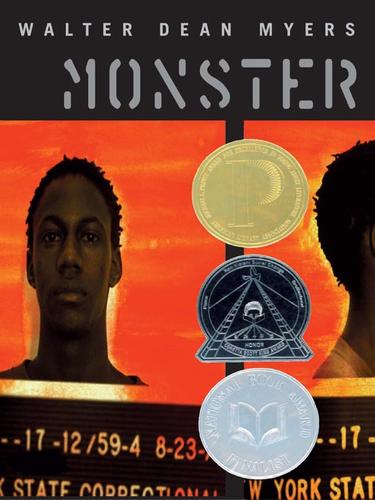
Start this bookNo. 25 on this list. Monster · Walter Dean Myers · 1999
Steve Harmon is sixteen years old and on trial for felony murder. He may have acted as a lookout for a Harlem drugstore robbery that left the owner dead — or he may not have. The question hangs over Walter Dean Myers's 1999 novel, which Steve narrates in the only form that makes sense to him: a screenplay. He writes himself as the protagonist, titles the film Monster — the word the prosecutor used to describe him — and cuts between courtroom scenes and flashback journal entries while his mother cries in the gallery and his lawyer calculates the odds. The form is not a gimmick. A screenplay externalizes action and dialogue while burying interiority in stage directions, and that gap is exactly where Myers puts the book's central problem: we watch Steve perform innocence without ever being certain whether we are watching performance or truth. The trial exposes Harlem's carceral machinery — the way young Black men get classified, processed, and destroyed — but Monster refuses to let that machinery fully explain Steve. He asks, on the last page, who he is. Myers doesn't answer. Readers will spend time after the last page deciding whether that's evasion or honesty, and what it says about how they read a defendant's face.
Easy1.7 hours
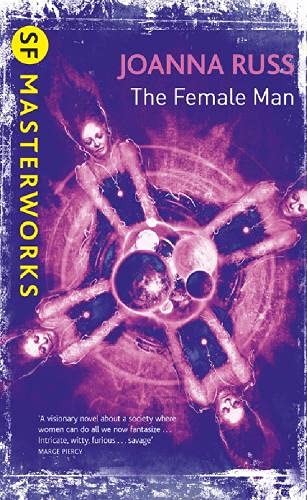
Start this bookNo. 26 on this list. The Female Man · Joanna Russ · 1975
The Female Man holds a secure place in university curricula for feminist theory, science fiction studies, and American literature courses. No syllabus data was available in the database, but the novel's reputation as a foundational feminist SF text ensures regular academic assignment. It is substantially more taught than genre novels but has not reached the universal curriculum presence of mainstream canonical texts.
Easy3.5 hours
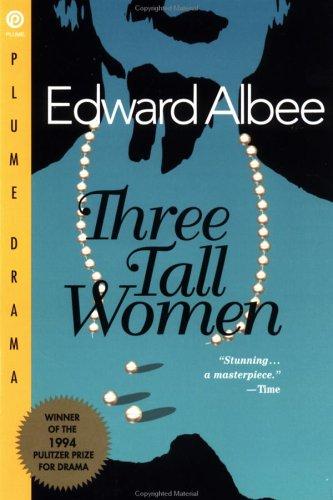
Start this bookNo. 27 on this list. Three Tall Women · Edward Albee · 1991
Pulitzer Prize winner and widely regarded as Albee's late masterpiece. A standard text in American drama courses and regularly revived in major productions.
Moderate1.1 hours
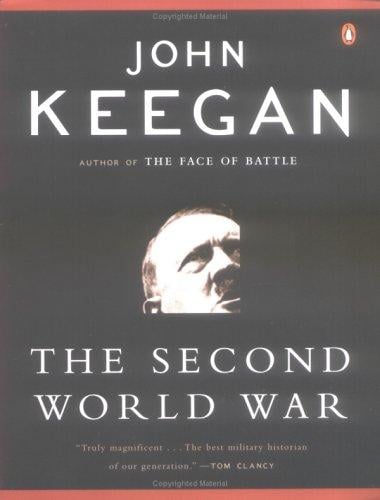
Start this bookNo. 28 on this list. The Second World War · John Keegan · 1989
Keegan's single-volume survey is widely considered one of the best introductions to the Second World War and appears on numerous military history reading lists. It has not, however, attained the canonical weight of Churchill's memoirs or the academic centrality of Gerhard Weinberg's scholarship, positioning it as a highly respected popular history rather than a foundational scholarly text.
Easy14 hours
Start this bookNo. 29 on this list. The Rock of Tanios · Amin Maalouf · 1993
Prix Goncourt winner. Important work of Francophone and Lebanese literature.
Easy4.3 hours
Start this bookNo. 30 on this list. Roots: The Saga of an American Family · Alex Haley · 1976
Roots is widely taught in American history and literature courses, and the 1977 miniseries made it a national event. It is a staple of African American literature curricula, though less universal than Beloved.
Easy11 hours
Start this book
No. 31 on this list. Dinner at the Homesick Restaurant
Anne Tyler · 1982
No. 32 on this list. The Sandman, Vol. 1: Preludes & Nocturnes
Neil Gaiman · 1998
No. 33 on this list. The Visit of the Royal Physician
Per Olov Enquist · 1999
No. 34 on this list. The Black Echo
Michael Connelly · 1992
No. 35 on this list. Winter in the Blood
James Welch · 1974
No. 36 on this list. Breakfast at Tiffany’s and Three Stories
Truman Capote · 1993
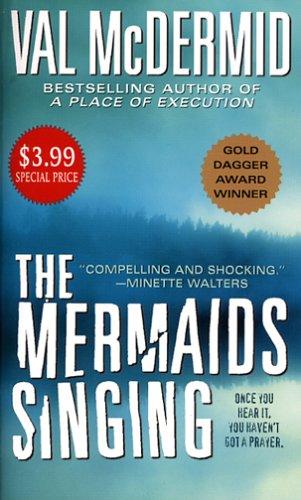
No. 37 on this list. The Mermaids Singing
Val McDermid · 1995
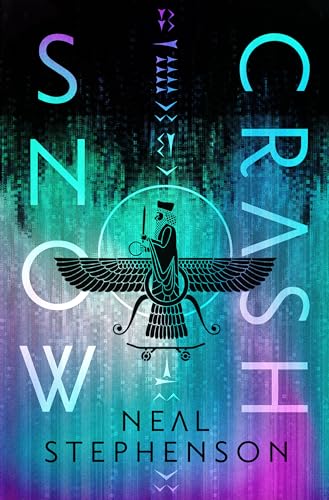
No. 38 on this list. Snow Crash
Neal Stephenson · 1992
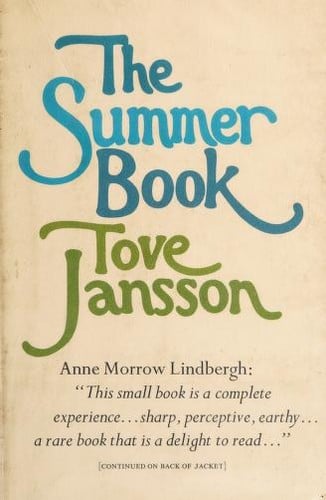
No. 39 on this list. The Summer Book
Tove Jansson · 1972
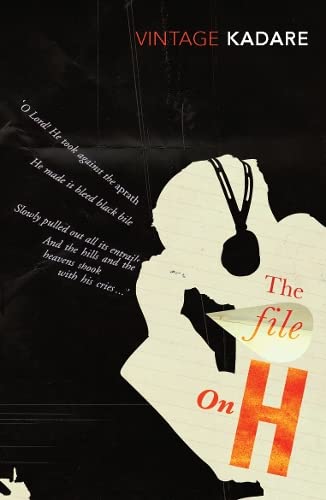
No. 40 on this list. The File on H.
Ismail Kadare · 1981
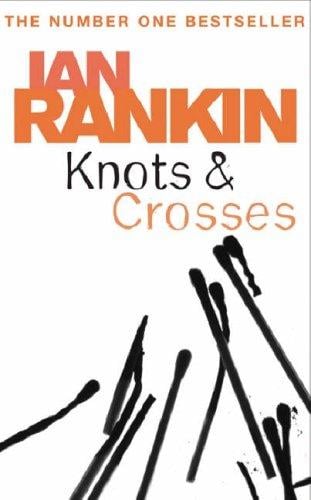
No. 41 on this list. Knots and Crosses
Ian Rankin · 1987
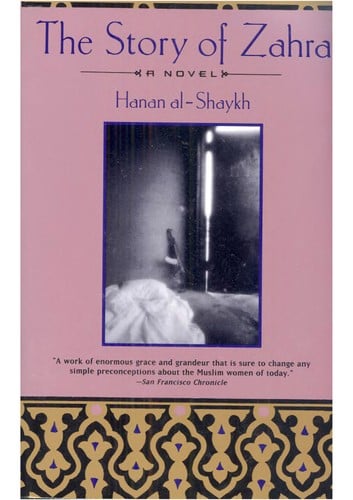
No. 42 on this list. The Story of Zahra
Hanan al-Shaykh · 1980
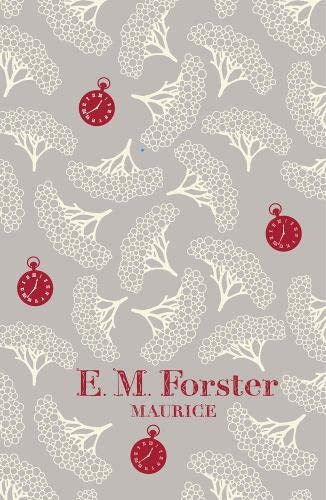
No. 43 on this list. Maurice
E.M. Forster · 1971
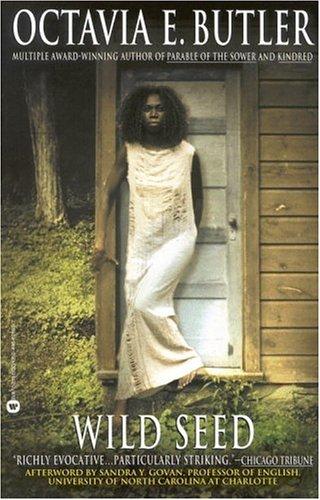
No. 44 on this list. Wild Seed
Octavia E. Butler · 1980
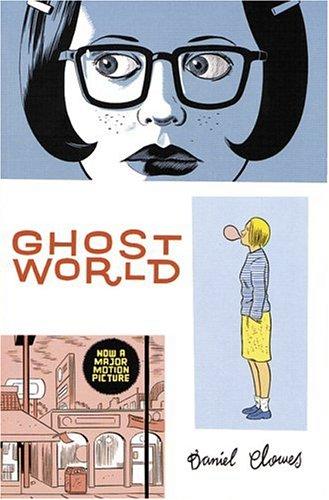
No. 45 on this list. Ghost World
Daniel Clowes · 1997
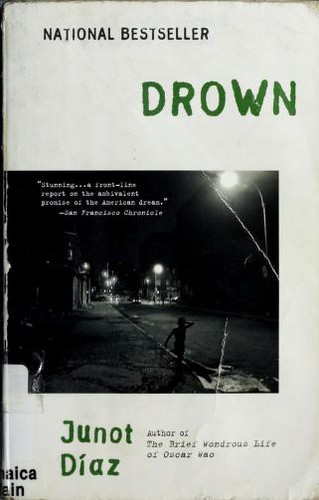
No. 46 on this list. Drown
Junot Diaz · 1996
No. 47 on this list. Simple Passion
Annie Ernaux · 1991
No. 48 on this list. Raise the Red Lantern
Su Tong · 1990
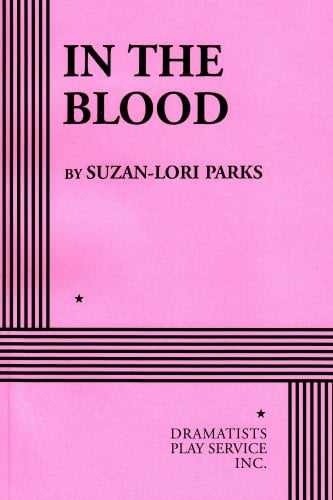
No. 49 on this list. In the Blood
Suzan-Lori Parks · 1999
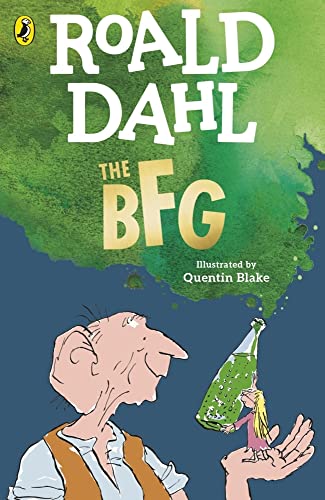
No. 50 on this list. The BFG
Roald Dahl · 1982
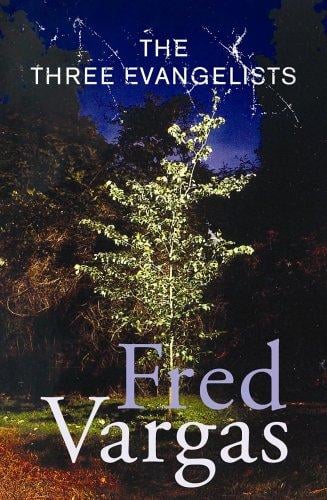
No. 51 on this list. The Three Evangelists
Fred Vargas · 1995
No. 52 on this list. The Witches
Roald Dahl · 1983
No. 53 on this list. The Accidental Tourist
Anne Tyler · 1985
No. 54 on this list. Woman Hollering Creek and Other Stories
Sandra Cisneros · 1991
No. 55 on this list. Holes
Louis Sachar · 1998
No. 56 on this list. A Broken Mirror
Mercè Rodoreda · 1974
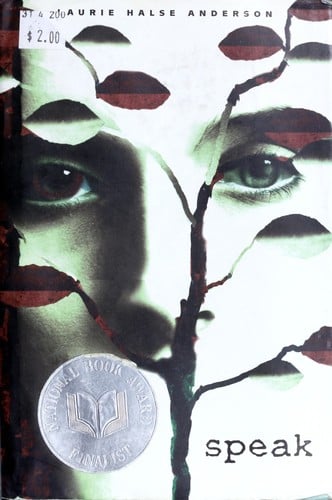
No. 57 on this list. Speak
Laurie Halse Anderson · 1999
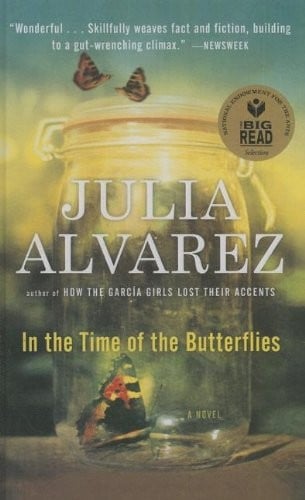
No. 58 on this list. In the Time of the Butterflies
Julia Alvarez · 1994
Taught in schools: UNAM Escuela Nacional Preparatoria – programas de Literatura (Mexico)
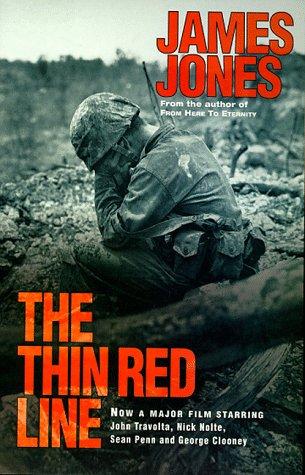
No. 59 on this list. The Thin Red Line
James Jones · 1998
No. 60 on this list. The Dragon Can't Dance
Earl Lovelace · 1979
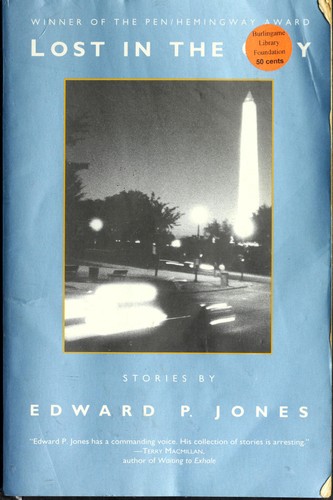
No. 61 on this list. Lost in the City
Edward P. Jones · 1992
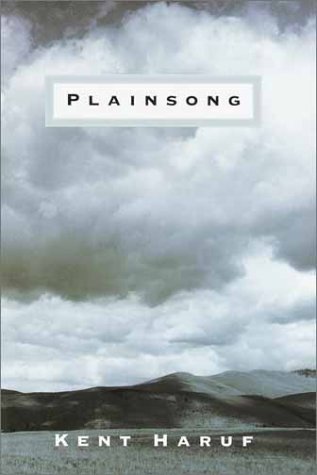
No. 62 on this list. Plainsong
Kent Haruf · 1999
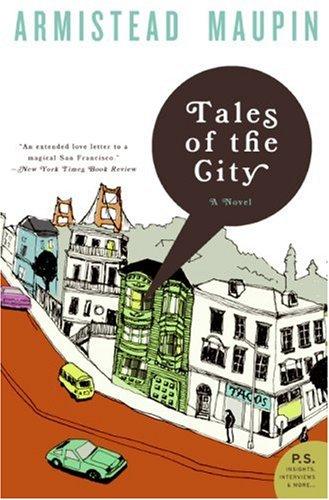
No. 63 on this list. Tales of the City
Armistead Maupin · 1978
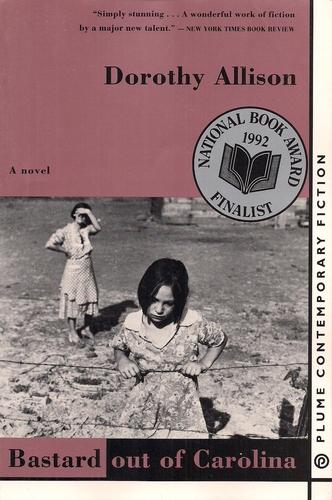
No. 64 on this list. Bastard Out of Carolina
Dorothy Allison · 1992
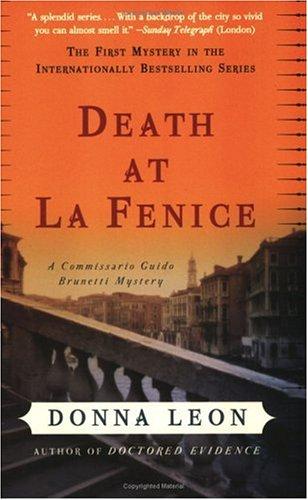
No. 65 on this list. Death at La Fenice
Donna Leon · 1992
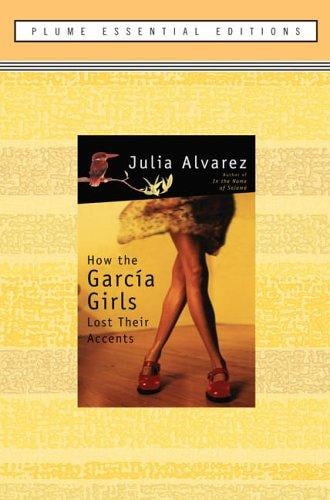
No. 66 on this list. How the Garcia Girls Lost Their Accents
Julia Alvarez · 1991
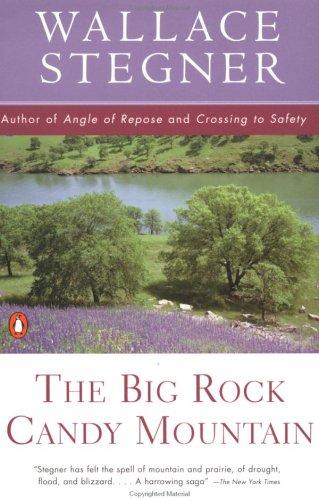
No. 67 on this list. The Big Rock Candy Mountain
Wallace Stegner · 1991
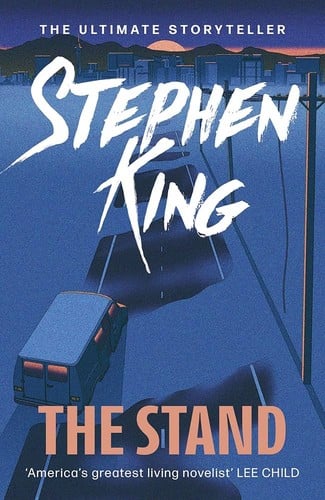
No. 68 on this list. The Stand
Stephen King · 1978
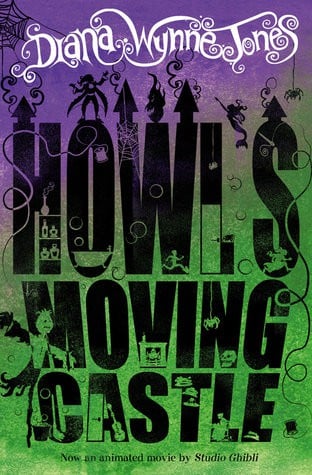
No. 69 on this list. Howl's Moving Castle
Diana Wynne Jones · 1986
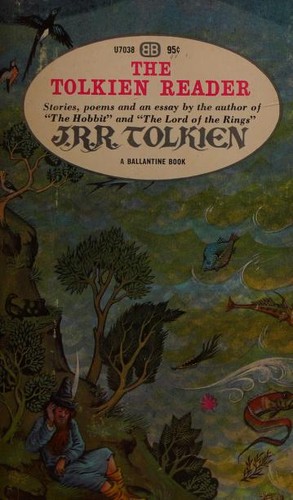
No. 70 on this list. The Tolkien Reader
J.R.R. Tolkien · 1966
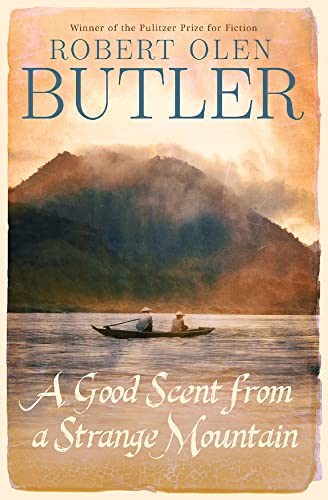
No. 71 on this list. A Good Scent from a Strange Mountain
Robert Olen Butler · 1993
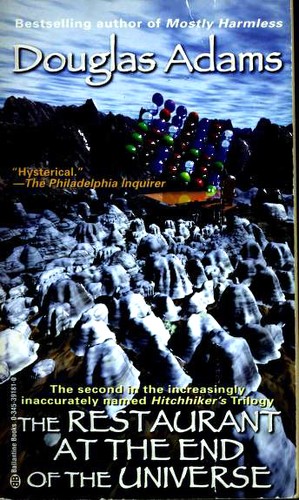
No. 72 on this list. The Restaurant at the End of the Universe
Douglas Adams · 1980
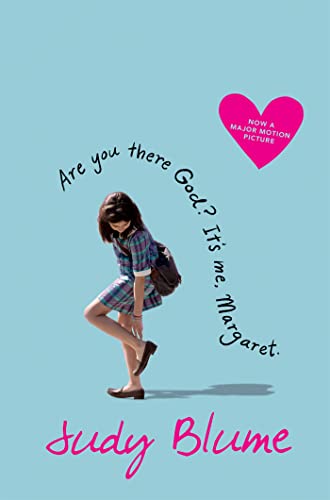
No. 73 on this list. Are You There God? It's Me, Margaret
Judy Blume · 1970
Taught in schools: CSEC English B – Caribbean Examinations Council
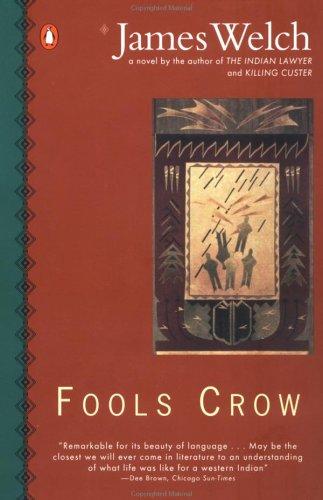
No. 74 on this list. Fools Crow
James Welch · 1986
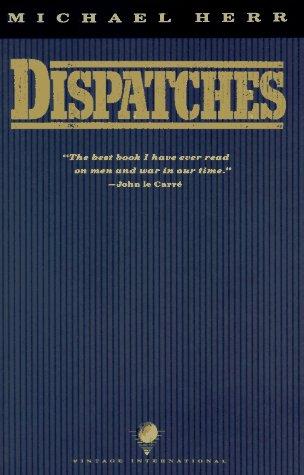
No. 75 on this list. Dispatches
Michael Herr · 1977
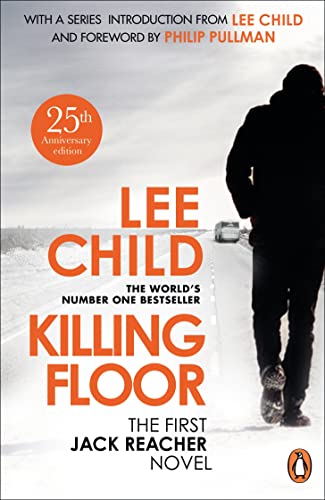
No. 76 on this list. Killing Floor
Lee Child · 1997
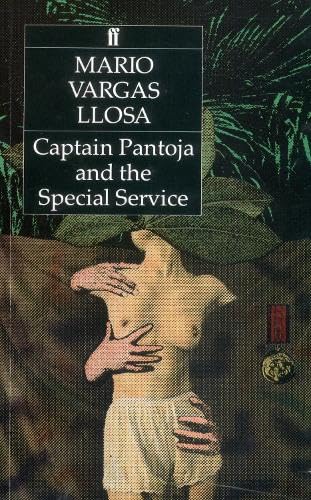
No. 77 on this list. Captain Pantoja and the Special Service
Mario Vargas Llosa · 1973
No. 78 on this list. Dying Inside
Robert Silverberg · 1972
No. 79 on this list. Bridge to Terabithia
Katherine Paterson · 1977
Taught in schools: Lithuanian literature curriculum (lietuvių kalba ir literatūra)
No. 80 on this list. A Dry White Season
André Brink · 1979
No. 81 on this list. Angels
Denis Johnson · 1983
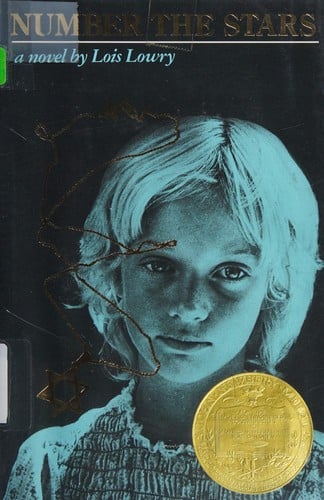
No. 82 on this list. Number the Stars
Lois Lowry · 1989
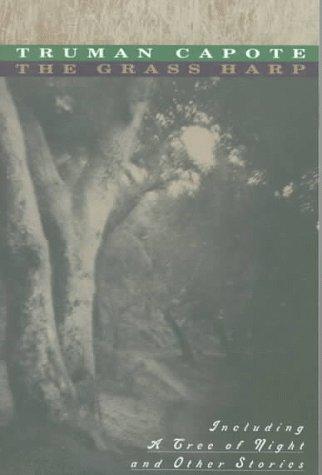
No. 83 on this list. The Grass Harp, Including A Tree of Night and Other Stories
Truman Capote · 1993
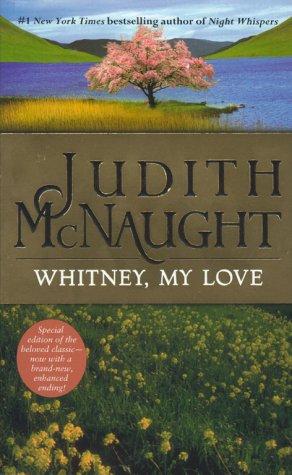
No. 84 on this list. Whitney, My Love
Judith McNaught · 1985
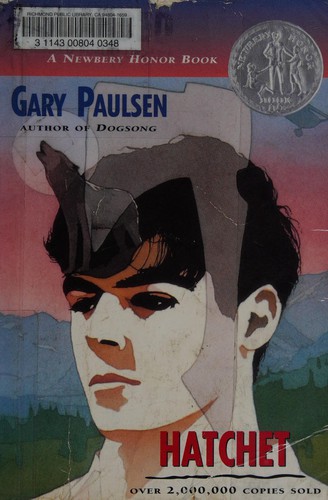
No. 85 on this list. Hatchet
Gary Paulsen · 1987
Taught in schools: Pacific Senior Secondary Certificate – English
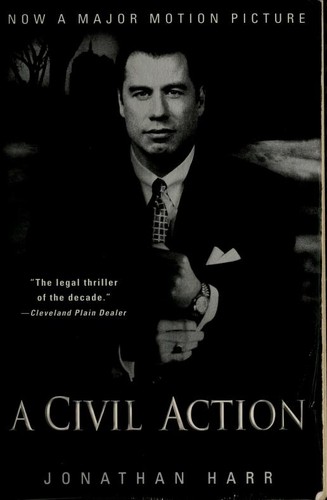
No. 86 on this list. A Civil Action
Jonathan Harr · 1995
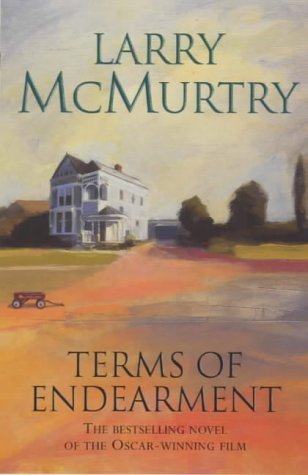
No. 87 on this list. Terms of Endearment
Larry McMurtry · 1975
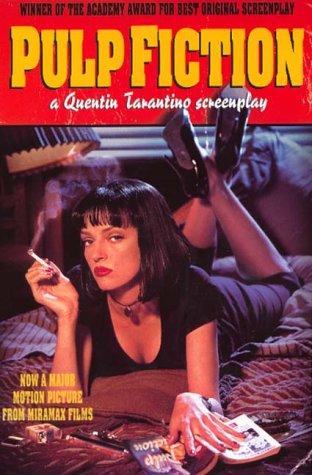
No. 88 on this list. Pulp Fiction: A Quentin Tarantino Screenplay
Quentin Tarantino · 1994
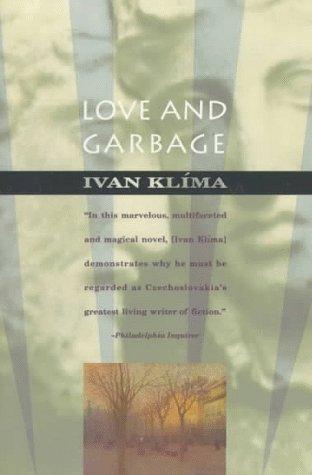
No. 89 on this list. Love and Garbage
Ivan Klima · 1986
No. 90 on this list. The Decagon House Murders
Yukito Ayatsuji · 1987
No. 91 on this list. Kitchen
Banana Yoshimoto · 1988
No. 92 on this list. Interview with the Vampire
Anne Rice · 1976
No. 93 on this list. The Rebel Angels
Robertson Davies · 1981
No. 94 on this list. Searching for Caleb
Anne Tyler · 1976
No. 95 on this list. Magician: Apprentice
Raymond E. Feist · 1982
No. 96 on this list. Strange Pilgrims
Gabriel García Márquez · 1992
No. 97 on this list. Out
Natsuo Kirino · 1997
No. 98 on this list. Contact
Carl Sagan · 1985
No. 99 on this list. The Thorn Birds
Colleen McCullough · 1977
No. 100 on this list. Rice
Su Tong · 1991
About this list
These 100 books are the highest-scoring eligible easy books of the late 20th century currently in the catalogue. About 479 hours of reading in all. Difficulty runs from 30 to 41 out of 100 for the middle half of the list; the summit is Collected Poems of Derek Walcott at 45.
This list is ranked by literary regard, with a consistent order for equal scores. Membership follows authors and co-authors, not translators or editors. A book is here when ReadingRate files it under Late 20th Century Literature as one of its primary reading domains, and only when its author’s lifetime places it in the period. Catalogue coverage and the historical canon both limit what this list can represent.
When we matched the Canons dataset to our catalogue in October 2026, our canonical-status scores rose with the number of school curricula, publisher series and lists in it that cite a work: the median score was 72 for books one such source cites, 84 at two, 88 at three, 92 at four and 93 at five or more. Prizes are left out of that count. Outside the state curricula, the dataset’s sources choose mostly from what has been translated into English or French, so it is a weaker check on other literatures. Source: Canons (Andrew Piper), CC BY 4.0
Questions people actually ask
- What are the best easy books of the late 20th century?
- By literary regard, which weighs canonical status, critical standing and influence: Maus I: A Survivor's Tale: My Father Bleeds History by Art Spiegelman, Selected Poems of Czesław Miłosz by Czesław Miłosz, Collected Poems of Derek Walcott by Derek Walcott, Borderlands/La Frontera: The New Mestiza by Gloria Anzaldua and This Earth of Mankind by Pramoedya Ananta Toer. ReadingRate ranks 100 such books, each with a difficulty score and a reading-time estimate.
- Which easy books of the late 20th century should I read first?
- Start from difficulty, not from rank. The most approachable books on this list that still carry top literary regard are Maus I: A Survivor's Tale: My Father Bleeds History by Art Spiegelman (about 2.2 hours), This Earth of Mankind by Pramoedya Ananta Toer and The Wind-Up Bird Chronicle by Haruki Murakami.
- What are the shortest of the best easy books of the late 20th century?
- Among the top 25, the shortest are A Part of Speech by Joseph Brodsky (about 17 min), Blasted by Sarah Kane (about 46 min) and Seeing Things by Seamus Heaney (about 57 min), at an average pace of 250 words a minute adjusted for each book's difficulty.
- Which of the best easy books of the late 20th century are the established classics?
- By canonical status, how firmly a book sits in curricula, anthologies and the canon: To Kill a Mockingbird by Harper Lee, Maus I: A Survivor's Tale: My Father Bleeds History by Art Spiegelman, Selected Poems of Czesław Miłosz by Czesław Miłosz, Collected Poems of Derek Walcott by Derek Walcott and Borderlands/La Frontera: The New Mestiza by Gloria Anzaldua.
- How long would it take to read the top ten?
- About 42 hours, at an average pace of 250 words a minute adjusted for each book's difficulty: 22 days at two hours a day. Set your own pace on the page and the list's reading times change to it.
- How hard are easy books of the late 20th century to read?
- Most of this list sits between 30 and 41 on ReadingRate's 100-point difficulty scale, where 40 to 55 is moderate. The summit is Collected Poems of Derek Walcott at 45. Every entry carries its own score, so a reader can pick a great book at a difficulty they will finish.
- How is this list ranked?
- On literary-regard data: how canonically established a work is, its critical standing, and its influence on later writing. It is not a readers’ poll, which is why recent bestsellers rarely appear. Membership follows authors and co-authors, not translators or editors. Lists by country, author, period, theme or difficulty keep to literature (fiction, poetry, drama and philosophy), their novels, poems and plays first and their philosophy after them; a list of a kind of book, such as memoir or criticism, keeps every book of that kind. Every list holds at most three works by one author. A book is here when ReadingRate files it under Late 20th Century Literature as one of its primary reading domains, and only when its author’s lifetime places it in the period.