Hours at an average pace
Showing 100 books
About 1,209 hours for 100 of 100 books with measured lengths. Estimates use 250 words a minute, adjusted for each book's difficulty. At 2 hours a day, about 605 days for those books.
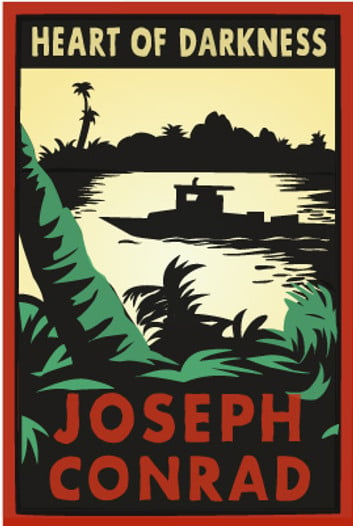
No. 1 on this list. Heart of Darkness
Joseph Conrad · 1899
Challenging4 hours
Taught in schools: Pacific Senior Secondary Certificate – English, Pearson Edexcel GCSE and A-level English Literature (UK)
Included in: Great Books of the Western World
Appears on 5,515 university syllabi according to Open Syllabus (93.5th percentile), placing it above The Great Gatsby in teaching frequency. Listed on the Modern Library 100 Best Novels (1998) and consistently featured on 'essential reading' lists. Wikipedia articles exist in 49 languages, reflecting global canonical reach.
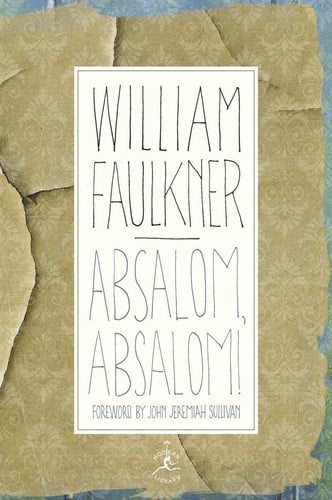
No. 2 on this list. Absalom, Absalom!
William Faulkner · 1936
Difficult18 hours
Included in: Bokklubben World Library
Faulkner retold the story of the South's racial catastrophe through sentences that coil and branch like kudzu, with four narrators across a century reconstructing a plantation patriarch's crime and its consequences. The novel is the most structurally ambitious work in American fiction — a detective story about history itself, in which the clues are voices and the evidence is contradictory.
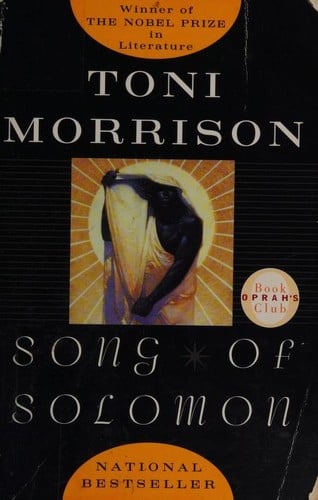
Morrison sent a young Black man on a mythic quest through four generations of his family's buried history, fusing African-American folklore, biblical allusion, and the cadences of blues and gospel into a narrative structure no American novel had attempted before. The novel proved that flight — literal and metaphorical — could carry the full weight of Black American experience from slavery to self-knowledge.
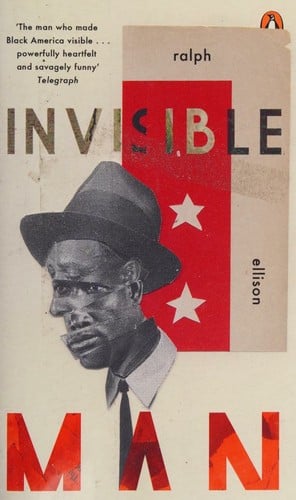
No. 4 on this list. Invisible Man
Ralph Ellison · 1953
Difficult22 hours
Included in: Bokklubben World Library
Appears on 2,200 university syllabi (83rd percentile among all tracked works), making it one of the most-taught American novels in higher education. Included on the Modern Library 100 Best Novels, TIME's All-TIME 100 Novels, and 1001 Books You Must Read Before You Die. Its Wikipedia article spans 17 languages, reflecting steady global reach.
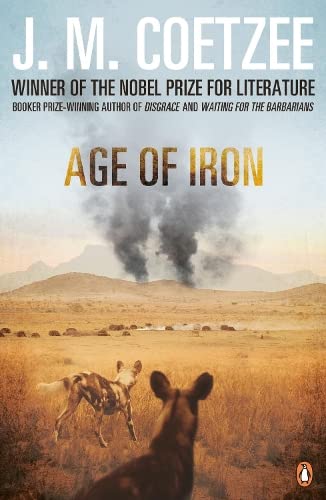
Age of Iron occupies a secure place in the Coetzee canon alongside Disgrace and Waiting for the Barbarians, and is regularly included in postcolonial and South African literature curricula worldwide. Its apartheid-era historical weight gives it documentary as well as aesthetic canonical status.
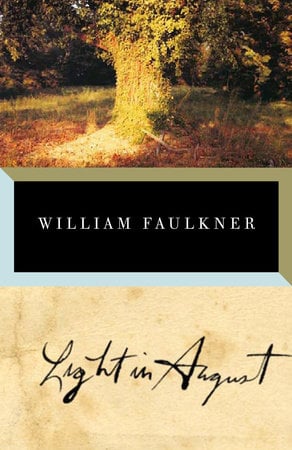
Faulkner's most accessible major novel. Joe Christmas's search for identity became the definitive portrait of American racial tragedy. Core text in Southern literature and American studies.
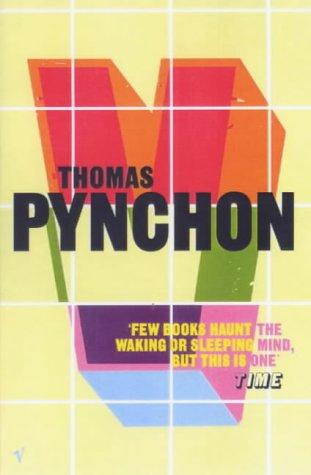
V. appears on hundreds of university syllabi in American literature, postmodernism, and world fiction courses, and is consistently ranked among the essential American novels of the twentieth century by critics and scholars. It appears on the Modern Library 100 Best Novels list and Time magazine's All-TIME 100 Novels. Less universally assigned than Pynchon's Gravity's Rainbow in terms of academic prestige, but the more frequently taught first novel in postmodern American fiction sequences.
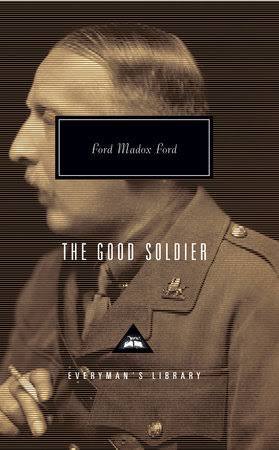
Appears on 473 university syllabi (67th percentile in Open Syllabus), placing it firmly in the modernist teaching canon alongside Conrad and early Lawrence. Listed on the Modern Library 100 Best Novels. A standard text in courses on British modernism and narrative technique, though less universally assigned than Woolf or Joyce.
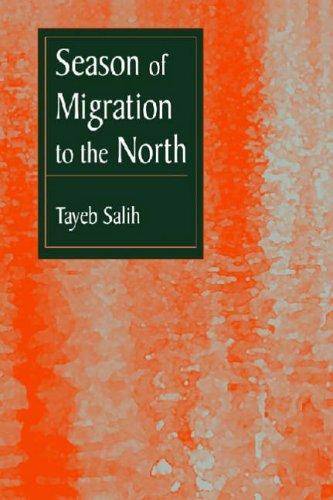
No. 9 on this list. Season of Migration to the North
Tayeb Salih · 1966
Challenging4.8 hours
Included in: Bokklubben World Library, Heinemann African Writers Series
Most widely studied Arabic novel in translation; taught alongside Conrad.
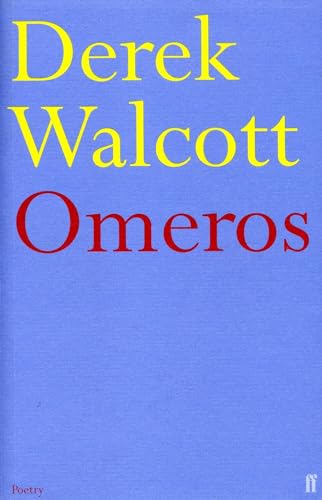
Winner of the Nobel Prize in Literature (1992, shortly after publication). Widely taught in postcolonial literature courses and contemporary poetry seminars. Included in Harold Bloom's Western Canon. Frequently anthologized in major poetry collections and world literature surveys. Recognized as defining achievement in Caribbean/postcolonial epic tradition.
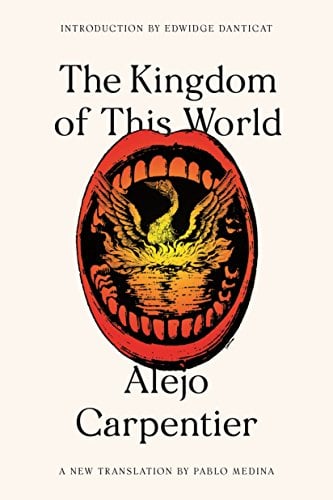
No. 11 on this list. The Kingdom of This World · Alejo Carpentier · 1949
Taught in schools: Literatura, Diseño Curricular – Provincia de Buenos Aires (Argentina)
The Kingdom of This World is widely taught in Latin American literature courses and postcolonial studies programs worldwide. The novel launched the concept of 'lo real maravilloso' (the marvelous real), which Carpentier articulated in its famous prologue — making it a required theoretical as well as literary text. No specific syllabus count data is available, but its presence on comparative literature and world fiction syllabi is consistent and decades-long.
Challenging2.7 hours
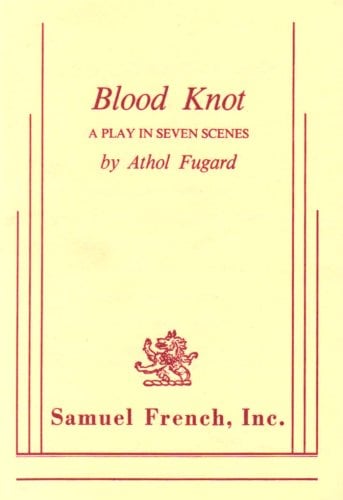
Start this bookNo. 12 on this list. Blood Knot · Athol Fugard · 1961
Fugard's breakthrough play and a foundational work of South African theater. Widely taught and performed as a landmark of anti-apartheid drama.
Difficult7 hours
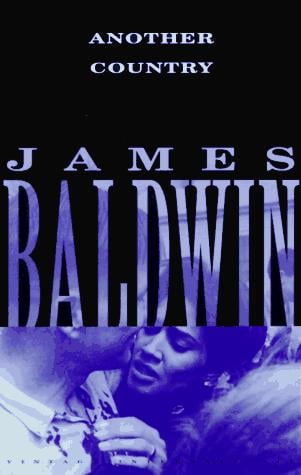
Start this bookNo. 13 on this list. Another Country · James Baldwin · 1962
Another Country appears regularly in American literature, African American studies, and queer studies syllabi at universities across the United States. It is considered essential reading alongside Giovanni's Room and Go Tell It on the Mountain within Baldwin's body of work, and features on most canonical lists of 20th-century American fiction. Its frank treatment of race and sexuality in 1962 established it as a landmark text taught wherever those intersections are examined.
Difficult16 hours
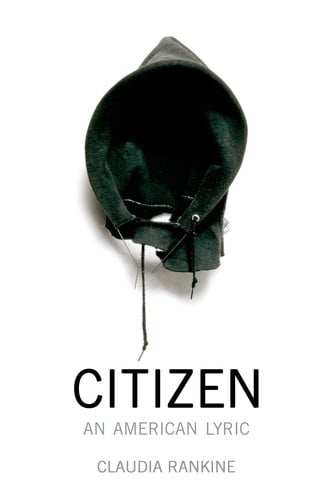
Start this bookNo. 14 on this list. Citizen: An American Lyric · Claudia Rankine · 2014
Citizen has become required reading across university courses in American literature, race studies, creative writing, and cultural criticism within a decade of its 2014 publication—a speed of canonization rarely seen in contemporary poetry. It appears on hundreds of syllabi and on nearly every 'essential American poetry' list of the 2010s. Its Wikipedia article exists in multiple languages, and the book is cited in academic work across disciplines from legal theory to art history.
Difficult1.7 hours
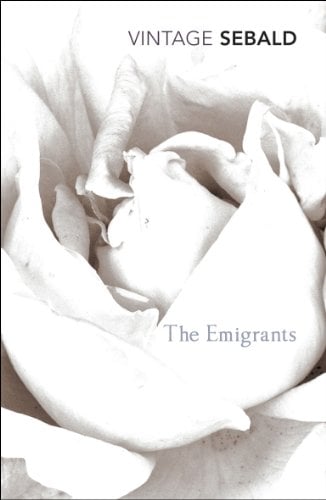
Start this bookNo. 15 on this list. The Emigrants · W.G. Sebald · 1992
The Emigrants is widely taught in contemporary world literature, post-WWII German literature, and Holocaust literature courses, though it lacks the mass-curriculum presence of more canonical texts. It appears regularly on 'best novels of the 20th century' lists — including The Guardian's 100 Best Novels in English — and is considered essential reading in serious literary circles. Its canonical status is high within literary academia but limited compared to texts like Beloved or One Hundred Years of Solitude.
Difficult7.6 hours
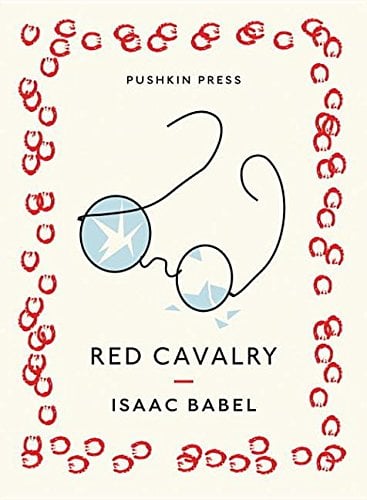
Start this bookNo. 16 on this list. Red Cavalry · Isaac Babel · 1926
Isaac Babel spent six weeks riding with Budyonny's First Cavalry Army during the 1920 Polish-Soviet War and came back with thirty-five stories that read like dispatches from a world being destroyed while it still believes itself alive. The narrator, Lyutov — a bespectacled Jewish intellectual from Odessa — rides with Cossacks who slaughter without hesitation and then sleep soundly, and he watches them with a hunger he never admits and a horror he never names. In 'My First Goose,' Lyutov kills a goose to prove himself worthy of his billet; the act costs him something the story refuses to specify. In 'The Rabbi's Son,' a young Hasidic revolutionary dies clutching manuscripts of Hebrew poetry alongside Communist pamphlets. Babel writes in sentences so compressed they feel pressurized — the lyrical and the brutal occupy the same clause without canceling each other out. A dying horse, a looted synagogue, a father shot by his son: each image arrives exact and then Babel moves on, leaving the weight for the reader to carry. The collection refuses to resolve whether the revolution justified its violence, whether Lyutov ever earned his place among the Cossacks, or whether the Jewish civilization being trampled deserved to survive. Babel was arrested in 1939 and shot in 1940. These stories are what he left.
Challenging4.2 hours
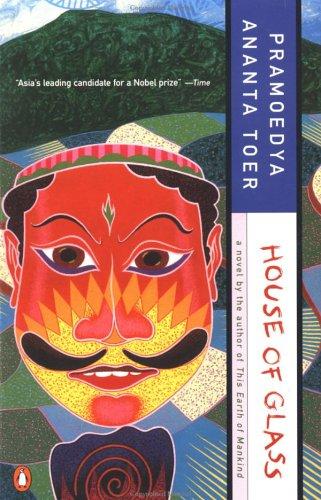
Start this bookNo. 17 on this list. House of Glass · Pramoedya Ananta Toer · 1988
House of Glass is the concluding volume of the Buru Quartet, which is universally regarded as the most important work of Indonesian literature and one of the defining anticolonial novels of the twentieth century. It appears on numerous world literature reading lists and is taught at universities across Southeast Asia, Europe, and North America, though its presence in Western canons is less robust than its literary standing merits.
Difficult20 hours
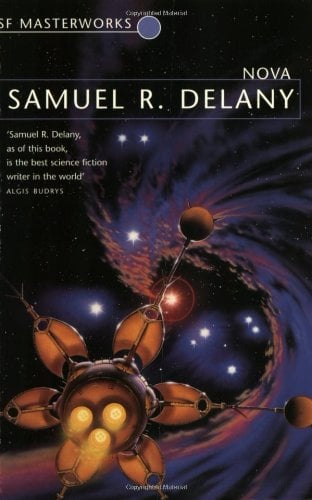
Start this bookNo. 18 on this list. Nova · Samuel R. Delany · 1968
Nova holds a firm place in the SF literary canon, included in the SF Masterworks series and cited as a defining text of the New Wave movement. Its standing is strong within genre criticism but has not fully crossed into mainstream literary canonization.
Difficult9.9 hours
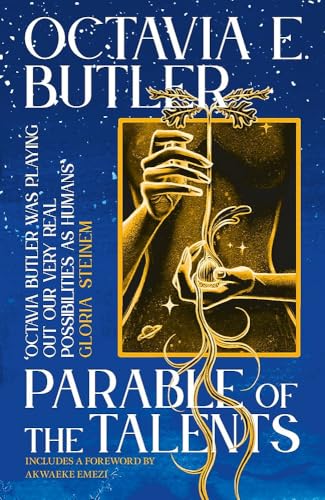
Start this bookNo. 19 on this list. Parable of the Talents · Octavia E. Butler · 1998
Winner of the Nebula Award for Best Novel (1999). Widely taught in speculative fiction, Afrofuturism, and American dystopia courses. The Parable duology is among the most assigned works in contemporary SF syllabi and is firmly canonical within the genre; its canonical standing in broader American literary culture continues to grow.
Challenging13 hours
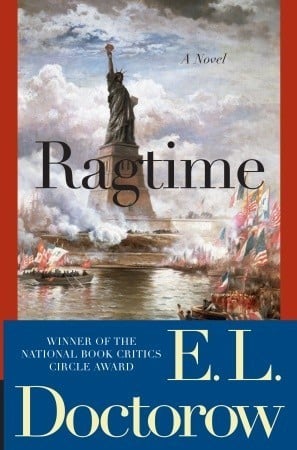
Start this bookNo. 20 on this list. Ragtime · E.L. Doctorow · 1975
Ragtime appears on 558 university syllabi according to Open Syllabus (68.7th percentile) and has Wikipedia articles in 56 languages. It holds a position on both the Modern Library 100 Best Novels and TIME's All-TIME 100 Novels lists, placing it firmly within the recognized American literary canon, though below the most-taught texts like Gatsby or Mockingbird.
Difficult8.9 hours
Start this book
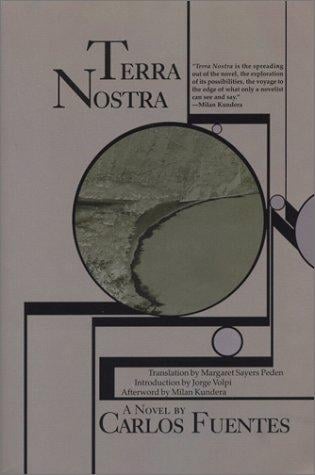
No. 21 on this list. Terra Nostra · Carlos Fuentes · 1975
Terra Nostra is widely recognized as a canonical work of postmodern historical fiction and is regularly assigned in Latin American literature graduate courses and world literature programs. It appears consistently on critical lists of the greatest novels of the 20th century (including Harold Bloom's Western Canon), though it remains less universally assigned than One Hundred Years of Solitude. The novel's standing is secure in academic literary culture but requires significant dedication from general readers, limiting its reach beyond specialist contexts.
Difficult57 hours
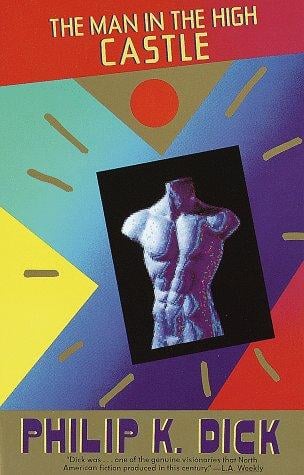
Start this bookNo. 22 on this list. The Man in the High Castle · Philip K. Dick · 1962
In 1962, the Axis won World War II. Japan administers the Pacific States of America; Germany controls the Eastern Seaboard. Robert Childan sells antique Americana to Japanese collectors in San Francisco, calculating every bow and honorific. Frank Frink fabricates jewelry in a back room, hiding the fact that he is Jewish. Juliana Frink, his ex-wife, teaches judo in a Colorado canyon town and picks up an Italian truck driver who seems too interested in a banned novel called The Grasshopper Lies Heavy — a book in which the Allies won. Philip K. Dick runs the whole novel through the I Ching: characters consult it, the author used it to write the book, and the novel's structure mirrors its logic of shifting hexagrams and ambiguous counsel. The result is a story that keeps asking whether any version of reality — the one we're reading, the one the characters inhabit, the one the banned novel imagines — is the true one. What makes the book strange is its texture: small commercial anxieties, racial hierarchies, fake antiques, and authentic ones, all rendered with documentary flatness while the ground shifts beneath every scene. Dick writes a world built on lies and asks, without ever quite answering, whether truth is something that can be recovered or only glimpsed.
Difficult9 hours
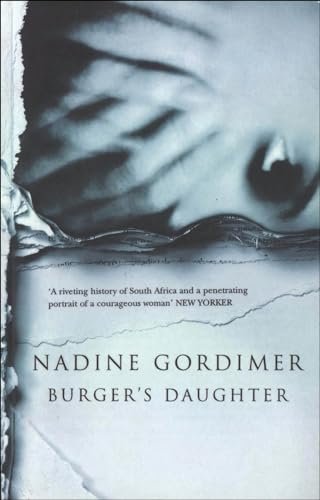
Start this bookNo. 23 on this list. Burger's Daughter · Nadine Gordimer · 1979
Burger's Daughter appears on 68 university syllabi (Open Syllabus Project, 45.8th percentile), placing it firmly in postcolonial and African literature courses though not in the top tier of globally canonical texts. Wikipedia articles exist in 7 languages — modest compared to landmark novels — but the article runs to over 61,000 characters and includes a dedicated reception section, indicating sustained critical discourse.
Challenging13 hours
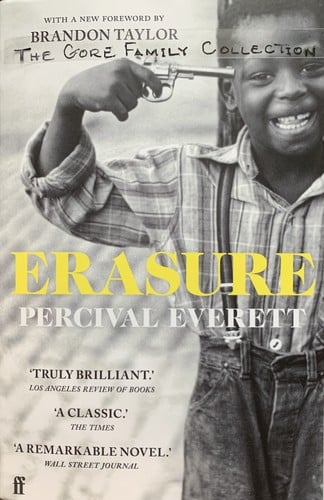
Start this bookNo. 24 on this list. Erasure · Percival Everett · 2001
Increasingly recognized as a major American novel, especially after the film adaptation American Fiction and Everett's Pulitzer Prize win for James.
Difficult12 hours
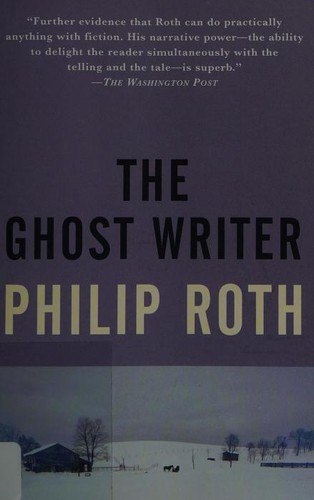
Start this bookNo. 25 on this list. The Ghost Writer · Philip Roth · 1979
The Ghost Writer is taught in American literature and Jewish-American literature courses at the university level, and as the inaugural Nathan Zuckerman novel it anchors one of postwar American fiction's most significant novel sequences. It appears regularly on graduate syllabi for postwar American fiction and meta-fiction, though it is less universally assigned than Roth's Pulitzer-winning American Pastoral.
Difficult5.9 hours
Start this bookNo. 26 on this list. A Tomb for Boris Davidovich · Danilo Kiš · 1976
Danilo Kiš's best-known work is a fixture of courses on East European literature and on fiction about totalitarianism, and it stands at the centre of the modern Yugoslav canon. Its English edition appeared in Penguin's Writers from the Other Europe series, edited by Philip Roth.
Challenging4.3 hours
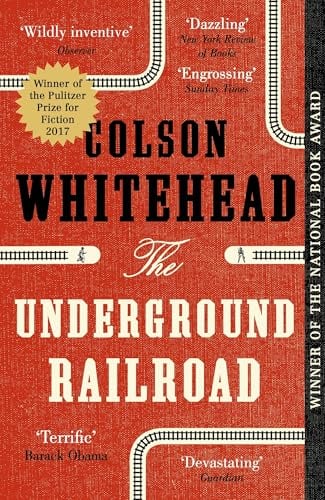
Start this bookNo. 27 on this list. The Underground Railroad · Colson Whitehead · 2016
Taught in schools: Leaving Certificate English – NCCA / State Examinations Commission (Ireland)
Appears on 438 university syllabi (66th percentile by Open Syllabus), with a Wikipedia article in 43 languages and a substantial 161,000-character entry. The novel has entered American literature curricula rapidly since its 2016 publication, though it has not yet reached the multi-decade saturation of older canonical works like Beloved.
Challenging8.1 hours
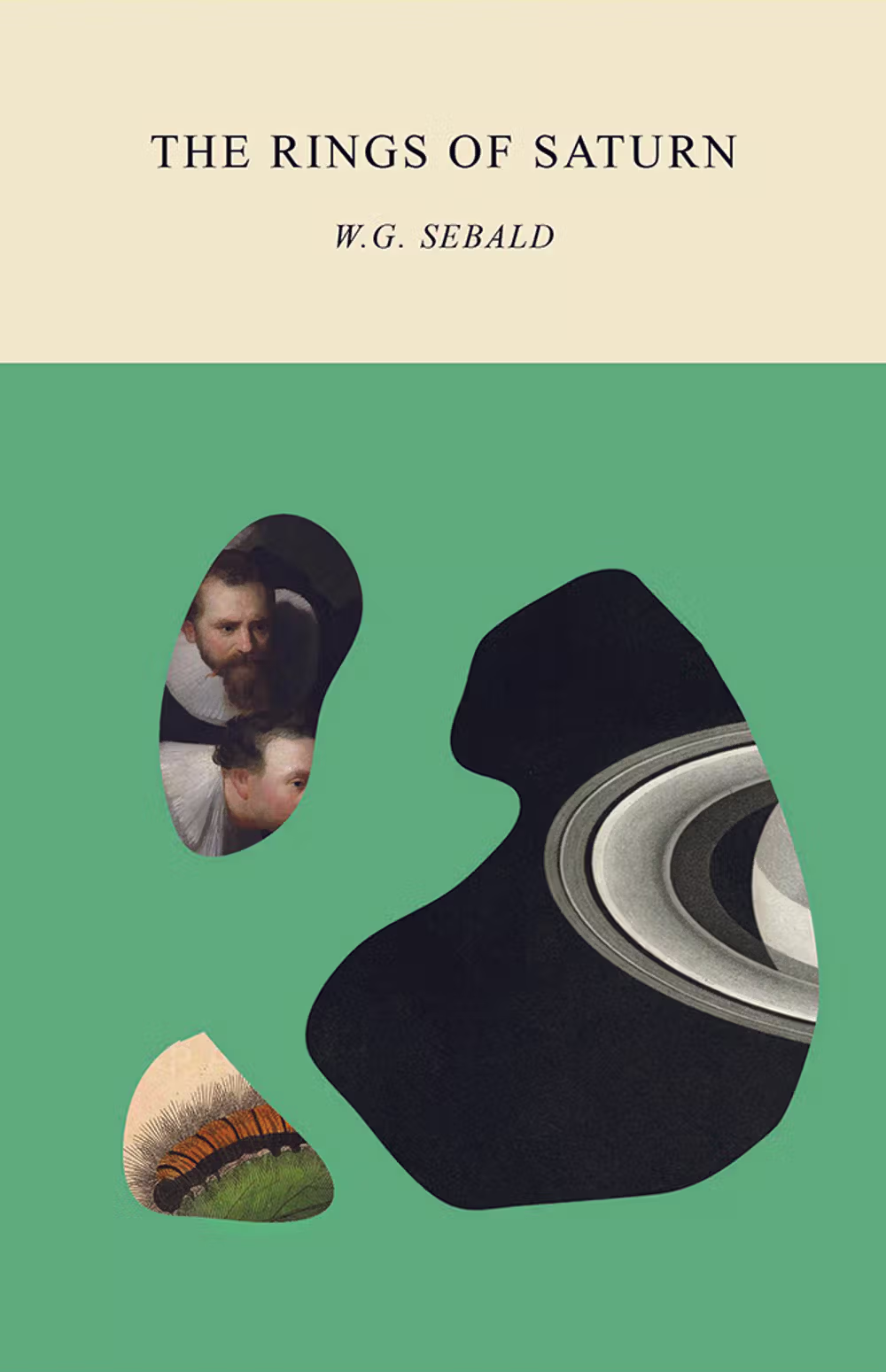
Start this bookNo. 28 on this list. The Rings of Saturn · W.G. Sebald · 1995
The Rings of Saturn appears regularly on graduate syllabi in contemporary literature, world literature, and postcolonial studies, and is frequently cited in lists of essential late-twentieth-century prose. It has not yet achieved the curriculum ubiquity of Beloved or The Great Gatsby, but among serious literary readers it is considered essential Sebald. Its status is rising as Sebald's reputation consolidates.
Difficult8.4 hours
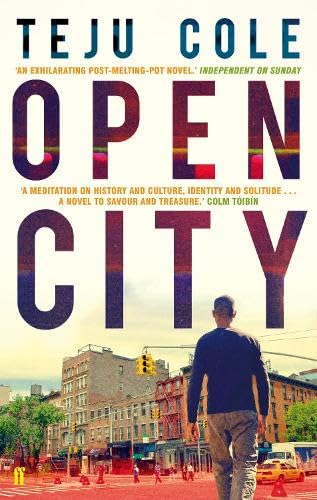
Start this bookNo. 29 on this list. Open City · Teju Cole · 2011
Open City appears on multiple major best-novels-of-the-21st-century lists (The Guardian, Time magazine, NPR) and is widely taught in postcolonial, contemporary fiction, and American literature university courses. It has established canonical status within its decade, though it remains more recent than the settled canon.
Difficult11 hours
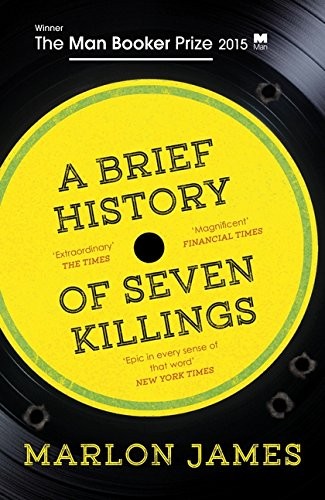
Start this bookNo. 30 on this list. A Brief History of Seven Killings · Marlon James · 2015
Man Booker Prize winner 2015 — a major imprimatur. Appears on 176 syllabi across university courses in postcolonial literature, Caribbean studies, and contemporary fiction. Twelve Wikipedia language editions. Growing but not yet settled canonical presence; it is a recent prize winner still being absorbed into the curriculum rather than a fixture taught for decades. First Caribbean-born writer to win the Booker Prize, which marks its cultural significance.
Difficult26 hours
Start this book
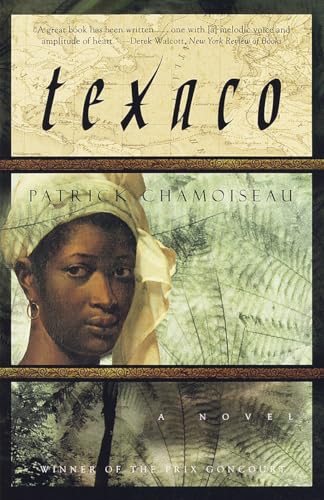
No. 31 on this list. Texaco
Patrick Chamoiseau · 1992
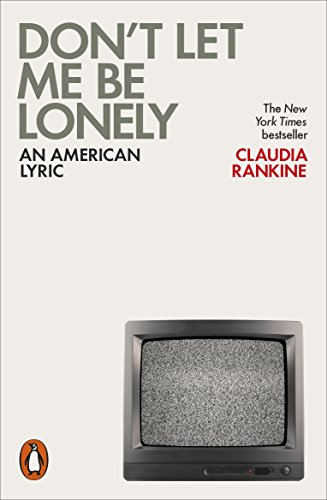
No. 32 on this list. Don't Let Me Be Lonely
Claudia Rankine · 2004
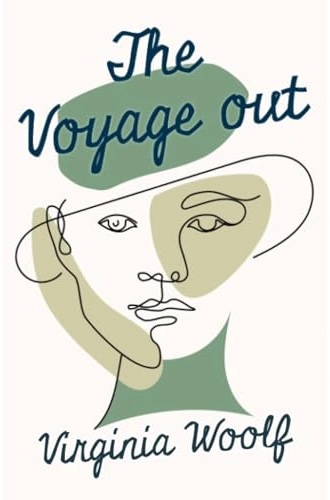
No. 33 on this list. The Voyage Out
Virginia Woolf · 1915
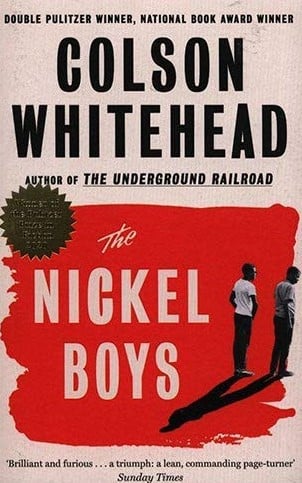
No. 34 on this list. The Nickel Boys
Colson Whitehead · 2019
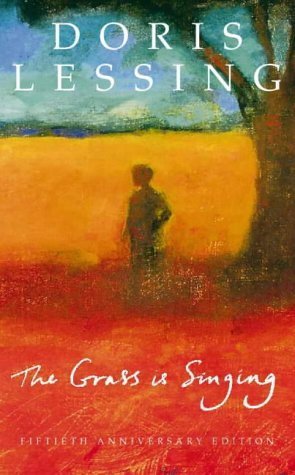
No. 35 on this list. The Grass is Singing
Doris Lessing · 1950
Taught in schools: CSEC English B – Caribbean Examinations Council
Included in: Heinemann African Writers Series
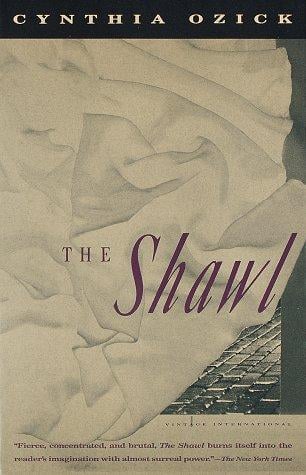
No. 36 on this list. The Shawl
Cynthia Ozick · 1989
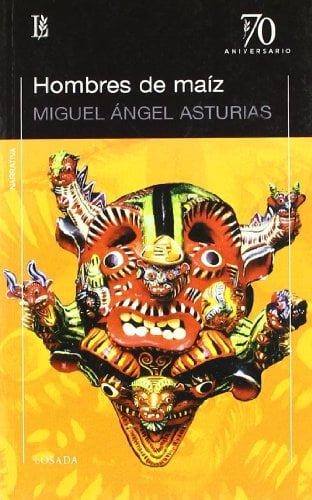
No. 37 on this list. Men of Maize
Miguel Ángel Asturias · 1949
Taught in schools: Literatura, Diseño Curricular – Provincia de Buenos Aires (Argentina), UNAM Escuela Nacional Preparatoria – programas de Literatura (Mexico)
Included in: UNESCO Collection of Representative Works
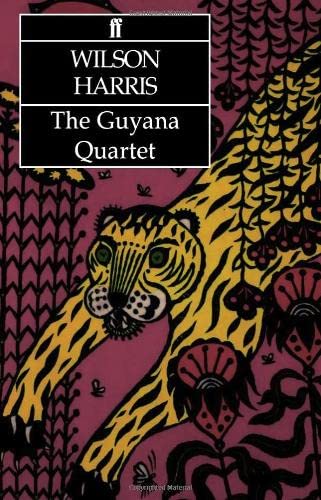
No. 38 on this list. The Guyana Quartet
Wilson Harris · 1985
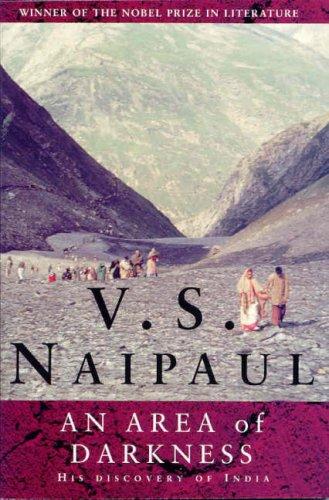
No. 39 on this list. The Mimic Men
V.S. Naipaul · 1967
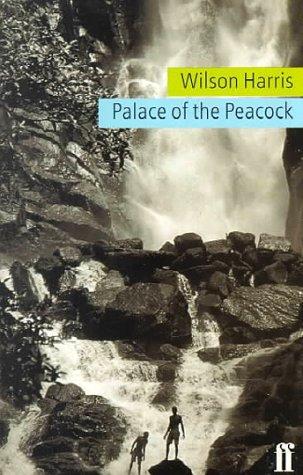
No. 40 on this list. Palace of the Peacock
Wilson Harris · 1960
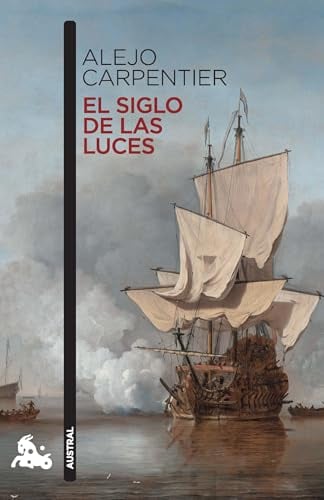
No. 41 on this list. Explosion in a Cathedral
Alejo Carpentier · 1962
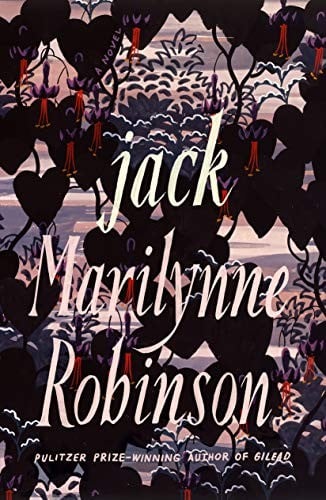
No. 42 on this list. Jack
Marilynne Robinson · 2020
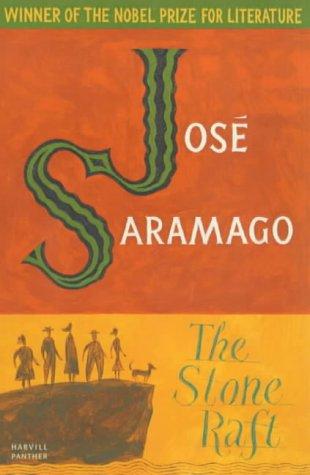
No. 43 on this list. The Stone Raft
José Saramago · 1986
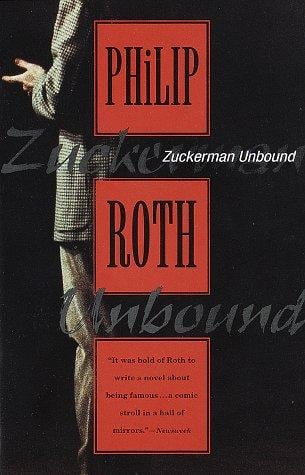
No. 44 on this list. Zuckerman Unbound
Philip Roth · 1981
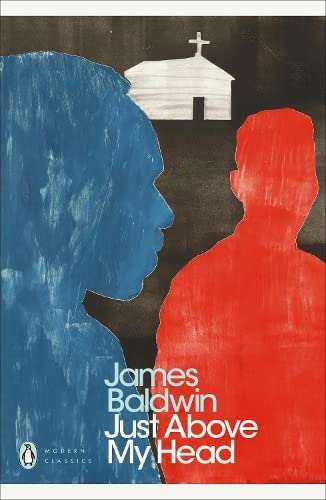
No. 45 on this list. Just Above My Head
James Baldwin · 1979
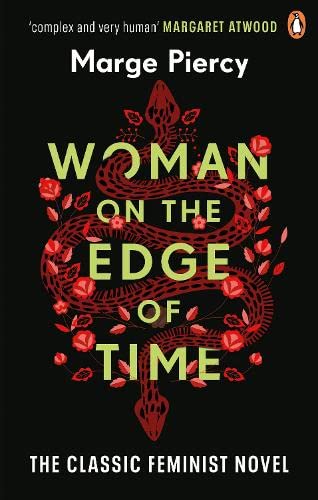
No. 46 on this list. Woman on the Edge of Time
Marge Piercy · 1976
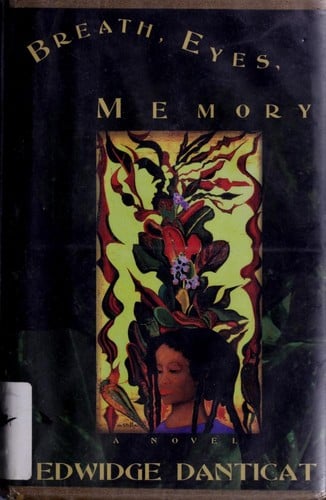
No. 47 on this list. Breath, Eyes, Memory
Edwidge Danticat · 1994
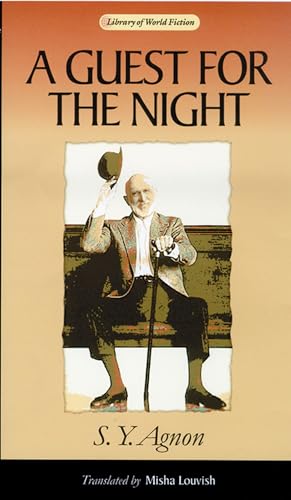
No. 48 on this list. A Guest for the Night
Shmuel Yosef Agnon · 1939
No. 49 on this list. The Sellout
Paul Beatty · 2016
No. 50 on this list. Nervous Conditions
Tsitsi Dangarembga · 1988
Taught in schools: Lesotho literature in English
No. 51 on this list. Under the Volcano
Malcolm Lowry · 1947
No. 52 on this list. Riders in the Chariot
Patrick White · 1961
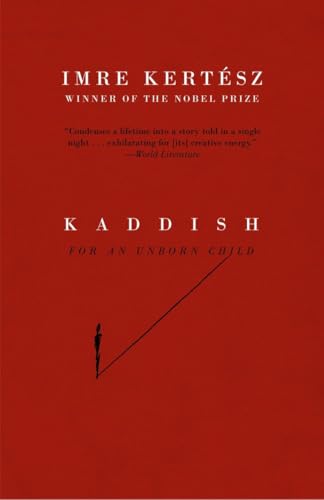
No. 53 on this list. Kaddish for an Unborn Child
Imre Kertész · 1990
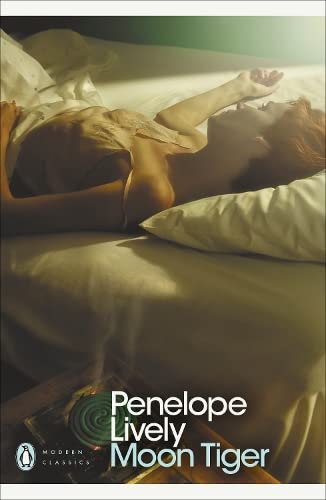
No. 54 on this list. Moon Tiger
Penelope Lively · 1987
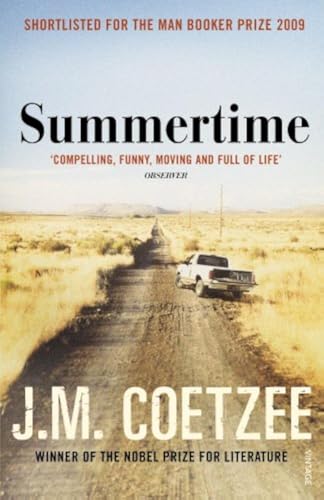
No. 55 on this list. Summertime
J.M. Coetzee · 2009
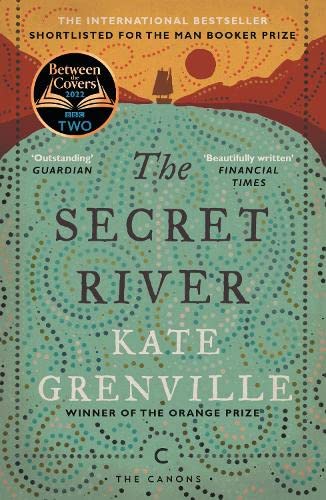
No. 56 on this list. The Secret River
Kate Grenville · 2006
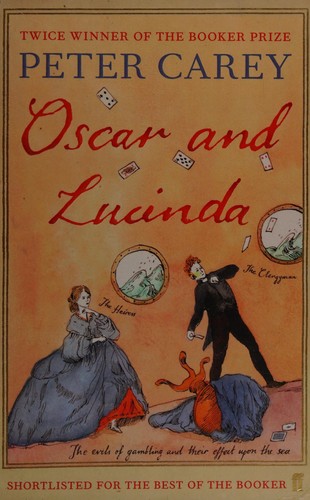
No. 57 on this list. Oscar and Lucinda
Peter Carey · 1988
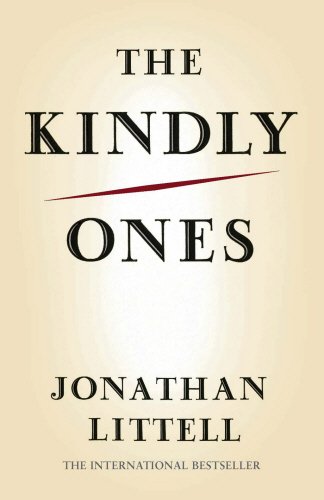
No. 58 on this list. The Kindly Ones
Jonathan Littell · 2006
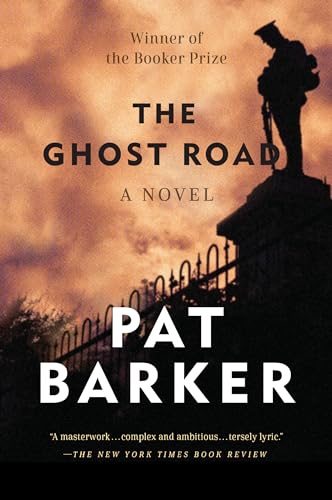
No. 59 on this list. The Ghost Road
Pat Barker · 1995
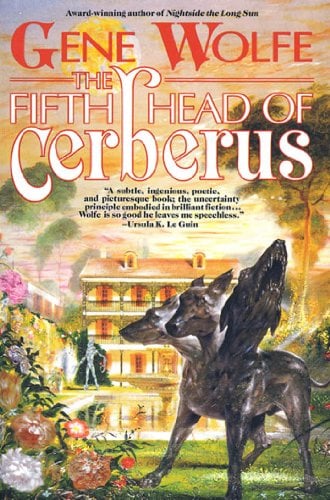
No. 60 on this list. The Fifth Head of Cerberus
Gene Wolfe · 1972
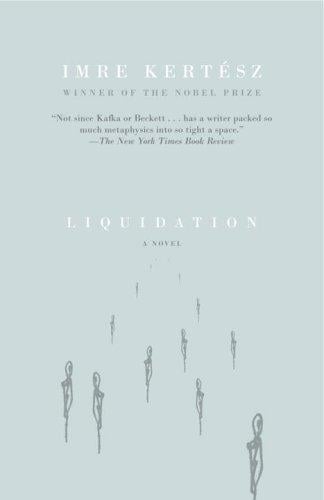
No. 61 on this list. Liquidation
Imre Kertész · 2003
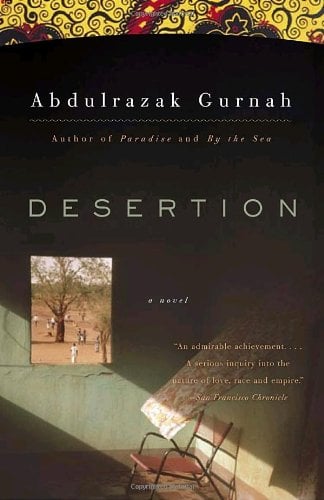
No. 62 on this list. Desertion
Abdulrazak Gurnah · 2005
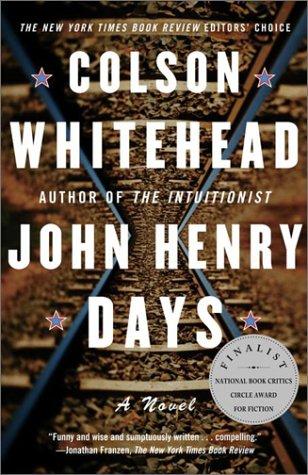
No. 63 on this list. John Henry Days
Colson Whitehead · 2001
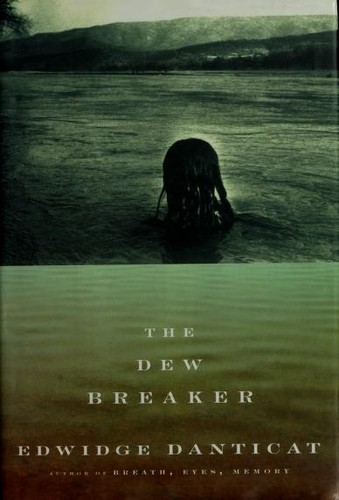
No. 64 on this list. The Dew Breaker
Edwidge Danticat · 2004
No. 65 on this list. Tripmaster Monkey: His Fake Book
Maxine Hong Kingston · 1989
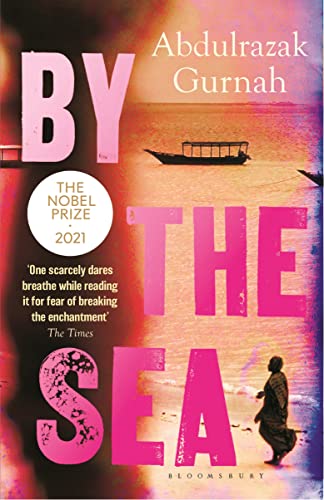
No. 66 on this list. By the Sea
Abdulrazak Gurnah · 2001
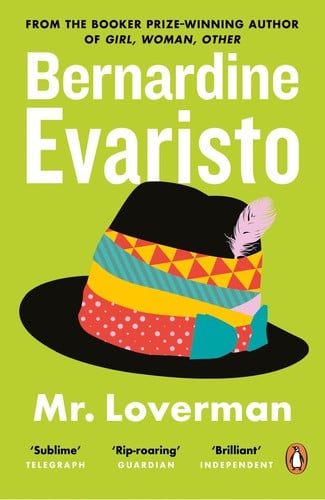
No. 67 on this list. Mr Loverman
Bernardine Evaristo · 2013
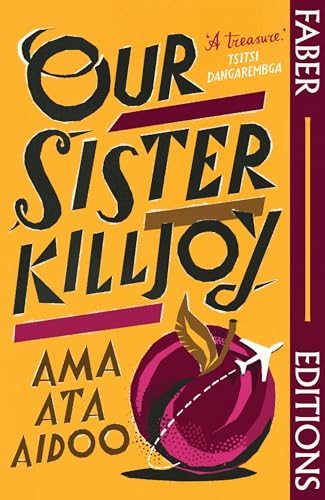
No. 68 on this list. Our Sister Killjoy
Ama Ata Aidoo · 1977
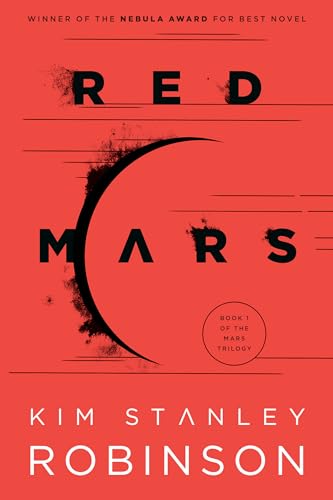
No. 69 on this list. Red Mars
Kim Stanley Robinson · 1993
No. 70 on this list. A Question of Power
Bessie Head · 1974
No. 71 on this list. Small Island
Andrea Levy · 2005
Taught in schools: AQA GCSE and A-level English Literature (UK)
No. 72 on this list. Time's Arrow
Martin Amis · 1991
No. 73 on this list. An Episode in the Life of a Landscape Painter
César Aira · 2000
No. 74 on this list. The Anatomy Lesson
Philip Roth · 1983
No. 75 on this list. The Puttermesser Papers
Cynthia Ozick · 1997
No. 76 on this list. Requiem for a Nun
William Faulkner · 1951
No. 77 on this list. Homegoing
Yaa Gyasi · 2016
No. 78 on this list. The Poisonwood Bible
Barbara Kingsolver · 1999
No. 79 on this list. Moses Ascending
Sam Selvon · 1975
No. 80 on this list. Middle Passage
Charles Johnson · 1990
No. 81 on this list. The Lowland
Jhumpa Lahiri · 2013
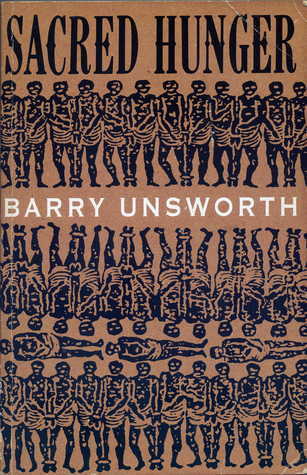
No. 82 on this list. Sacred Hunger
Barry Unsworth · 1992
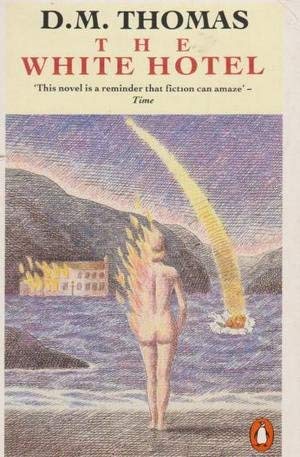
No. 83 on this list. The White Hotel
D.M. Thomas · 1981
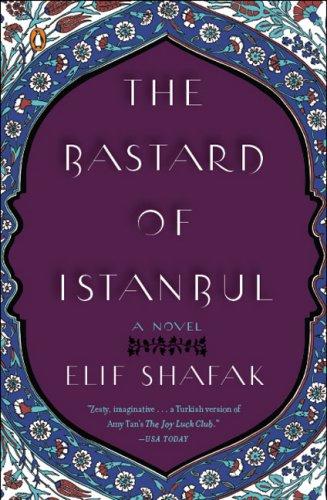
No. 84 on this list. The Bastard of Istanbul
Elif Shafak · 2006
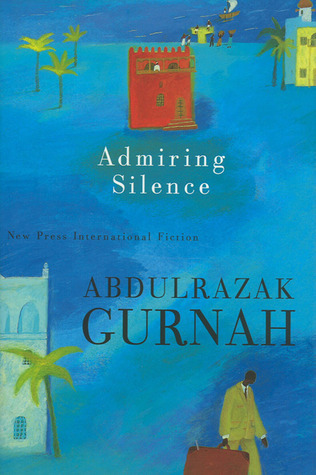
No. 85 on this list. Admiring Silence
Abdulrazak Gurnah · 1996
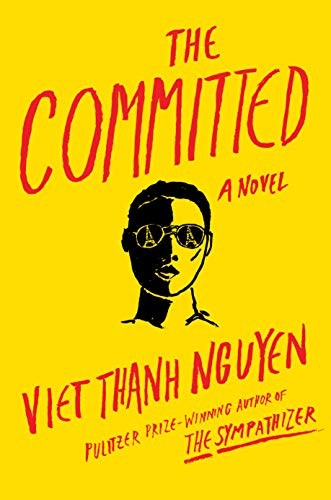
No. 86 on this list. The Committed
Viet Thanh Nguyen · 2021
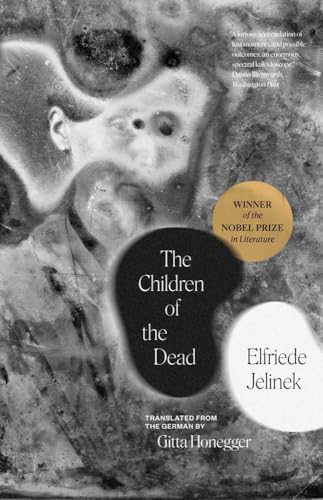
No. 87 on this list. The Children of the Dead
Elfriede Jelinek · 1995
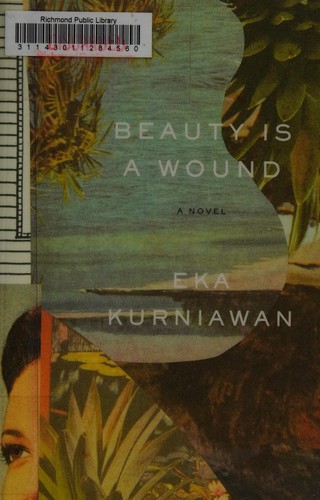
No. 88 on this list. Beauty Is a Wound
Eka Kurniawan · 2002
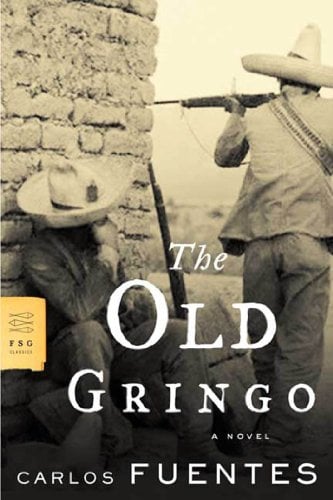
No. 89 on this list. The Old Gringo
Carlos Fuentes · 1985
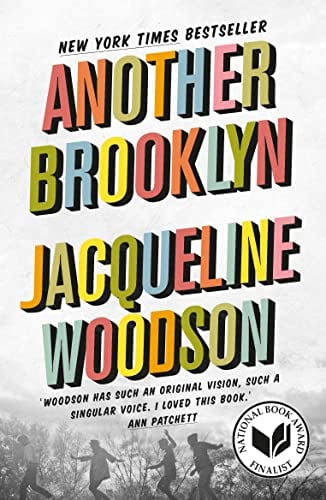
No. 90 on this list. Another Brooklyn
Jacqueline Woodson · 2016
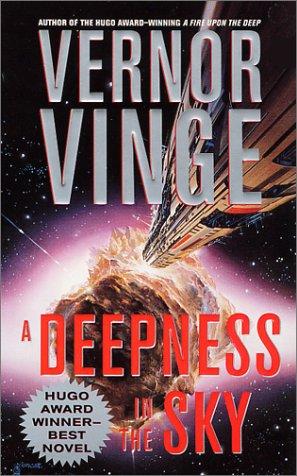
No. 91 on this list. A Deepness in the Sky
Vernor Vinge · 1999
No. 92 on this list. Minor Detail
Adania Shibli · 2017
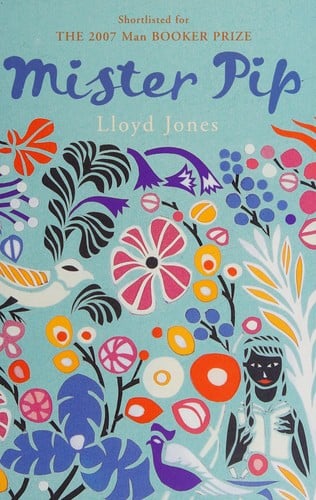
No. 93 on this list. Mister Pip
Lloyd Jones · 2007
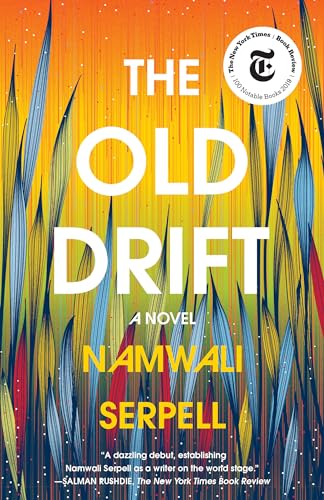
No. 94 on this list. The Old Drift
Namwali Serpell · 2020
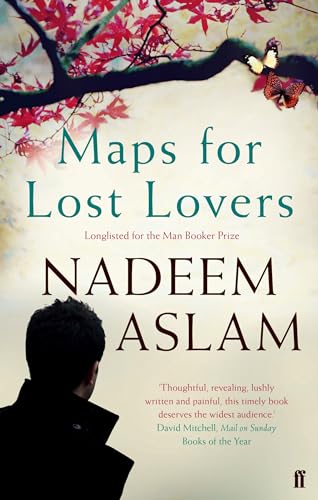
No. 95 on this list. Maps for Lost Lovers
Nadeem Aslam · 2004
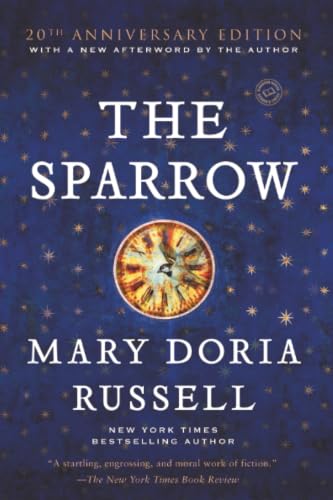
No. 96 on this list. The Sparrow
Mary Doria Russell · 1996
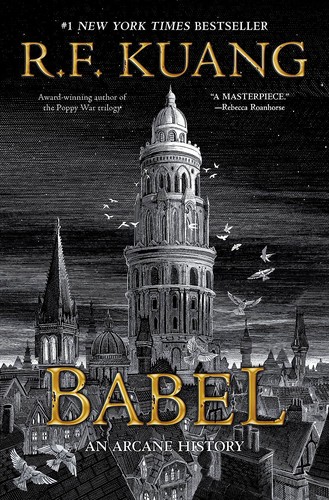
No. 97 on this list. Babel
R.F. Kuang · 2022
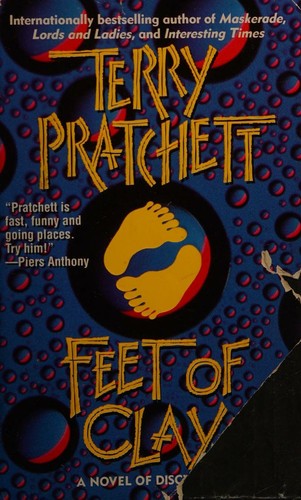
No. 98 on this list. Feet of Clay
Terry Pratchett · 1996
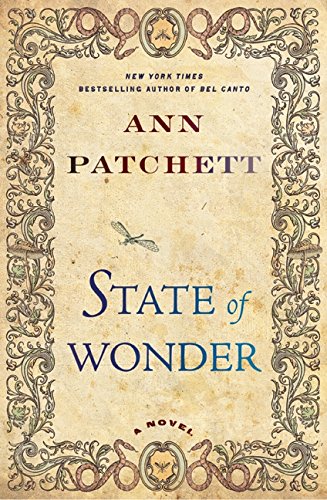
No. 99 on this list. State of Wonder
Ann Patchett · 2012
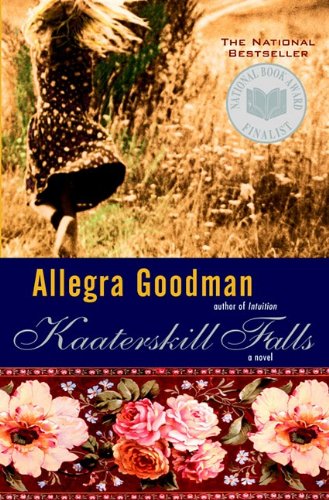
No. 100 on this list. Kaaterskill Falls
Allegra Goodman · 1998
About this list
These 100 books are the highest-scoring eligible challenging books about race and colonialism currently in the catalogue. About 1,209 hours of reading in all. Difficulty runs from 67 to 74 out of 100 for the middle half of the list; the summit is The Sellout at 85.
This list is ranked by literary regard, with a consistent order for equal scores. Membership follows authors and co-authors, not translators or editors. A book is here when ReadingRate files it under Race & Colonialism as one of its primary reading domains, at a confidence of 0.8 or more. Catalogue coverage and the historical canon both limit what this list can represent.
When we matched the Canons dataset to our catalogue in October 2026, our canonical-status scores rose with the number of school curricula, publisher series and lists in it that cite a work: the median score was 72 for books one such source cites, 84 at two, 88 at three, 92 at four and 93 at five or more. Prizes are left out of that count. Outside the state curricula, the dataset’s sources choose mostly from what has been translated into English or French, so it is a weaker check on other literatures. Source: Canons (Andrew Piper), CC BY 4.0
Questions people actually ask
- What are the best challenging books about race and colonialism?
- By literary regard, which weighs canonical status, critical standing and influence: Heart of Darkness by Joseph Conrad, Absalom, Absalom! by William Faulkner, Song of Solomon by Toni Morrison, Invisible Man by Ralph Ellison and Age of Iron by J.M. Coetzee. ReadingRate ranks 100 such books, each with a difficulty score and a reading-time estimate.
- Which challenging books about race and colonialism should I read first?
- Start from difficulty, not from rank. The most approachable books on this list that still carry top literary regard are The Good Soldier by Ford Madox Ford (about 7 hours), Season of Migration to the North by Tayeb Salih and Light in August by William Faulkner.
- What are the shortest of the best challenging books about race and colonialism?
- Among the top 25, the shortest are Citizen: An American Lyric by Claudia Rankine (about 1.7 hours), The Kingdom of This World by Alejo Carpentier (about 2.7 hours) and Heart of Darkness by Joseph Conrad (about 4 hours), at an average pace of 250 words a minute adjusted for each book's difficulty.
- Which of the best challenging books about race and colonialism are the established classics?
- By canonical status, how firmly a book sits in curricula, anthologies and the canon: Heart of Darkness by Joseph Conrad, Absalom, Absalom! by William Faulkner, Song of Solomon by Toni Morrison, Invisible Man by Ralph Ellison and Age of Iron by J.M. Coetzee.
- Can I read any of these challenging books about race and colonialism for free?
- 3 of the 100 open in ReadingRate's reader with a free account, from public-domain editions: Heart of Darkness, The Good Soldier and The Voyage Out.
- How long would it take to read the top ten?
- About 122 hours, at an average pace of 250 words a minute adjusted for each book's difficulty: 61 days at two hours a day. Set your own pace on the page and the list's reading times change to it.
- How hard are challenging books about race and colonialism to read?
- Most of this list sits between 67 and 74 on ReadingRate's 100-point difficulty scale, where 40 to 55 is moderate. The summit is The Sellout at 85. Every entry carries its own score, so a reader can pick a great book at a difficulty they will finish.
- How is this list ranked?
- On literary-regard data: how canonically established a work is, its critical standing, and its influence on later writing. It is not a readers’ poll, which is why recent bestsellers rarely appear. Membership follows authors and co-authors, not translators or editors. Lists by country, author, period, theme or difficulty keep to literature (fiction, poetry, drama and philosophy), their novels, poems and plays first and their philosophy after them; a list of a kind of book, such as memoir or criticism, keeps every book of that kind. Every list holds at most three works by one author. A book is here when ReadingRate files it under Race & Colonialism as one of its primary reading domains, at a confidence of 0.8 or more.