Hours at an average pace
Showing 100 books
About 738 hours for 100 of 100 books with measured lengths. Estimates use 250 words a minute, adjusted for each book's difficulty. At 2 hours a day, about 369 days for those books.
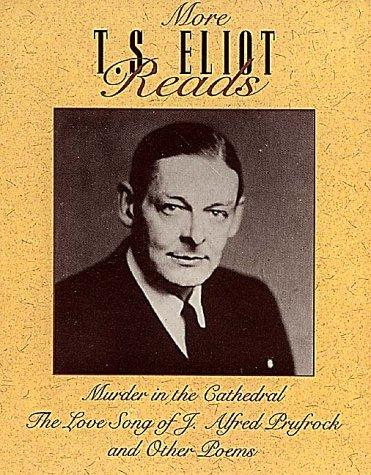
No. 1 on this list. The Love Song of J. Alfred Prufrock
T. S. Eliot · 1915
Challenging14 min
Taught in schools: Common Core text exemplars (Appendix B) (US)
One of the most taught poems in English, standard in introductory poetry courses, modernism surveys and the major anthologies. First printed in Poetry magazine in 1915 at Ezra Pound's urging, it is usually treated as the start of modernist verse in English.
One of the most important collections in postwar American poetry. 'Skunk Hour' alone secures its place in the canon.
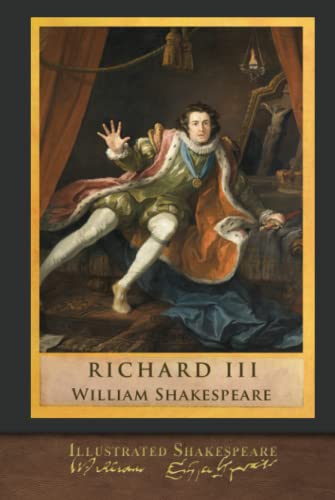
No. 3 on this list. Richard III
William Shakespeare · 1597
Challenging2.8 hours
Taught in schools: CAPE Literatures in English – Caribbean Examinations Council
Included in: Great Books of the Western World
Richard III is among the most frequently performed Shakespeare plays and a staple of secondary school and university curricula worldwide. Its opening monologue — 'Now is the winter of our discontent' — is among the most memorized passages in English literature. The play appears on virtually every Shakespeare survey and features in courses on history plays, villainy, and political drama.
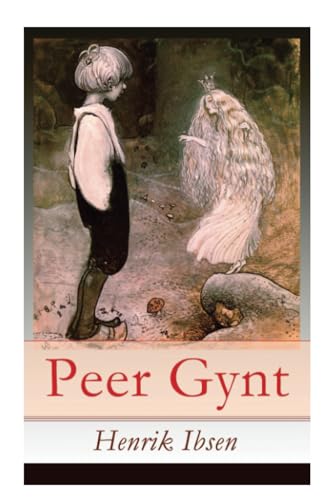
Peer Gynt is a cornerstone of the Scandinavian theatrical canon and is regularly staged worldwide, from the National Theatre to major European opera houses. Edvard Grieg's 1876 incidental music gave the work cultural reach extending far beyond theatre audiences. It appears on world drama syllabi internationally and is central to any survey of 19th-century European literature.
A Nobel-winning author's first novel, taught widely in German and world literature courses as the model family chronicle.
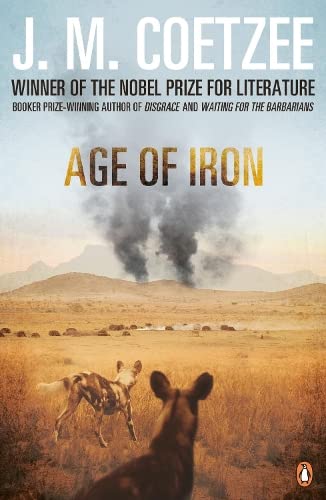
Age of Iron occupies a secure place in the Coetzee canon alongside Disgrace and Waiting for the Barbarians, and is regularly included in postcolonial and South African literature curricula worldwide. Its apartheid-era historical weight gives it documentary as well as aesthetic canonical status.
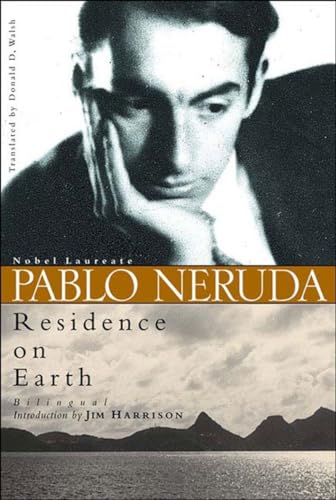
Pablo Neruda wrote the poems of 'Residence on Earth' during his years as a Chilean consul in Burma, Ceylon, and Java — postings that left him profoundly isolated, surrounded by unfamiliar languages and dissolving heat. What came out was a poetry of radical disorientation: rain that rots wood, flesh that smells of brine, clocks that leak time like a wound. The opening poem, 'Galope Muerto,' begins mid-sensation: 'Like ashes, like oceans populating themselves, in the submerged slowness, in the shapeless.' There is no speaker announced, no situation established. The collection works entirely through image — blood, sea, bone, stone — stacked without logical mortar until the pressure of accumulated sensation becomes its own argument. 'Walking Around' describes a man so disgusted by modern life he wants to throw everything away, the umbrellas and the accountants and the stockings. 'Ode with a Lament' addresses an unnamed woman through images of shipwrecks and salt. The later sections shift toward political fury — odes to Madrid under bombardment, to Stalingrad, to Spain's dead — but even the political poems work through elemental image rather than rhetoric. This is poetry that does not explain itself. Readers who need a narrative thread or an argument will find none. Those willing to receive sensation as meaning will encounter one of the most physically intense bodies of verse written in the 20th century.
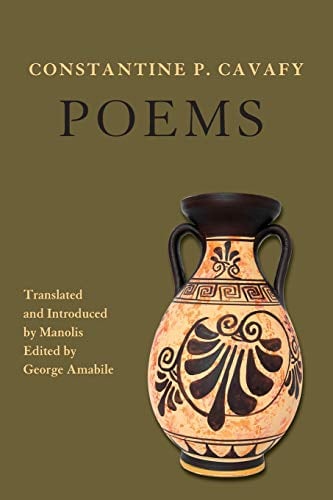
One of the most important poets of the twentieth century, canonical in modern Greek literature and widely translated and admired internationally.
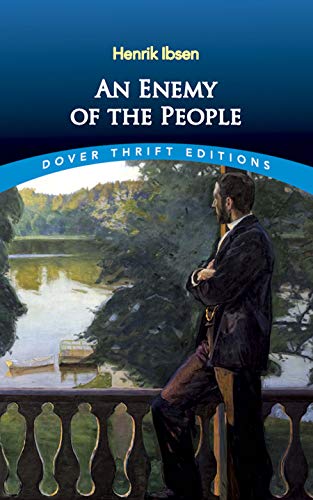
An Enemy of the People is a standard text in university drama, literature, and political philosophy curricula worldwide, and is featured on virtually all lists of essential Western drama. Arthur Miller's celebrated 1950 adaptation attests to its enduring canonical status. While taught less broadly than Ibsen's A Doll's House or Hedda Gabler, it remains a fixture in theatre studies and social realist drama courses globally.
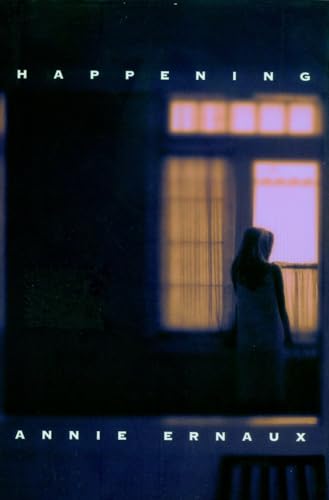
Happening has become one of Ernaux's most discussed and translated works, widely taught in French literature courses at university level and increasingly prominent in Anglophone curricula following her 2022 Nobel Prize. Its frank treatment of illegal abortion in 1960s France grants it significant cultural-historical standing alongside landmark autofictional texts.

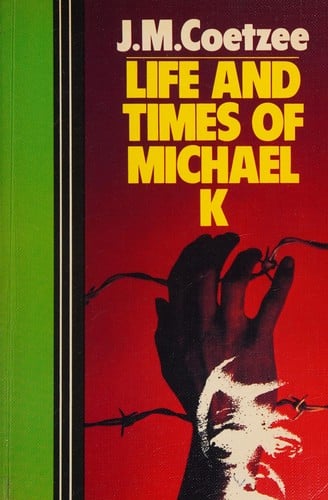
No. 11 on this list. Life & Times of Michael K · J.M. Coetzee · 1983
Taught in schools: UNAM Escuela Nacional Preparatoria – programas de Literatura (Mexico)
Life and Times of Michael K won the Booker Prize in 1983 and stands as a foundational text in postcolonial literature. Its examination of apartheid South Africa, individual resistance, and the ethics of fiction has secured its place in literary canons alongside Coetzee's other major works. Frequently taught in universities and cited in critical literature.
Challenging5.2 hours
Start this bookNo. 12 on this list. Voices from Chernobyl · Svetlana Alexievich · 1997
Widely recognized as the definitive literary account of Chernobyl and a landmark of documentary literature. The 2015 Nobel Prize in Literature elevated its status, establishing Alexievich's polyphonic method as a major formal innovation. Required reading in post-Soviet studies and increasingly taught in world literature curricula. Its documentary approach has influenced contemporary non-fiction globally.
Challenging6.3 hours
Start this bookNo. 13 on this list. The Auroras of Autumn · Wallace Stevens · 1950
Recognized as one of Stevens's major achievements, though less widely read than Harmonium. Central to scholarly discussions of late modernism.
Challenging1.4 hours
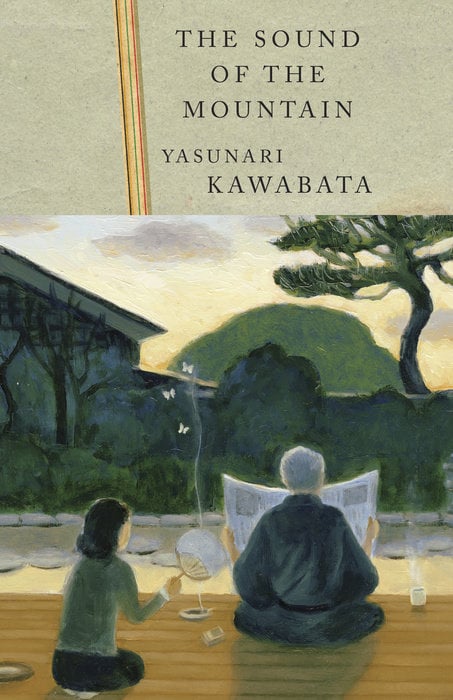
Start this bookNo. 14 on this list. The Sound of the Mountain · Yasunari Kawabata · 1949
Included in: Bokklubben World Library, UNESCO Collection of Representative Works
Shingo Ogata wakes in the night to a sound like wind in the trees, though the air is still. He is sixty-two, his memory slipping, and the mountain behind his Kamakura home has begun to call to him. His son Shuichi keeps a mistress in Tokyo and treats his wife Kikuko with cold indifference. Kikuko, who might have married Shingo's other son—the one who died in the war—moves through the household with a grace that makes her father-in-law ache. She tends the garden, arranges flowers, and never complains. Shingo watches her hands as she pours tea. He remembers a woman he loved before he married, and he sees her face in Kikuko's profile. His daughter Fusako has left her own unfaithful husband and returned home with two children, and the house fills with tensions no one names. Kawabata builds his novel from fragments: a dream of infidelity, the scent of lotus blossoms, a girl's drowned body in the newspaper, the way light falls on a cheek. The sentences are short and clean. Readers must supply the connections between image and emotion, must feel what the characters will not say. The effect is like watching still water and knowing something moves beneath.
Challenging5.4 hours
Start this bookNo. 15 on this list. Diving into the Wreck · Adrienne Rich · 1973
The title poem appears in virtually every major American poetry anthology and is standard reading in feminist literature, American poetry, and contemporary poetry courses. The collection sits firmly in the literary canon, comparable to Beloved (85) in academic reach if not in the broadest syllabi. No database data was returned, but Rich's place in American poetry curricula is well established.
Difficult47 min
Start this bookNo. 16 on this list. Krapp's Last Tape · Samuel Beckett · 1958
One of the most performed and studied short plays of the 20th century. A staple of drama syllabi and theatrical repertoire worldwide.
Moderate18 min
Start this bookNo. 17 on this list. Runaway · Alice Munro · 2004
One of Munro's most celebrated collections, frequently cited as the peak of her mature work. Winner of the Giller Prize and numerous international honors.
Moderate5.5 hours
Start this bookNo. 18 on this list. The Notebooks of Malte Laurids Brigge · Rainer Maria Rilke · 1910
Die Aufzeichnungen des Malte Laurids Brigge is on Le Monde's 100 Books of the Century, with Wikipedia articles in 14 languages. It is taught as a founding text of modernist prose in German and comparative literature courses.
Challenging6 hours
Start this bookNo. 19 on this list. Tropic of Cancer · Henry Miller · 1934
Tropic of Cancer holds established position in modernist and 20th-century literature curricula, taught in courses on American modernism, expatriate literature, and the experimental novel. Recognized as significant but not universally required reading at all levels like Gatsby or 1984; more niche canonical status within specific literary traditions.
Challenging9.5 hours
Start this bookNo. 20 on this list. The Rainbow · D.H. Lawrence · 1915
The Rainbow is firmly established in the English literary canon as one of Lawrence's major novels and a landmark of early modernism. It appears on the Modern Library 100 Best Novels list, is a staple of university curricula covering British modernism, and is widely recognized as a foundational text in the novel of sexuality and consciousness.
Challenging16 hours
Read now
No. 21 on this list. A Personal Matter · Kenzaburō Ōe · 1964
A Personal Matter appears on 155 university syllabi, placing it at the 55th percentile — a solid academic presence but not the top tier of assigned texts. As Ōe's best-known early novel and the work most directly connected to his biography, it is widely cited as the turning point in his career and regularly taught in comparative literature, Japanese literature, and postwar fiction courses. It is canonical within the Ōe corpus and within twentieth-century Japanese fiction, but its placement on general world literature syllabi is more variable than works like Things Fall Apart or One Hundred Years of Solitude.
Moderate4.4 hours
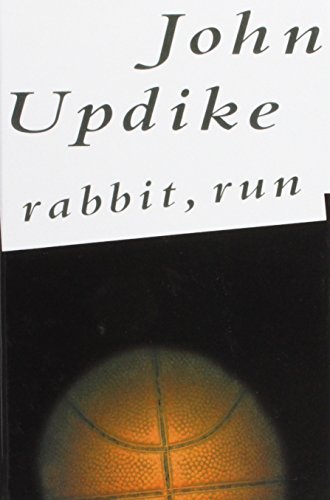
Start this bookNo. 22 on this list. Rabbit, Run · John Updike · 1960
Widely recognized as a defining postwar American novel and frequently taught in literature courses. The book established Updike as a major voice and launched the Rabbit series that would chronicle American life across four decades, securing its place in the American literary canon.
Challenging7.4 hours
Start this bookNo. 23 on this list. Aura · Carlos Fuentes · 1962
Aura is assigned in Latin American literature courses across universities globally and anthologized alongside Pedro Paramo and One Hundred Years of Solitude as a defining text of the Latin American Boom. Its brevity makes it a frequent entry point for students encountering Fuentes or magical realism. It does not appear on as many syllabi as García Márquez's major novels but is among the most-taught works in comparative world literature curricula.
Difficult1.4 hours
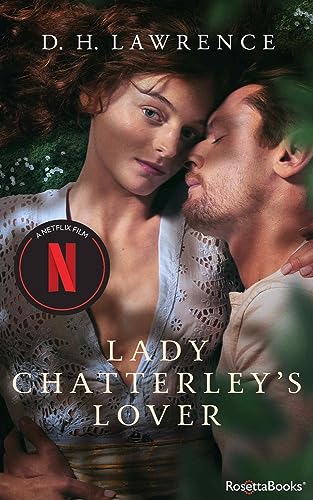
Start this bookNo. 24 on this list. Lady Chatterley's Lover · D.H. Lawrence · 1928
Appears on 400 university syllabi (65th percentile of the Open Syllabus dataset) and is present in 41 Wikipedia language editions. Regularly taught in 20th century British literature, sexuality studies, and censorship history courses. The 1960 obscenity trial in England made it a foundational text in debates about literary freedom, cementing its academic presence beyond standard literary curricula.
Moderate7.9 hours
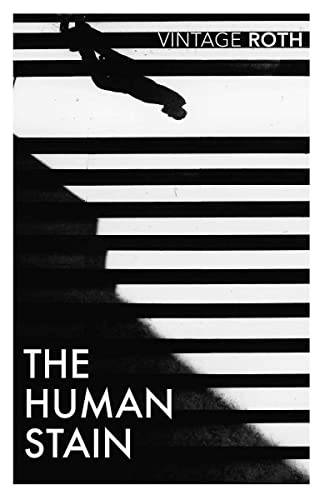
Read nowNo. 25 on this list. The Human Stain · Philip Roth · 2001
Part of Roth's 'American Trilogy' — widely referenced in American fiction surveys and on reading lists for postwar American literature. Wikipedia article available in 9 languages with a dedicated reception section and adaptations section (2003 film with Anthony Hopkins and Nicole Kidman). The Open Syllabus data records no standalone syllabus appearances, suggesting it is typically taught as part of the trilogy rather than alone.
Challenging13 hours
Start this bookNo. 26 on this list. The Dream of a Common Language · Adrienne Rich · 1978
The Dream of a Common Language is taught widely in feminist literary studies, women's poetry, and American poetry courses at the university level. It has no dedicated Wikipedia article in the database but Rich herself is a foundational figure in the canon of late twentieth-century American poetry, and this collection is consistently cited as central to her legacy and to the feminist poetry movement of the 1970s.
Challenging1.1 hours
Start this bookNo. 27 on this list. Jazz · Toni Morrison · 1992
Jazz stands as the middle volume of Morrison's trilogy examining African American history through myth and music. While less taught than Beloved, it appears on graduate syllabi and critical studies of Morrison's work, recognized as an ambitious experiment in narrative voice and jazz-influenced form.
Challenging5.9 hours
Start this bookNo. 28 on this list. Cat and Mouse · Günter Grass · 1961
Cat and Mouse occupies significant position within German postwar literature and Grass's own oeuvre, frequently taught in universities and anthologized in collections of important twentieth-century fiction. It lacks the cultural penetration of The Tin Drum but commands substantial literary recognition and scholarly attention.
Moderate3.1 hours
Start this bookNo. 29 on this list. Family Ties · Clarice Lispector · 1960
Family Ties appears regularly on comparative literature and Latin American literature syllabi worldwide, and Lispector is among the most studied Lusophone writers in university world literature courses. No syllabus count was captured in the database, but her work has sustained continuous academic inclusion since the 1960s. Hélène Cixous's book-length critical study of Lispector (The Stream Running Nowhere) cemented the collection's place in the Western literary canon.
Difficult3.6 hours
Start this bookNo. 30 on this list. The Complete Stories · Clarice Lispector
Lispector holds a firm place in comparative literature and Latin American literature syllabi globally, and her work appears in women's writing and world literature courses at major universities. No Open Syllabus data is available for this specific collection, but Lispector as an author is consistently included in world literature canons alongside Borges and García Márquez. The 2015 New Directions translation by Katrina Dodson dramatically expanded her anglophone reach and prestige.
Difficult22 hours
Start this book
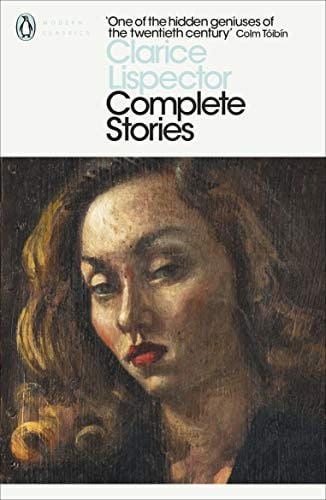
No. 31 on this list. The Master of Go
Yasunari Kawabata · 1954
No. 32 on this list. A Book of Memories
László Nádas · 1986
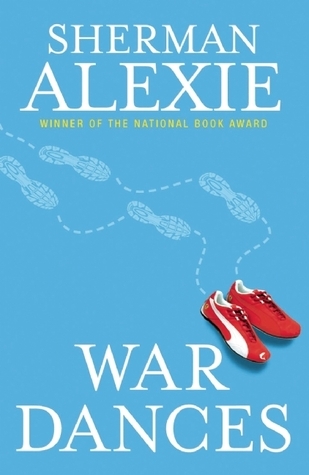
No. 33 on this list. War Dances
Sherman Alexie · 2010
No. 34 on this list. A Thousand Acres
Jane Smiley · 1992
No. 35 on this list. The Vegetarian
Han Kang · 2016
No. 36 on this list. 4.48 Psychosis
Sarah Kane · 2000
No. 37 on this list. Pornografia
Witold Gombrowicz · 1960
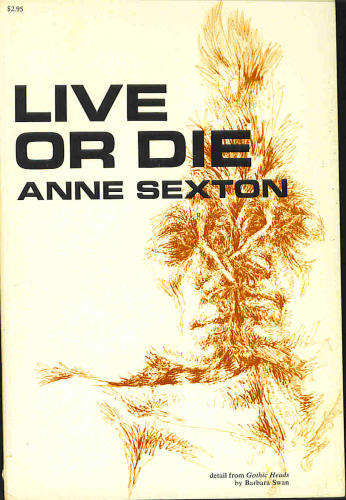
No. 38 on this list. Live or Die
Anne Sexton · 1966
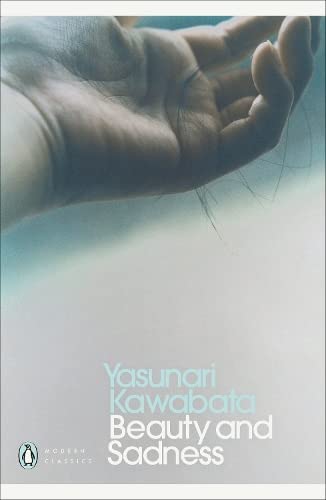
No. 39 on this list. Beauty and Sadness
Yasunari Kawabata · 1965
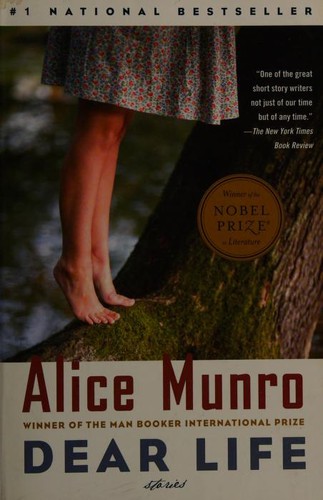
No. 40 on this list. Dear Life
Alice Munro · 2012
No. 41 on this list. Parallel Stories
László Nádas · 2005
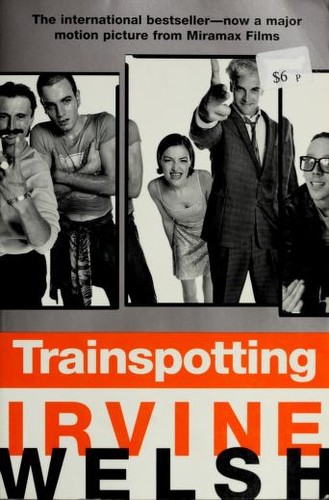
No. 42 on this list. Trainspotting
Irvine Welsh · 1993
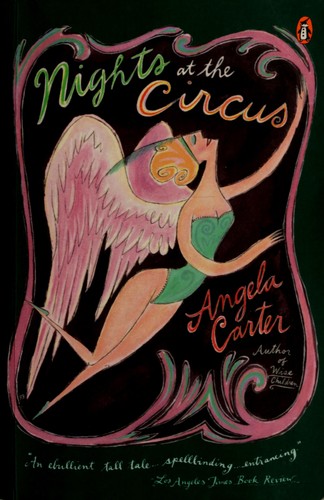
No. 43 on this list. Nights at the Circus
Angela Carter · 1984
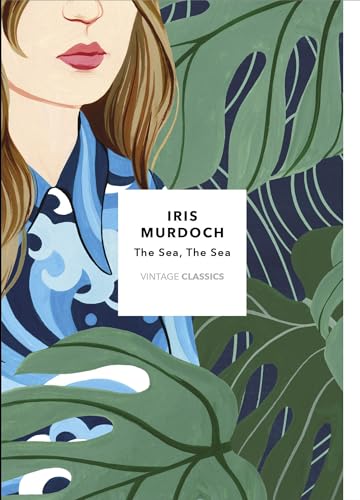
No. 44 on this list. The Sea, The Sea
Iris Murdoch · 1978
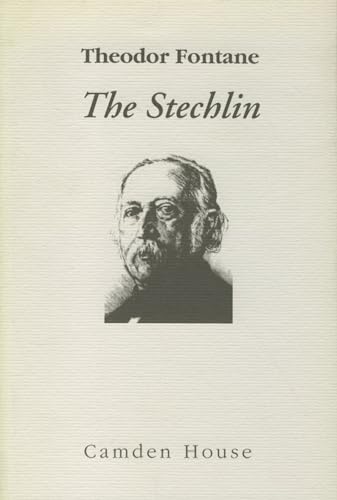
No. 45 on this list. The Stechlin
Theodor Fontane · 1898
No. 46 on this list. Those Who Leave and Those Who Stay
Elena Ferrante · 2013
No. 47 on this list. A Boring Story
Anton Chekhov · 1889
Taught in schools: Russian FGOS literature standard
No. 48 on this list. The Nun
Denis Diderot · 1796
No. 49 on this list. Master and Man
Leo Tolstoy · 1895
No. 50 on this list. Sabbath's Theater
Philip Roth · 1995
No. 51 on this list. Batman: The Dark Knight Returns
Frank Miller · 1986
No. 52 on this list. The Weavers
Gerhart Hauptmann · 1892
No. 53 on this list. Human Acts
Han Kang · 2014
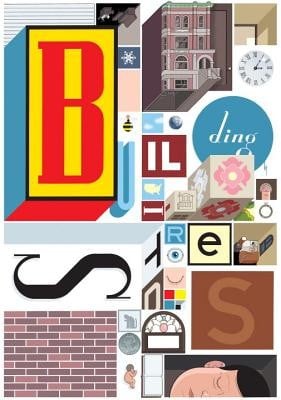
No. 54 on this list. Building Stories
Chris Ware · 2012
No. 55 on this list. Flights
Olga Tokarczuk · 2007
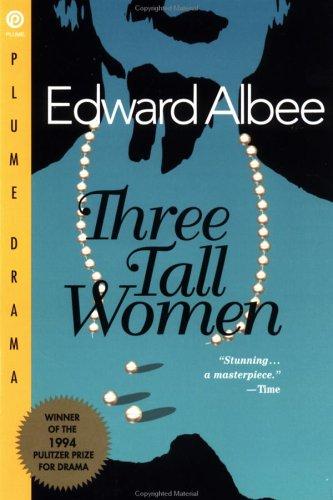
No. 56 on this list. Three Tall Women
Edward Albee · 1991
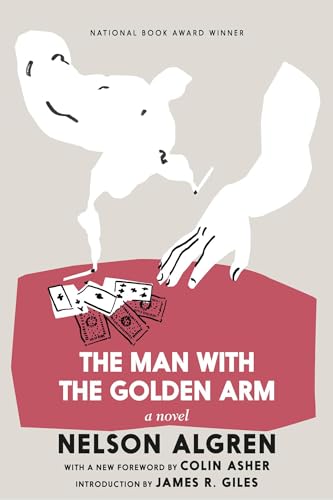
No. 57 on this list. The Man with the Golden Arm
Nelson Algren · 1950
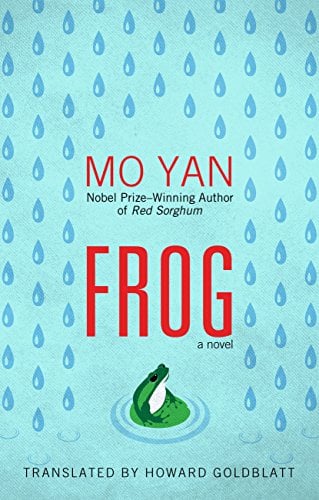
No. 58 on this list. Frog
Mo Yan · 2009
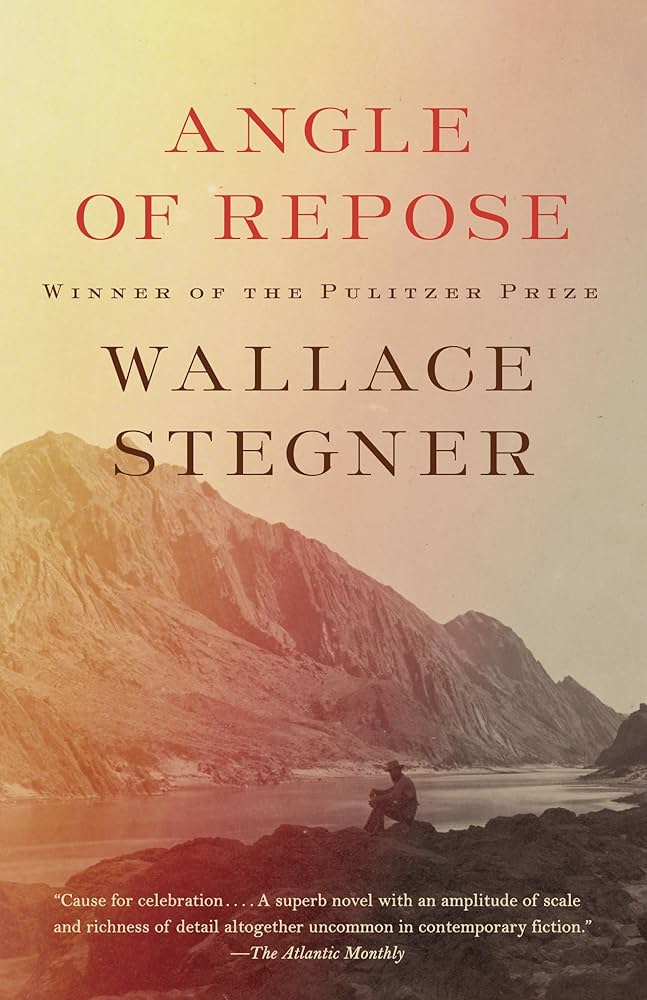
No. 59 on this list. Angle of Repose
Wallace Stegner · 1972
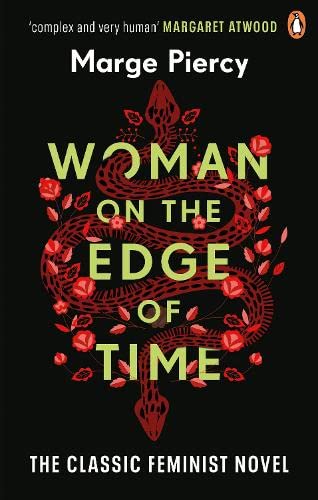
No. 60 on this list. Woman on the Edge of Time
Marge Piercy · 1976
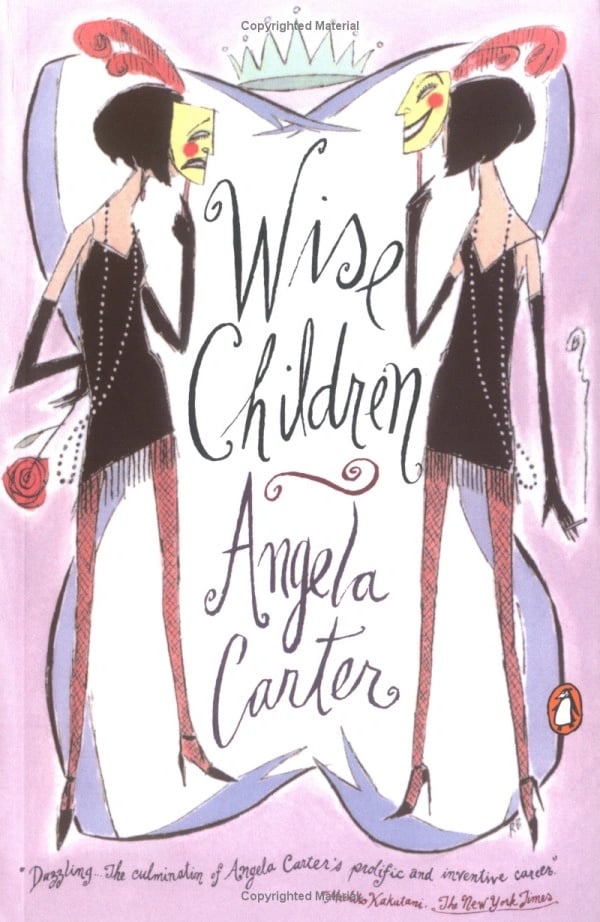
No. 61 on this list. Wise Children
Angela Carter · 1991
Taught in schools: AQA GCSE and A-level English Literature (UK)
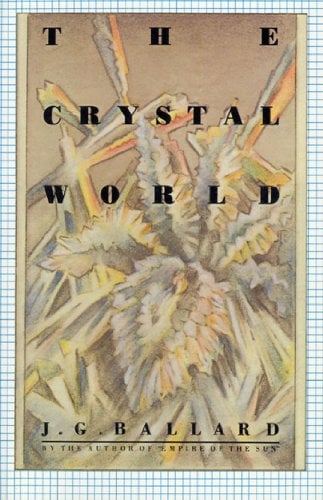
No. 62 on this list. The Crystal World
J.G. Ballard · 1966
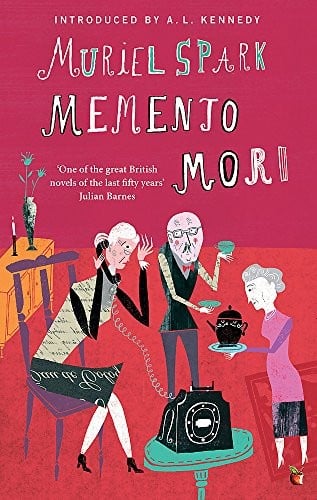
No. 63 on this list. Memento Mori
Muriel Spark · 1959
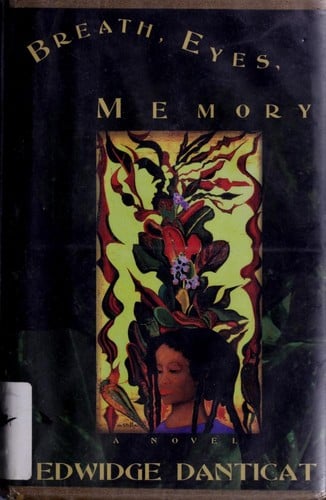
No. 64 on this list. Breath, Eyes, Memory
Edwidge Danticat · 1994
No. 65 on this list. The Woman Destroyed
Simone de Beauvoir · 1967
No. 66 on this list. The Man Who Laughs
Victor Hugo · 1869
No. 67 on this list. Murphy
Samuel Beckett · 1938
No. 68 on this list. Jean Barois
Roger Martin du Gard · 1913
No. 69 on this list. Animal's People
Indra Sinha · 2007
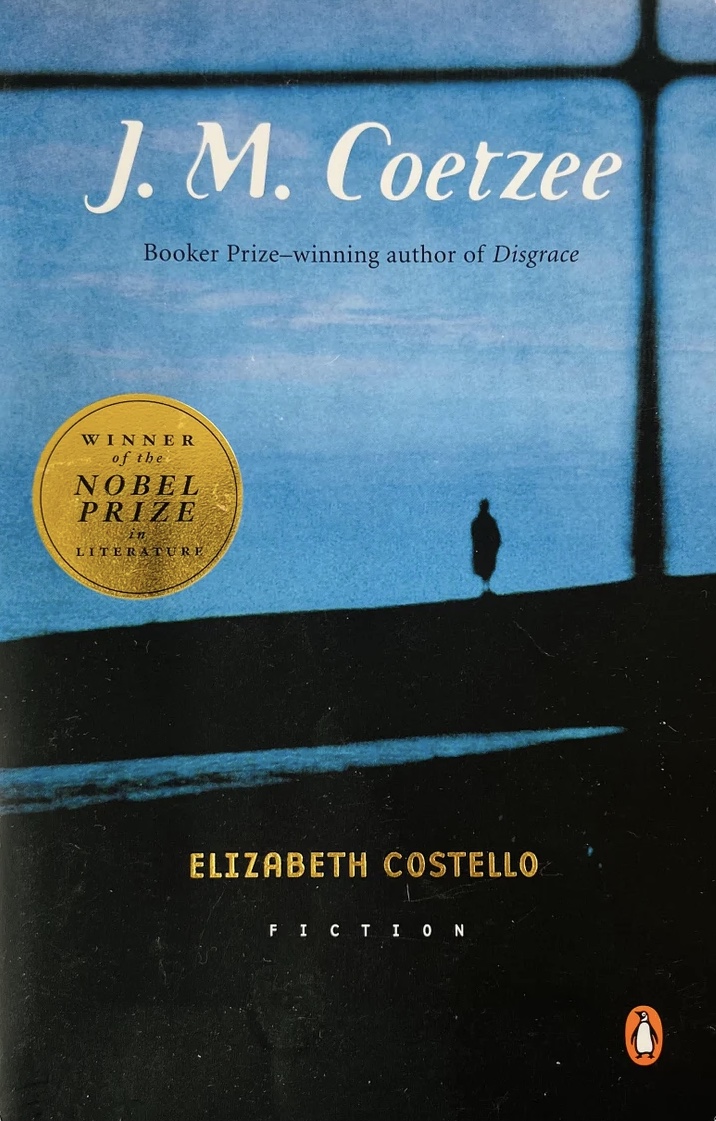
No. 70 on this list. Elizabeth Costello
J.M. Coetzee · 2003
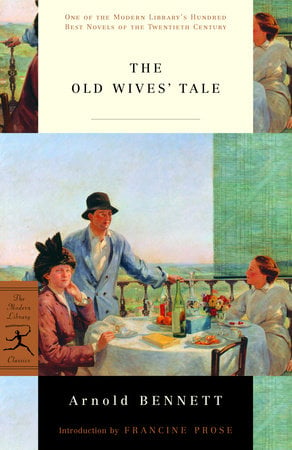
No. 71 on this list. The Old Wives' Tale
Arnold Bennett · 1908
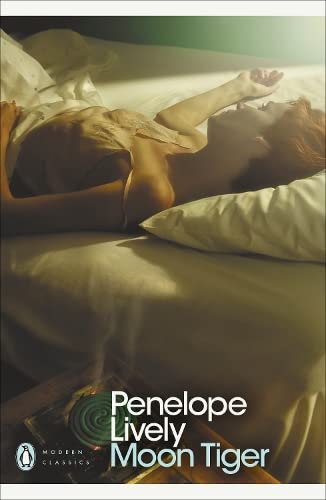
No. 72 on this list. Moon Tiger
Penelope Lively · 1987
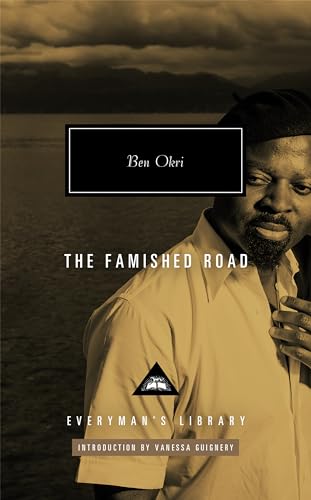
No. 73 on this list. The Famished Road
Ben Okri · 1991
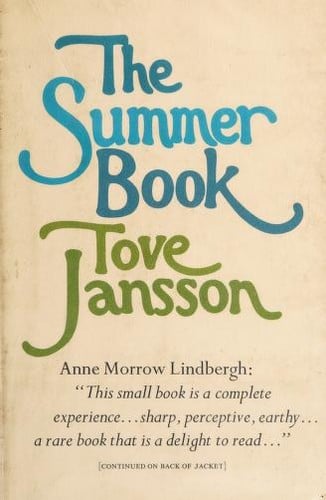
No. 74 on this list. The Summer Book
Tove Jansson · 1972
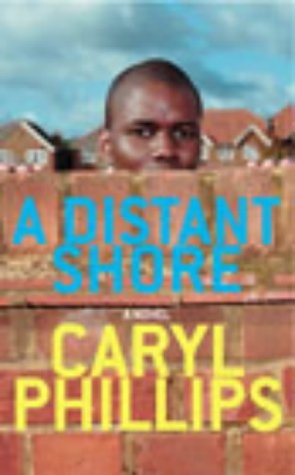
No. 75 on this list. A Distant Shore
Caryl Phillips · 2003
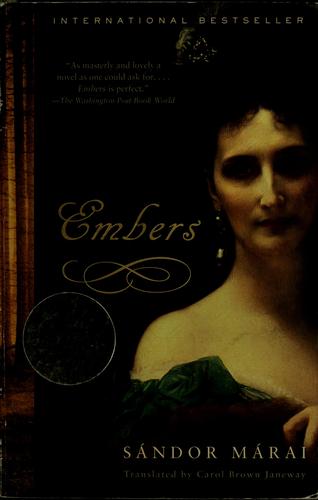
No. 76 on this list. Embers
Sándor Márai · 1942
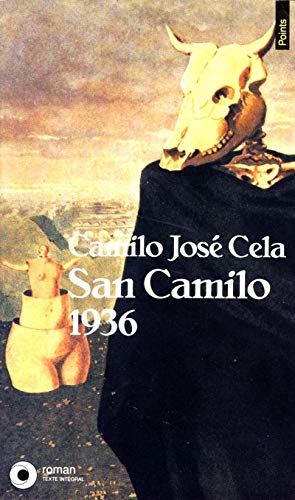
No. 77 on this list. San Camilo, 1936
Camilo José Cela · 1969
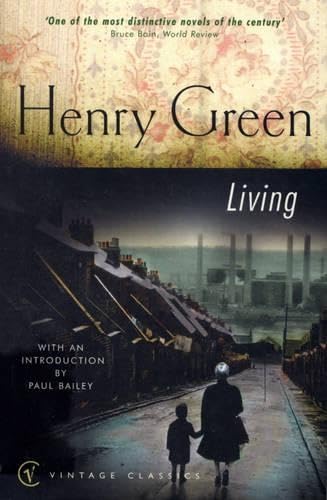
No. 78 on this list. Living
Henry Green · 1929
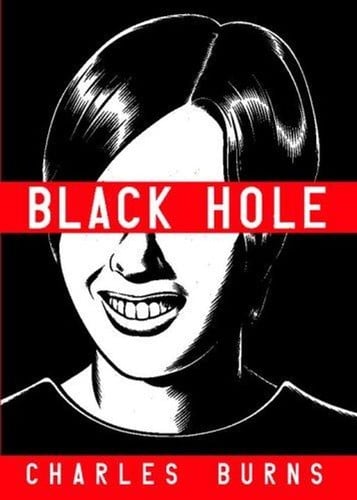
No. 79 on this list. Black Hole
Charles Burns · 2005
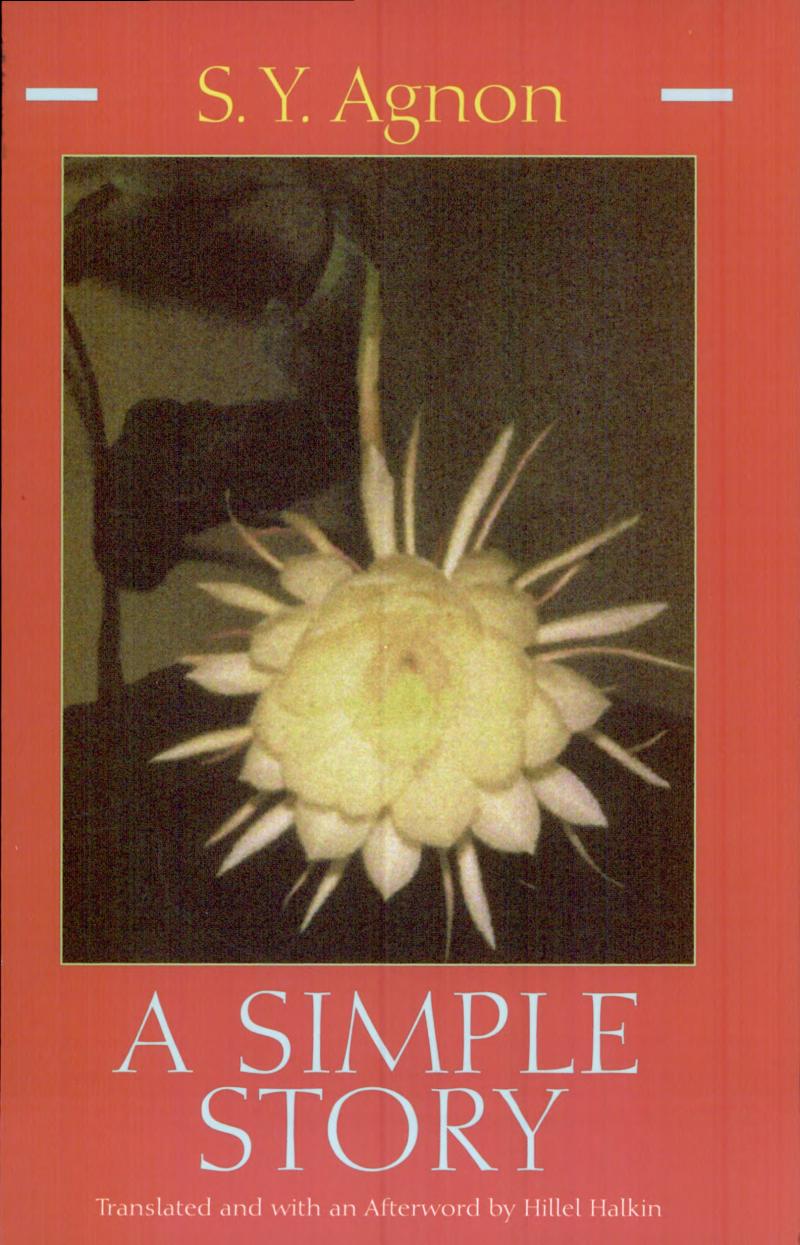
No. 80 on this list. A Simple Story
Shmuel Yosef Agnon · 1935
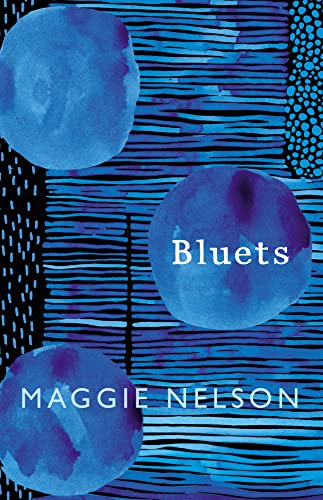
No. 81 on this list. Bluets
Maggie Nelson · 2009
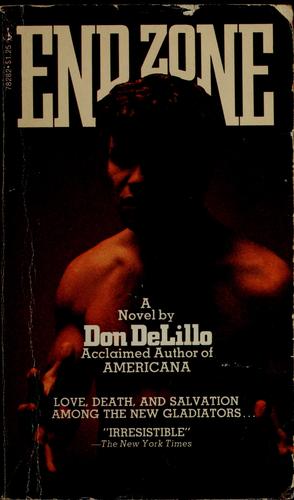
No. 82 on this list. End Zone
Don DeLillo · 1972
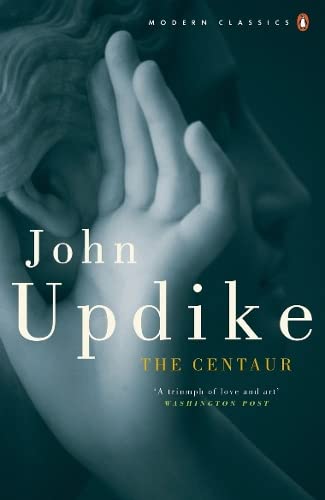
No. 83 on this list. The Centaur
John Updike · 1964
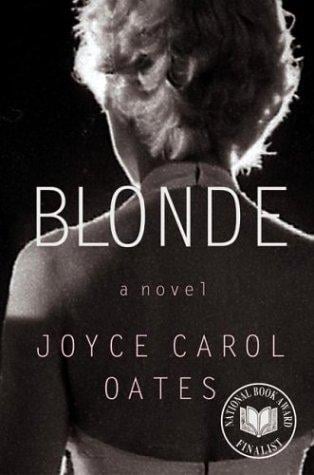
No. 84 on this list. Blonde
Joyce Carol Oates · 2000
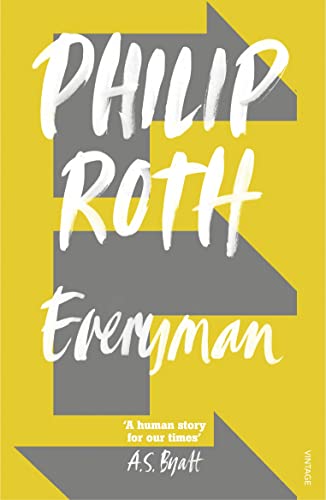
No. 85 on this list. Everyman
Philip Roth · 2007
No. 86 on this list. Wilhelm Meister's Journeyman Years
Johann Wolfgang von Goethe · 1821
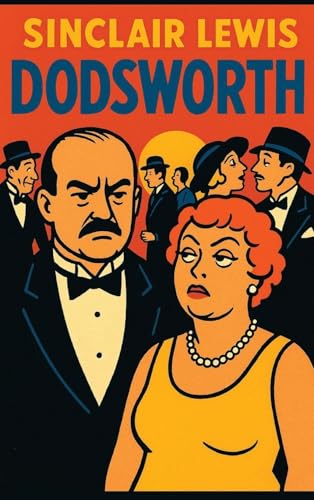
No. 87 on this list. Dodsworth
Sinclair Lewis · 1929
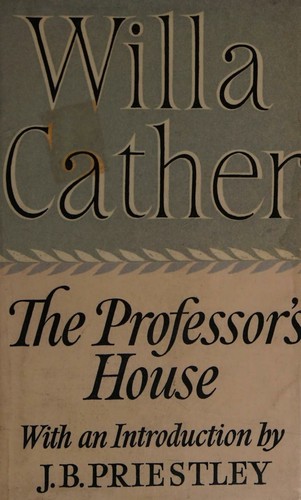
No. 88 on this list. The Professor's House
Willa Cather · 1925
No. 89 on this list. Zero K
Don DeLillo · 2016
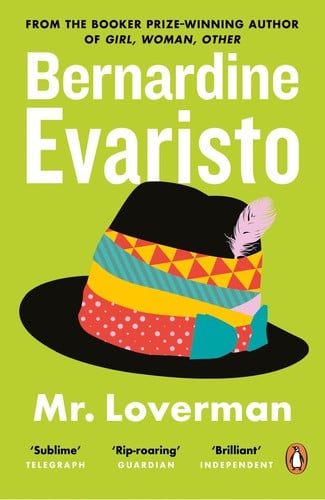
No. 90 on this list. Mr Loverman
Bernardine Evaristo · 2013
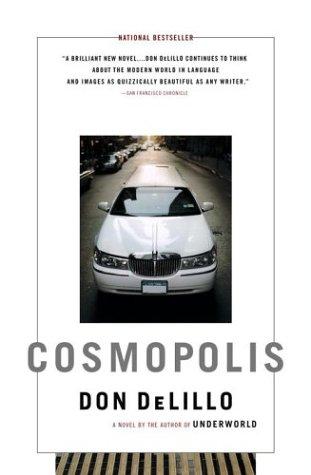
No. 91 on this list. Cosmopolis
Don DeLillo · 2003
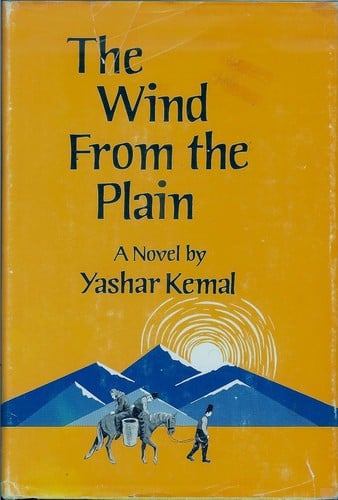
No. 92 on this list. The Wind from the Plain
Yasar Kemal · 1960
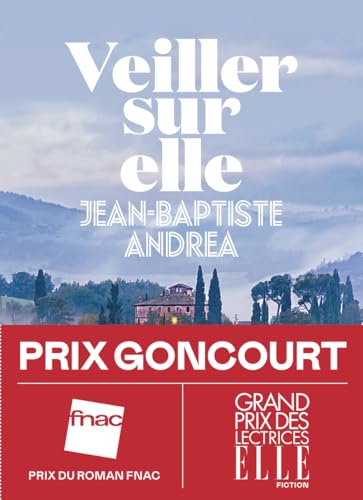
No. 93 on this list. Veiller sur elle
Jean-Baptiste Andrea · 2023
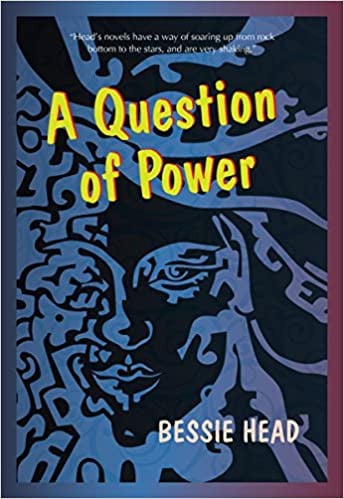
No. 94 on this list. A Question of Power
Bessie Head · 1974
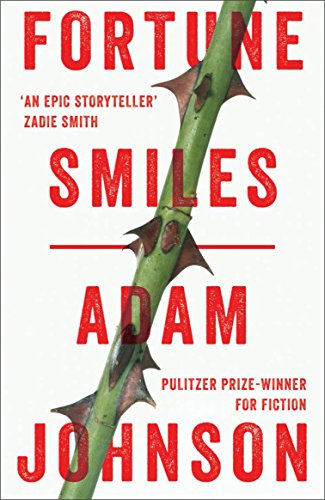
No. 95 on this list. Fortune Smiles
Adam Johnson · 2015
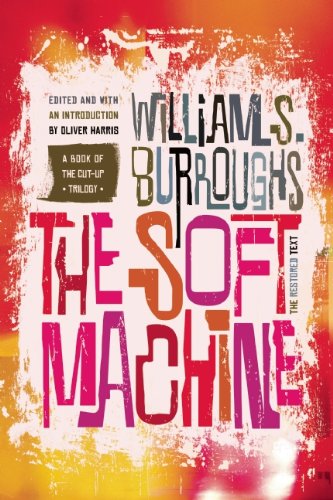
No. 96 on this list. The Soft Machine
William S. Burroughs · 1961
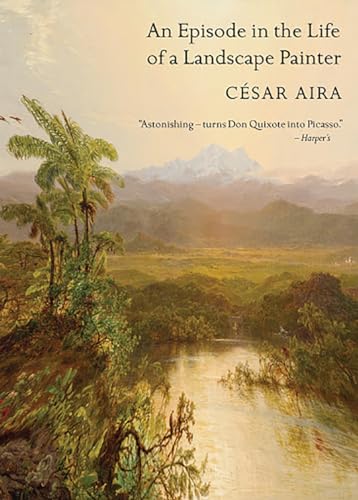
No. 97 on this list. An Episode in the Life of a Landscape Painter
César Aira · 2000
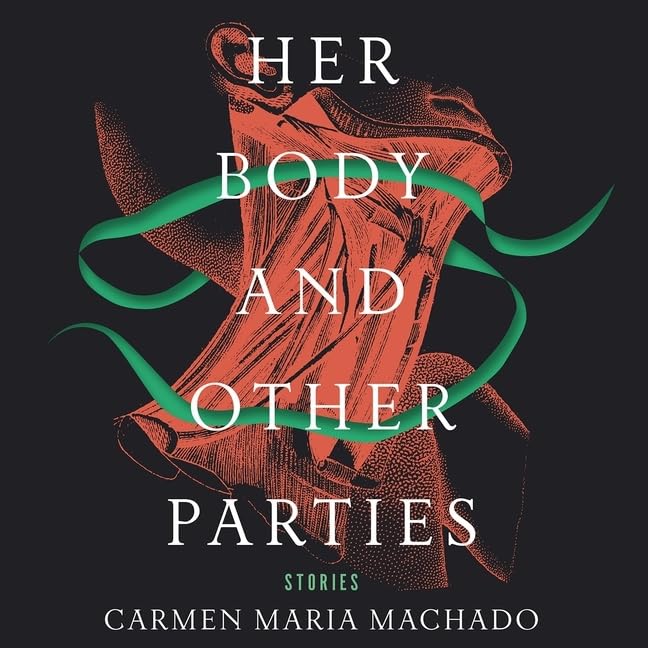
No. 98 on this list. Her Body and Other Parties
Carmen Maria Machado · 2017
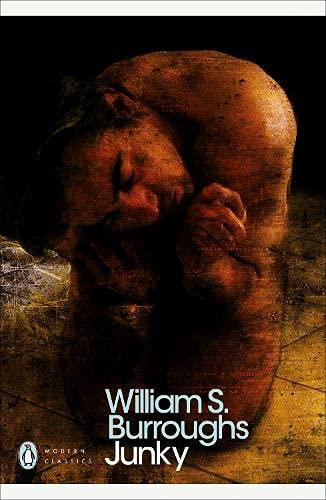
No. 99 on this list. Junky
William S. Burroughs · 1953
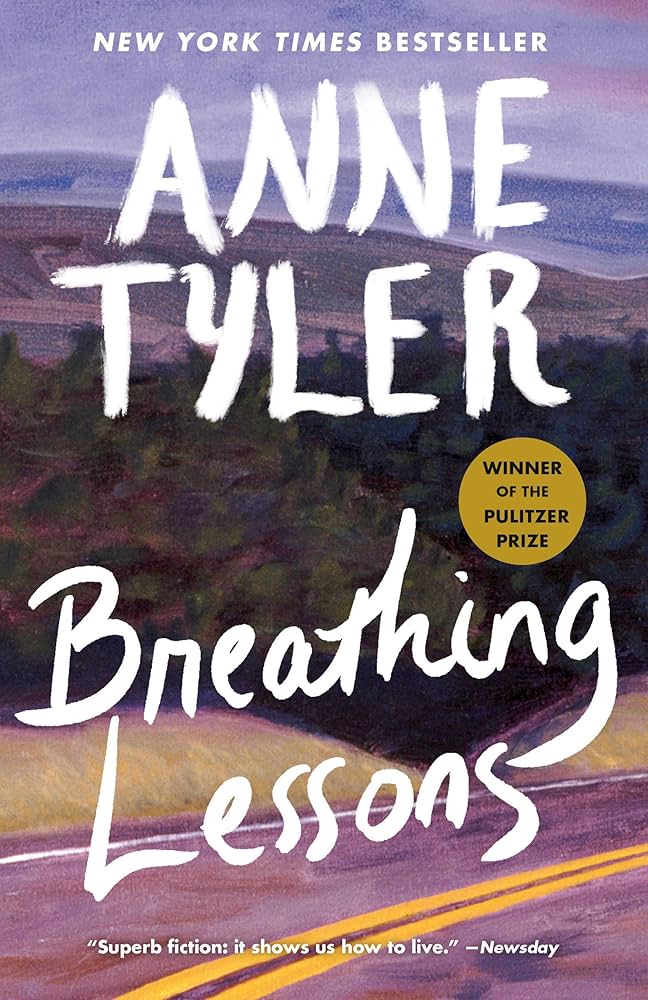
No. 100 on this list. Breathing Lessons
Anne Tyler · 1989
About this list
These 100 books are the highest-scoring eligible books about the body and illness currently in the catalogue. About 738 hours of reading in all. Difficulty runs from 51 to 66 out of 100 for the middle half of the list; the summit is The Sea, The Sea at 79.
This list is ranked by literary regard, with a consistent order for equal scores. Membership follows authors and co-authors, not translators or editors. A book is here when ReadingRate files it under The Body & Illness as one of its primary reading domains, at a confidence of 0.8 or more. Catalogue coverage and the historical canon both limit what this list can represent.
When we matched the Canons dataset to our catalogue in October 2026, our canonical-status scores rose with the number of school curricula, publisher series and lists in it that cite a work: the median score was 72 for books one such source cites, 84 at two, 88 at three, 92 at four and 93 at five or more. Prizes are left out of that count. Outside the state curricula, the dataset’s sources choose mostly from what has been translated into English or French, so it is a weaker check on other literatures. Source: Canons (Andrew Piper), CC BY 4.0
Questions people actually ask
- What are the best books about the body and illness?
- By literary regard, which weighs canonical status, critical standing and influence: The Love Song of J. Alfred Prufrock by T. S. Eliot, Life Studies by Robert Lowell, Richard III by William Shakespeare, Peer Gynt by Henrik Ibsen and Buddenbrooks: The Decline of a Family by Thomas Mann. ReadingRate ranks 100 such books, each with a difficulty score and a reading-time estimate.
- Which books about the body and illness should I read first?
- Start from difficulty, not from rank. The most approachable books on this list that still carry top literary regard are Life Studies by Robert Lowell (about 3 hours), Runaway by Alice Munro and Krapp's Last Tape by Samuel Beckett.
- What are the shortest of the best books about the body and illness?
- Among the top 25, the shortest are The Love Song of J. Alfred Prufrock by T. S. Eliot (about 14 min), Krapp's Last Tape by Samuel Beckett (about 18 min) and Diving into the Wreck by Adrienne Rich (about 47 min), at an average pace of 250 words a minute adjusted for each book's difficulty.
- Which of the best books about the body and illness are the established classics?
- By canonical status, how firmly a book sits in curricula, anthologies and the canon: The Love Song of J. Alfred Prufrock by T. S. Eliot, Life Studies by Robert Lowell, Richard III by William Shakespeare, Peer Gynt by Henrik Ibsen and Buddenbrooks: The Decline of a Family by Thomas Mann.
- Can I read any of these books about the body and illness for free?
- 7 of the 100 open in ReadingRate's reader with a free account, from public-domain editions: Richard III, The Rainbow, Lady Chatterley's Lover, Master and Man, The Man Who Laughs and 2 more.
- How long would it take to read the top ten?
- About 45 hours, at an average pace of 250 words a minute adjusted for each book's difficulty: 23 days at two hours a day. Set your own pace on the page and the list's reading times change to it.
- How hard are books about the body and illness to read?
- Most of this list sits between 51 and 66 on ReadingRate's 100-point difficulty scale, where 40 to 55 is moderate. The summit is The Sea, The Sea at 79. Every entry carries its own score, so a reader can pick a great book at a difficulty they will finish.
- How is this list ranked?
- On literary-regard data: how canonically established a work is, its critical standing, and its influence on later writing. It is not a readers’ poll, which is why recent bestsellers rarely appear. Membership follows authors and co-authors, not translators or editors. Lists by country, author, period, theme or difficulty keep to literature (fiction, poetry, drama and philosophy), their novels, poems and plays first and their philosophy after them; a list of a kind of book, such as memoir or criticism, keeps every book of that kind. Every list holds at most three works by one author. A book is here when ReadingRate files it under The Body & Illness as one of its primary reading domains, at a confidence of 0.8 or more.