Hours at an average pace
Showing 100 books
About 724 hours for 100 of 100 books with measured lengths. Estimates use 250 words a minute, adjusted for each book's difficulty. At 2 hours a day, about 362 days for those books.
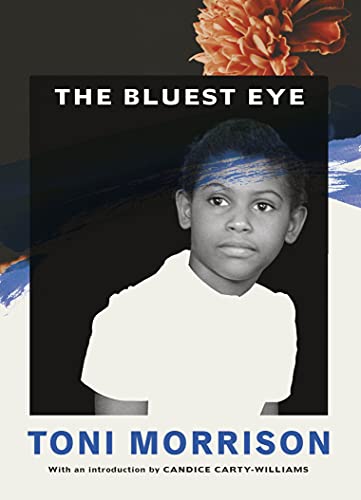
No. 1 on this list. The Bluest Eye
Toni Morrison · 1970
Challenging4.2 hours
Taught in schools: Common Core text exemplars (Appendix B) (US)
While not as universally canonical as Beloved, The Bluest Eye is firmly established in the American literary canon, widely taught in universities, and recognized as a landmark debut that announced a major voice in American letters.
As Morrison's seventh novel following her 1993 Nobel Prize, Paradise occupies secure canonical position. It completes Morrison's loose trilogy with Beloved and Jazz, cementing her exploration of African American historical trauma. The novel appears regularly on graduate syllabi and receives sustained scholarly attention. While perhaps less taught than Beloved or Song of Solomon, it represents mature-period Morrison at peak powers and contributes essential perspectives on black utopian communities, gender conflict, and religious violence.
It is a summer afternoon in June 1939, six weeks before England declares war. At Pointz Hall, a country house in the English south, the Oliver family — old Bartholomew, his daughter-in-law Isa, his son Giles, and his sister Lucy Swithin — gathers for the annual village pageant. The guests arrive: Mrs. Manresa, radiant and reckless; William Dodge, a clerk with a damaged secret. Miss La Trobe, the pageant's director, crouches behind a tree and curses the wind. The pageant runs through English history — Chaucer, Elizabeth I, the Victorians — using village actors, a sputtering gramophone, and a script always threatening to collapse. The audience half-follows, gossips about the vicar, and files out for tea. Meanwhile Isa carries an unspoken passion for a man in grey she has met only twice. Giles seethes at his own inaction as catastrophe approaches. Lucy broods on prehistory and fish. Woolf gives her final novel no plot to resolve. The pageant ends; the audience disperses; the gramophone gurgles "Unity — Dispersity" and stops mid-word. That evening, after the strangers leave, Isa and Giles are alone together for the first time all day — and the novel ends on two words: "They spoke." What came before those words, in the charged silences between the day's acts, is Woolf's entire subject: fragmented desires, incomplete sentences, and the swallows that have returned every summer since before civilization, and may return when it is gone.
Pulitzer Prize finalist (2009) and the first entry in a trilogy whose second volume, The Round House, won the National Book Award. Taught in university courses on contemporary American and Native American literature, with an established academic presence in postcolonial and ethnic studies. Widely regarded as one of Erdrich's most formally accomplished novels.
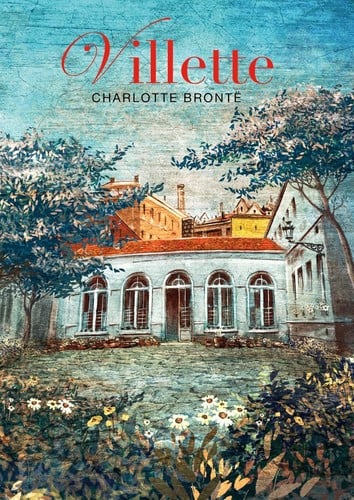
Widely taught in advanced 19th-century literature courses and Victorian fiction seminars, though less ubiquitous than Jane Eyre. Contemporary scholarship increasingly positions Villette as Brontë's most sophisticated novel; it appears regularly on university syllabi in feminist literary criticism and psychological realism tracks.
A staple of American literature curricula and frequently anthologized. The novel appears consistently in college surveys of 20th-century fiction and Southern Gothic literature. Academic recognition centers on its inaugural treatment of diverse characters and psychological depth rather than universal canonicity.
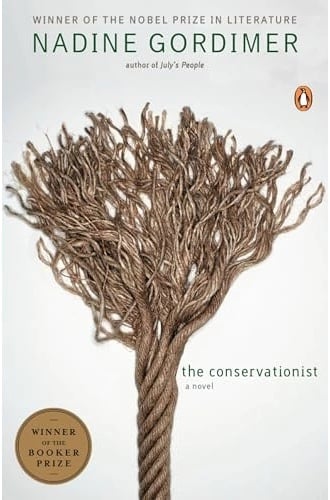
Mehring, a wealthy Johannesburg industrialist, has purchased a farm outside the city—less for profit than as refuge from his collapsing marriage, his estranged radical son, and his unsatisfying affair. When a dead Black man is found on his land, hastily buried by police who cannot identify the body, Mehring treats it as bureaucratic nuisance rather than moral crisis. He prides himself on being a progressive landowner who pays fair wages and respects his workers, yet his liberalism cannot acknowledge the corpse as ancestral claim or historical reckoning. Gordimer narrates through Mehring's evasive consciousness, her prose registering the minutiae of farm management—cattle diseases, pasture conditions, labor arrangements—while circling obsessively around the burial site he tries to forget. The narrative crosscuts between his weekend visits and the farm's rhythms in his absence, where workers Jacobus and Solomon maintain routines inflected by meanings Mehring cannot access. When floods exhume the body, the workers perform proper burial rites, restoring him to the land in ceremonies that supersede Mehring's title deeds. Gordimer withholds resolution: Mehring remains uncomprehending, his ownership revealed as legal fiction layered atop deeper claims the novel anatomizes but does not resolve.
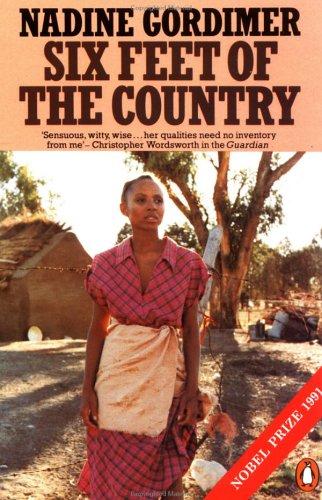
Widely recognized as a cornerstone of post-colonial and South African literature. Appears consistently in university curricula and anthologies of significant twentieth-century short fiction. Represents a crucial moment in articulating apartheid-era social consciousness.
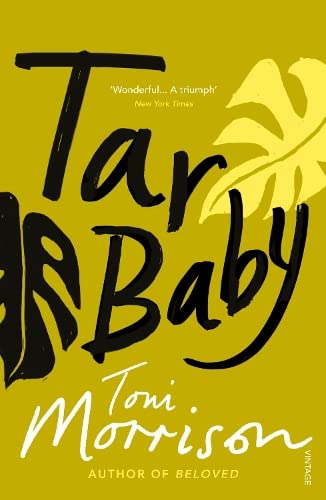
On Isle des Chevaliers, a Caribbean island reshaped by Haitian labor and American money, Valerian Street — a retired Philadelphia candy magnate — cultivates hydrangeas in his greenhouse and avoids his neighbors. His wife Margaret, his butler Sydney and cook Ondine, and his niece Jadine, a model trained in Paris, share the villa in a state of maintained tension. When Son — a Black American fugitive who stowed away on their supply boat — is discovered hiding in the house, he breaks open every unspoken arrangement the household depends on. Morrison uses the folk tale of the tar baby as the novel's armature: Jadine and Son become stuck to each other in a relationship that neither can survive and neither can leave. She embodies what he calls racial betrayal — educated in Europe, photographed in furs, at home nowhere. He embodies what she calls romantic primitivism — a man out of time, faithful to a Black Southern past that she finds suffocating. Morrison writes this conflict without a referee. The Caribbean setting is not backdrop but argument — the swamp, the rain forest, the blind horsemen who ride the hills at night all carry the weight of African spiritual history beneath the colonial surface. The novel ends on a mythic image: Son running toward those horsemen, Jadine flying back to Paris. Morrison offers no verdict on who was right.
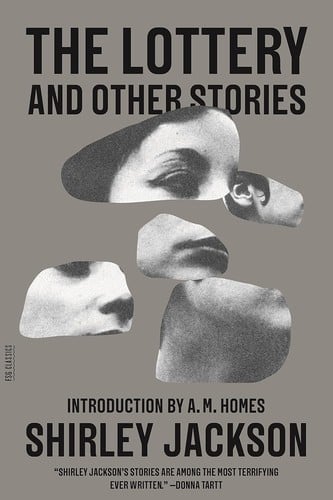
The title story 'The Lottery' is one of the most anthologized and taught short stories in the American canon, appearing in virtually every introduction-to-fiction textbook. The collection itself appears regularly on American short-story syllabi. Jackson's work has experienced a major critical reassessment since the 2010s, elevating her from genre curiosity to recognized American master.
No. 11 on this list. Ceremony · Leslie Marmon Silko · 1977
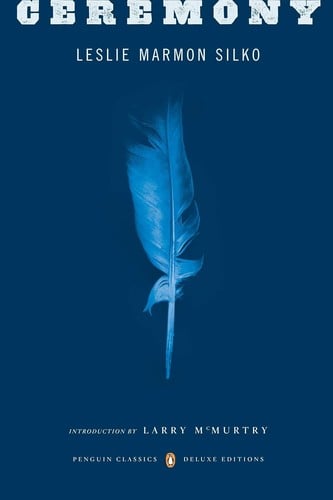
Tayo comes home from the Pacific War unable to sleep. The voices won't stop—Japanese soldiers shouting, his uncle Josiah calling to him through jungle heat, his cousin Rocky dying in the mud of a prison march. The VA hospital calls it battle fatigue. His grandmother calls for a medicine man. The land around Laguna Pueblo is in its sixth year of drought, and Tayo believes, with a guilt that sits in his stomach like a stone, that he caused it—that his wartime curse against the rain followed him home. Silko writes two novels at once: a realist account of a mixed-blood veteran's breakdown and his slow return to the living, and a mythic narrative of Laguna ceremony, the stories of Thought-Woman and Reed Woman and Hummingbird woven directly into the prose as poetry. The two registers don't sit beside each other—they bleed into each other, memory becoming hallucination, hallucination becoming vision, vision becoming healing. The spotted Mexican cattle Josiah bought before the war, wild and drought-adapted and worth finding, serve as Tayo's purpose and his proof that something can survive. The novel ends with resolution—Tayo completes his ceremony, the rain returns—but not before Silko has made plain what was nearly lost: the web of story that holds a people together, which colonial schooling nearly succeeded in cutting. This is a novel about what stories do when they are the only medicine left.
Challenging7 hours
Start this bookNo. 12 on this list. The Dream of a Common Language · Adrienne Rich · 1978
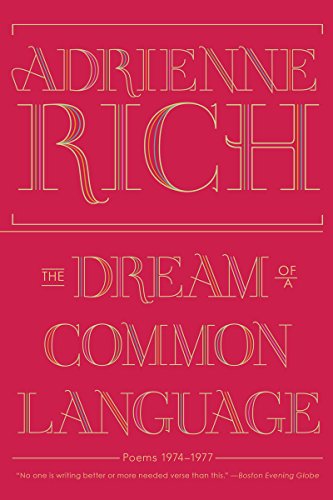
The Dream of a Common Language is taught widely in feminist literary studies, women's poetry, and American poetry courses at the university level. It has no dedicated Wikipedia article in the database but Rich herself is a foundational figure in the canon of late twentieth-century American poetry, and this collection is consistently cited as central to her legacy and to the feminist poetry movement of the 1970s.
Challenging1.1 hours
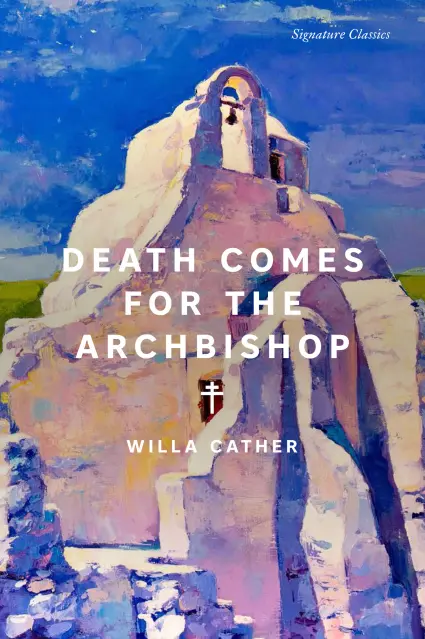
Start this bookNo. 13 on this list. Death Comes for the Archbishop · Willa Cather · 1927
The great American novel of Southwestern landscape and faith. Bishop Latour's decades in New Mexico became meditation on vocation, place, and mortality. Core text in American literature courses.
Moderate4.5 hours
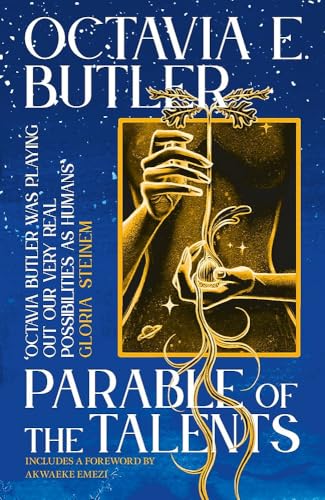
Read nowNo. 14 on this list. Parable of the Talents · Octavia E. Butler · 1998
Winner of the Nebula Award for Best Novel (1999). Widely taught in speculative fiction, Afrofuturism, and American dystopia courses. The Parable duology is among the most assigned works in contemporary SF syllabi and is firmly canonical within the genre; its canonical standing in broader American literary culture continues to grow.
Challenging13 hours
Start this bookNo. 15 on this list. The Story of an Hour · Kate Chopin
One of the most anthologized American short stories, taught widely in high school and college courses on American literature and feminist writing. It is a fixture of short fiction curricula.
Moderate35 min
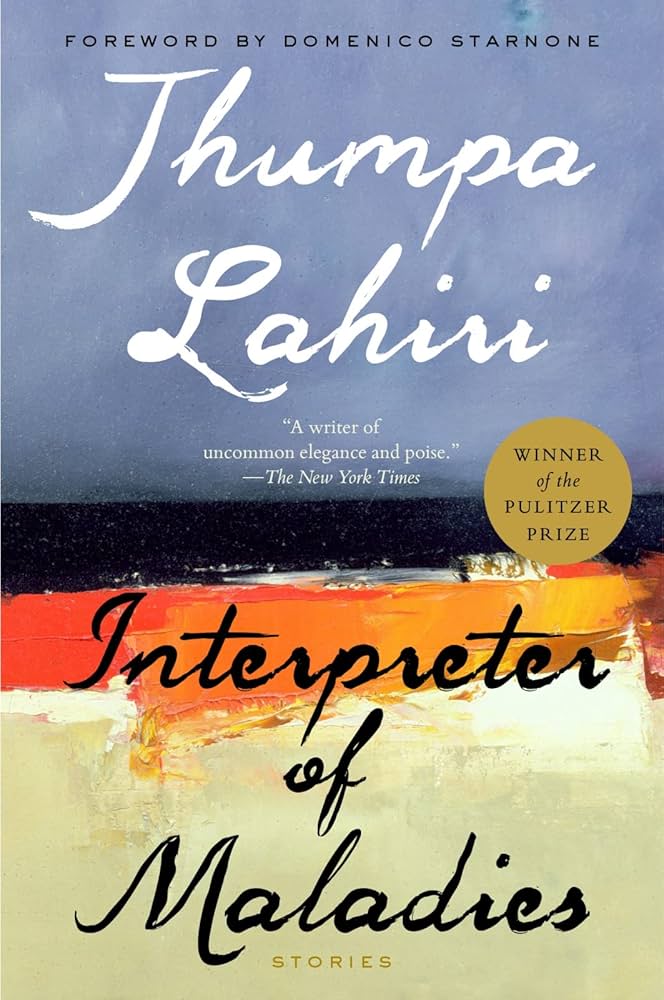
Start this bookNo. 16 on this list. Interpreter of Maladies · Jhumpa Lahiri · 2000
Since winning the Pulitzer Prize in 2000, the collection has become a staple of American literature and creative writing curricula, particularly in courses on immigration, diaspora, and the contemporary short story. It occupies a secure position in late-20th-century American literature anthologies and is widely taught in high schools and universities.
Moderate4.1 hours
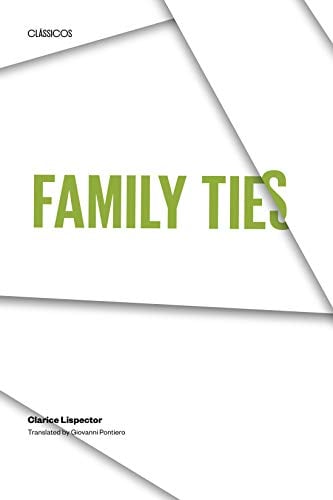
Start this bookNo. 17 on this list. Family Ties · Clarice Lispector · 1960
Family Ties appears regularly on comparative literature and Latin American literature syllabi worldwide, and Lispector is among the most studied Lusophone writers in university world literature courses. No syllabus count was captured in the database, but her work has sustained continuous academic inclusion since the 1960s. Hélène Cixous's book-length critical study of Lispector (The Stream Running Nowhere) cemented the collection's place in the Western literary canon.
Difficult3.6 hours
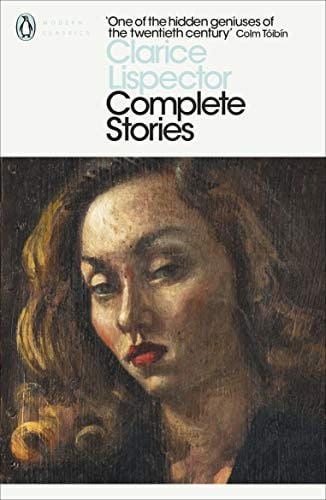
Start this bookNo. 18 on this list. The Complete Stories · Clarice Lispector
Lispector holds a firm place in comparative literature and Latin American literature syllabi globally, and her work appears in women's writing and world literature courses at major universities. No Open Syllabus data is available for this specific collection, but Lispector as an author is consistently included in world literature canons alongside Borges and García Márquez. The 2015 New Directions translation by Katrina Dodson dramatically expanded her anglophone reach and prestige.
Difficult22 hours
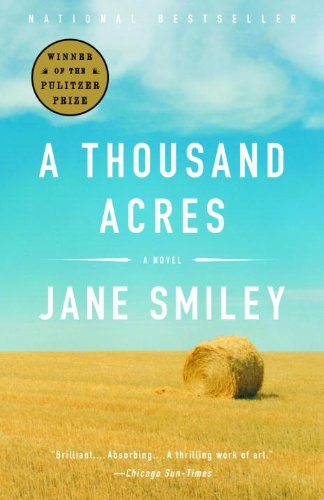
Start this bookNo. 19 on this list. A Thousand Acres · Jane Smiley · 1992
A Thousand Acres won the Pulitzer Prize for Fiction in 1992 and secured major recognition as a contemporary American realist masterpiece. It occupies a prominent place in contemporary literary canon, particularly within discussions of feminist revision of literary inheritance and the domestic novel.
Moderate8.5 hours
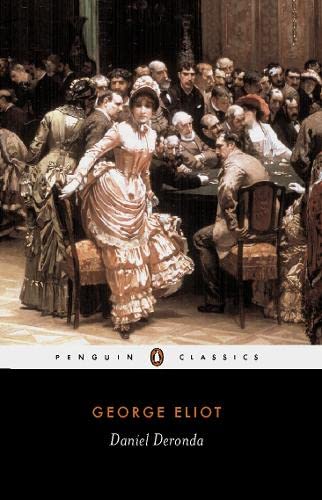
Start this bookNo. 20 on this list. Daniel Deronda · George Eliot · 1876
Daniel Deronda appears regularly on Victorian literature and nineteenth-century fiction syllabi at universities across the English-speaking world. While Middlemarch holds the stronger canonical position for Eliot, Daniel Deronda is widely assigned in courses on the Victorian novel, Jewish literature, and the literature of nationalism. Its Wikipedia article exists in numerous languages, reflecting its global scholarly recognition.
Challenging27 hours
Read now

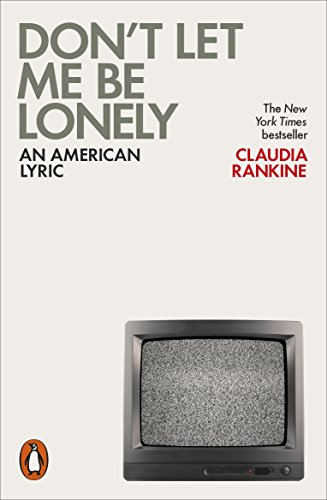
No. 21 on this list. Don't Let Me Be Lonely · Claudia Rankine · 2004
Don't Let Me Be Lonely is taught widely in contemporary American poetry courses, hybrid-genre writing seminars, and courses on race and American literature, though no syllabus data was returned by the database. Rankine's later book Citizen eclipsed it in mainstream visibility, but this volume is recognized as the formal and thematic origin of her "American Lyric" project. It occupies a firm position in serious literary syllabi without approaching the ubiquity of canonical novels.
Difficult2.7 hours
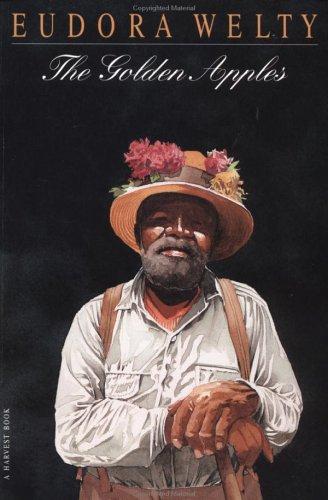
Start this bookNo. 22 on this list. The Golden Apples · Eudora Welty · 1949
Virgie Rainey swallowed a button the day King MacLain came back to Morgana and then fled his own front porch before knocking. That's where Eudora Welty's sequence of seven stories begins—with a gossipy neighbor churning butter and narrating what she barely witnessed. The Golden Apples spans fifty years of life in Morgana, Mississippi: King's twin sons growing up without him, the German piano teacher Miss Eckhart pouring Beethoven into children who will barely remember her, a girl nearly drowning at a summer camp while a boy scout named Loch Morrison watches from the bank with the calculating dispassion of someone taking notes. Welty writes in multiple voices, each distinct—the vernacular monologue of 'Shower of Gold,' the double-stranded telescope-and-memory narration of 'June Recital,' the hallucinatory street-walking of 'Music from Spain'—and all of them circle the same problem: what we owe one another across the distance of separate selves. The book's mythological scaffolding (Perseus, Orpheus, Zeus's golden shower, Yeats's wandering Aengus) operates beneath the surface, surfacing only in charged moments. The final image—Virgie on a courthouse stile in October rain, hearing through it 'the running of the horse and bear, the stroke of the leopard, the dragon's crusty slither'—earns its strangeness. This is literary fiction that demands full attention and rewards rereading.
Difficult12 hours
Start this bookNo. 23 on this list. Adam Bede · George Eliot · 1859
Adam Bede appears regularly on Victorian literature and 19th-century British fiction syllabi at universities worldwide, and is the standard entry point to George Eliot's work in courses that cannot assign the longer Middlemarch. It is included in most survey courses of the Victorian novel. Its canonical status within the Eliot corpus is secondary only to Middlemarch and The Mill on the Floss, but within the broader Victorian canon it holds a secure if not dominant position — consistently anthologized, consistently in print, and consistently cited as a foundational work of Victorian realism.
Moderate13 hours
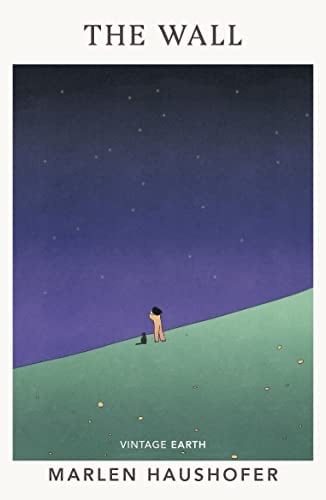
Read nowNo. 24 on this list. The Wall · Marlen Haushofer · 1963
Recognized as a masterpiece of Austrian literature and feminist writing, taught in German literature courses and increasingly included in world literature curricula as an essential post-war text.
Challenging6.6 hours
Start this bookNo. 25 on this list. Storyteller · Leslie Marmon Silko · 1981
Storyteller appears on hundreds of university syllabi in Native American literature, American literature, and women's studies courses, making it required reading in its subfield. It is consistently cited among the essential works of Indigenous American writing and is included in major survey anthologies of American literature. While not at the saturation level of Beloved (85) or The Great Gatsby (95), it is a fixture in any serious Native American literature curriculum.
Challenging4.9 hours
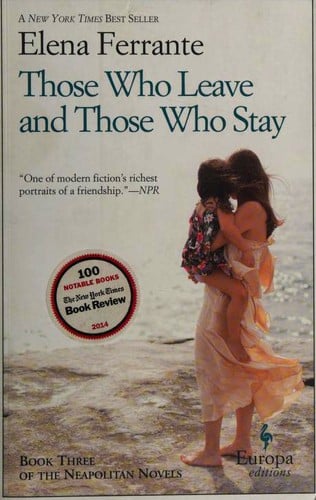
Start this bookNo. 26 on this list. Those Who Leave and Those Who Stay · Elena Ferrante · 2013
The Neapolitan Novels have become required reading in contemporary fiction and world literature courses across Europe and North America, and the series as a whole appears on hundreds of university syllabi. This third volume is less commonly assigned as a standalone text than the series opener, but no major literary conversation about contemporary Italian fiction or female friendship narratives omits it. The series' Wikipedia presence spans 30+ languages, signaling genuine global reach.
Challenging12 hours
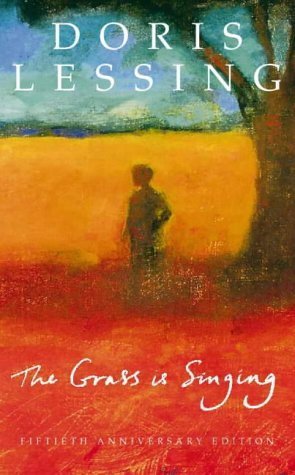
Start this bookNo. 27 on this list. The Grass is Singing · Doris Lessing · 1950
Taught in schools: CSEC English B – Caribbean Examinations Council
Included in: Heinemann African Writers Series
Regularly appears on postcolonial literature syllabi and is considered essential reading within Lessing's body of work. No syllabus data is available in the database, but the novel has maintained continuous presence in academic courses on African literature, colonial fiction, and twentieth-century British writing since its 1950 publication.
Difficult8.6 hours
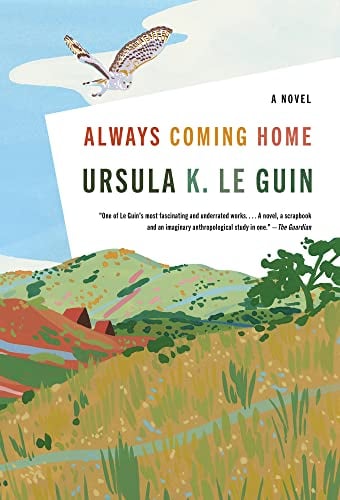
Start this bookNo. 28 on this list. Always Coming Home · Ursula K Le Guin · 1985
Always Coming Home appears on 72 university syllabi according to Open Syllabus Project data (46th percentile), primarily in science fiction, utopian literature, and feminist studies courses. Its Wikipedia article exists in only 4 languages — modest global reach for a book of this ambition. The book is well-known within Le Guin scholarship and SF studies but has not achieved the broad canonical presence of Le Guin's The Left Hand of Darkness or The Dispossessed. It was a National Book Award finalist in 1985 and is included in the Library of America's Le Guin edition, which confirms critical recognition without mass adoption.
Challenging14 hours
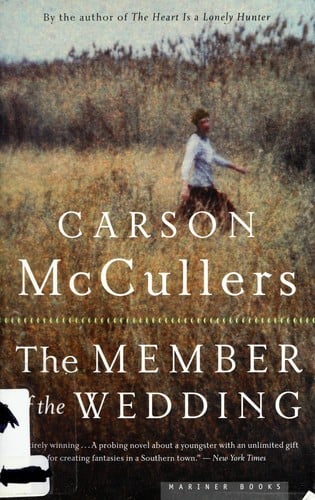
Start this bookNo. 29 on this list. The Member of the Wedding · Carson McCullers · 1946
Frankie Addams is twelve years old and has been excluded from everything — every club, every game, every sense of belonging. The summer her brother gets married, she seizes on a plan: she will join the wedding, travel with the newlyweds, become part of something larger than herself. She renames herself F. Jasmine Addams and tells everyone in town she is about to leave forever. McCullers sets almost the entire novel in a kitchen: Frankie, her six-year-old cousin John Henry, and the family's cook Berenice Sadie Brown, talking through a summer afternoon that feels both eternal and vanishing. What gets said — about loneliness, about being caught in your own skin, about the desperate wish to belong to a 'we' — makes the kitchen feel like the whole world. The wedding turns out exactly as badly as the reader suspects it will. Frankie's grand illusions collapse in a matter of hours. But the collapse is the point. McCullers writes adolescence not as a phase but as a philosophical condition: the agony of being a self that doesn't yet fit anywhere. The prose moves between Frankie's feverish interior monologues and Berenice's steady, unsentimental wisdom. The novel ends in early autumn with everything changed and nothing resolved — a shape that feels less like failure than like honesty.
Challenging5.5 hours
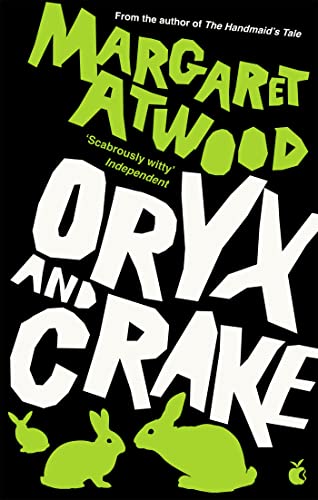
Start this bookNo. 30 on this list. Oryx and Crake · Margaret Atwood · 2003
Appears on 699 university syllabi (71st percentile in the Open Syllabus Project), placing it firmly in regular academic use across contemporary fiction, speculative fiction, and environmental humanities courses. Its Wikipedia article exists in 15 languages with dedicated reception and adaptations sections, indicating modest but real global reach. It ranks well below foundational canonical texts but well above most genre fiction.
Difficult14 hours
Start this book
No. 31 on this list. Silas Marner
George Eliot · 1861
Taught in schools: CSEC English B – Caribbean Examinations Council, Pearson Edexcel GCSE and A-level English Literature (UK), WJEC/Eduqas GCSE and A-level English Literature (UK)
No. 32 on this list. Brown Girl Dreaming
Jacqueline Woodson · 2014
No. 33 on this list. Under the Net
Iris Murdoch · 1954
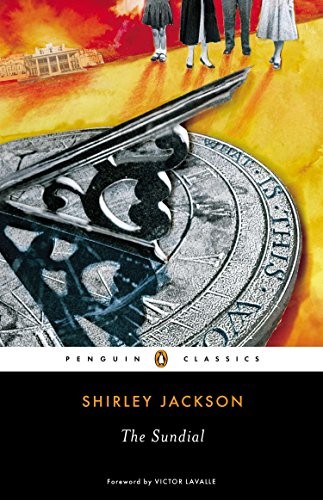
No. 34 on this list. The Sundial
Shirley Jackson · 1958
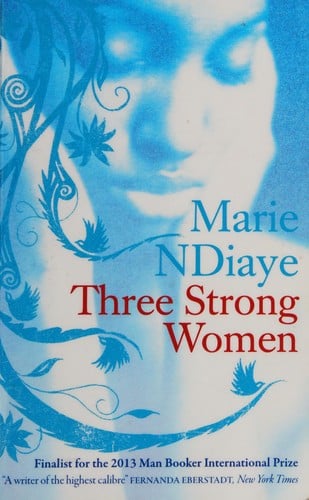
No. 35 on this list. Three Strong Women
Marie NDiaye · 2009
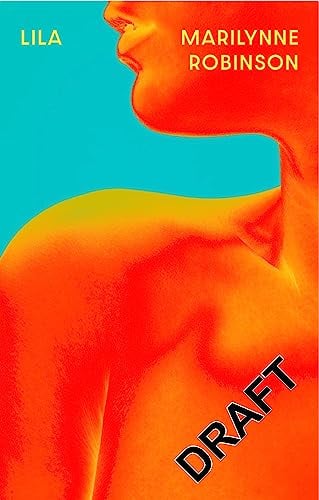
No. 36 on this list. Lila
Marilynne Robinson · 2015
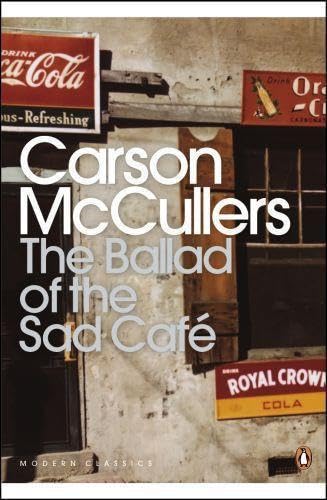
No. 37 on this list. The Ballad of the Sad Café
Carson McCullers · 1951
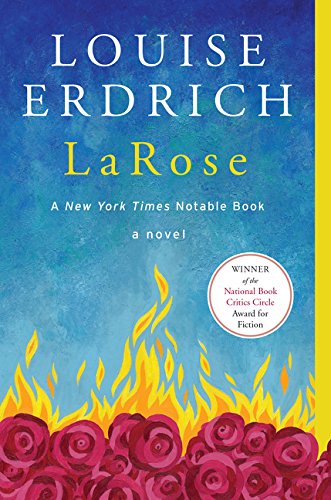
No. 38 on this list. LaRose
Louise Erdrich · 2016
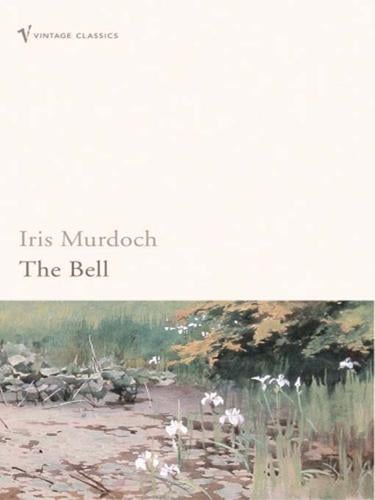
No. 39 on this list. The Bell
Iris Murdoch · 1958
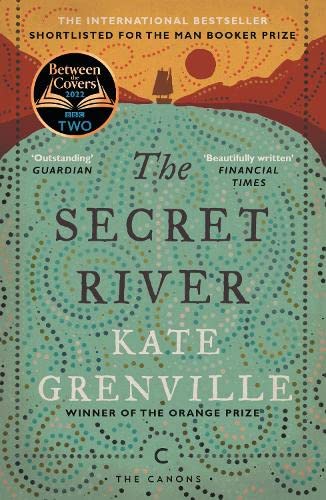
No. 40 on this list. The Secret River
Kate Grenville · 2006
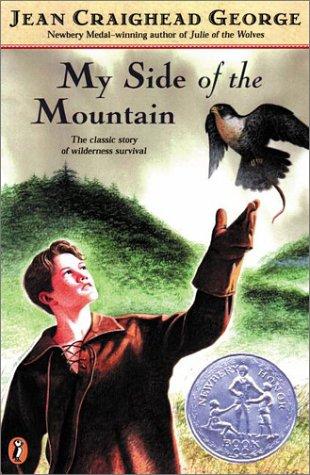
No. 41 on this list. My Side of the Mountain
Jean Craighead George · 1959
Taught in schools: CSEC English B – Caribbean Examinations Council
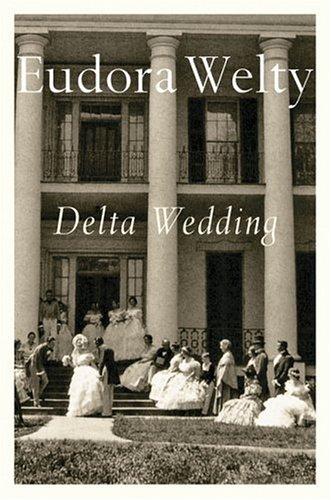
No. 42 on this list. Delta Wedding
Eudora Welty · 1946
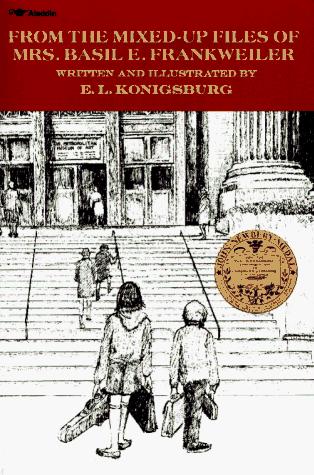
No. 43 on this list. From the Mixed-Up Files of Mrs. Basil E. Frankweiler
E.L. Konigsburg · 1967
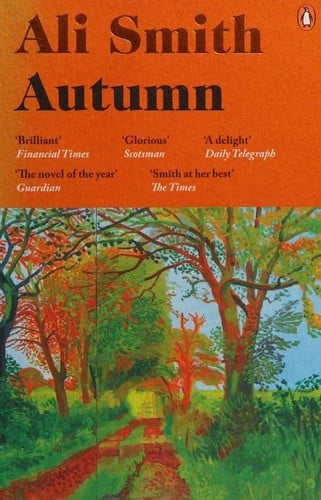
No. 44 on this list. Autumn
Ali Smith · 2017
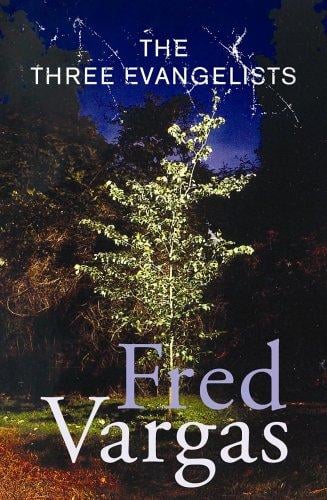
No. 45 on this list. The Three Evangelists
Fred Vargas · 1995
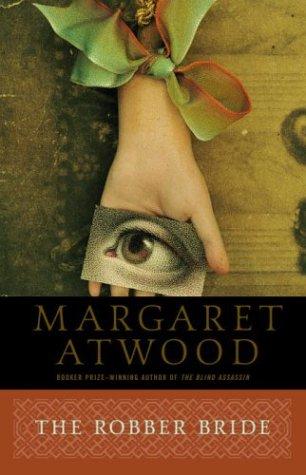
No. 46 on this list. The Robber Bride
Margaret Atwood · 1993
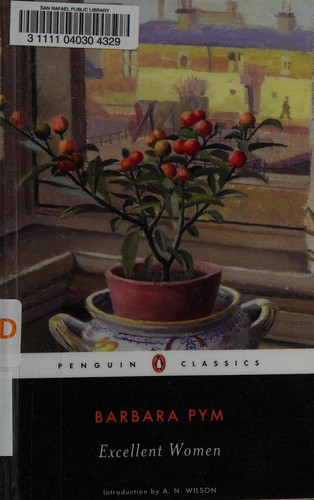
No. 47 on this list. Excellent Women
Barbara Pym · 1952
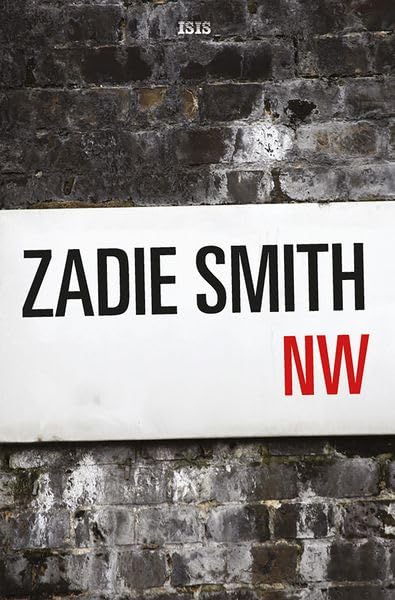
No. 48 on this list. NW
Zadie Smith · 2013
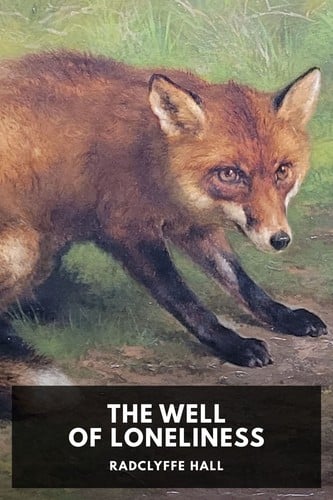
No. 49 on this list. The Well of Loneliness
Radclyffe Hall · 1928
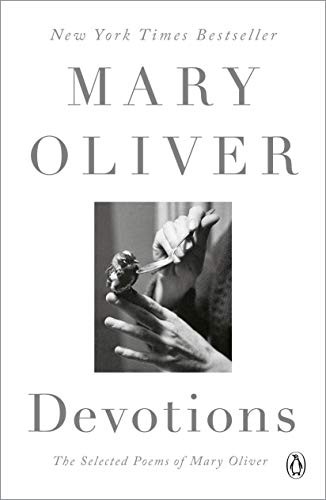
No. 50 on this list. Devotions
Mary Oliver · 2017
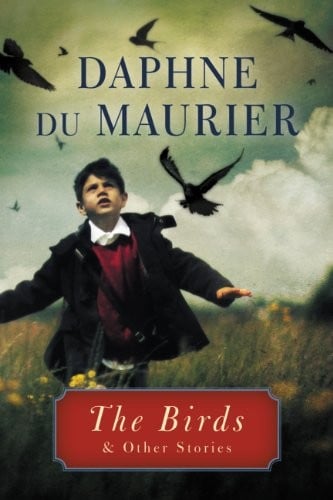
No. 51 on this list. The Birds and Other Stories
Daphne du Maurier · 1952
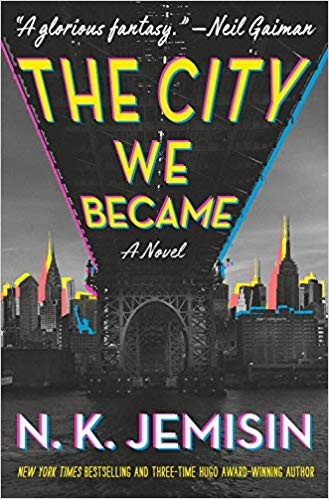
No. 52 on this list. The City We Became
N.K. Jemisin · 2020
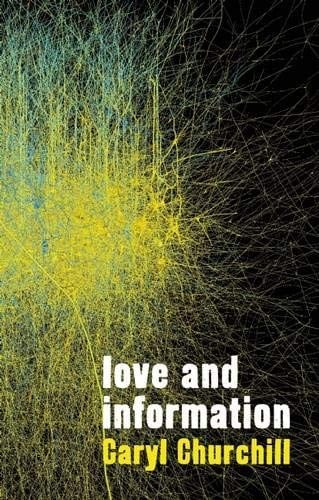
No. 53 on this list. Love and Information
Caryl Churchill · 2012
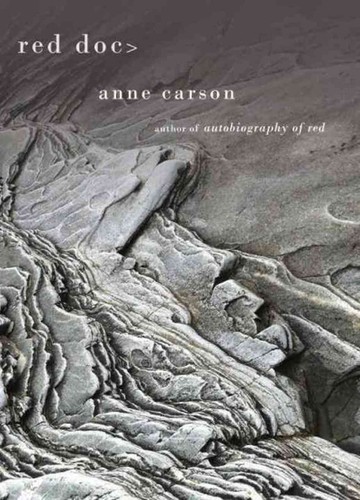
No. 54 on this list. Red Doc>
Anne Carson · 2013
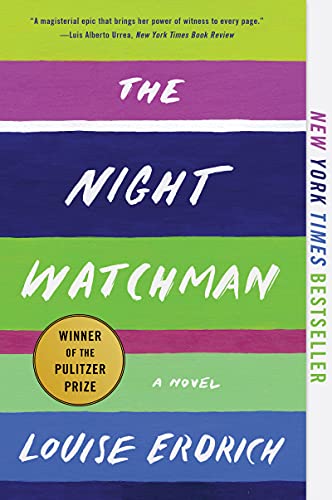
No. 55 on this list. The Night Watchman
Louise Erdrich · 2021
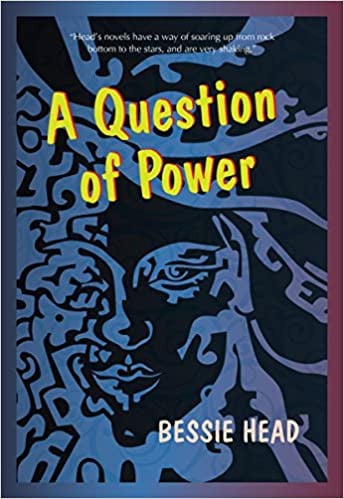
No. 56 on this list. A Question of Power
Bessie Head · 1974
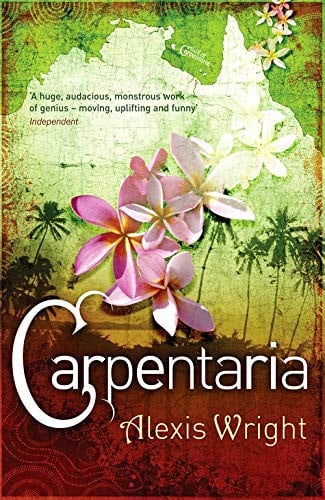
No. 57 on this list. Carpentaria
Alexis Wright · 2006
No. 58 on this list. Harrow
Joy Williams · 2021
No. 59 on this list. Small Island
Andrea Levy · 2005
Taught in schools: AQA GCSE and A-level English Literature (UK)
No. 60 on this list. The Inheritance of Loss
Kiran Desai · 2006
No. 61 on this list. The Bone People
Keri Hulme · 1985
No. 62 on this list. The Nine Tailors
Dorothy L. Sayers · 1934
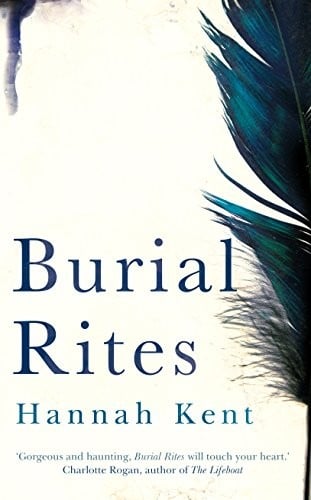
No. 63 on this list. Burial Rites
Hannah Kent · 2014
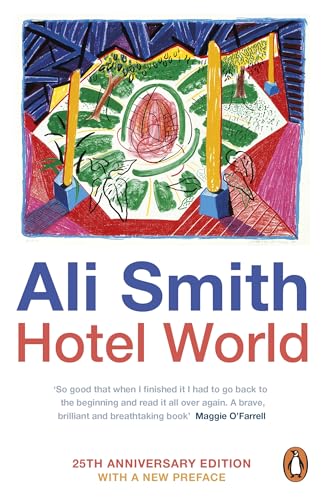
No. 64 on this list. Hotel World
Ali Smith · 2001
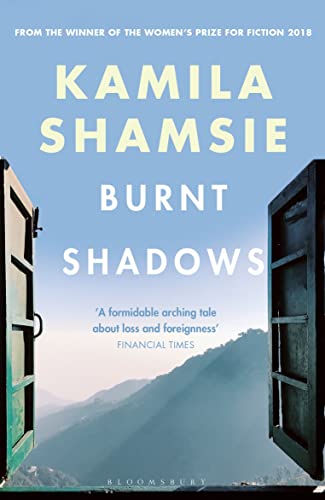
No. 65 on this list. Burnt Shadows
Kamila Shamsie · 2009
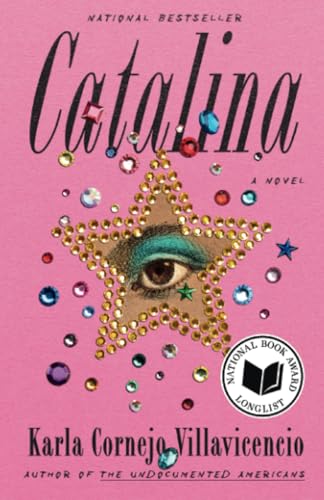
No. 66 on this list. Catalina
Karla Cornejo Villavicencio · 2024
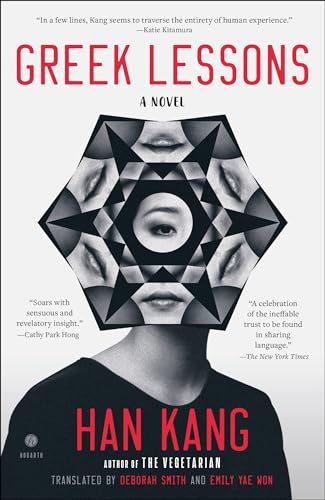
No. 67 on this list. Greek Lessons
Han Kang · 2011
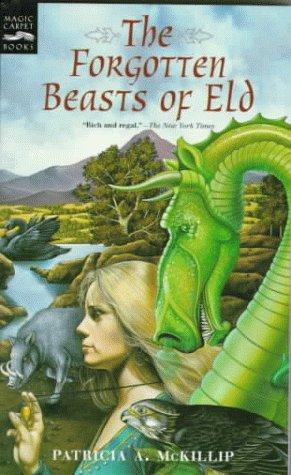
No. 68 on this list. The Forgotten Beasts of Eld
Patricia McKillip · 1974
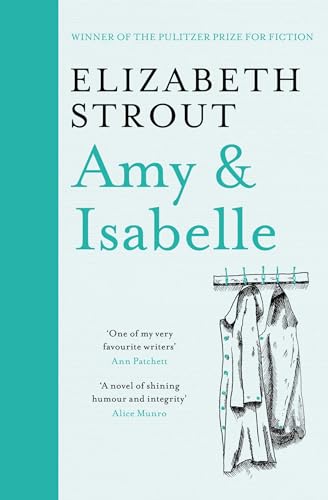
No. 69 on this list. Amy and Isabelle
Elizabeth Strout · 2005
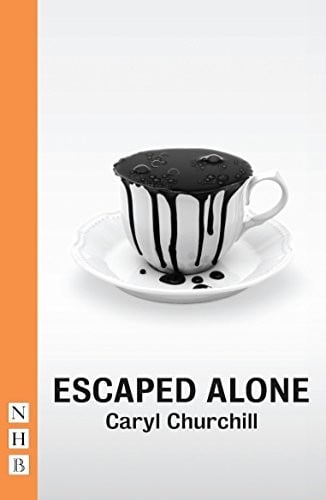
No. 70 on this list. Escaped Alone
Caryl Churchill · 2016

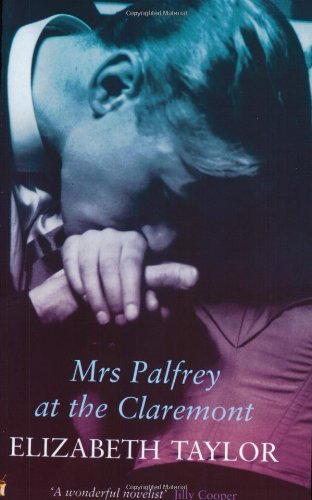
No. 71 on this list. Mrs. Palfrey at the Claremont
Elizabeth Taylor · 1971
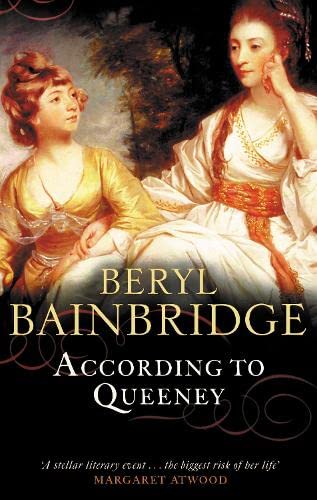
No. 72 on this list. According to Queeney
Beryl Bainbridge · 2001
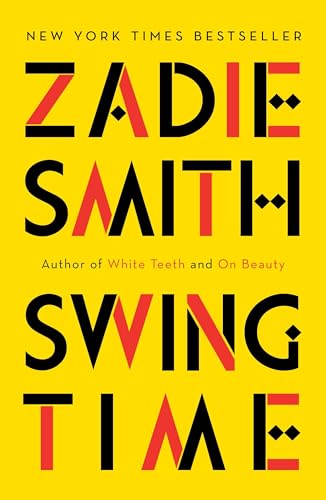
No. 73 on this list. Swing Time
Zadie Smith · 2017
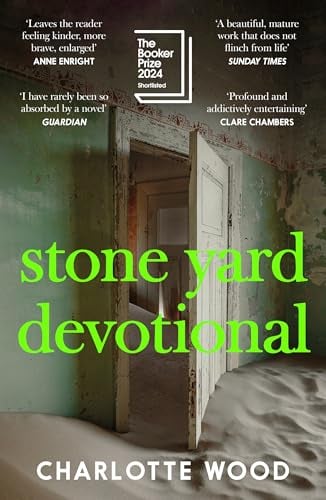
No. 74 on this list. Stone Yard Devotional
Charlotte Wood · 2024
No. 75 on this list. Eleanor Oliphant Is Completely Fine
Gail Honeyman · 2018
No. 76 on this list. Number the Stars
Lois Lowry · 1989
No. 77 on this list. Redhead by the Side of the Road
Anne Tyler · 2020
No. 78 on this list. Lord of Misrule
Jaimy Gordon · 2010
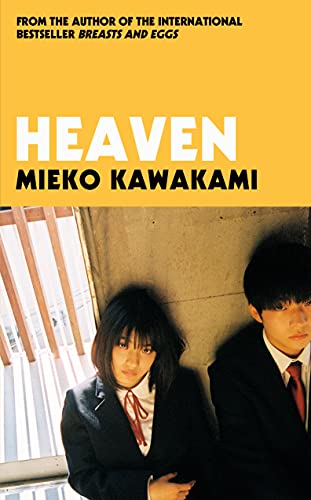
No. 79 on this list. Heaven
Mieko Kawakami · 2022
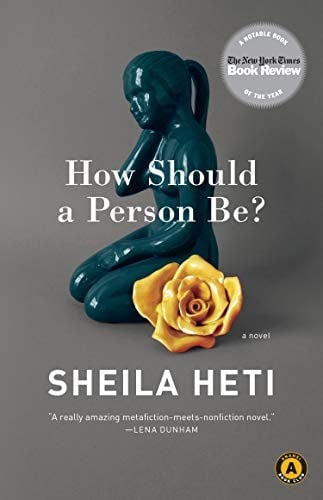
No. 80 on this list. How Should a Person Be?
Sheila Heti · 2012
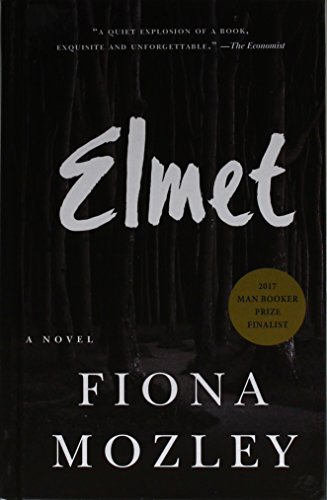
No. 81 on this list. Elmet
Fiona Mozley · 2017
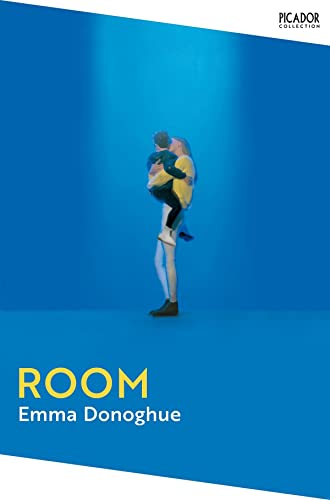
No. 82 on this list. Room
Emma Donoghue · 2010
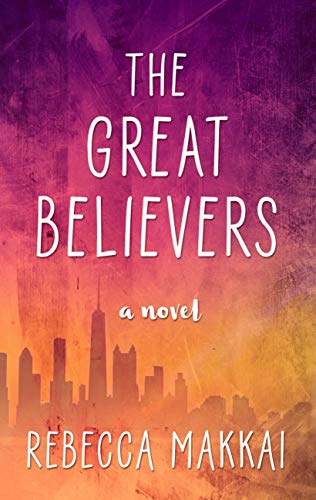
No. 83 on this list. The Great Believers
Rebecca Makkai · 2019
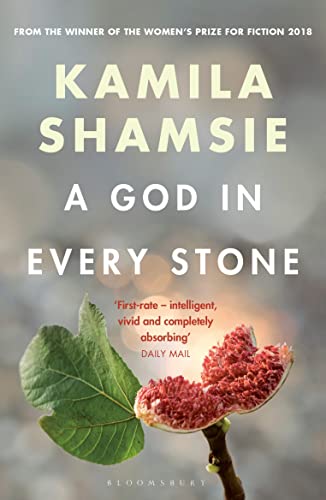
No. 84 on this list. A God in Every Stone
Kamila Shamsie · 2015
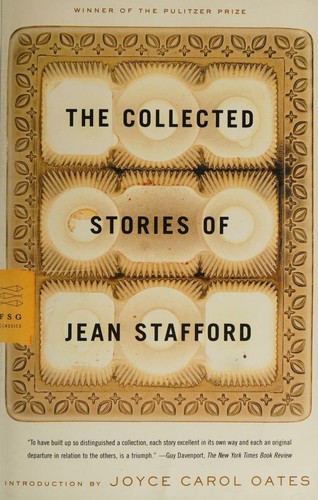
No. 85 on this list. The Collected Stories of Jean Stafford
Jean Stafford · 1970
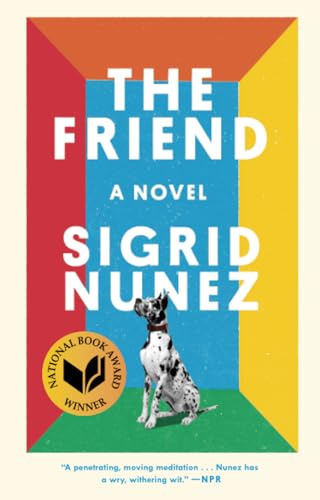
No. 86 on this list. The Friend
Sigrid Nunez · 2018
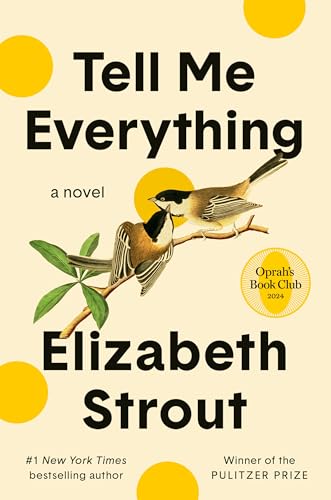
No. 87 on this list. Tell Me Everything
Elizabeth Strout · 2025
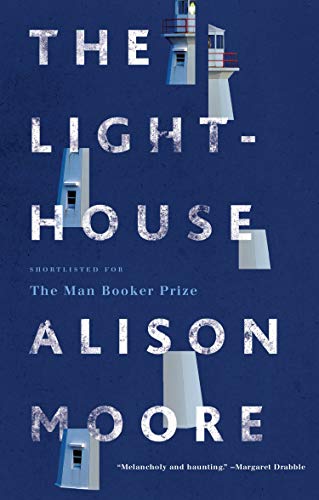
No. 88 on this list. The Lighthouse
Alison Moore · 2012
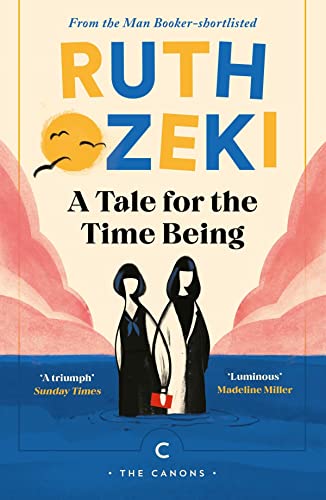
No. 89 on this list. A Tale for the Time Being
Ruth Ozeki · 2013
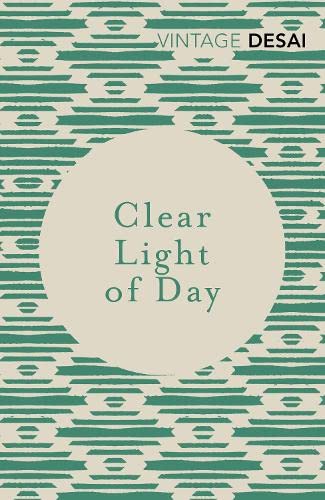
No. 90 on this list. Clear Light of Day
Anita Desai · 1980
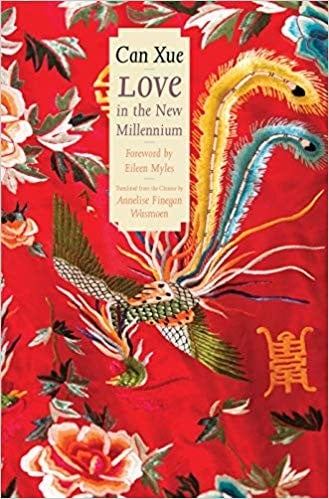
No. 91 on this list. Love in the New Millennium
Can Xue · 2013
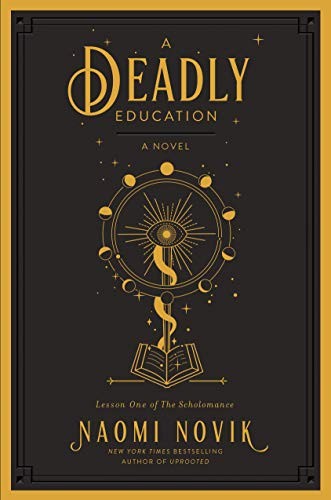
No. 92 on this list. A Deadly Education
Naomi Novik · 2020
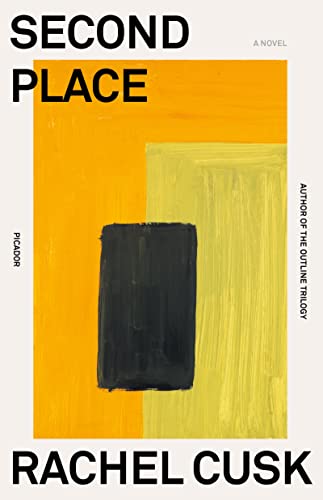
No. 93 on this list. Second Place
Rachel Cusk · 2021
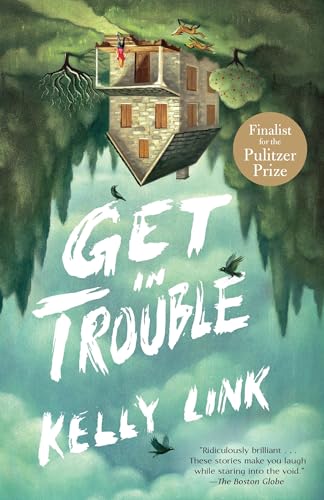
No. 94 on this list. Get in Trouble
Kelly Link · 2016
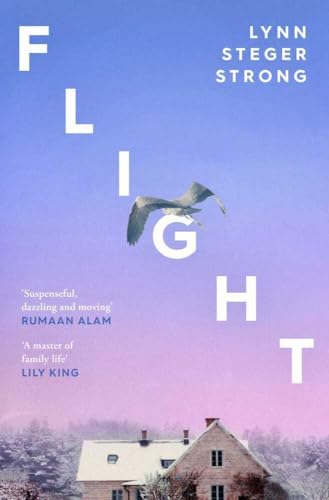
No. 95 on this list. Flight
Lynn Steger Strong · 2022
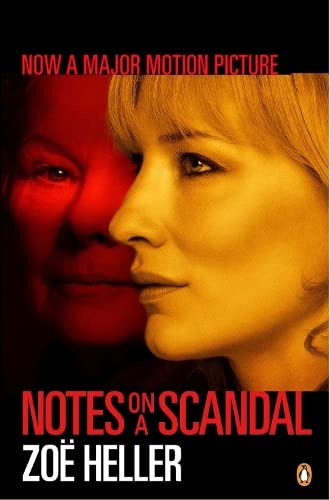
No. 96 on this list. Notes on a Scandal
Zoë Heller · 2003
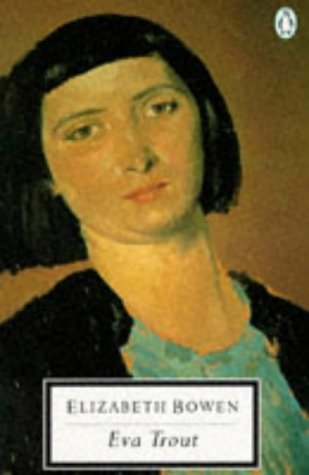
No. 97 on this list. Eva Trout
Elizabeth Bowen · 1970
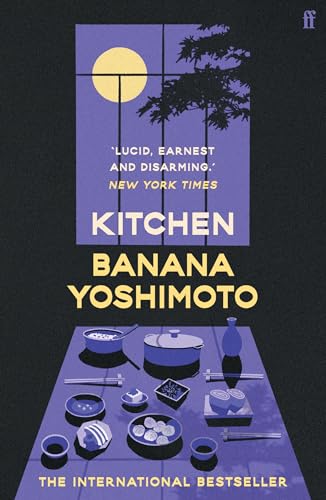
No. 98 on this list. Kitchen
Banana Yoshimoto · 1988
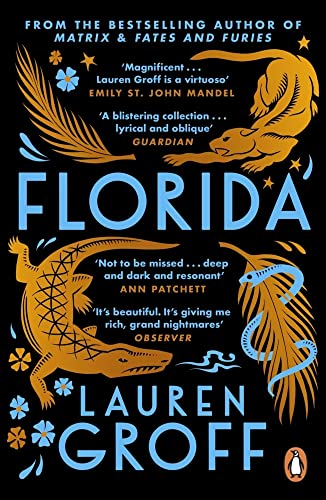
No. 99 on this list. Florida
Lauren Groff · 2018
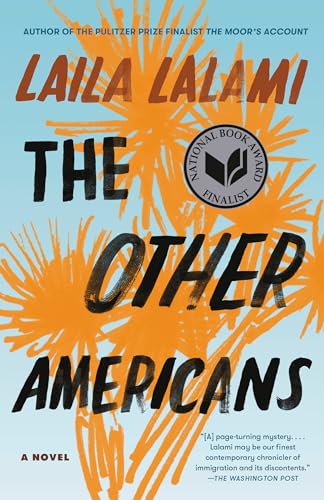
No. 100 on this list. The Other Americans
Laila Lalami · 2019
About this list
These 100 books are the highest-scoring eligible books about solitude and connection by women currently in the catalogue. About 724 hours of reading in all. Difficulty runs from 49 to 63 out of 100 for the middle half of the list; the summit is Oryx and Crake at 79.
This list is ranked by literary regard, with a consistent order for equal scores. Membership follows authors and co-authors, not translators or editors. A book is here when ReadingRate files it under Solitude & Connection as one of its primary reading domains, at a confidence of 0.8 or more. Catalogue coverage and the historical canon both limit what this list can represent.
When we matched the Canons dataset to our catalogue in October 2026, our canonical-status scores rose with the number of school curricula, publisher series and lists in it that cite a work: the median score was 72 for books one such source cites, 84 at two, 88 at three, 92 at four and 93 at five or more. Prizes are left out of that count. Outside the state curricula, the dataset’s sources choose mostly from what has been translated into English or French, so it is a weaker check on other literatures. Source: Canons (Andrew Piper), CC BY 4.0
Questions people actually ask
- What are the best books about solitude and connection by women?
- By literary regard, which weighs canonical status, critical standing and influence: The Bluest Eye by Toni Morrison, Paradise by Toni Morrison, Between the Acts by Virginia Woolf, The Plague of Doves by Louise Erdrich and Villette by Charlotte Brontë. ReadingRate ranks 100 such books, each with a difficulty score and a reading-time estimate.
- Which books about solitude and connection by women should I read first?
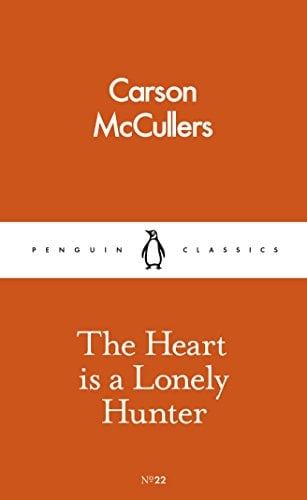
- Start from difficulty, not from rank. The most approachable books on this list that still carry top literary regard are Tar Baby by Toni Morrison (about 6.7 hours), The Lottery and Other Stories by Shirley Jackson and The Heart is a Lonely Hunter by Carson McCullers.
- What are the shortest of the best books about solitude and connection by women?
- Among the top 25, the shortest are The Story of an Hour by Kate Chopin (about 35 min), The Dream of a Common Language by Adrienne Rich (about 1.1 hours) and Don't Let Me Be Lonely by Claudia Rankine (about 2.7 hours), at an average pace of 250 words a minute adjusted for each book's difficulty.
- Which of the best books about solitude and connection by women are the established classics?
- By canonical status, how firmly a book sits in curricula, anthologies and the canon: The Bluest Eye by Toni Morrison, The Heart is a Lonely Hunter by Carson McCullers, The Story of an Hour by Kate Chopin, Ceremony by Leslie Marmon Silko and Paradise by Toni Morrison.
- Can I read any of these books about solitude and connection by women for free?
- 5 of the 100 open in ReadingRate's reader with a free account, from public-domain editions: Villette, Death Comes for the Archbishop, Daniel Deronda, Adam Bede and Silas Marner.
- How long would it take to read the top ten?
- About 79 hours, at an average pace of 250 words a minute adjusted for each book's difficulty: 40 days at two hours a day. Set your own pace on the page and the list's reading times change to it.
- How hard are books about solitude and connection by women to read?
- Most of this list sits between 49 and 63 on ReadingRate's 100-point difficulty scale, where 40 to 55 is moderate. The summit is Oryx and Crake at 79. Every entry carries its own score, so a reader can pick a great book at a difficulty they will finish.
- How is this list ranked?
- On literary-regard data: how canonically established a work is, its critical standing, and its influence on later writing. It is not a readers’ poll, which is why recent bestsellers rarely appear. Membership follows authors and co-authors, not translators or editors. Lists by country, author, period, theme or difficulty keep to literature (fiction, poetry, drama and philosophy), their novels, poems and plays first and their philosophy after them; a list of a kind of book, such as memoir or criticism, keeps every book of that kind. Every list holds at most three works by one author. A book is here when ReadingRate files it under Solitude & Connection as one of its primary reading domains, at a confidence of 0.8 or more.