Hours at an average pace
Showing 100 books
About 460 hours for 100 of 100 books with measured lengths. Estimates use 250 words a minute, adjusted for each book's difficulty. At 2 hours a day, about 231 days for those books.
The Prince is required reading in political science, philosophy, history, and humanities curricula worldwide and is among the most widely assigned non-fiction texts in higher education. It appears on every syllabus for political philosophy and political theory, from introductory undergraduate courses to graduate seminars. Few texts of any era command this breadth of curricular presence.
A foundation text of Western thought, assigned across classics, history, political science and international relations, and a fixture of Great Books programs. The U.S. Naval War College has built its strategy teaching around it since the 1970s.
No. 3 on this list. Theogony
Hesiod · c. 700 BCE
Moderate38 min
Taught in schools: Hungarian literature curriculum (magyar nyelv és irodalom) (Hungary)
The Theogony is the foundational text of Greek mythology and Western cosmogony, required reading in classics, comparative literature, and religious studies curricula worldwide. Available in 62 Wikipedia languages, it represents one of the most extensively studied works of ancient literature. Alongside Homer's Iliad and Odyssey, it constitutes the primary textual record of ancient Greek religious belief — no understanding of Western literary tradition is complete without it.
One of the most important collections in postwar American poetry. 'Skunk Hour' alone secures its place in the canon.
No. 5 on this list. The Birds
Aristophanes · c. 414 BCE
Moderate1.3 hours
Included in: Great Books of the Western World
The Birds is universally recognized as one of Aristophanes' finest comedies and a canonical text of ancient Greek literature, appearing on syllabi for classical literature, comparative literature, and Western civilization courses globally. Slightly less commonly assigned as an entry point than Lysistrata or The Clouds, it is nonetheless required reading in classics programs. The absence of database records reflects a data gap, not genuine obscurity.
Self-Reliance is required reading in virtually every American high school and university American literature course; 'Self-Reliance' alone is one of the most-taught essays in the American educational canon. The collection appears on 'great American nonfiction' lists consistently and defines the Transcendentalist movement in survey curricula. No formal database signals were returned, but broad educational and cultural consensus places it among the highest-canonical American texts.
No. 7 on this list. All Quiet on the Western Front
Erich Maria Remarque · 1987
Easy4.3 hours
Taught in schools: AQA GCSE and A-level English Literature (UK)
One of the essential WWI novels, taught in literature and history courses worldwide.
No. 8 on this list. Lysistrata
Aristophanes · c. 411 BCE
Easy50 min
Taught in schools: Hungarian literature curriculum (magyar nyelv és irodalom) (Hungary)
Included in: Great Books of the Western World
Lysistrata appears on university syllabi worldwide in classics, theatre, women's studies, and political science courses. It is one of the most-performed ancient Greek comedies and features in virtually every survey of world literature and Western drama. Its 2,400-year continuous performance history makes it one of the most durably canonical texts in any language.
Ah Q stands with Quixote, Oblomov, and Babbitt as literature's archetypal national figures. For modern Chinese literature, this text functions as foundational myth—the work that demonstrated vernacular Chinese could carry savage social critique and established Lu Xun as the tradition's father.
No. 10 on this list. Kokoro
Natsume Sōseki · 1914
Moderate4.5 hours
Included in: UNESCO Collection of Representative Works
Kokoro is universally regarded as the supreme masterpiece of modern Japanese literature and one of the most important novels of the twentieth century in any language. It is the single most commonly assigned novel in Japanese high schools and universities, and appears on literature syllabi worldwide. It has been continuously in print since 1914 and has been translated into dozens of languages. It is a permanent fixture of every serious list of world literature, from the Penguin Classics and Oxford World Classics catalogs to Harold Bloom's discussions of global literary achievement.
No. 11 on this list. Discourses on Livy · Niccolò Machiavelli · 1531
Niccolò Machiavelli spent the last decade of his life under house arrest, banned from Florence's political world, and wrote the Discourses on Livy as a systematic attempt to teach what he could no longer practice. Working through Titus Livy's history of Rome book by book, Machiavelli extracts from each episode a principle of republican governance — how to found a city, sustain a republic, manage armies, treat conquered peoples, handle conspiracies, and survive the inevitable corruption of institutions. The argument runs to 142 chapters across three books, each one a small essay: he states a thesis, marshals Roman examples, and delivers a verdict. Machiavelli's Rome is not an idealized past but a working laboratory. When he recommends that a new republic must sometimes execute its founding families, or that a prince should appear virtuous rather than be virtuous, he is not being provocative — he is being precise. The Discourses is the longer and more theoretically ambitious of his two major works, and the one where his commitment to republican liberty is explicit rather than implied. Readers accustomed to political philosophy as abstract theory will find this text unusual: it thinks in cases, in generals, in the specific behavior of specific tribunes during specific sieges. The Victorian translation adds a layer of archaic syntax to the Renaissance argument. What emerges is a political science conducted before the term existed — unsentimental, empirical, and still asking questions no subsequent political thinker has fully answered.
Moderate8.3 hours
Read nowNo. 12 on this list. The War of the Worlds · H.G. Wells · 1898
Taught in schools: OCR GCSE and A-level English Literature (UK), Pearson Edexcel GCSE and A-level English Literature (UK), WJEC/Eduqas GCSE and A-level English Literature (UK)
The War of the Worlds is a cornerstone of science fiction, taught widely in literature and science fiction courses. While not as universally assigned as 1984 or Brave New World, it appears regularly in surveys of speculative fiction, Victorian literature, and science fiction history. The novel's influence on the genre ensures its continued academic presence.
Moderate4.4 hours
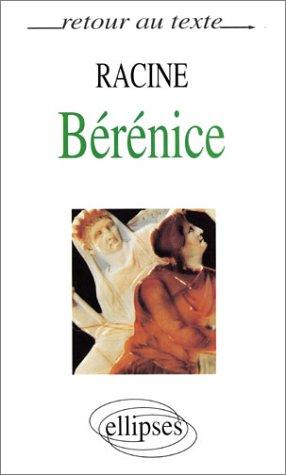
Read nowNo. 13 on this list. Bérénice · Jean Racine · 1670
Included in: Great Books of the Western World
Bérénice is a cornerstone of French classical literature, taught in virtually every French lycée and featured in world literature and drama curricula internationally. Alongside Phèdre and Andromaque, it is one of the three works most associated with Racine's genius and is considered essential reading for anyone studying French neoclassical theatre.
Moderate50 min
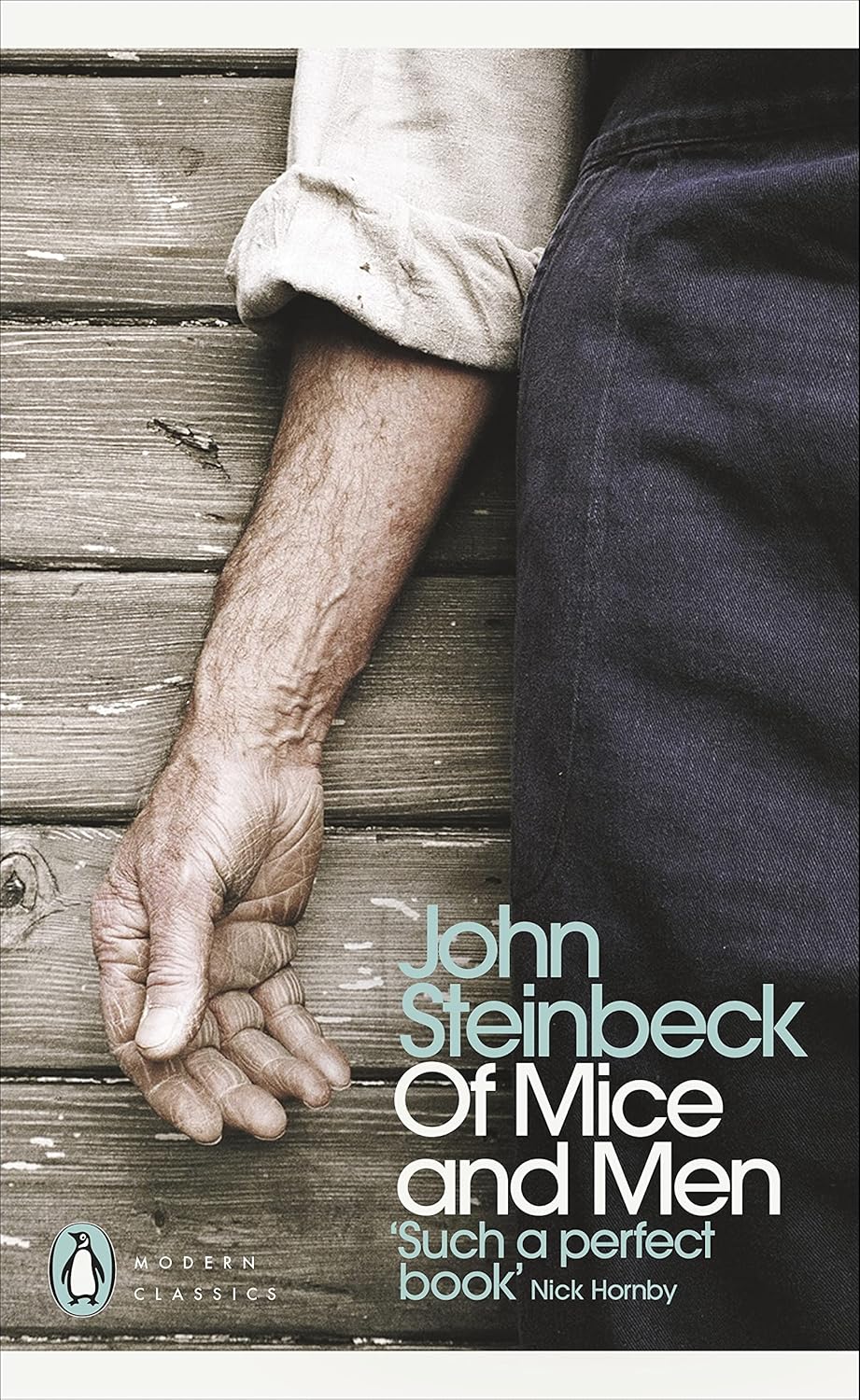
Start this bookNo. 14 on this list. Of Mice and Men · John Steinbeck · 1937
Taught in schools: Pacific Senior Secondary Certificate – English, Turkish edebiyat curriculum (Turkey)
One of the most taught works in American secondary and post-secondary education, with 548 syllabus appearances placing it in the top tier of assigned literature. Included in Library of America, Penguin Classics, Everyman's Library, and Penguin Modern Classics. Appears on the BBC Big Read Top 100 and 1001 Books You Must Read Before You Die. Its status as core American literary reading is unquestioned.
Easy1.7 hours
Start this bookNo. 15 on this list. The Miser · Molière · 1668
Taught in schools: Lektury obowiązkowe – Polish national reading list (Poland), UNAM Escuela Nacional Preparatoria – programas de Literatura (Mexico)
Included in: Great Books of the Western World
The Miser is a staple of French literature and world theater curricula across universities globally, ranking among the most performed and studied comedies of the Western canon. While no syllabus count is in the database, it appears consistently on comparative literature, French studies, and drama course lists. Its presence in world literature anthologies across dozens of languages reflects its canonical standing.
Moderate1.4 hours
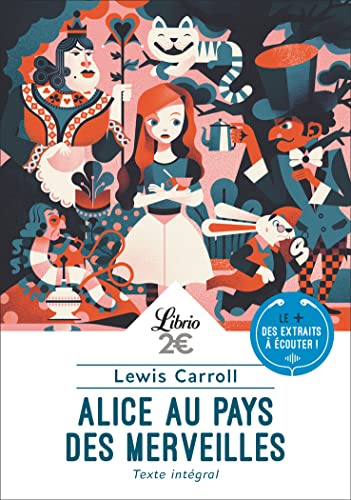
Start this bookNo. 16 on this list. Alice's Adventures in Wonderland and Through the Looking-Glass · Lewis Carroll · 1871
No syllabus or Wikipedia-language data is recorded for this edition in our database, but Alice is a fixture of children's-literature, Victorian-studies, and philosophy-of-language courses worldwide. It remains one of the most translated books in history, with a reach comparable to Hamlet's or The Great Gatsby's syllabus ubiquity.
Moderate3.6 hours
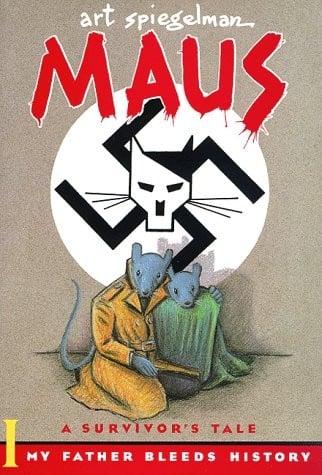
Start this bookNo. 17 on this list. Maus I: A Survivor's Tale: My Father Bleeds History · Art Spiegelman · 1991
Maus is widely taught in schools and universities as a central Holocaust text and as the key work of the graphic novel, and it won a Pulitzer Prize special award in 1992 for the combined work. It is now standard in comics studies and memory studies.
Easy2.2 hours
Start this bookNo. 18 on this list. One Day in the Life of Ivan Denisovich · Aleksandr Solzhenitsyn · 1962
A single January day in a Soviet labor camp in the early 1950s, told through the eyes of Ivan Denisovich Shukhov, a peasant ten years into a trumped-up sentence for treason. Solzhenitsyn structures the novel as a minute-by-minute account: the pre-dawn wake-up, the roll call in −30° cold, the march to the construction site, the bricklaying in the wind, the return, the thin soup, and lights out. The genius of the book is its scale — one man, one day — and the moral universe Shukhov navigates within it. He is not heroic in any conventional sense; he calculates how to get an extra bowl of gruel, how to pocket a useful piece of metal, how to avoid the guards' notice. Yet these calculations constitute a form of dignity. Published in 1962 in the Soviet literary journal Novy Mir under Khrushchev's brief thaw, the novella hit Soviet readers like a physical shock: the Gulag had existed for decades, but naming it in print was new. In the West it became the first credible inside account of the camp system, a document as much as a novel. Solzhenitsyn's prose is close-grained and unsentimental, the voice tuned to Shukhov's practical intelligence. The cold is not metaphorical; the bread is not symbolic. The facts speak.
Easy3 hours
Start this bookNo. 19 on this list. A Good Man Is Hard to Find · Flannery O'Connor · 1955
One of the most important short story collections in American literature. The title story alone is among the most widely taught and analyzed works of American fiction.
Moderate2.8 hours
Start this bookNo. 20 on this list. The Lion, the Witch and the Wardrobe · C.S. Lewis · 1950
The Lion, the Witch and the Wardrobe is taught in elementary and middle schools worldwide and is considered essential children's literature. It appears on countless reading lists and is often children's introduction to fantasy literature. The Narnia series is foundational to understanding modern fantasy and children's fiction.
Easy2.1 hours
Start this book
No. 21 on this list. The Bhagavad Gita · Vyasa · c. 200 BCE
The Gita—a 700-verse dialogue between the warrior prince Arjuna and his charioteer Krishna, who is an avatar of God—is embedded within the Mahabharata but has been read as a standalone scripture for centuries. On the eve of a catastrophic battle, Arjuna sees his kinsmen arrayed on both sides and refuses to fight. Krishna's response unfolds the central teachings of Hindu philosophy: karma yoga (the path of selfless action), bhakti yoga (the path of devotion), and jnana yoga (the path of knowledge). Krishna argues that Arjuna must act—not because the outcome matters but because action without attachment to results is the nature of dharma. The Gita's synthesis of duty and detachment, action and renunciation, has made it the most widely read scripture in Hinduism and one of the most influential philosophical texts in world literature. Gandhi called it his 'eternal mother'; Oppenheimer quoted it upon witnessing the first nuclear explosion. Its teachings on duty, selflessness, and the nature of consciousness continue to resonate across cultures and centuries.
Easy1.4 hours
Start this bookNo. 22 on this list. Robinson Crusoe · Daniel Defoe · 1719
Taught in schools: Turkish edebiyat curriculum (Turkey)
Defoe dropped a castaway on an island with a wrecked ship's supplies and invented the novel as we know it: plain prose, daily particulars, one man's consciousness stretched across twenty-eight years of solitude. Every survival narrative and desert-island story descends from Crusoe's footprint in the sand.
Easy7.1 hours
Read nowNo. 23 on this list. The Old Man and the Sea · Ernest Hemingway · 1953
Taught in schools: Kazakh literature curriculum (Kazakhstan)
Included in: Bokklubben World Library
Hemingway reduced fiction to one old man, one marlin, and the Gulf Stream, and proved that a story stripped to its barest elements could carry the weight of a parable about endurance, craft, and the dignity of losing. The novella's final image — the skeleton of the great fish picked clean at the dock — is among the most perfectly earned symbols in American literature.
Moderate1.7 hours
Start this bookNo. 24 on this list. A Christmas Carol · Charles Dickens · 1843
Taught in schools: AQA GCSE and A-level English Literature (UK), CSEC English B – Caribbean Examinations Council, OCR GCSE and A-level English Literature (UK)
A Christmas Carol is among the most widely taught Victorian texts in the English-speaking world, a fixture on secondary and university literature curricula in the UK, US, and Commonwealth nations. Its Wikipedia article exists in over 60 languages, and it appears on virtually every canonical list of Victorian prose. No other work of comparable length has achieved the same degree of curricular permanence.
Easy1.7 hours
Read nowNo. 25 on this list. Montage of a Dream Deferred · Langston Hughes · 1951
A major work of American poetry. 'Harlem' alone has achieved a canonical status rivaling any single American poem of the twentieth century.
Easy18 min
Start this bookNo. 26 on this list. The Complete Grimm's Fairy Tales · Jacob Grimm · 1976
The Grimm tales are among the most widely taught and anthologized texts in the Western world, and they anchor folklore, children's literature, and German studies courses. Cinderella, Snow White, and Hansel and Gretel are cultural touchstones, though the edition itself is more of a reading text than a syllabus staple.
Easy12 hours
Start this bookNo. 27 on this list. The Death of Ivan Ilyich · Leo Tolstoy · 1886
Taught in schools: Hungarian literature curriculum (magyar nyelv és irodalom) (Hungary), Russian FGOS literature standard
Included in: Bokklubben World Library
Universally regarded as one of the greatest novellas ever written. Studied across literature and philosophy courses.
Moderate1.2 hours
Start this bookNo. 28 on this list. Annabel Lee · Edgar Allan Poe · 1849
One of the most anthologised poems in American literature and a standard school text.
Moderate24 min
Start this bookNo. 29 on this list. Andromaque · Jean Racine · 1667
Andromaque, widowed queen of Troy, has one goal: protect her son Astyanax, the last living heir of Hector. Standing between her son's life and his death is Pyrrhus, the Greek king who killed her husband and now holds them both captive — and who, inconveniently, is in love with her. Pyrrhus will spare the boy if she marries him. She refuses. He turns back to his betrothed, Hermione. Then he returns to Andromaque again. This chain of unrequited desire — Oreste loves Hermione, Hermione loves Pyrrhus, Pyrrhus loves Andromaque, Andromaque loves only the dead Hector — is the entire engine of the play. Racine wrote Andromaque in 1667, when he was thirty, and it made him famous overnight. The alexandrine verse is strict and relentless, each character arguing their case with the precision of a lawyer and the desperation of someone who knows they are losing. What distinguishes this from other tragedies is how little pity Racine allows anyone: every character is both victim and tormentor. By the final act, Pyrrhus is dead, Hermione has killed herself, and Oreste has gone mad. Andromaque survives, which in context feels like its own punishment.
Moderate57 min
Start this bookNo. 30 on this list. Pamela · Samuel Richardson · 1740
Pamela Andrews is fifteen years old and in service when her mistress dies and the mistress's son, Mr. B, begins a campaign to seduce her. She refuses. He escalates — intercepting her letters, relocating her to a remote estate, locking her in — and she keeps writing, to her parents and in a secret journal she hides in her clothing. What makes the novel strange is that we only have Pamela's account: earnest, relentlessly self-observing, written in the knowledge that Mr. B may one day read every word she has set down. Published in 1740, Pamela invented something — not just the epistolary novel, but the novel's peculiar project of making a single consciousness the center of a world. Richardson called his method 'writing to the moment': the heroine records events as they happen, before she knows how they will turn out. Readers have been arguing about Pamela's sincerity ever since. Henry Fielding published Shamela the following year, certain the whole performance was calculation dressed as virtue. That argument — is Pamela genuinely good, or is goodness here just the strategy that worked? — has never been settled. The novel is slow by design: captivity is repetitive, and Richardson wants you to feel it. But the compression of one young woman's inner life, the surveillance she endures and returns in kind, and the original sin of a marriage that rewards persistence over refusal make Pamela one of the most uncomfortable triumphs in English fiction.
Moderate14 hours
Start this book
No. 31 on this list. The Comedy of Errors
William Shakespeare · 1594
Included in: Great Books of the Western World
No. 32 on this list. Reveries of the Solitary Walker
Jean-Jacques Rousseau · 1782
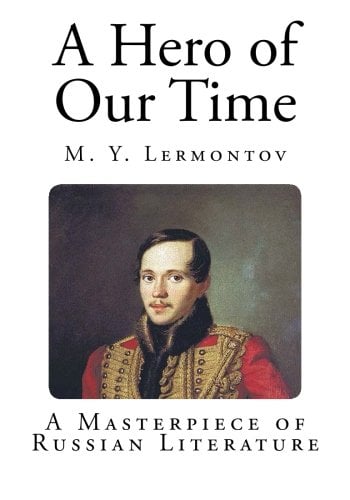
No. 33 on this list. A Hero of Our Time
Mikhail Lermontov · 1840
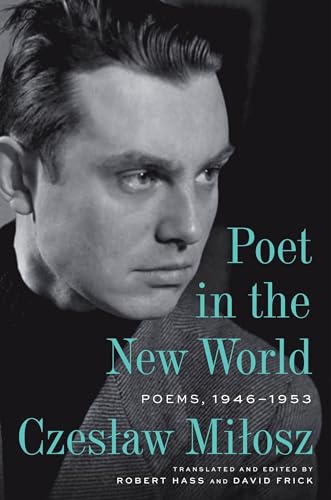
No. 34 on this list. Selected Poems of Czesław Miłosz
Czesław Miłosz · 1988
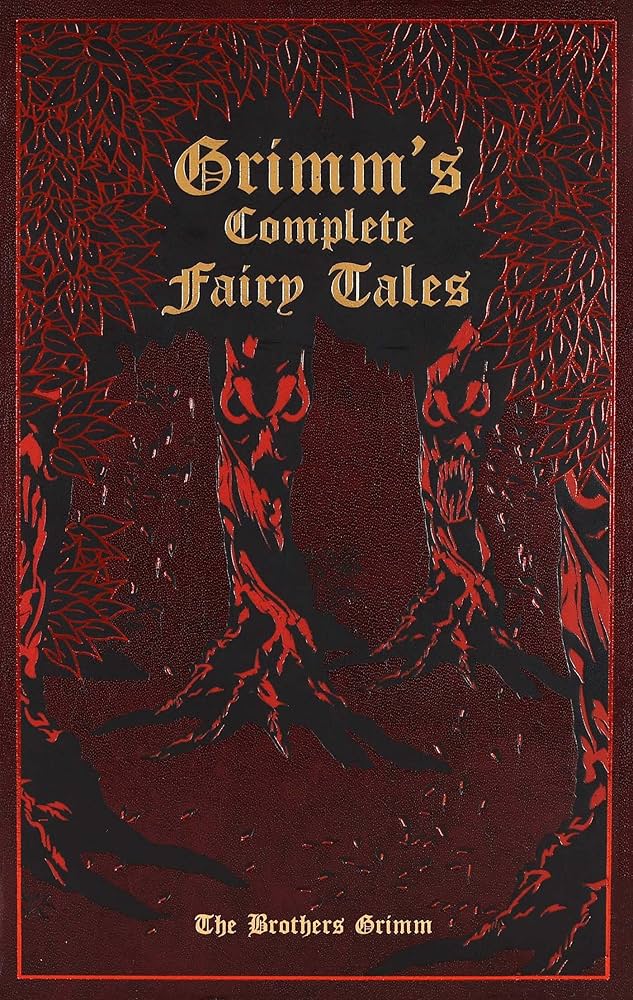
No. 35 on this list. Grimm's Fairy Tales
Brothers Grimm · 1812
No. 36 on this list. Lying: Moral Choice in Public and Private Life
Sissela Bok · 1978
No. 37 on this list. Collected Poems of Derek Walcott
Derek Walcott · 1986
No. 38 on this list. Phèdre
Jean Racine · 1677
Included in: Great Books of the Western World
No. 39 on this list. The Captain's Daughter
Alexander Pushkin · 1836
No. 40 on this list. Areopagitica
John Milton · 1644
Included in: Great Books of the Western World
No. 41 on this list. The Arabian Nights
No. 42 on this list. Enchiridion
Epictetus · 125
No. 43 on this list. The Importance of Being Earnest and Other Plays
Oscar Wilde · 1898
No. 44 on this list. The Complete Sherlock Holmes
Arthur Conan Doyle · 1887
No. 45 on this list. A Theory of Justice
John Rawls · 1971
No. 46 on this list. Titus Andronicus
William Shakespeare · 1594
Included in: Great Books of the Western World
No. 47 on this list. King John
William Shakespeare · 1596
Included in: Great Books of the Western World
No. 48 on this list. Fortunata and Jacinta
Benito Pérez Galdós · 1887
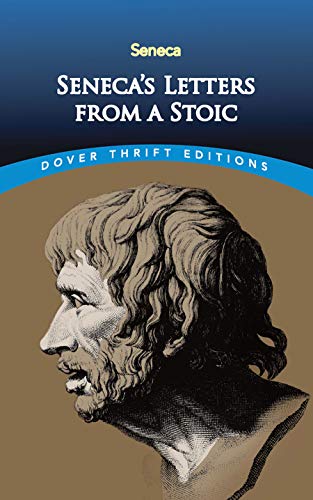
No. 49 on this list. Letters from a Stoic
Seneca · 65
No. 50 on this list. The Legend of Sleepy Hollow
Washington Irving · 1820
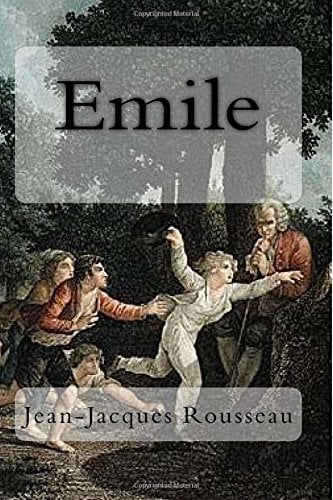
No. 51 on this list. Emile, or On Education
Jean-Jacques Rousseau · 1762
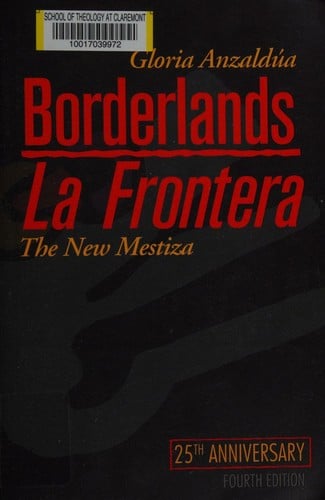
No. 52 on this list. Borderlands/La Frontera: The New Mestiza
Gloria Anzaldua · 1987
No. 53 on this list. Meditations
Marcus Aurelius · 180
Included in: Great Books of the Western World
No. 54 on this list. Fortress Besieged
Qian Zhongshu · 1947
No. 55 on this list. Uncle Tom's Cabin
Harriet Beecher Stowe · 1852
No. 56 on this list. Discourses
Epictetus · 108
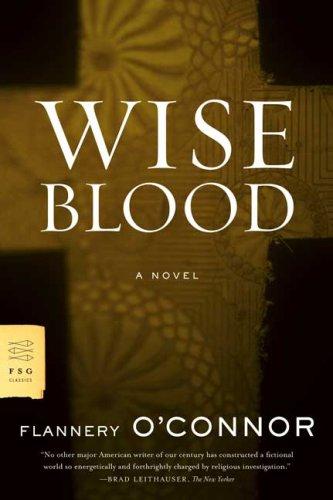
No. 57 on this list. Wise Blood
Flannery O'Connor · 1952
No. 58 on this list. The Great Enigma: New Collected Poems
Tomas Tranströmer · 2006
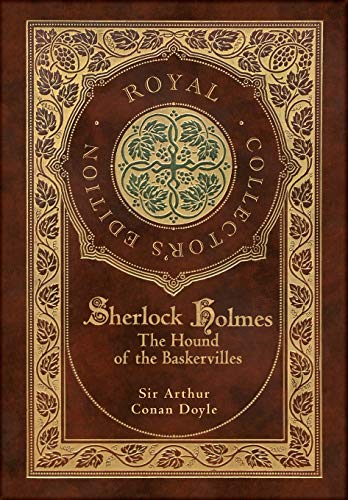
No. 59 on this list. The Hound of the Baskervilles
Arthur Conan Doyle · 1902
Taught in schools: CSEC English B – Caribbean Examinations Council
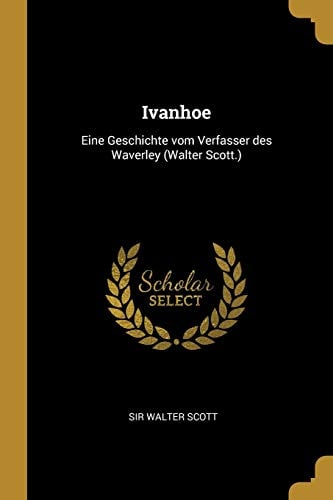
No. 60 on this list. Ivanhoe
Walter Scott · 1819

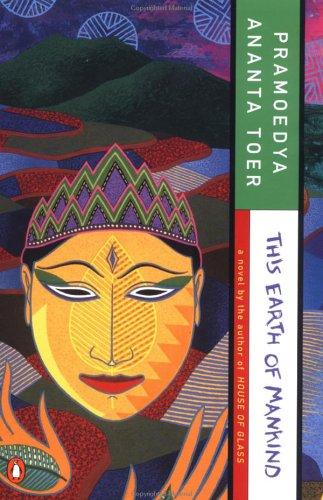
No. 61 on this list. This Earth of Mankind
Pramoedya Ananta Toer · 1980
Taught in schools: Indonesian sastra curriculum
No. 62 on this list. On Crimes and Punishments
Cesare Beccaria · 1764
No. 63 on this list. The Last of the Mohicans
James Fenimore Cooper · 1826
No. 64 on this list. The Time of the Doves
Mercè Rodoreda · 1962
No. 65 on this list. Charlotte's Web
E.B. White · 1952
No. 66 on this list. The Cost of Discipleship
Dietrich Bonhoeffer · 1937
No. 67 on this list. Rip Van Winkle
Washington Irving · 1819
No. 68 on this list. The School for Wives
Molière · 1662
Included in: Great Books of the Western World
No. 69 on this list. V for Vendetta
Alan Moore · 1989
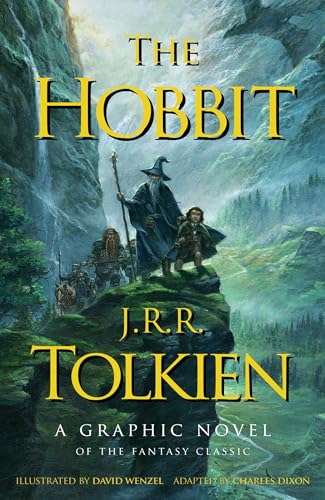
No. 70 on this list. The Hobbit, or There and Back Again
J.R.R. Tolkien · 2002
Taught in schools: CSEC English B – Caribbean Examinations Council, Kazakh literature curriculum (Kazakhstan)
No. 71 on this list. A Part of Speech
Joseph Brodsky · 1977
No. 72 on this list. Meditations in an Emergency
Frank O'Hara · 1957
No. 73 on this list. The Journalist and the Murderer
Janet Malcolm · 1990
No. 74 on this list. Sister Carrie
Theodore Dreiser · 1900
No. 75 on this list. Seeing Things
Seamus Heaney · 1991
No. 76 on this list. The Diary of a Young Girl
Anne Frank · 1947
No. 77 on this list. Ethan Frome
Edith Wharton · 1911
No. 78 on this list. Discourse on Inequality
Jean-Jacques Rousseau · 1755
No. 79 on this list. Cousin Bette
Honoré de Balzac · 1846
Included in: Great Books of the Western World
No. 80 on this list. A Christmas Carol / The Chimes / The Cricket on the Hearth
No. 81 on this list. The Art of War
Sun Tzu · c. 500 BCE
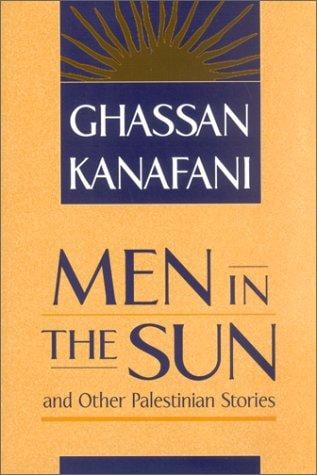
No. 82 on this list. Men in the Sun
Ghassan Kanafani · 1963
No. 83 on this list. The Travels of Marco Polo
Marco Polo · 1300
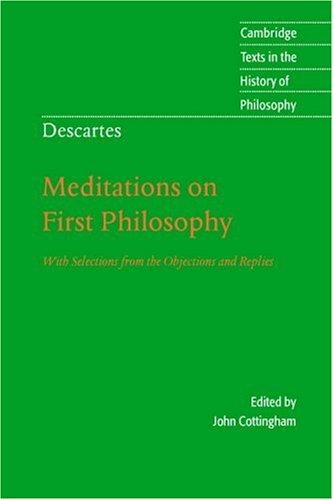
No. 84 on this list. Meditations on First Philosophy
René Descartes · 1641
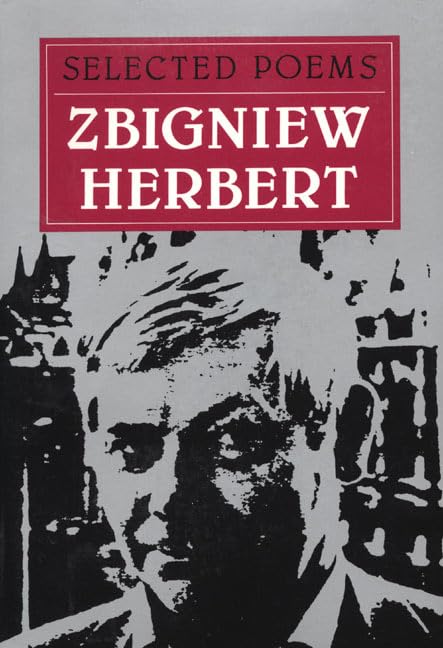
No. 85 on this list. Selected Poems of Zbigniew Herbert
Zbigniew Herbert · 1977
No. 86 on this list. The Wind-Up Bird Chronicle
Haruki Murakami · 1994
No. 87 on this list. Treasure Island
Robert Louis Stevenson · 1883
Taught in schools: Pacific Senior Secondary Certificate – English
No. 88 on this list. Two Treatises of Government
John Locke · 1689
No. 89 on this list. The Doors of Perception
Aldous Huxley · 1954
No. 90 on this list. Pippi Longstocking
Astrid Lindgren · 1945
Taught in schools: Lithuanian literature curriculum (lietuvių kalba ir literatūra)
Included in: Bokklubben World Library
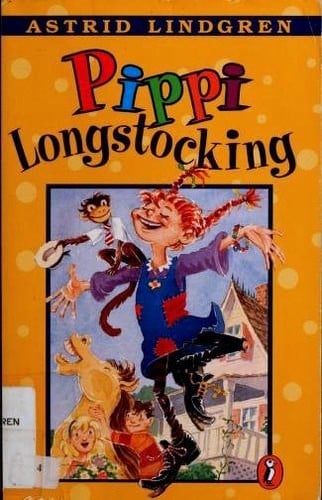
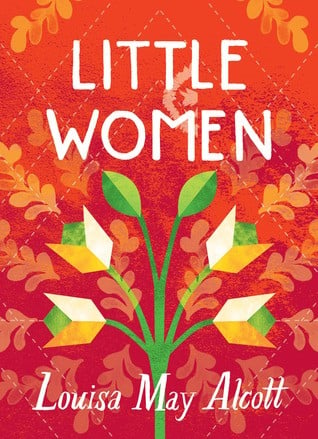
No. 91 on this list. Little Women (Little Women, #1)
Louisa May Alcott · 1868
Taught in schools: Common Core text exemplars (Appendix B) (US)
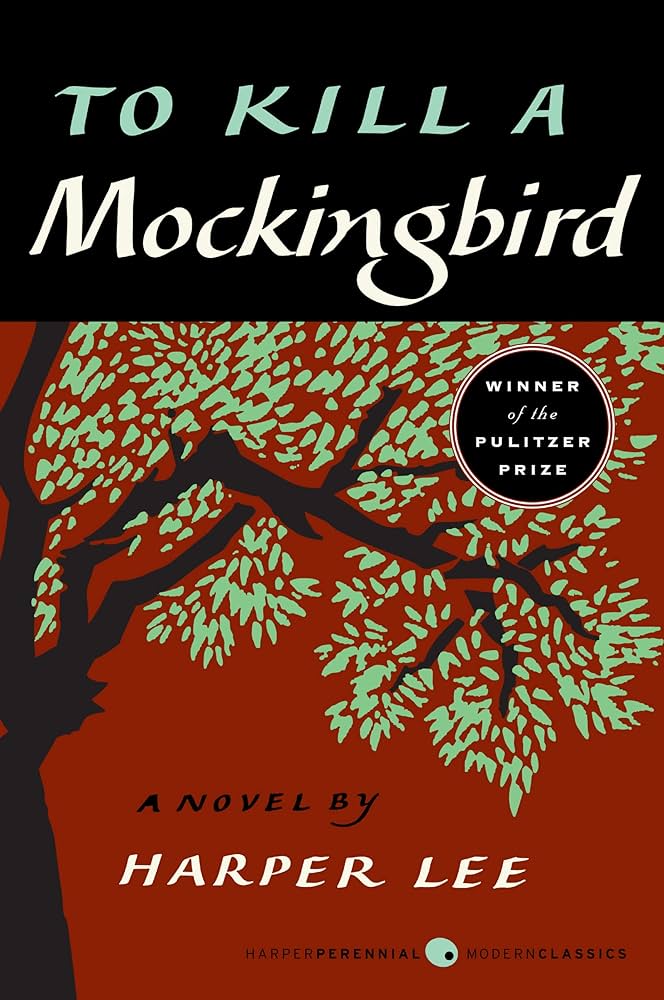
No. 92 on this list. To Kill a Mockingbird
Harper Lee · 1961
Taught in schools: Cambridge IGCSE Literature in English (0475), Common Core text exemplars (Appendix B) (US), CSEC English B – Caribbean Examinations Council
No. 93 on this list. Sizwe Bansi Is Dead
Athol Fugard · 1972
No. 94 on this list. Foundation and Empire
Isaac Asimov · 1952
No. 95 on this list. The Elementary Forms of Religious Life
Emile Durkheim · 1912
No. 96 on this list. Return to Haifa
Ghassan Kanafani · 1969
Taught in schools: Moroccan secondary Arabic literature (Morocco)
No. 97 on this list. Kolyma Tales
Varlam Shalamov · 1978
No. 98 on this list. Foundation
Isaac Asimov · 1951
No. 99 on this list. Our Town
Thornton Wilder · 1938
Taught in schools: Common Core text exemplars (Appendix B) (US), CSEC English B – Caribbean Examinations Council
No. 100 on this list. A Man of the People
Chinua Achebe · 1966
Taught in schools: Pacific Senior Secondary Certificate – English
Included in: Heinemann African Writers Series
About this list
These 100 books are the highest-scoring eligible easy books currently in the catalogue. By literary regard, it opens with The Prince, The Peloponnesian War and Theogony. About 460 hours of reading in all. Difficulty runs from 33 to 42 out of 100 for the middle half of the list; the summit is Areopagitica at 45.
This list is ranked by literary regard, with a consistent order for equal scores. Membership follows authors and co-authors, not translators or editors. Catalogue coverage and the historical canon both limit what this list can represent.
When we matched the Canons dataset to our catalogue in October 2026, our canonical-status scores rose with the number of school curricula, publisher series and lists in it that cite a work: the median score was 72 for books one such source cites, 84 at two, 88 at three, 92 at four and 93 at five or more. Prizes are left out of that count. Outside the state curricula, the dataset’s sources choose mostly from what has been translated into English or French, so it is a weaker check on other literatures. Source: Canons (Andrew Piper), CC BY 4.0
Questions people actually ask
- What are the best easy books?
- By literary regard, which weighs canonical status, critical standing and influence, The Prince, The Peloponnesian War, Theogony, Life Studies and The Birds lead. ReadingRate ranks 100 such books, each with a difficulty score and a reading-time estimate.
- Where should I start with easy books?
- Start from difficulty, not from rank. The most approachable books on this list that still carry top literary regard are Charlotte's Web by E.B. White (about 1.6 hours), The Complete Grimm's Fairy Tales by Jacob Grimm and Enchiridion by Epictetus.
- How hard are easy books to read?
- Most of this list sits between 33 and 42 on ReadingRate's 100-point difficulty scale, where 40 to 55 is moderate. The summit is Areopagitica at 45. Every entry carries its own score, so a reader can pick a great book at a difficulty they will finish.
- How is this list ranked?
- On literary-regard data: how canonically established a work is, its critical standing, and its influence on later writing. It is not a readers’ poll, which is why recent bestsellers rarely appear. Membership follows authors and co-authors, not translators or editors. A list that is not a genre list keeps to literature (fiction, poetry, drama and philosophy), with philosophy taking no more than one slot in five while there is literature left to rank; every list holds at most three works by one author.