Hours at an average pace
Showing 100 books
About 1,359 hours for 100 of 100 books with measured lengths. Estimates use 250 words a minute, adjusted for each book's difficulty. At 2 hours a day, about 680 days for those books.
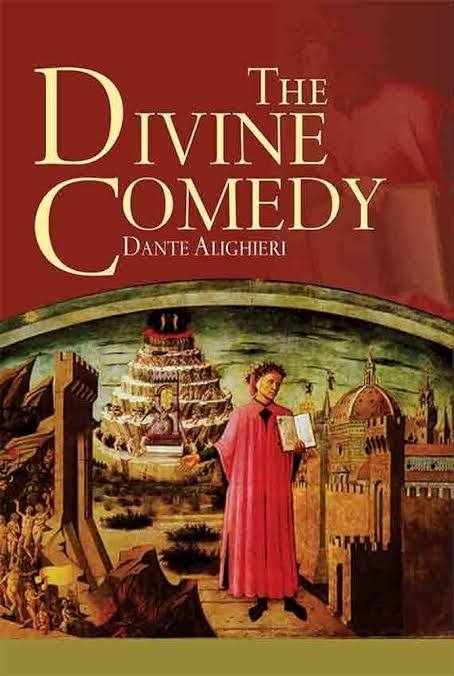
No. 1 on this list. Divine Comedy
Dante Alighieri · 1320
Challenging11 hours
Taught in schools: Armenian secondary literature, Lektury obowiązkowe – Polish national reading list (Poland), UNAM Escuela Nacional Preparatoria – programas de Literatura (Mexico)
Included in: Bokklubben World Library, Great Books of the Western World, UNESCO Collection of Representative Works
Dante built a complete architecture of the afterlife so precise you can map it, then populated it with real people he knew. The result fused theology, politics, and autobiography into a single narrative structure that no poem has matched in ambition or execution.
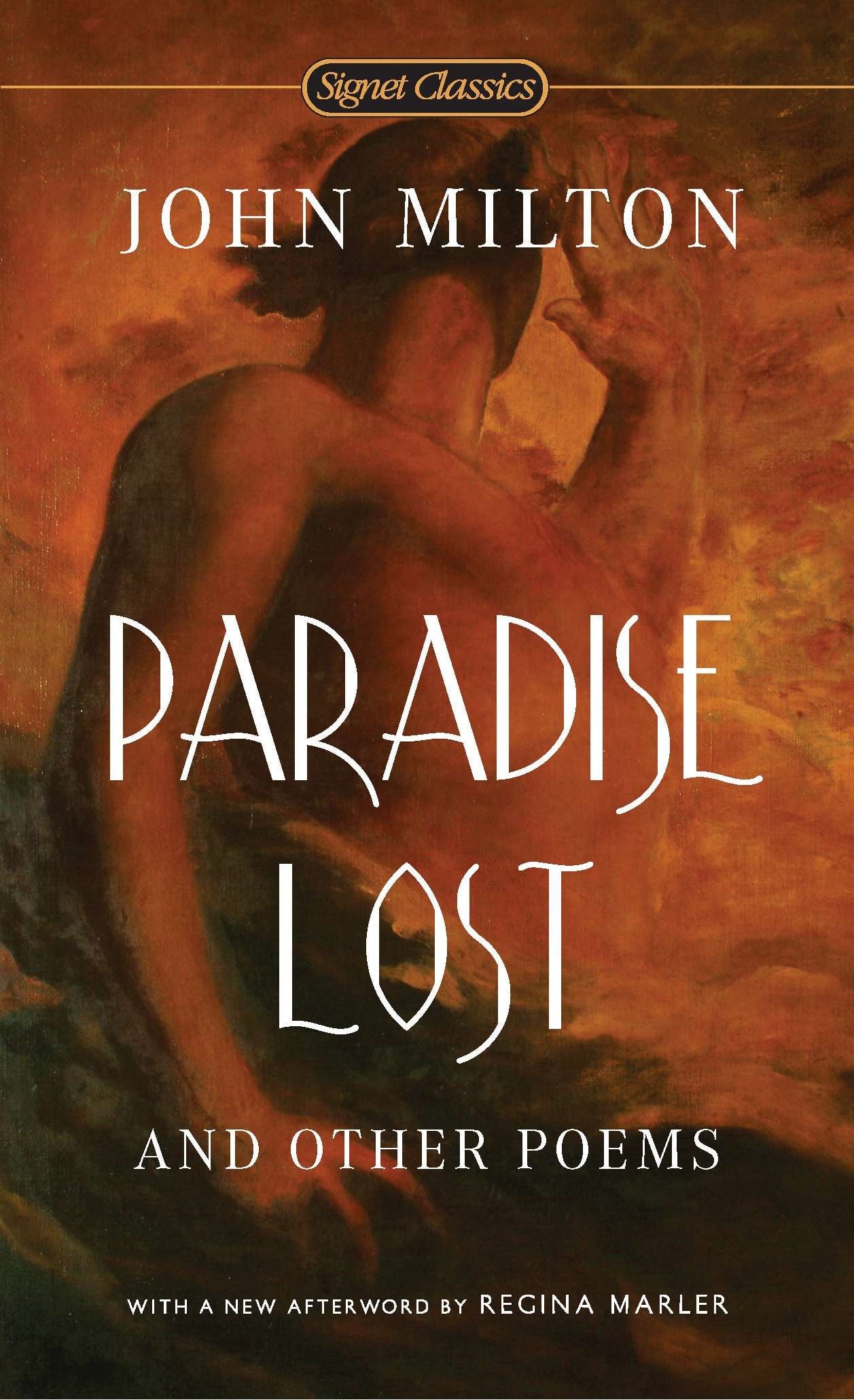
No. 2 on this list. Paradise Lost
John Milton · 1667
Challenging8.4 hours
Taught in schools: AQA GCSE and A-level English Literature (UK), WJEC/Eduqas GCSE and A-level English Literature (UK)
Included in: Great Books of the Western World
Milton retold the fall of man in blank verse of such muscular grandeur that Satan became the most charismatic figure in English poetry — not because Milton failed, but because he understood that rebellion requires eloquence. The poem reshaped the English language's sense of what a long sentence could do.
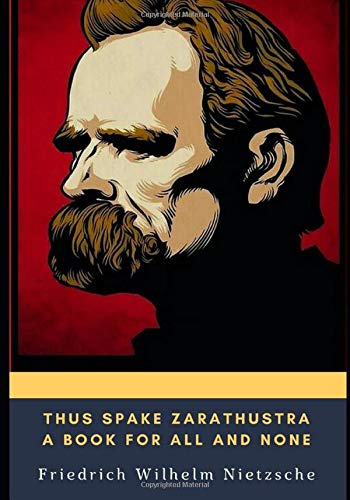
No. 3 on this list. Thus Spake Zarathustra A book for all and none
Difficult13 hours
A standard text in philosophy and German-literature courses, and one of the most widely read works of modern philosophy worldwide. Often the entry point to Nietzsche. It ranks with Notes from Underground in curricula, though less often assigned in full than Crime and Punishment.
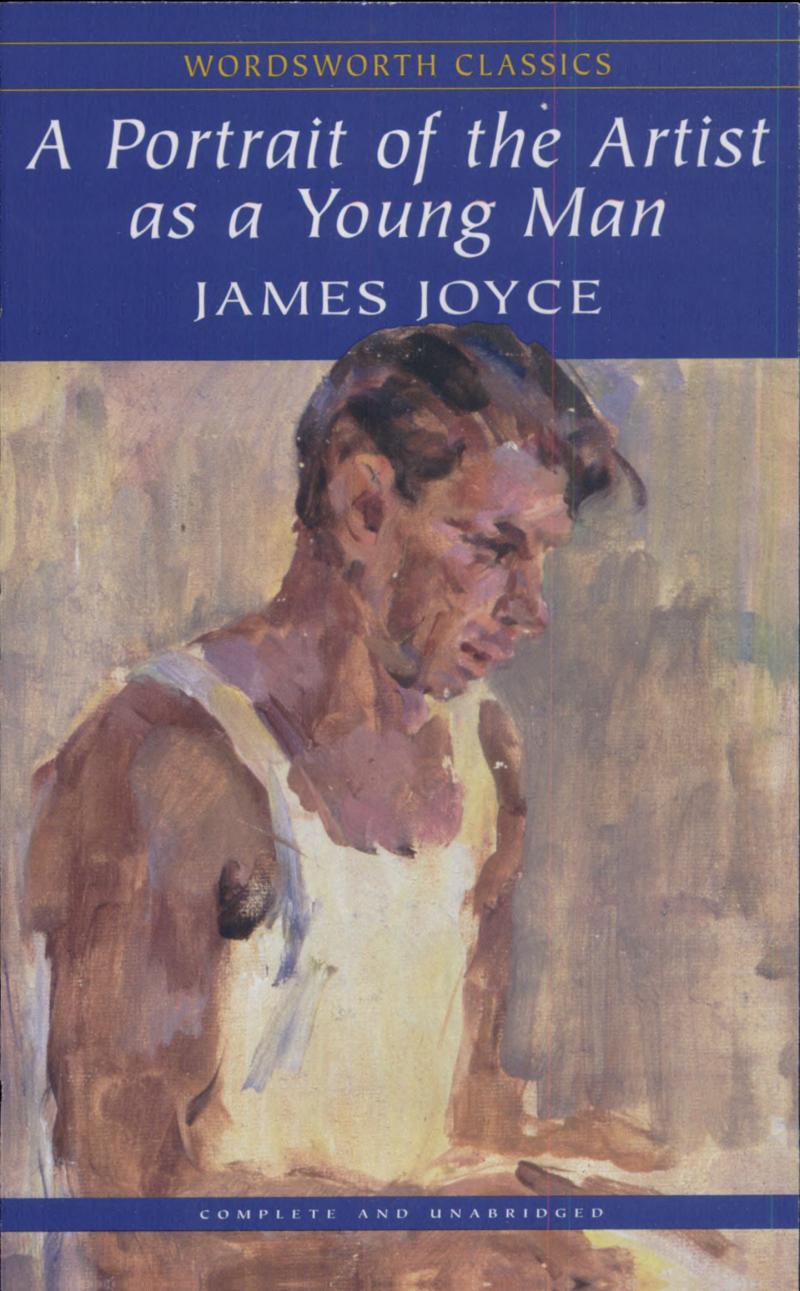
No. 4 on this list. A Portrait of the Artist as a Young Man
James Joyce · 1916
Difficult11 hours
Included in: Great Books of the Western World
Appears on 3,243 university syllabi according to the Open Syllabus Project (87.8th percentile), placing it in the company of the most-taught literary novels in English. Featured on the Modern Library 100 Best Novels, 1001 Books You Must Read Before You Die, and available in 40 Wikipedia languages — a global footprint that confirms its standing as a fixture of the Anglo-Irish modernist curriculum.
Eliot fused the rhythms of Anglican liturgy, the imagery of the English countryside, and the philosophy of time into four linked meditations on what it means to arrive where you started and know the place for the first time. The poems represent the summit of his craft — the point where his erudition finally dissolved entirely into music.
At roughly 1.8 million words, the Mahabharata is the longest poem ever composed, and it earns its length: a dynastic war becomes the scaffold for a complete philosophy of duty, cosmic law, and the impossibility of righteous action in a fallen world. The Bhagavad Gita is embedded within it as a single episode, which gives some measure of its ambition.
The Faerie Queene appears in virtually every English Renaissance literature syllabus globally and is one of the most taught long poems in university English departments worldwide. It anchors the canon between Chaucer and Milton and is central to every history of the English literary tradition. Absence from the Open Syllabus database reflects data gaps, not actual classroom presence.
Peer Gynt is a cornerstone of the Scandinavian theatrical canon and is regularly staged worldwide, from the National Theatre to major European opera houses. Edvard Grieg's 1876 incidental music gave the work cultural reach extending far beyond theatre audiences. It appears on world drama syllabi internationally and is central to any survey of 19th-century European literature.
No. 9 on this list. The Scarlet Letter
Nathaniel Hawthorne · 1850
Difficult9.4 hours
Taught in schools: Common Core text exemplars (Appendix B) (US), CSEC English B – Caribbean Examinations Council
Appears on 1,893 university syllabi (Open Syllabus, 81.9th percentile), a fixture of American literature courses and AP high school curricula across the United States. Wikipedia articles exist in 38 languages, and the work has continuous presence in American literary education since its 1850 publication.
"A Simple Heart" is one of the most anthologized short stories in world literature and appears across university syllabi in French literature and world literature courses. The collection as a whole is standard reading in 19th-century realism curricula globally. No scraped syllabus data was returned, but the collection's presence in major anthologies and its continuous critical attention over 140 years place it firmly in the high-canonical range.
No. 11 on this list. Measure for Measure · William Shakespeare · 1604
Taught in schools: AQA GCSE and A-level English Literature (UK), WJEC/Eduqas GCSE and A-level English Literature (UK)
Included in: Great Books of the Western World
Measure for Measure appears on university syllabi across English literature, drama, law, and gender studies courses worldwide. It is one of Shakespeare's most-taught 'problem plays,' central to any serious study of his canon, with Wikipedia articles in dozens of languages. Less ubiquitous than Hamlet or Macbeth, but firmly within the core Shakespeare curriculum.
Difficult2.8 hours
Read nowNo. 12 on this list. The Brothers Karamazov · Fyodor Dostoevsky · 1880
Included in: Bokklubben World Library, Great Books of the Western World
Dostoevsky staged the question of whether God's existence can be reconciled with the suffering of children as a family drama among four brothers, each embodying a different answer. The Grand Inquisitor chapter alone would secure its place; the rest of the novel makes it the most intellectually ambitious work of fiction ever completed.
Challenging35 hours
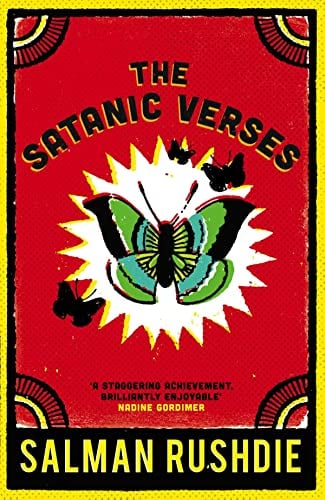
Read nowNo. 13 on this list. The Satanic Verses · Salman Rushdie · 1988
The Satanic Verses occupies singular position in late-twentieth-century literature due to the fatwa issued by Ayatollah Khomeini, making it perhaps the most internationally controversial novel of its era. Beyond the political firestorm, it stands as landmark postcolonial fiction and exemplar of British multicultural literature. The novel appears on standard lists of essential postmodern works and remains central to discussions of migration, identity, and religion in global fiction. Its notoriety ensures permanent place in literary and political history.
Difficult26 hours
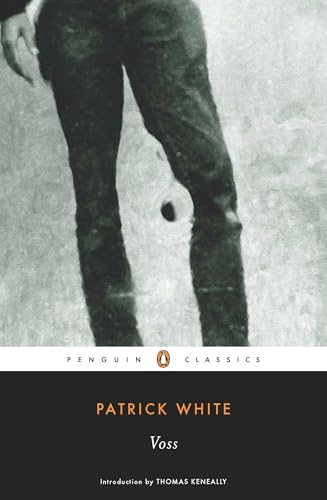
Start this bookNo. 14 on this list. Voss · Patrick White · 1957
Voss is recognized as a cornerstone of Australian literature and a major work of postcolonial fiction. It consistently appears in scholarly discussions of antipodean identity, imperial mythology, and mid-century modernism. The novel has maintained critical attention since publication and is standard curriculum in Australian and Commonwealth literary studies.
Challenging16 hours
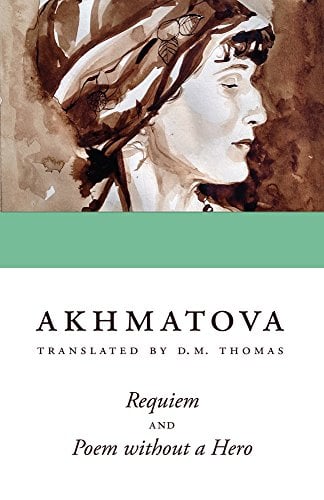
Start this bookNo. 15 on this list. Poem Without a Hero · Anna Akhmatova · 1960
Requiem and Poem Without a Hero are canonical texts of 20th-century Russian literature and essential documents of Stalinist-era witness poetry — required reading in Russian literature courses worldwide. No database records appear for this English translation's syllabus presence, but the works are universally taught in courses on Soviet literature, women's writing, and poetry of witness. The Wikipedia absence in this database likely reflects a data gap rather than actual obscurity: Akhmatova's works are foundational to Russian studies curricula.
Difficult2 hours
Start this bookNo. 16 on this list. Angels in America: Perestroika · Tony Kushner · 1992
Angels in America is taught in American theater, drama, and queer studies programs at universities across the country and is consistently listed among the essential works of 20th-century American literature. Both parts of the play appear regularly on syllabi in literature, political science, and history courses. Its status as a defining document of the AIDS crisis and Reagan-era America makes it required context for anyone studying the period.
Difficult6.8 hours
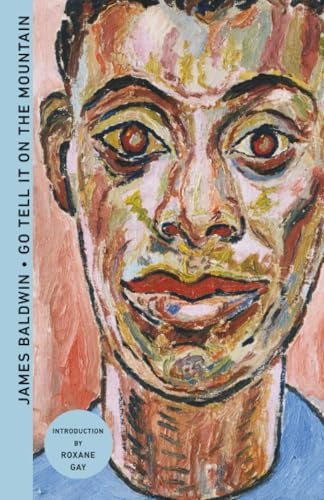
Start this bookNo. 17 on this list. Go Tell It on the Mountain · James Baldwin · 1953
Listed on both the Modern Library 100 Best Novels (1998) and TIME All-TIME 100 Novels (2005), and appears on 414 university syllabi (65th percentile by Open Syllabus data). Baldwin's debut is a fixture in American literature and African-American literature courses.
Difficult10 hours
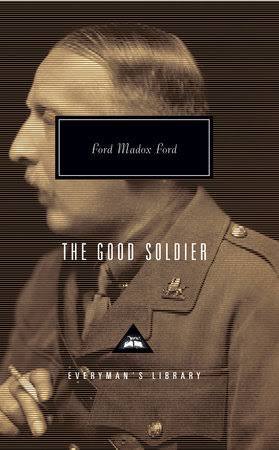
Start this bookNo. 18 on this list. The Good Soldier · Ford Madox Ford · 1915
Appears on 473 university syllabi (67th percentile in Open Syllabus), placing it firmly in the modernist teaching canon alongside Conrad and early Lawrence. Listed on the Modern Library 100 Best Novels. A standard text in courses on British modernism and narrative technique, though less universally assigned than Woolf or Joyce.
Challenging7 hours
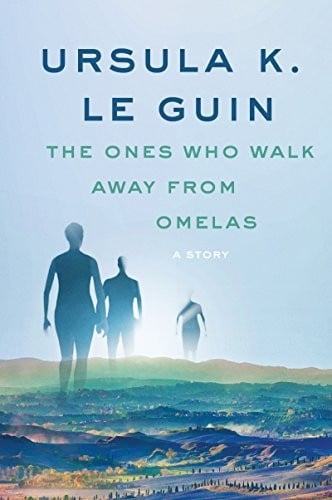
Read nowNo. 19 on this list. The Ones Who Walk Away from Omelas · Ursula K Le Guin · 1973
Widely taught in philosophy, ethics, and literature courses globally. Anthologized in hundreds of collections and featured on virtually every 'essential short fiction' list. Its presence in academic syllabi rivals Borges and Kafka in ethics curricula, where it functions as a standard thought-experiment text.
Challenging40 min
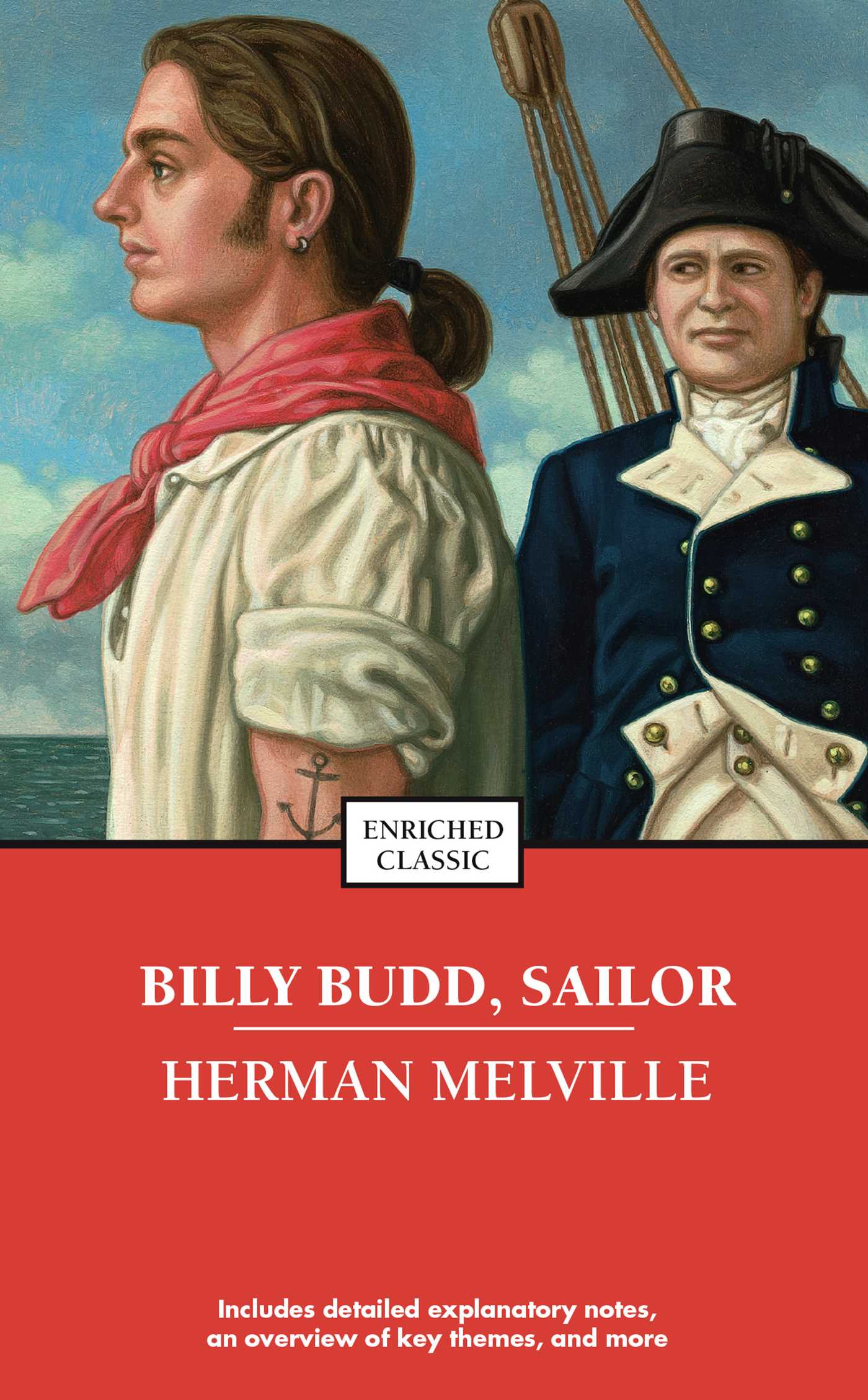
Start this bookNo. 20 on this list. Billy Budd, Sailor · Herman Melville
Taught in schools: Common Core text exemplars (Appendix B) (US)
Billy Budd is a fixture in American literature courses, canonized alongside Moby-Dick as one of Melville's essential works and one of the foundational American novellas. Although the data signals show no tracked syllabus entries in this database, the text has been continuously taught at university level since its rediscovery in the 1920s and appears on virtually every American literature syllabus covering the 19th century. It is frequently included on lists of great American fiction.
Difficult3.3 hours
Read now
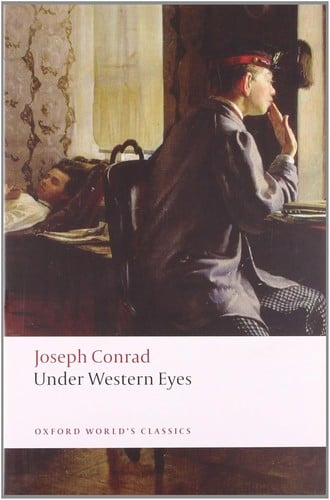
No. 21 on this list. Under Western Eyes · Joseph Conrad · 1911
Under Western Eyes holds a secure place in the Conrad canon — studied in university courses alongside Nostromo, The Secret Agent, and Lord Jim, and consistently discussed in critical accounts of Conrad's major work. Leavis included Conrad among the great tradition of English novelists, and the novel's treatment of guilt, betrayal, and political despotism has kept it on syllabi across literature and political thought programmes. Its standing is below Heart of Darkness and Lord Jim in frequency of assignment but firmly canonical within the Conrad corpus.
Difficult15 hours
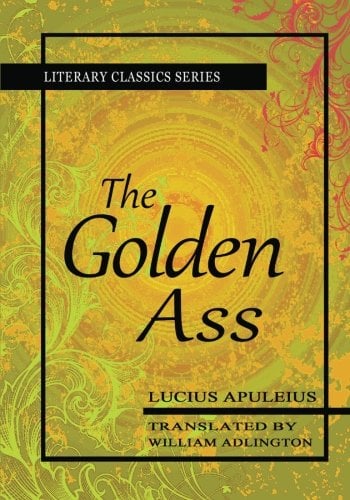
Start this bookNo. 22 on this list. The Golden Ass · Apuleius · 170
Included in: Oxford World's Classics
The Golden Ass is the only Latin prose novel to survive complete from antiquity, making it a required text in virtually every classical literature and ancient novel course worldwide. Though the database returned no formal syllabus entries, the work appears across comparative literature, mythology, and world literature curricula at universities globally. It features in most canonical 'great books' programs and was included in Harold Bloom's Western Canon.
Difficult12 hours
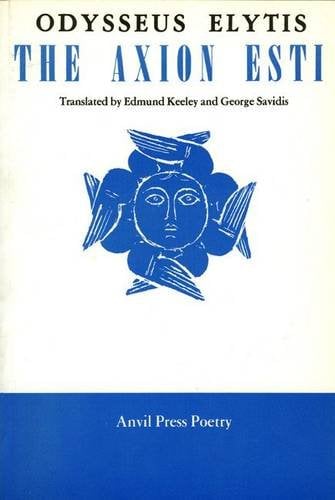
Start this bookNo. 23 on this list. The Axion Esti · Odysseas Elytis · 1959
The Axion Esti stands as the central work of modern Greek poetry and one of the most significant long poems of the 20th century. It holds canonical status in Greek literature comparable to The Waste Land in English, widely taught in Greek schools and universities. The work's international recognition increased substantially after Elytis received the Nobel Prize in Literature (1979), though it remains less widely read outside Greece than other Nobel-honored poetry.
Challenging38 min
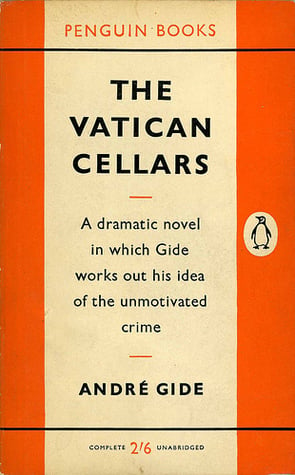
Start this bookNo. 24 on this list. The Vatican Cellars · André Gide · 1914
The Vatican Cellars opens in Rome in 1890 with Anthime Armand-Dubois, a freemason rationalist whose body trembles with spasms while his wife Véronique maintains quiet devotion. Anthime conducts vivisection experiments on animals to reduce behavior to simple tropisms, recruiting street orphan Beppo to procure his living test subjects. When Anthime smashes a Madonna statue in fury at his wife's prayers, he experiences a dream-vision of the Blessed Virgin that leaves him physically healed yet spiritually transformed. The novel then shifts to Julius de Baraglioul, a novelist and aristocrat whose father sends him to investigate the mysterious young Lafcadio Wluiki, a mysterious nineteen-year-old orphan of dubious origins. Julius discovers Lafcadio's private notebook, where the youth records not moral reflections but acts of self-harm, punishing himself with meticulous tallies for imagined transgressions. Gide weaves together these character strands with satirical precision, creating a darkly comic examination of belief, rebellion, and the peculiar violence that lurks beneath bourgeois respectability.
Challenging7.5 hours
Start this bookNo. 25 on this list. Cymbeline · William Shakespeare · 1611
Included in: Great Books of the Western World
Cymbeline is a regular presence in university Shakespeare courses and appears in collected editions universally, but it occupies the second tier of the canon — studied more as a late romance alongside The Winter's Tale and The Tempest than as a standalone essential. It lacks the curricular centrality of Hamlet, Macbeth, or King Lear, and general readers are unlikely to encounter it outside academic contexts. Its place in the late-romances grouping grants it moderate canonical standing, above Pericles but well below the great tragedies.
Difficult3.4 hours
Read nowNo. 26 on this list. Fifth Business · Robertson Davies · 1970
Fifth Business is widely regarded as the foundational text of modern Canadian literature and a fixture on university English syllabi across Canada and internationally. Its place at the head of the Deptford Trilogy and its sustained presence in academic course lists — from Canadian literature surveys to courses on the psychological novel — cement its canonical standing well beyond its national origin.
Difficult13 hours
Start this bookNo. 27 on this list. House of Glass · Pramoedya Ananta Toer · 1988
House of Glass is the concluding volume of the Buru Quartet, which is universally regarded as the most important work of Indonesian literature and one of the defining anticolonial novels of the twentieth century. It appears on numerous world literature reading lists and is taught at universities across Southeast Asia, Europe, and North America, though its presence in Western canons is less robust than its literary standing merits.
Difficult20 hours
Start this bookNo. 28 on this list. The Winding Stair · William Butler Yeats · 1933
Published in 1933, this collection represents Yeats at the height of his late powers, confronting old age, political disillusionment, and metaphysical yearning through symbols drawn from his occult system A Vision. The tower at Thoor Ballylee becomes a central image: in 'Blood and the Moon' it rises as both Anglo-Irish monument and emblem of consciousness ascending through gyres of history. 'A Dialogue of Self and Soul' stages an internal debate between transcendent renunciation and acceptance of embodied life, concluding with a forceful affirmation of existence that forgives even suffering. The paired Byzantium poems ('Sailing to Byzantium' appears in the earlier Tower volume, but 'Byzantium' here extends the meditation) envision sacred art as escape from biological decay into eternal form. 'Coole Park and Ballylee, 1931' elegizes Lady Gregory's estate and the cultural moment it represented, now dissolving in Ireland's post-revolutionary violence. 'Vacillation' sustains eight sections of philosophical oscillation between worldly and spiritual commitments without final resolution. Throughout, Yeats employs demanding stanzaic forms—ottava rima, terza rima—whose formal strictness contains explosive metaphysical content, creating poetry that is simultaneously architectural and visionary.
Difficult53 min
Start this bookNo. 29 on this list. Parable of the Talents · Octavia E. Butler · 1998
Winner of the Nebula Award for Best Novel (1999). Widely taught in speculative fiction, Afrofuturism, and American dystopia courses. The Parable duology is among the most assigned works in contemporary SF syllabi and is firmly canonical within the genre; its canonical standing in broader American literary culture continues to grow.
Challenging13 hours
Start this bookNo. 30 on this list. Rameau's Nephew · Denis Diderot · 1805
Included in: Great Books of the Western World
Rameau's Nephew is a fixture in 18th-century French literature and philosophy courses at the university level, though it occupies a more specialist niche than Diderot's Encyclopédie work. It appears on syllabi in French literature, Enlightenment studies, and courses on the dialogue form. Goethe's German translation (1805) was the work's first publication and secured its European reputation; Wikipedia articles exist in around 30 languages.
Difficult6 hours
Start this book
No. 31 on this list. Love Medicine
Louise Erdrich · 1984
No. 32 on this list. Our Lady of the Flowers
Jean Genet · 1943
No. 33 on this list. The Father
August Strindberg · 1887
No. 34 on this list. Terra Nostra
Carlos Fuentes · 1975
No. 35 on this list. The Vivisector
Patrick White · 1970
No. 36 on this list. Dog Years
Günter Grass · 1963
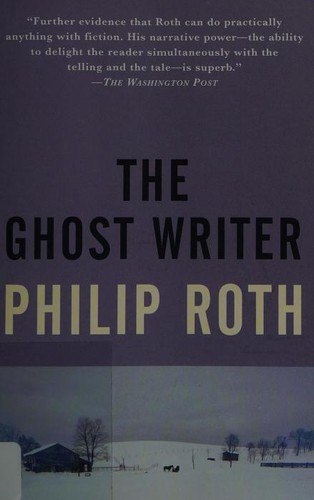
No. 37 on this list. The Ghost Writer
Philip Roth · 1979
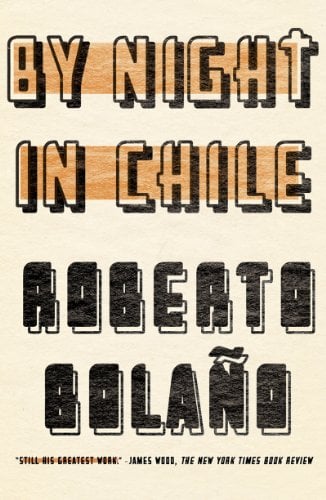
No. 38 on this list. By Night in Chile
Roberto Bolaño · 2000
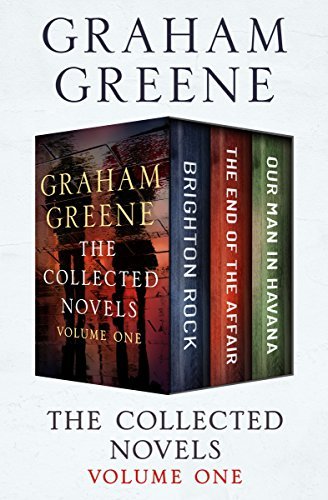
No. 39 on this list. The End of the Affair
Graham Greene · 1951
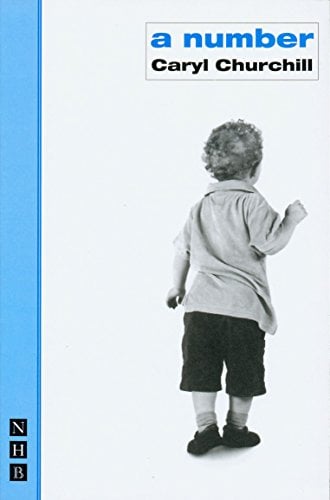
No. 40 on this list. A Number
Caryl Churchill · 2002
No. 41 on this list. A Tale of a Tub
Jonathan Swift · 1704
No. 42 on this list. Stories of Your Life and Others
Ted Chiang · 2002
No. 43 on this list. A Fable
William Faulkner · 1955
No. 44 on this list. The Tunnel
William Gass · 1995
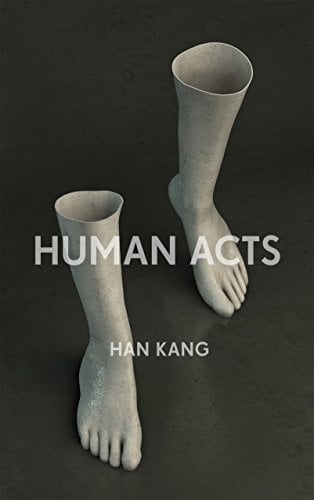
No. 45 on this list. Human Acts
Han Kang · 2014
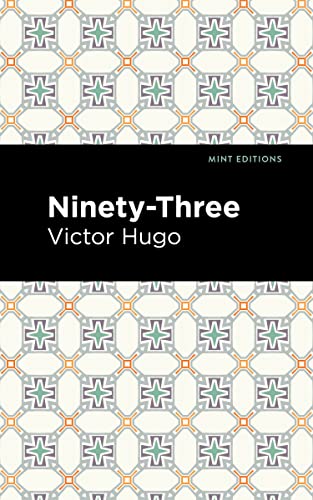
No. 46 on this list. Ninety-Three
Victor Hugo · 1874
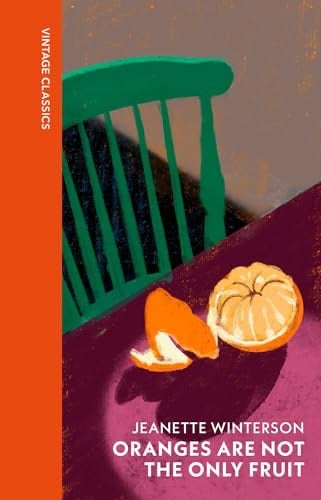
No. 47 on this list. Oranges Are Not the Only Fruit
Jeanette Winterson · 1985
Taught in schools: AQA GCSE and A-level English Literature (UK), WJEC/Eduqas GCSE and A-level English Literature (UK)
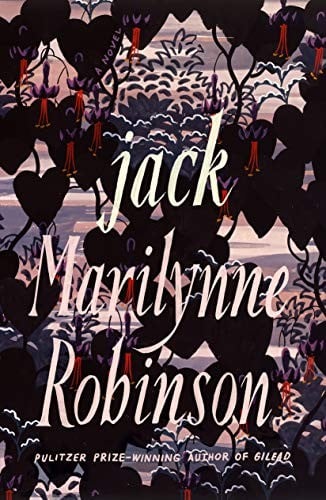
No. 48 on this list. Jack
Marilynne Robinson · 2020
No. 49 on this list. Brighton Rock
Graham Greene · 1938
Taught in schools: AQA GCSE and A-level English Literature (UK)
No. 50 on this list. Frog
Mo Yan · 2009
No. 51 on this list. The Book of the New Sun
Gene Wolfe · 1980
No. 52 on this list. Miss Lonelyhearts
Nathanael West · 1933
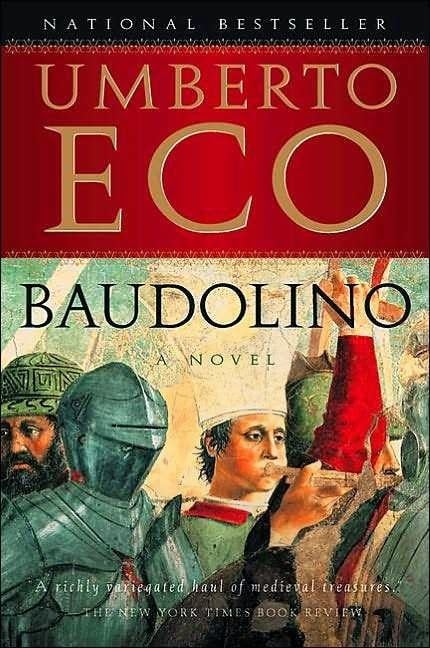
No. 53 on this list. Baudolino
Umberto Eco · 2000
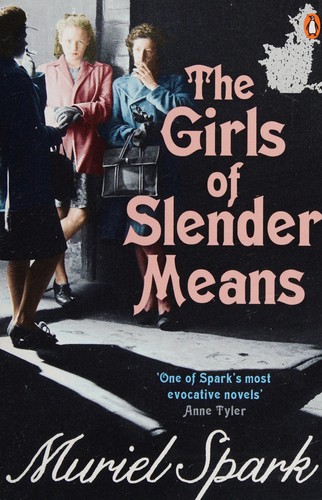
No. 54 on this list. The Girls of Slender Means
Muriel Spark · 1963
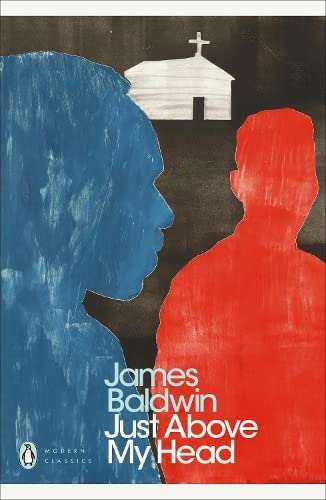
No. 55 on this list. Just Above My Head
James Baldwin · 1979
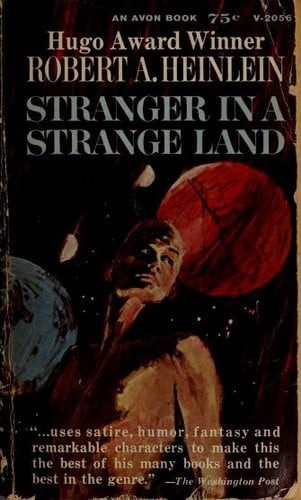
No. 56 on this list. Stranger in a Strange Land
Robert A. Heinlein · 1961
No. 57 on this list. A Guest for the Night
Shmuel Yosef Agnon · 1939
No. 58 on this list. The Spire
William Golding · 1964
No. 59 on this list. Baron Wenckheim's Homecoming
László Krasznahorkai · 2016
No. 60 on this list. Omensetter's Luck
William Gass · 1966
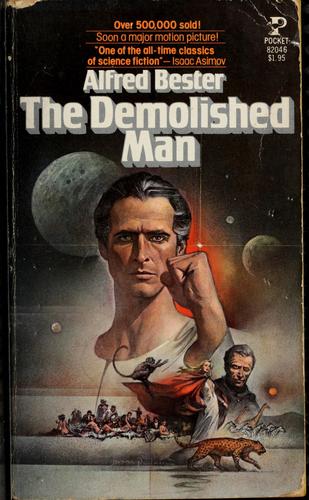
No. 61 on this list. The Demolished Man
Alfred Bester · 1953
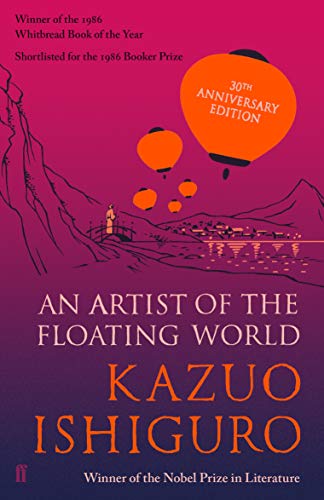
No. 62 on this list. An Artist of the Floating World
Kazuo Ishiguro · 1986
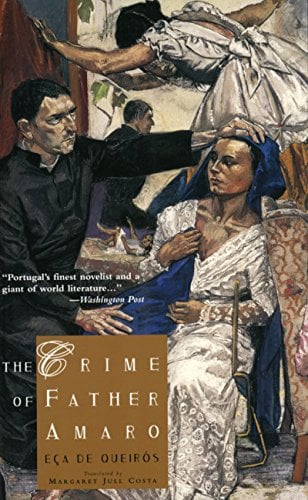
No. 63 on this list. The Crime of Father Amaro
José Maria de Eça de Queirós · 1875
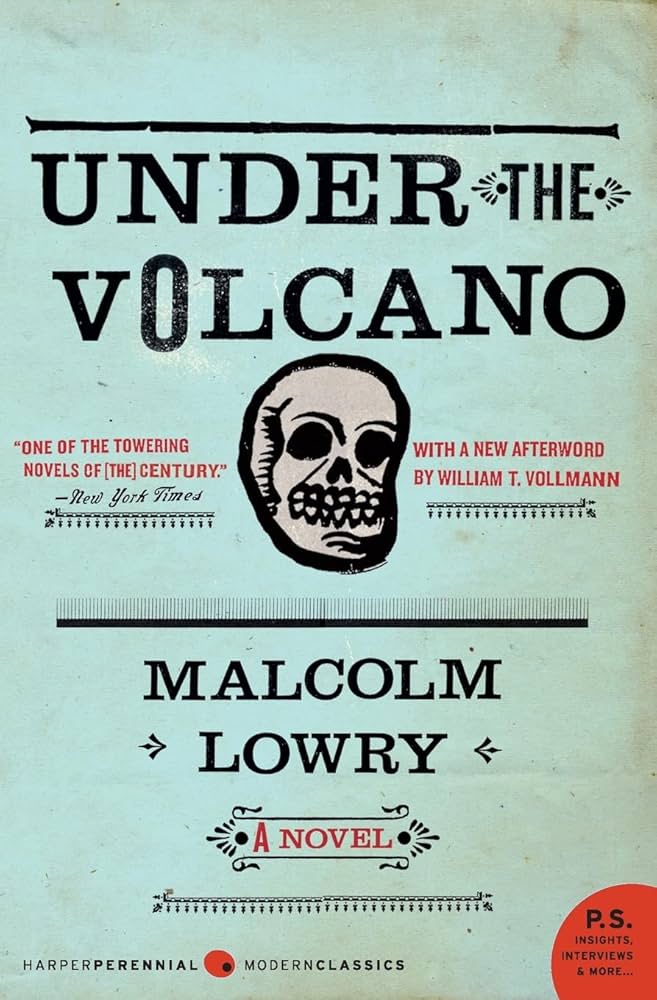
No. 64 on this list. Under the Volcano
Malcolm Lowry · 1947
No. 65 on this list. Riders in the Chariot
Patrick White · 1961
No. 66 on this list. The Eternal Husband
Fyodor Dostoevsky · 1870
No. 67 on this list. The Tenant of Wildfell Hall
Anne Brontë · 1848
Taught in schools: AQA GCSE and A-level English Literature (UK), Leaving Certificate English – NCCA / State Examinations Commission (Ireland)
No. 68 on this list. Septology
Jon Fosse · 2019
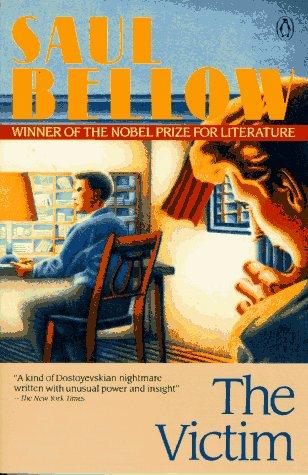
No. 69 on this list. The Victim
Saul Bellow · 1947
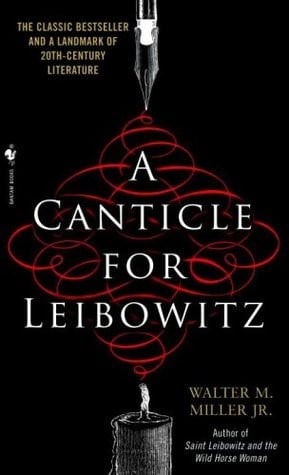
No. 70 on this list. A Canticle for Leibowitz
Walter M. Miller Jr. · 1960
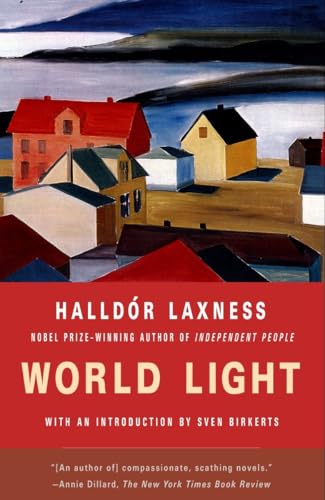
No. 71 on this list. World Light
Halldór Laxness · 1937
Included in: UNESCO Collection of Representative Works
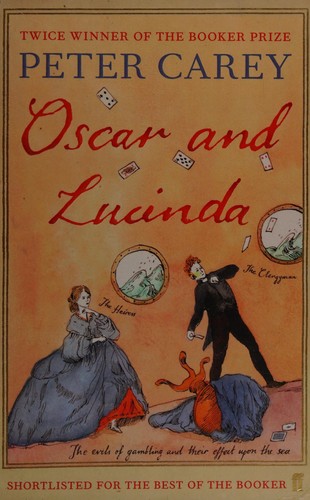
No. 72 on this list. Oscar and Lucinda
Peter Carey · 1988
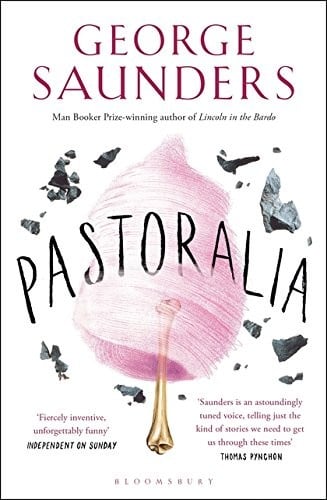
No. 73 on this list. Pastoralia
George Saunders · 2000
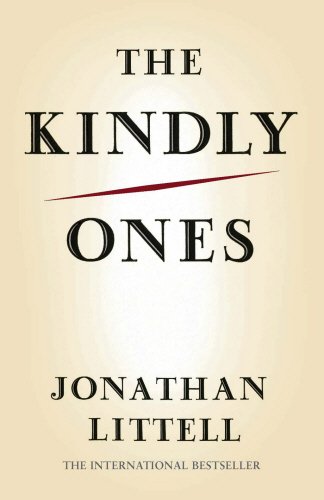
No. 74 on this list. The Kindly Ones
Jonathan Littell · 2006
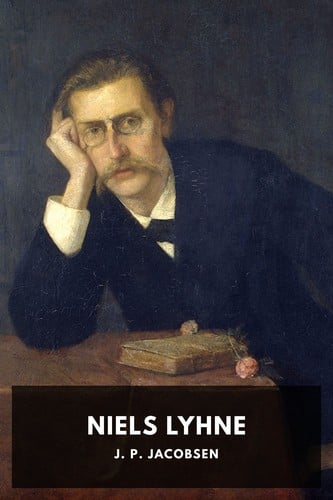
No. 75 on this list. Niels Lyhne
Jens Peter Jacobsen · 1880
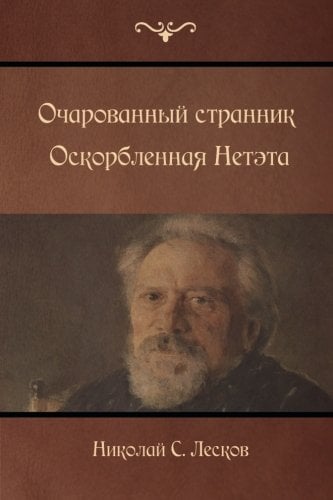
No. 76 on this list. The Enchanted Wanderer
Nikolai Leskov · 1873
Taught in schools: Russian FGOS literature standard
No. 77 on this list. The Confidence-Man
Herman Melville · 1857
No. 78 on this list. The Dew Breaker
Edwidge Danticat · 2004
No. 79 on this list. The Sirens of Titan
Kurt Vonnegut · 1959
No. 80 on this list. Waterland
Graham Swift · 1983
Taught in schools: AQA GCSE and A-level English Literature (UK)
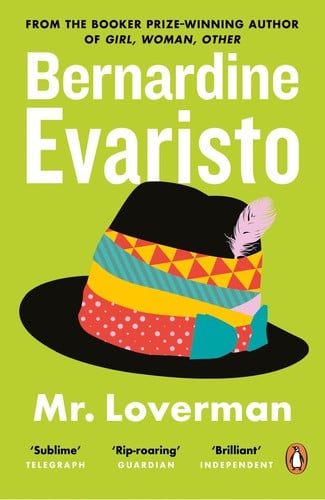
No. 81 on this list. Mr Loverman
Bernardine Evaristo · 2013
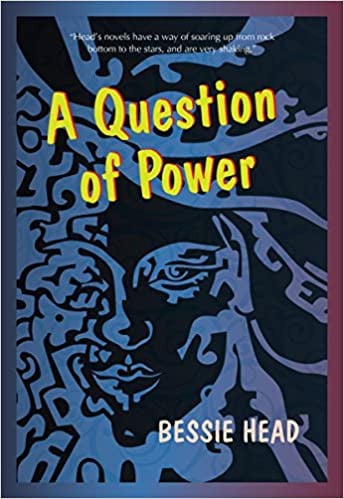
No. 82 on this list. A Question of Power
Bessie Head · 1974
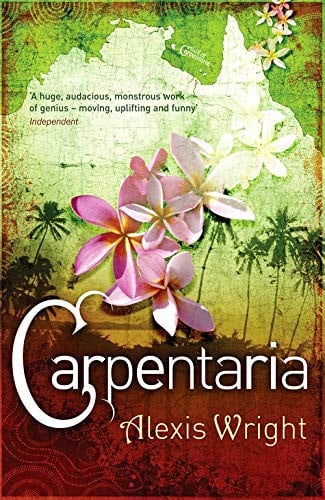
No. 83 on this list. Carpentaria
Alexis Wright · 2006
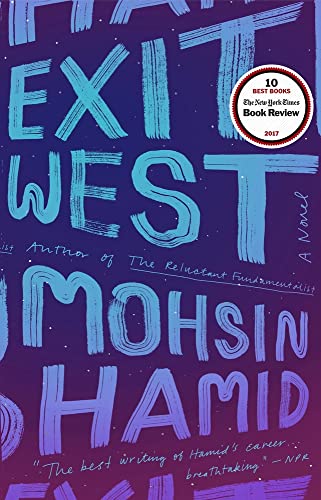
No. 84 on this list. Exit West
Mohsin Hamid · 2017
No. 85 on this list. The House on the Hill
Cesare Pavese · 1948
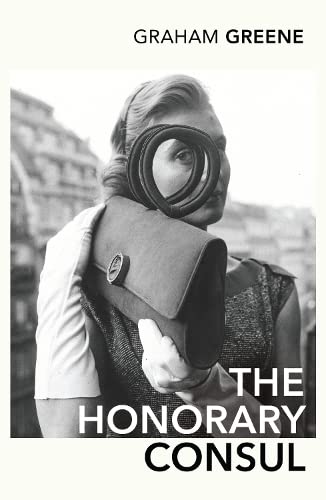
No. 86 on this list. The Honorary Consul
Graham Greene · 1973
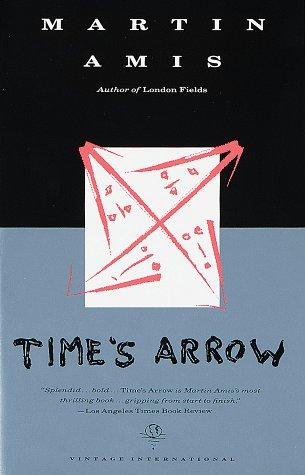
No. 87 on this list. Time's Arrow
Martin Amis · 1991
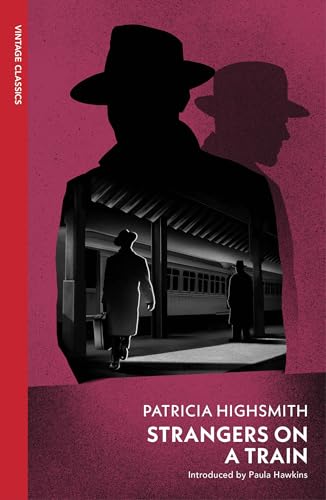
No. 88 on this list. Strangers on a Train
Patricia Highsmith · 1950
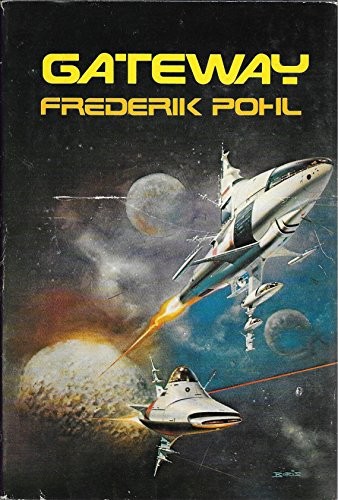
No. 89 on this list. Gateway
Frederik Pohl · 1977
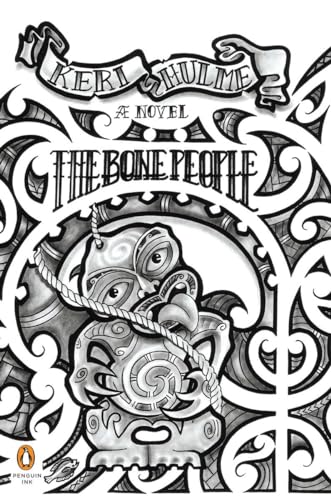
No. 90 on this list. The Bone People
Keri Hulme · 1985
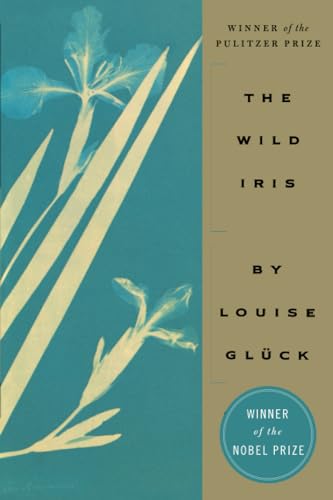
No. 91 on this list. The Wild Iris
Louise Glück · 1992
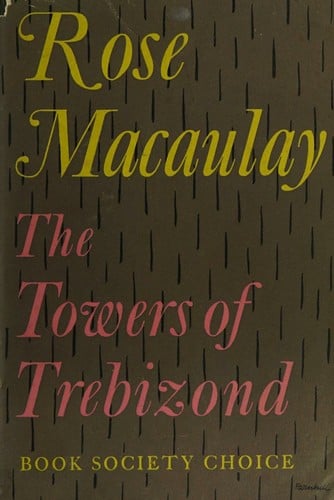
No. 92 on this list. The Towers of Trebizond
Rose Macaulay · 1956
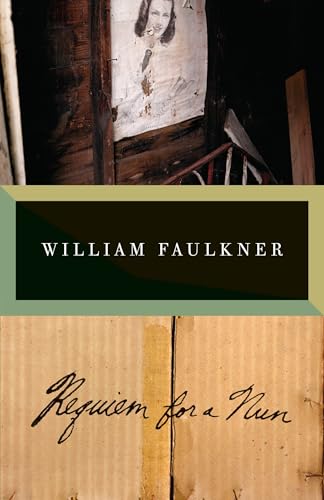
No. 93 on this list. Requiem for a Nun
William Faulkner · 1951
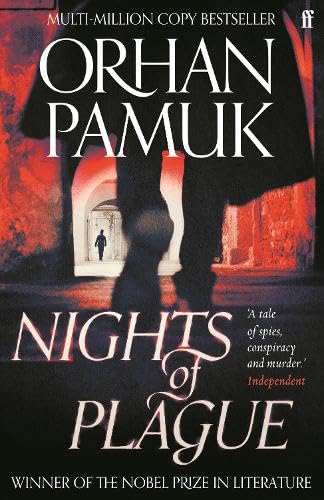
No. 94 on this list. Nights of Plague
Orhan Pamuk · 2021
No. 95 on this list. The Books of Jacob
Olga Tokarczuk · 2014
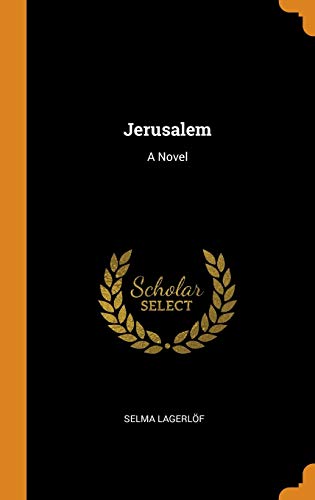
No. 96 on this list. Jerusalem
Selma Lagerlöf · 1901
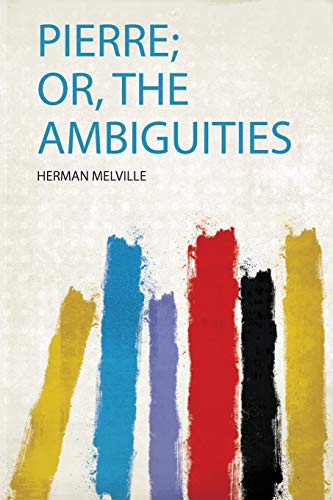
No. 97 on this list. Pierre
Herman Melville · 1852
No. 98 on this list. We Need to Talk About Kevin
Lionel Shriver · 2005
No. 99 on this list. House of Day, House of Night
Olga Tokarczuk · 1998
No. 100 on this list. The Poisonwood Bible
Barbara Kingsolver · 1999
About this list
These 100 books are the highest-scoring eligible challenging books about faith and spirituality currently in the catalogue. About 1,359 hours of reading in all. Difficulty runs from 69 to 74 out of 100 for the middle half of the list; the summit is The Tunnel at 85.
This list is ranked by literary regard, with a consistent order for equal scores. Membership follows authors and co-authors, not translators or editors. A book is here when ReadingRate files it under Faith & Spirituality as one of its primary reading domains, at a confidence of 0.8 or more. Catalogue coverage and the historical canon both limit what this list can represent.
When we matched the Canons dataset to our catalogue in October 2026, our canonical-status scores rose with the number of school curricula, publisher series and lists in it that cite a work: the median score was 72 for books one such source cites, 84 at two, 88 at three, 92 at four and 93 at five or more. Prizes are left out of that count. Outside the state curricula, the dataset’s sources choose mostly from what has been translated into English or French, so it is a weaker check on other literatures. Source: Canons (Andrew Piper), CC BY 4.0
Questions people actually ask
- What are the best challenging books about faith and spirituality?
- By literary regard, which weighs canonical status, critical standing and influence: Divine Comedy by Dante Alighieri, Paradise Lost by John Milton, Thus Spake Zarathustra A book for all and none by Friedrich Nietzsche, A Portrait of the Artist as a Young Man by James Joyce and Four Quartets by T. S. Eliot. ReadingRate ranks 100 such books, each with a difficulty score and a reading-time estimate.
- Which challenging books about faith and spirituality should I read first?
- Start from difficulty, not from rank. The most approachable books on this list that still carry top literary regard are The Good Soldier by Ford Madox Ford (about 7 hours), The Ones Who Walk Away from Omelas by Ursula K Le Guin and Peer Gynt by Henrik Ibsen.
- What are the shortest of the best challenging books about faith and spirituality?
- Among the top 25, the shortest are The Axion Esti by Odysseas Elytis (about 38 min), The Ones Who Walk Away from Omelas by Ursula K Le Guin (about 40 min) and Four Quartets by T. S. Eliot (about 51 min), at an average pace of 250 words a minute adjusted for each book's difficulty.
- Which of the best challenging books about faith and spirituality are the established classics?
- By canonical status, how firmly a book sits in curricula, anthologies and the canon: Divine Comedy by Dante Alighieri, Mahabharata by Vyasa, Paradise Lost by John Milton, The Brothers Karamazov by Fyodor Dostoevsky and Four Quartets by T. S. Eliot.
- Can I read any of these challenging books about faith and spirituality for free?
- 13 of the 100 open in ReadingRate's reader with a free account, from public-domain editions: Divine Comedy, Paradise Lost, A Portrait of the Artist as a Young Man, Mahabharata, The Scarlet Letter and 8 more.
- How long would it take to read the top ten?
- About 154 hours, at an average pace of 250 words a minute adjusted for each book's difficulty: 77 days at two hours a day. Set your own pace on the page and the list's reading times change to it.
- How hard are challenging books about faith and spirituality to read?
- Most of this list sits between 69 and 74 on ReadingRate's 100-point difficulty scale, where 40 to 55 is moderate. The summit is The Tunnel at 85. Every entry carries its own score, so a reader can pick a great book at a difficulty they will finish.
- How is this list ranked?
- On literary-regard data: how canonically established a work is, its critical standing, and its influence on later writing. It is not a readers’ poll, which is why recent bestsellers rarely appear. Membership follows authors and co-authors, not translators or editors. Lists by country, author, period, theme or difficulty keep to literature (fiction, poetry, drama and philosophy), their novels, poems and plays first and their philosophy after them; a list of a kind of book, such as memoir or criticism, keeps every book of that kind. Every list holds at most three works by one author. A book is here when ReadingRate files it under Faith & Spirituality as one of its primary reading domains, at a confidence of 0.8 or more.