Hours at an average pace
Showing 100 books
About 506 hours for 100 of 100 books with measured lengths. Estimates use 250 words a minute, adjusted for each book's difficulty. At 2 hours a day, about 254 days for those books.
No. 1 on this list. Bérénice
Jean Racine · 1670
Moderate50 min
Included in: Great Books of the Western World
Bérénice is a cornerstone of French classical literature, taught in virtually every French lycée and featured in world literature and drama curricula internationally. Alongside Phèdre and Andromaque, it is one of the three works most associated with Racine's genius and is considered essential reading for anyone studying French neoclassical theatre.
No. 2 on this list. The Miser
Molière · 1668
Moderate1.4 hours
Taught in schools: Lektury obowiązkowe – Polish national reading list (Poland), UNAM Escuela Nacional Preparatoria – programas de Literatura (Mexico)
Included in: Great Books of the Western World
The Miser is a staple of French literature and world theater curricula across universities globally, ranking among the most performed and studied comedies of the Western canon. While no syllabus count is in the database, it appears consistently on comparative literature, French studies, and drama course lists. Its presence in world literature anthologies across dozens of languages reflects its canonical standing.
One of the most anthologised poems in American literature and a standard school text.
Andromaque, widowed queen of Troy, has one goal: protect her son Astyanax, the last living heir of Hector. Standing between her son's life and his death is Pyrrhus, the Greek king who killed her husband and now holds them both captive — and who, inconveniently, is in love with her. Pyrrhus will spare the boy if she marries him. She refuses. He turns back to his betrothed, Hermione. Then he returns to Andromaque again. This chain of unrequited desire — Oreste loves Hermione, Hermione loves Pyrrhus, Pyrrhus loves Andromaque, Andromaque loves only the dead Hector — is the entire engine of the play. Racine wrote Andromaque in 1667, when he was thirty, and it made him famous overnight. The alexandrine verse is strict and relentless, each character arguing their case with the precision of a lawyer and the desperation of someone who knows they are losing. What distinguishes this from other tragedies is how little pity Racine allows anyone: every character is both victim and tormentor. By the final act, Pyrrhus is dead, Hermione has killed herself, and Oreste has gone mad. Andromaque survives, which in context feels like its own punishment.
Pamela Andrews is fifteen years old and in service when her mistress dies and the mistress's son, Mr. B, begins a campaign to seduce her. She refuses. He escalates — intercepting her letters, relocating her to a remote estate, locking her in — and she keeps writing, to her parents and in a secret journal she hides in her clothing. What makes the novel strange is that we only have Pamela's account: earnest, relentlessly self-observing, written in the knowledge that Mr. B may one day read every word she has set down. Published in 1740, Pamela invented something — not just the epistolary novel, but the novel's peculiar project of making a single consciousness the center of a world. Richardson called his method 'writing to the moment': the heroine records events as they happen, before she knows how they will turn out. Readers have been arguing about Pamela's sincerity ever since. Henry Fielding published Shamela the following year, certain the whole performance was calculation dressed as virtue. That argument — is Pamela genuinely good, or is goodness here just the strategy that worked? — has never been settled. The novel is slow by design: captivity is repetitive, and Richardson wants you to feel it. But the compression of one young woman's inner life, the surveillance she endures and returns in kind, and the original sin of a marriage that rewards persistence over refusal make Pamela one of the most uncomfortable triumphs in English fiction.
No. 6 on this list. The Comedy of Errors
William Shakespeare · 1594
Moderate1 hours
Included in: Great Books of the Western World
The Comedy of Errors appears on English literature syllabi worldwide as a fixture in Shakespeare survey courses. Among Shakespeare's 37 plays it ranks below the major tragedies in teaching frequency, but as the shortest play in the canon and the foundational English stage farce it maintains consistent academic presence across drama and literature programmes.
No. 7 on this list. Phèdre
Jean Racine · 1677
Moderate52 min
Included in: Great Books of the Western World
Phedre is the acknowledged masterpiece of French neoclassical drama and a permanent fixture of French lycee and university curricula worldwide. Wikipedia articles exist in 26 languages with a dedicated Reception section, reflecting sustained international scholarly attention. Though the database records no syllabus appearances, this reflects a data gap — the play is core curriculum in French literature courses across Europe and North America.
Universally recognized as the masterpiece of Spanish realism and one of the great European novels of the nineteenth century.
The undisputed masterpiece of twentieth-century Catalan literature. Widely translated and recognized as one of the great European novels of the postwar period.
No. 10 on this list. The School for Wives
Molière · 1662
Easy1.2 hours
Included in: Great Books of the Western World
A major Molière comedy, regularly performed and studied. Marks the beginning of his mature period and the great querelle it provoked.
No. 11 on this list. Meditations in an Emergency · Frank O'Hara · 1957
An important early New York School text, though less widely known than Lunch Poems. Its reputation has grown as O'Hara's stature has increased.
Easy23 min
Start this bookNo. 12 on this list. Sister Carrie · Theodore Dreiser · 1900
Appears on 1,040 university syllabi and sits on the Modern Library 100 Best Novels list. It is a standard text for American naturalism and the Gilded Age city.
Easy9.4 hours
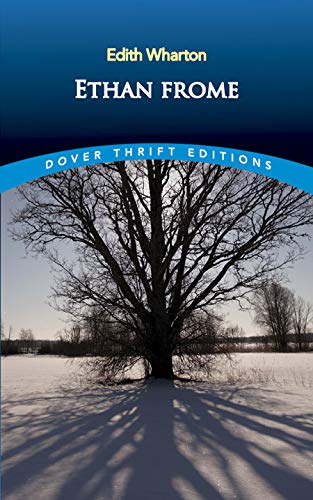
Read nowNo. 13 on this list. Ethan Frome · Edith Wharton · 1911
One of the most widely assigned American novels, a staple of high school and college curricula. A central text of American literary realism.
Easy1.7 hours
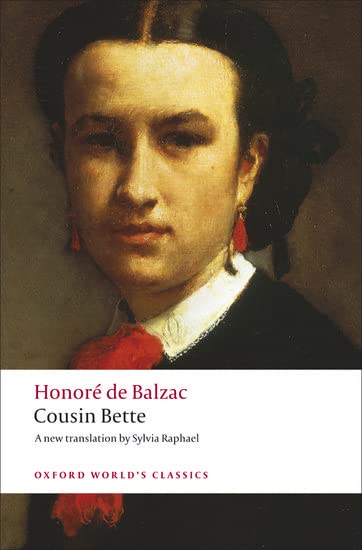
Start this bookNo. 14 on this list. Cousin Bette · Honoré de Balzac · 1846
Included in: Great Books of the Western World
Cousin Bette is central to the Balzac canon and widely taught in French university courses across Europe; it appears on numerous syllabi as his finest late novel and as a cornerstone of European realism. Its Anglophone classroom presence is smaller than in France, but it features in world literature survey courses and Victorian-comparative programs.
Easy10 hours
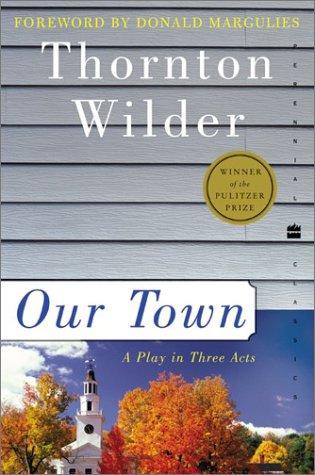
Start this bookNo. 15 on this list. Our Town · Thornton Wilder · 1938
Taught in schools: Common Core text exemplars (Appendix B) (US), CSEC English B – Caribbean Examinations Council
Our Town is among the most-produced American plays, a staple of high school and college drama and American literature courses. It won the 1938 Pulitzer Prize for Drama and is widely taught as a landmark of twentieth-century American theater.
Easy2.8 hours
Start this bookNo. 16 on this list. Jenny · Sigrid Undset · 1911
Jenny holds significant status in Scandinavian literary history as an early psychological realist novel examining female artistic ambition and sexuality with unprecedented frankness. Its 1911 publication sparked controversy and established Undset as a major voice before her Nobel-winning Kristin Lavransdatter trilogy. While less universally canonical than her medieval epics, Jenny remains essential for understanding early 20th-century Nordic modernism and appears regularly in Norwegian literary curricula and scholarship on women's writing.
Easy5.3 hours
Read nowNo. 17 on this list. Memed, My Hawk · Yasar Kemal · 1955
Included in: UNESCO Collection of Representative Works
The foundational novel of modern Turkish literature's international reputation. Widely translated and studied as a masterpiece of Turkish fiction.
Easy5.4 hours
Start this bookNo. 18 on this list. Count Julian · Juan Goytisolo · 1970
Count Julian (Reivindicación del conde don Julián, 1970), the middle novel of the trilogy begun with Marks of Identity, is a standard text in courses on the post-war Spanish novel. Banned in Franco's Spain, it is read in English in Helen Lane's translation.
Very Easy2.6 hours
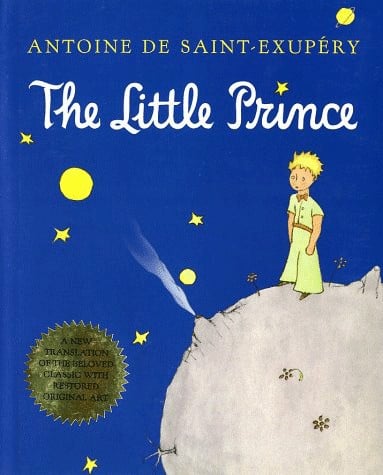
Start this bookNo. 19 on this list. The Little Prince · Antoine de Saint-Exupéry · 1943
Taught in schools: Common Core text exemplars (Appendix B) (US)
One of the most translated books in history with over 300 language editions, making it among the most widely read works of French literature. A staple of French school curricula and taught globally in world literature, philosophy, and children's literature courses. Wikipedia articles exist in well over 100 languages, reflecting universal cultural penetration.
Easy60 min
Start this bookNo. 20 on this list. The Way We Live Now · Anthony Trollope · 1875
Widely taught in Victorian literature courses at universities worldwide and consistently included in lists of the greatest 19th-century English novels. Routinely called Trollope's masterpiece and the finest Victorian satire of money and society. While no formal database entry is available here, the novel's presence on undergraduate syllabi is extensive, placing it solidly in the upper tier of Victorian canonical texts, though below the very highest (Dickens, George Eliot, Hardy).
Moderate23 hours
Start this book
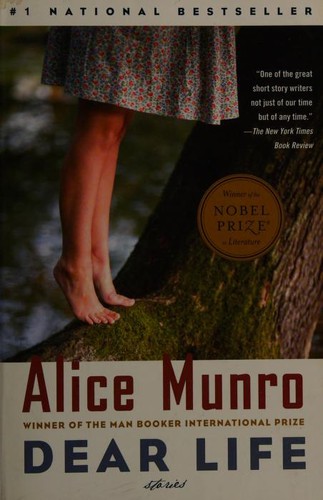
No. 21 on this list. Dear Life · Alice Munro · 2012
Munro's final collection, published the year before her Nobel Prize. Regarded as a fitting capstone to one of the great careers in short fiction.
Easy4.6 hours
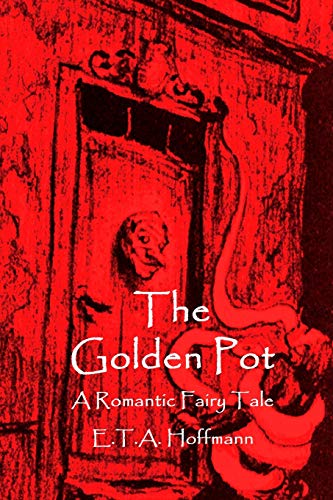
Start this bookNo. 22 on this list. The Golden Pot · E.T.A. Hoffmann · 1814
One of the masterpieces of German Romanticism and Hoffmann's most celebrated tale. Widely studied in German literature courses.
Moderate1.9 hours
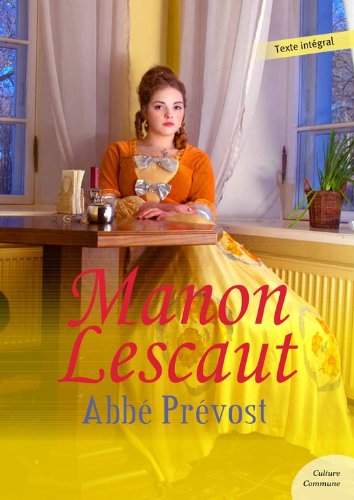
Start this bookNo. 23 on this list. Manon Lescaut · Abbé Prévost · 1731
Taught in schools: Programme de français, lycée général et technologique (France)
A cornerstone of the French novel and one of the great love stories of European literature. Widely read and studied.
Easy2.9 hours
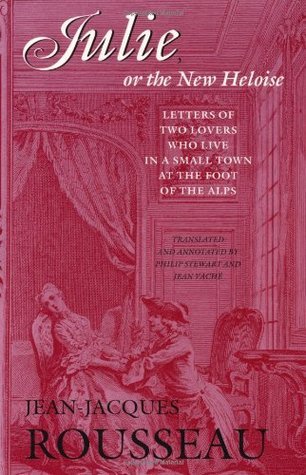
Start this bookNo. 24 on this list. Julie, or the New Heloise · Jean-Jacques Rousseau · 1761
The most important French novel before the 19th century and a founding text of Romanticism. Less read today than it deserves, partly due to its length and didactic passages.
Moderate18 hours
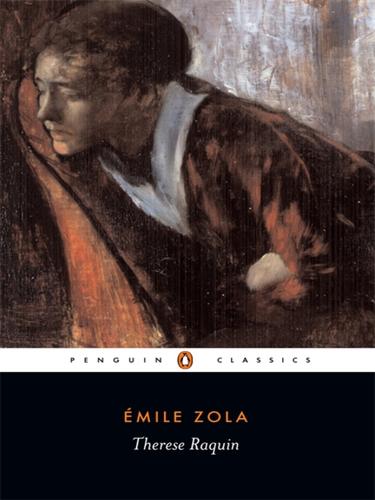
Start this bookNo. 25 on this list. Thérèse Raquin · Émile Zola · 1867
Widely read and taught as a foundational naturalist text, though less prominent than Germinal or L'Assommoir in the Zola canon.
Easy3.6 hours
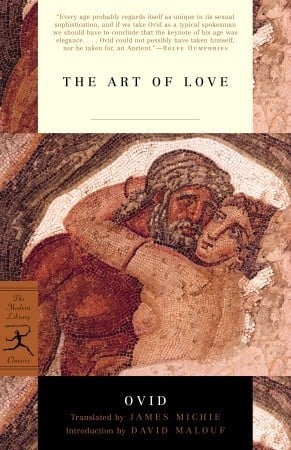
Start this bookNo. 26 on this list. The Art of Love · Ovid · 2
One of Ovid's most famous works, notorious in its own time and frequently censored, now recognized as a masterpiece of ironic didactic poetry.
Moderate1.3 hours
Read nowNo. 27 on this list. The Learned Ladies · Molière · 1672
A significant Molière play, regularly included in collected editions and periodically revived. Less universally performed than Tartuffe or The Misanthrope.
Easy1.2 hours
Start this bookNo. 28 on this list. Journey to the Center of the Earth · Jules Verne · 1864
A foundational text of 19th-century adventure fiction and proto-science fiction, taught in French literature and science fiction history courses worldwide. No syllabus data is available in the database, but Verne's novel is widely considered essential reading in genre history. It appears on most curated lists of classic science fiction and has remained in continuous print for over 160 years.
Easy4.3 hours
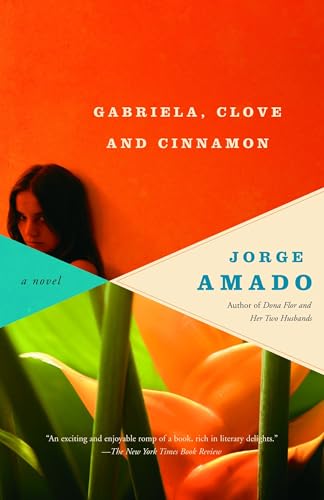
Start this bookNo. 29 on this list. Gabriela, Clove and Cinnamon · Jorge Amado · 1958
Gabriela is among the defining works of Brazilian literature and appears regularly on Latin American literature syllabi worldwide. It established Jorge Amado's international reputation and is one of the most-translated Brazilian novels ever published. While not as universally taught as García Márquez, it occupies a secure place in world literature curricula.
Moderate9.3 hours
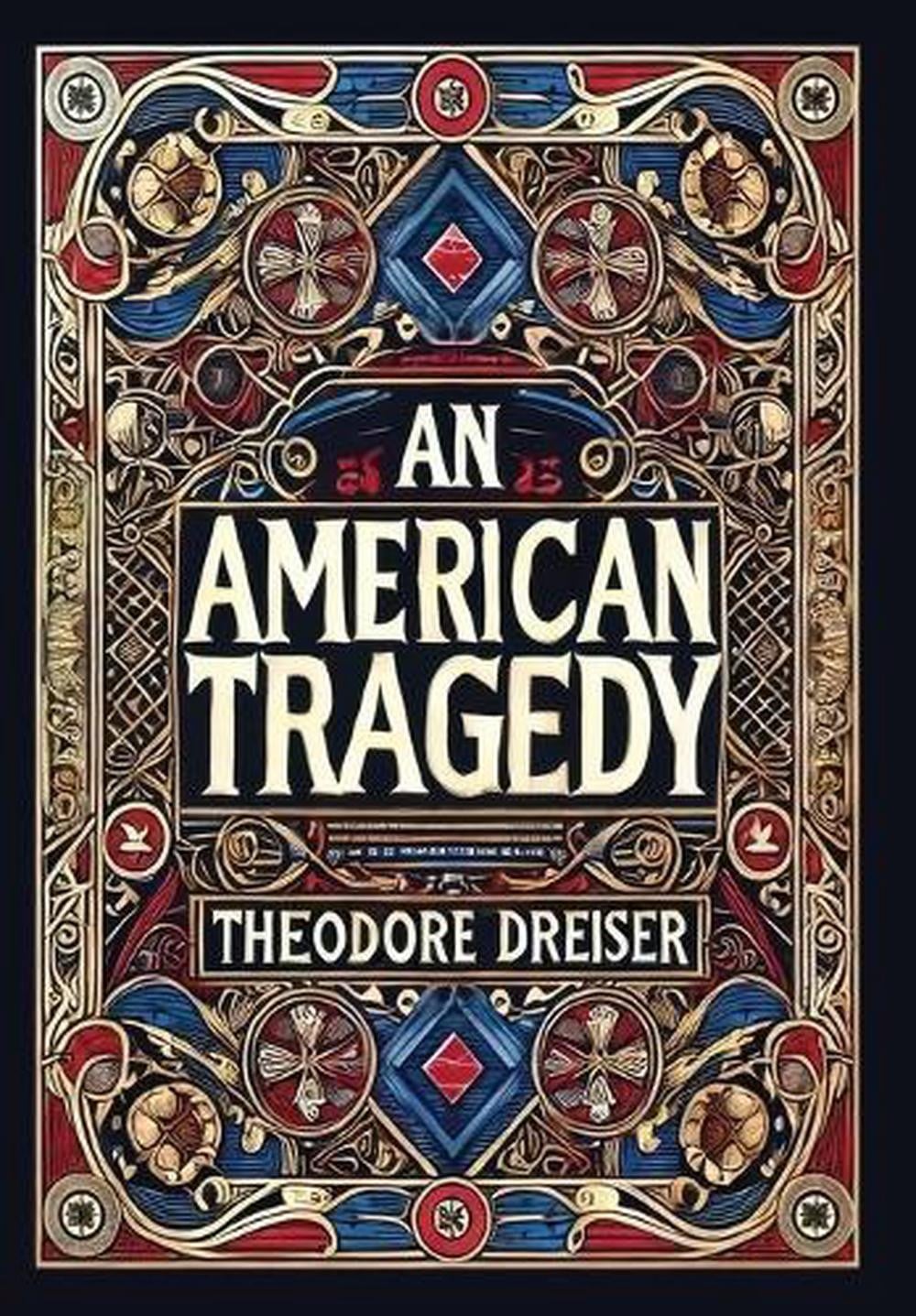
Start this bookNo. 30 on this list. An American Tragedy · Theodore Dreiser · 1925
An American Tragedy appears on both TIME's All-TIME 100 Novels and Modern Library's 100 Best Novels, two of the most authoritative canons in American literature. With 75 syllabus appearances (46.87th percentile in the Open Syllabus database), it is a fixture in American literature survey courses though not as universally assigned as Fitzgerald or Hemingway. Wikipedia covers it in 23 languages with a dedicated Reception section, reflecting steady international recognition.
Moderate22 hours
Read now
No. 31 on this list. Paroles
Jacques Prévert · 1946
No. 32 on this list. Elmer Gantry
Sinclair Lewis · 1927
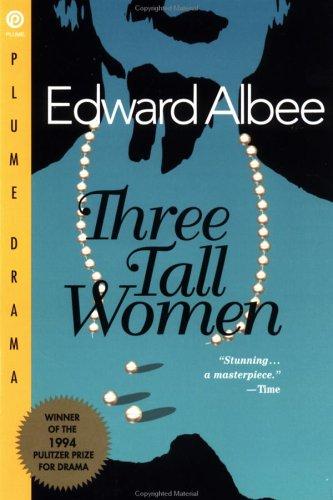
No. 33 on this list. Three Tall Women
Edward Albee · 1991
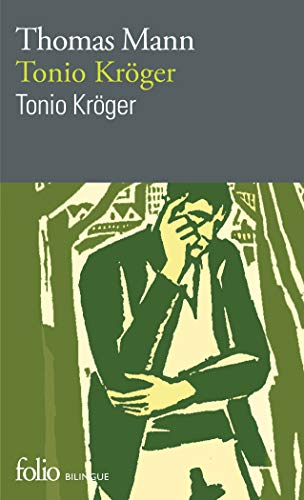
No. 34 on this list. Tonio Kröger
Thomas Mann · 1903
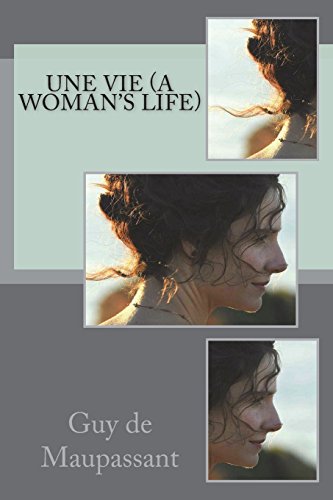
No. 35 on this list. A Woman's Life
Guy de Maupassant · 1883
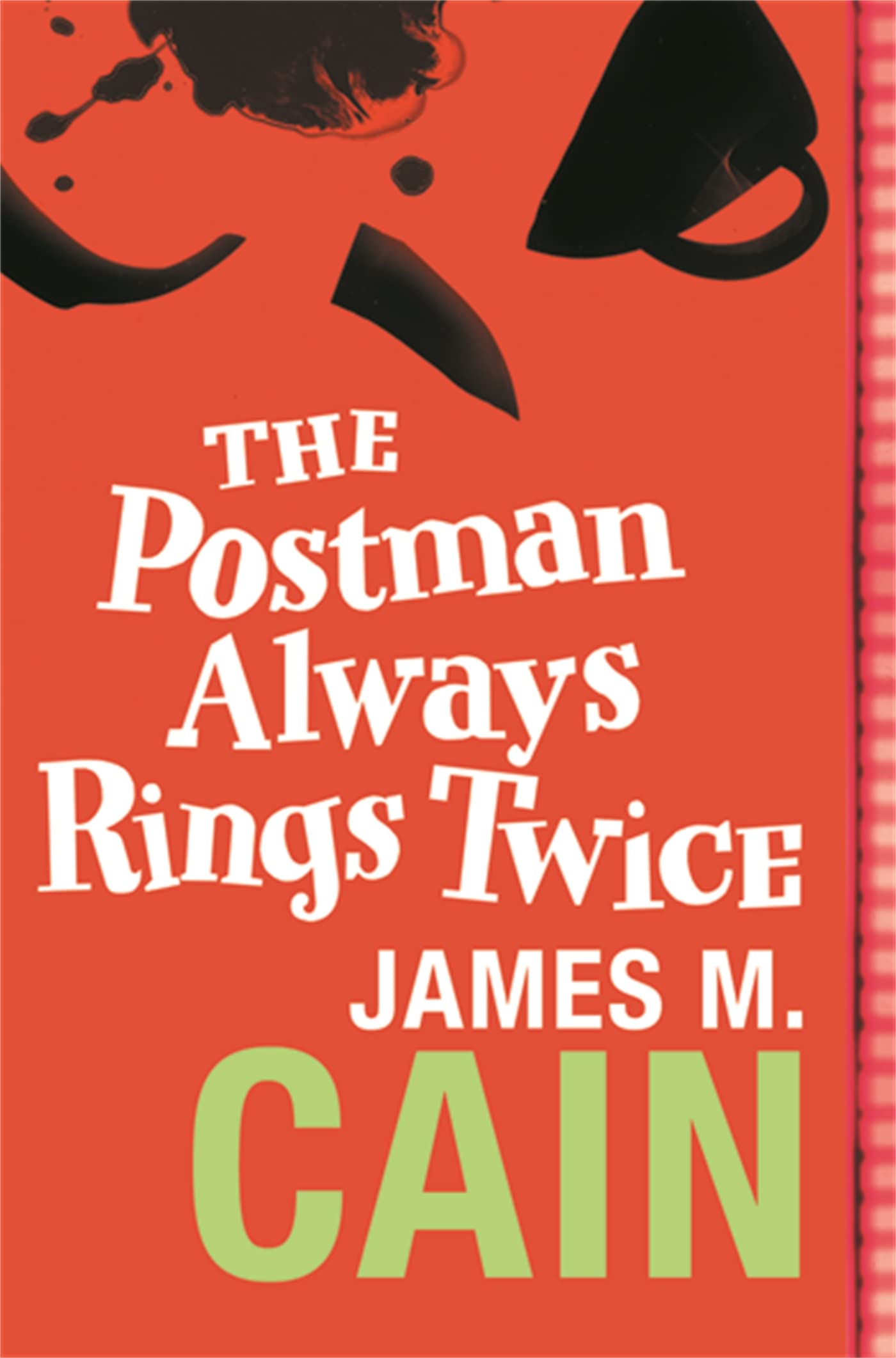
No. 36 on this list. The Postman Always Rings Twice
James M. Cain · 1934
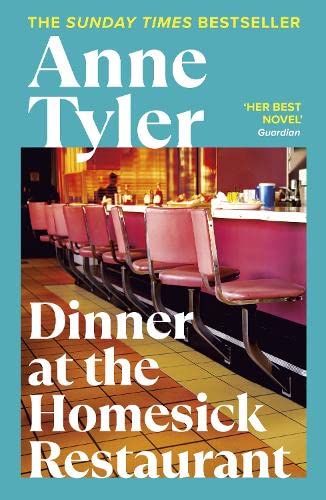
No. 37 on this list. Dinner at the Homesick Restaurant
Anne Tyler · 1982
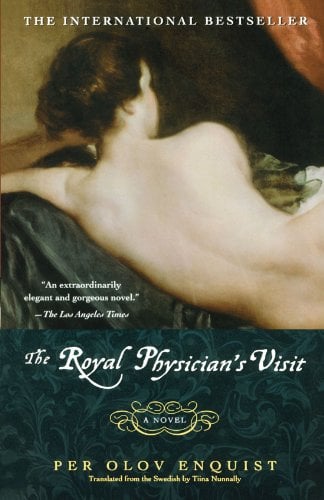
No. 38 on this list. The Visit of the Royal Physician
Per Olov Enquist · 1999
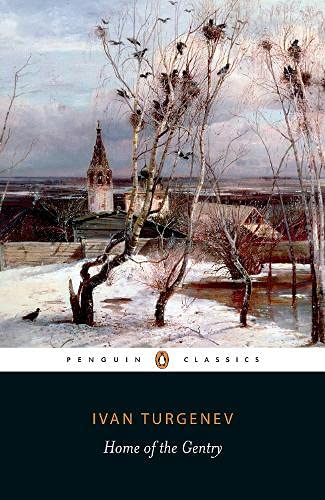
No. 39 on this list. Home of the Gentry
Ivan Turgenev · 1859
Taught in schools: Russian FGOS literature standard
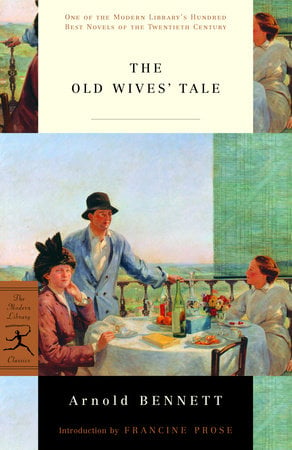
No. 40 on this list. The Old Wives' Tale
Arnold Bennett · 1908
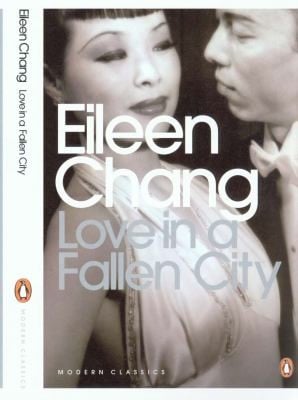
No. 41 on this list. Love in a Fallen City
Eileen Chang · 1943
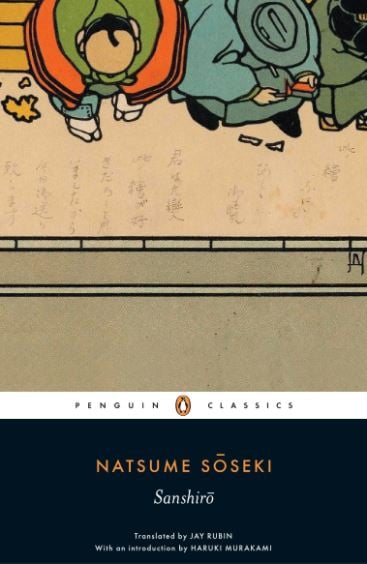
No. 42 on this list. Sanshiro
Natsume Sōseki · 1908
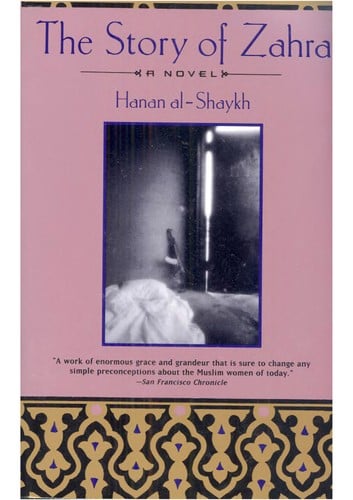
No. 43 on this list. The Story of Zahra
Hanan al-Shaykh · 1980
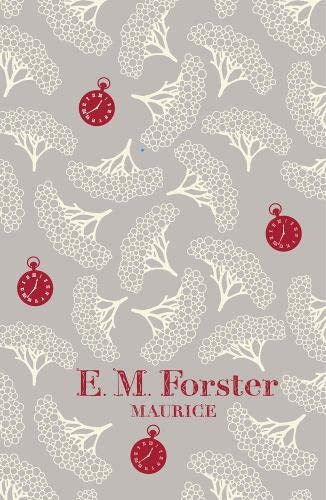
No. 44 on this list. Maurice
E.M. Forster · 1971
No. 45 on this list. The Bell
Iris Murdoch · 1958
No. 46 on this list. Wild Seed
Octavia E. Butler · 1980
No. 47 on this list. And Then
Natsume Sōseki · 1909
Included in: UNESCO Collection of Representative Works
No. 48 on this list. Barchester Towers
Anthony Trollope · 1857
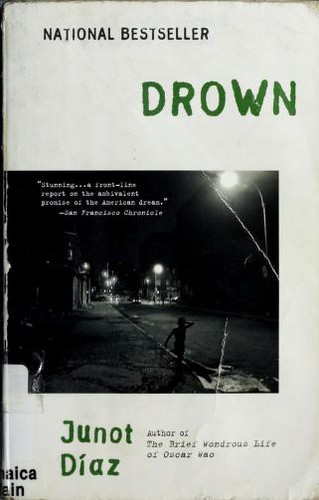
No. 49 on this list. Drown
Junot Diaz · 1996
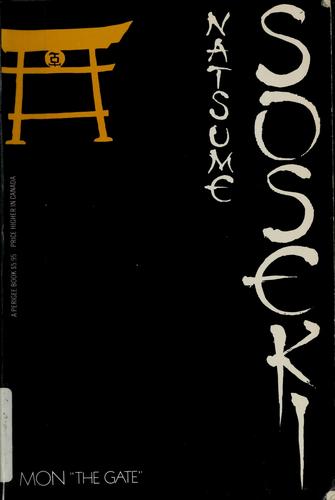
No. 50 on this list. The Gate
Natsume Sōseki · 1910
Included in: UNESCO Collection of Representative Works
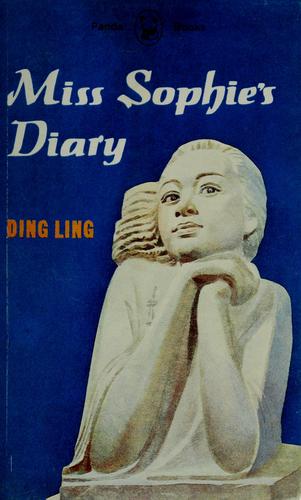
No. 51 on this list. Miss Sophia's Diary
Ding Ling · 1928
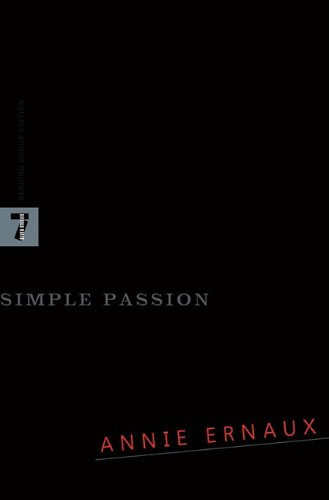
No. 52 on this list. Simple Passion
Annie Ernaux · 1991
No. 53 on this list. Raise the Red Lantern
Su Tong · 1990
No. 54 on this list. In the Blood
Suzan-Lori Parks · 1999
No. 55 on this list. Indian Summer
Adalbert Stifter · 1857
No. 56 on this list. Appointment in Samarra
John O'Hara · 1934
No. 57 on this list. The Accidental Tourist
Anne Tyler · 1985
No. 58 on this list. The Long Valley
John Steinbeck · 1938
No. 59 on this list. The Ripening Seed
Colette · 1923
No. 60 on this list. The Horseman on the Roof
Jean Giono · 1951

No. 61 on this list. White Nights
Fyodor Dostoevsky · 1848
No. 62 on this list. The Dragon Can't Dance
Earl Lovelace · 1979
No. 63 on this list. Mary Barton
Elizabeth Gaskell · 1848
No. 64 on this list. Couples
John Updike · 1968
No. 65 on this list. Tropic of Capricorn
Henry Miller · 1939
No. 66 on this list. Bastard Out of Carolina
Dorothy Allison · 1992
No. 67 on this list. Marianela
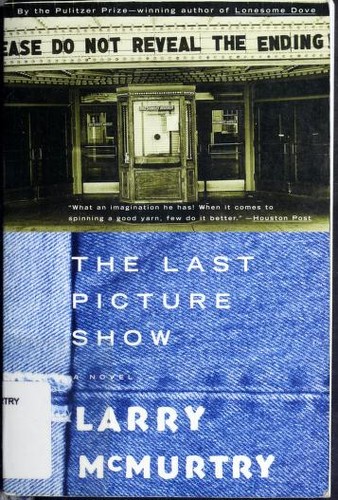
No. 68 on this list. The Last Picture Show
Larry McMurtry · 1966
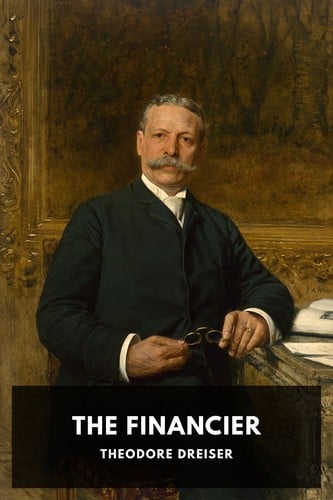
No. 69 on this list. The Financier
Theodore Dreiser · 1912
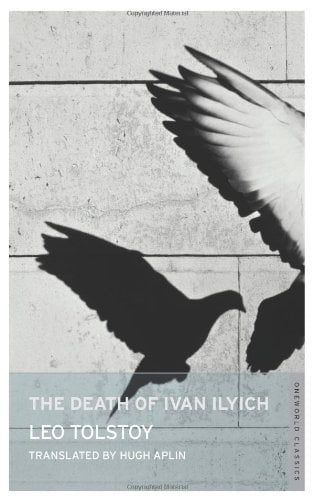
No. 70 on this list. The Devil
Leo Tolstoy · 1911
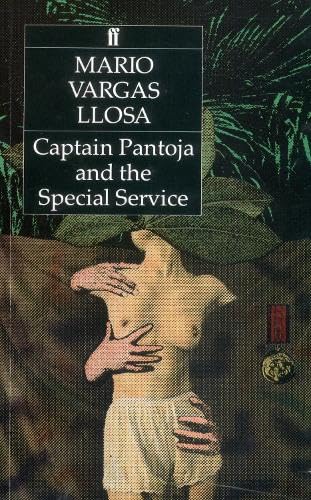
No. 71 on this list. Captain Pantoja and the Special Service
Mario Vargas Llosa · 1973
No. 72 on this list. Closely Watched Trains
Bohumil Hrabal · 1965
No. 73 on this list. A Town Like Alice
Nevil Shute · 1950
No. 74 on this list. All-Star Superman
Grant Morrison · 2011
No. 75 on this list. A Happy Boy
Bjørnstjerne Bjørnson · 1860
No. 76 on this list. A Severed Head
Iris Murdoch · 1961
No. 77 on this list. Voyage in the Dark
Jean Rhys · 1934
No. 78 on this list. Laurus
Eugene Vodolazkin · 2012
No. 79 on this list. A Short History of Tractors in Ukrainian
Marina Lewycka · 2005
No. 80 on this list. Amy and Isabelle
Elizabeth Strout · 2005

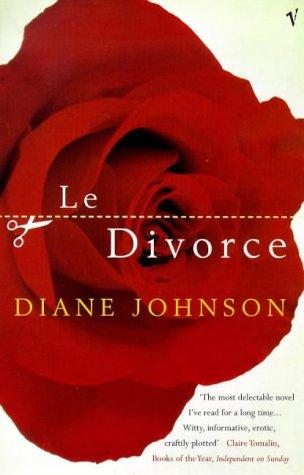
No. 81 on this list. The Divorce
Diane Johnson · 2010
No. 82 on this list. The Fury
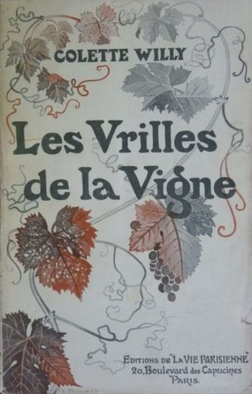
No. 83 on this list. The Tendrils of the Vine
Colette · 1908
Taught in schools: Programme de français, lycée général et technologique (France)
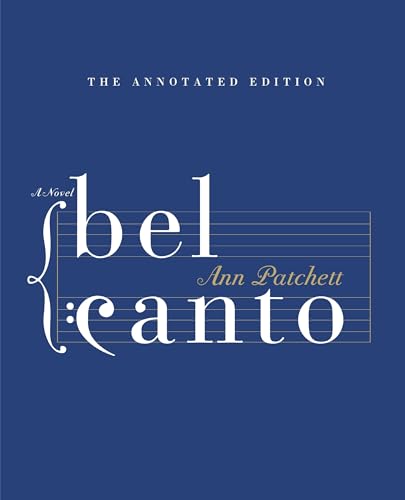
No. 84 on this list. Bel Canto
Ann Patchett · 2003
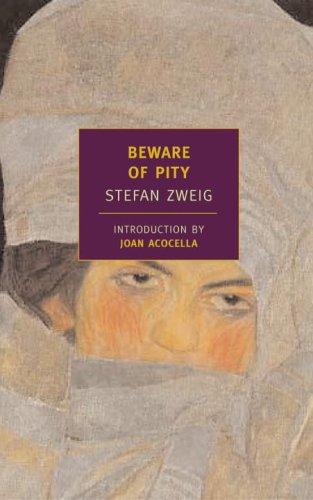
No. 85 on this list. Beware of Pity
Stefan Zweig · 1939
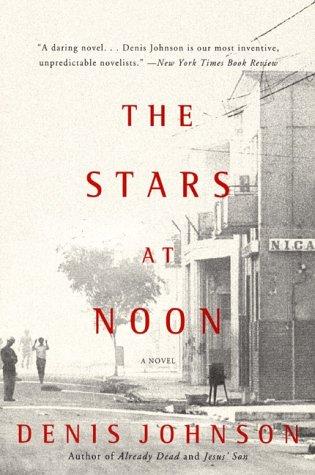
No. 86 on this list. Angels
Denis Johnson · 1983
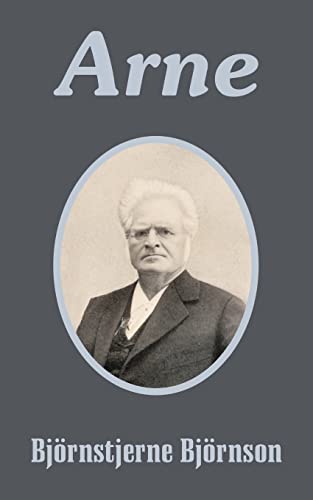
No. 87 on this list. Arne
Bjørnstjerne Bjørnson · 1858
No. 88 on this list. Ashes
Grazia Deledda · 1904
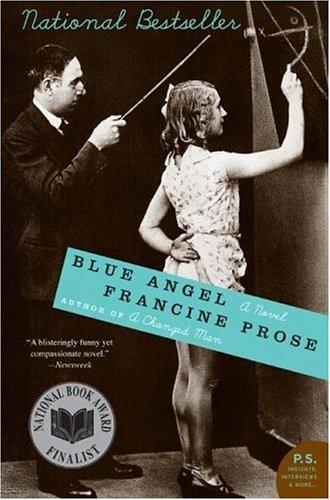
No. 89 on this list. Blue Angel
Francine Prose · 2000
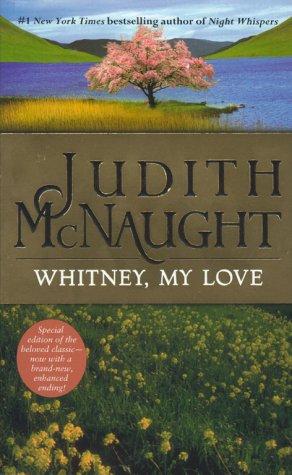
No. 90 on this list. Whitney, My Love
Judith McNaught · 1985

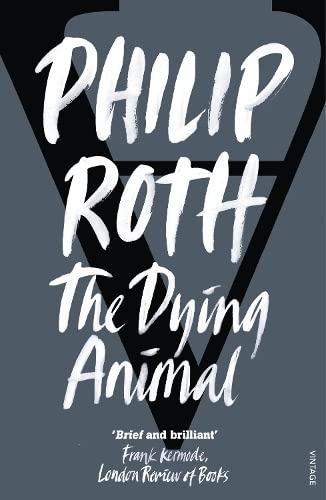
No. 91 on this list. The Dying Animal
Philip Roth · 2001
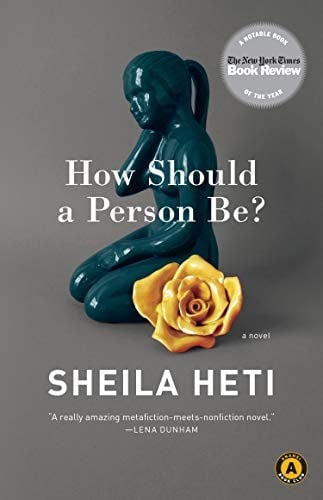
No. 92 on this list. How Should a Person Be?
Sheila Heti · 2012
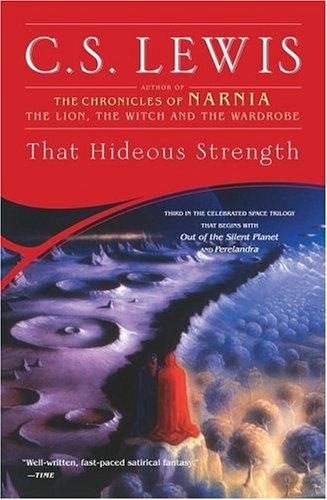
No. 93 on this list. That Hideous Strength
C.S. Lewis · 1945
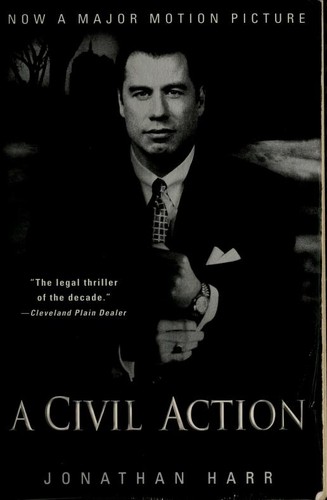
No. 94 on this list. A Civil Action
Jonathan Harr · 1995
No. 95 on this list. The garden of Eden
Ernest Hemingway · 1986
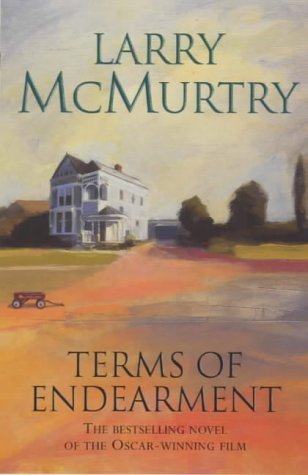
No. 96 on this list. Terms of Endearment
Larry McMurtry · 1975
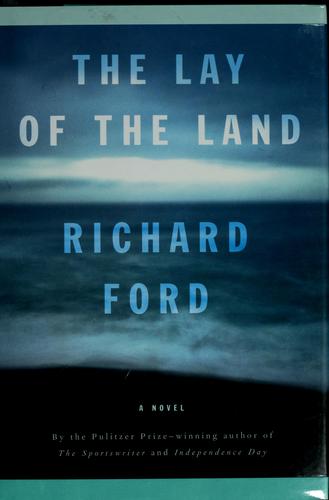
No. 97 on this list. The Lay of the Land
Richard Ford · 2006
No. 98 on this list. Magnhild
Bjørnstjerne Bjørnson · 1877
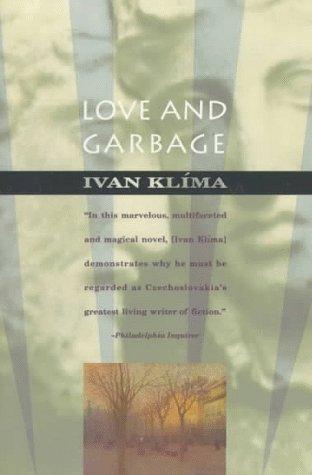
No. 99 on this list. Love and Garbage
Ivan Klima · 1986
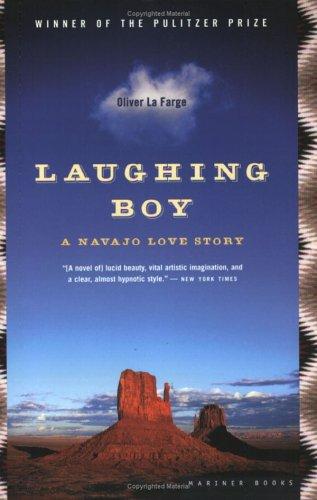
No. 100 on this list. Laughing Boy
Oliver La Farge · 1930

About this list
These 100 books are the highest-scoring eligible easy books about love and desire currently in the catalogue. About 506 hours of reading in all. Difficulty runs from 34 to 42 out of 100 for the middle half of the list; the summit is Appointment in Samarra at 45.
This list is ranked by literary regard, with a consistent order for equal scores. Membership follows authors and co-authors, not translators or editors. A book is here when ReadingRate files it under Love & Desire as one of its primary reading domains, at a confidence of 0.8 or more. Catalogue coverage and the historical canon both limit what this list can represent.
When we matched the Canons dataset to our catalogue in October 2026, our canonical-status scores rose with the number of school curricula, publisher series and lists in it that cite a work: the median score was 72 for books one such source cites, 84 at two, 88 at three, 92 at four and 93 at five or more. Prizes are left out of that count. Outside the state curricula, the dataset’s sources choose mostly from what has been translated into English or French, so it is a weaker check on other literatures. Source: Canons (Andrew Piper), CC BY 4.0
Questions people actually ask
- What are the best easy books about love and desire?
- By literary regard, which weighs canonical status, critical standing and influence: Bérénice by Jean Racine, The Miser by Molière, Annabel Lee by Edgar Allan Poe, Andromaque by Jean Racine and Pamela by Samuel Richardson. ReadingRate ranks 100 such books, each with a difficulty score and a reading-time estimate.
- Which easy books about love and desire should I read first?
- Start from difficulty, not from rank. The most approachable books on this list that still carry top literary regard are The School for Wives by Molière (about 1.2 hours), Meditations in an Emergency by Frank O'Hara and The Time of the Doves by Mercè Rodoreda.
- What are the shortest of the best easy books about love and desire?
- Among the top 25, the shortest are Annabel Lee by Edgar Allan Poe (about 24 min), Meditations in an Emergency by Frank O'Hara (about 23 min) and Bérénice by Jean Racine (about 50 min), at an average pace of 250 words a minute adjusted for each book's difficulty.
- Which of the best easy books about love and desire are the established classics?
- By canonical status, how firmly a book sits in curricula, anthologies and the canon: Bérénice by Jean Racine, The Miser by Molière, Annabel Lee by Edgar Allan Poe, Andromaque by Jean Racine and Pamela by Samuel Richardson.
- Can I read any of these easy books about love and desire for free?
- 13 of the 100 open in ReadingRate's reader with a free account, from public-domain editions: The Comedy of Errors, Sister Carrie, Jenny, The Art of Love, An American Tragedy and 8 more.
- How long would it take to read the top ten?
- About 44 hours, at an average pace of 250 words a minute adjusted for each book's difficulty: 22 days at two hours a day. Set your own pace on the page and the list's reading times change to it.
- How hard are easy books about love and desire to read?
- Most of this list sits between 34 and 42 on ReadingRate's 100-point difficulty scale, where 40 to 55 is moderate. The summit is Appointment in Samarra at 45. Every entry carries its own score, so a reader can pick a great book at a difficulty they will finish.
- How is this list ranked?
- On literary-regard data: how canonically established a work is, its critical standing, and its influence on later writing. It is not a readers’ poll, which is why recent bestsellers rarely appear. Membership follows authors and co-authors, not translators or editors. Lists by country, author, period, theme or difficulty keep to literature (fiction, poetry, drama and philosophy), their novels, poems and plays first and their philosophy after them; a list of a kind of book, such as memoir or criticism, keeps every book of that kind. Every list holds at most three works by one author. A book is here when ReadingRate files it under Love & Desire as one of its primary reading domains, at a confidence of 0.8 or more.