Hours at an average pace
Showing 100 books
About 505 hours for 100 of 100 books with measured lengths. Estimates use 250 words a minute, adjusted for each book's difficulty. At 2 hours a day, about 253 days for those books.
One of the most important collections in postwar American poetry. 'Skunk Hour' alone secures its place in the canon.
Nobel laureate and one of the most important poets of the twentieth century. Central to Polish literature and increasingly recognized in world poetry.
Nobel laureate and the defining poet of the Anglophone Caribbean. Central to postcolonial literature and increasingly recognized in the broader English-language canon.
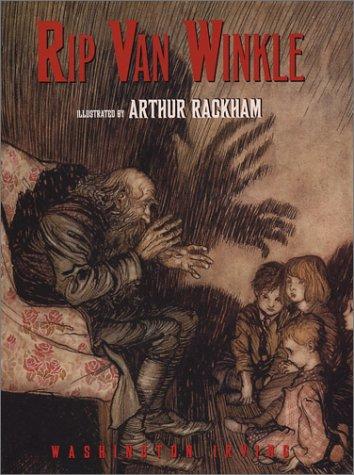
Rip Van Winkle is a staple of American literature anthologies and school curricula, the founding American short story alongside 'The Legend of Sleepy Hollow'. It is taught more widely than most short fiction, though less than Gatsby.
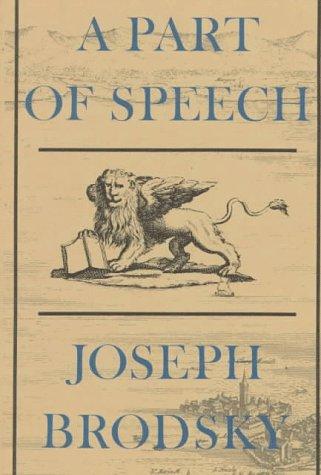
Taught in graduate poetry programs and comparative literature courses at major universities, 'A Part of Speech' is the collection through which Brodsky entered the Western canon. It appears in virtually every major anthology of 20th-century exile and émigré poetry. Not a fixture in broad undergraduate syllabi, but essential in advanced poetry and diaspora literature courses.
One of the most admired collections by a Nobel laureate poet. Considered a turning point in Heaney's career and among his finest work.
Central volume of the Foundation trilogy, one of the most important works in science fiction history. The Mule is one of the genre's iconic characters.
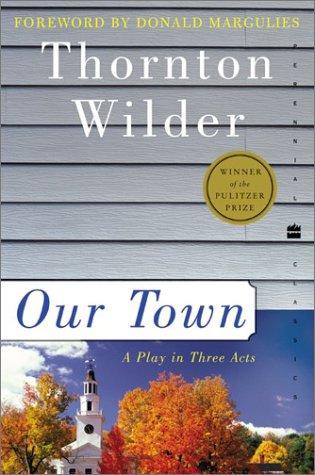
No. 8 on this list. Our Town
Thornton Wilder · 1938
Easy2.8 hours
Taught in schools: Common Core text exemplars (Appendix B) (US), CSEC English B – Caribbean Examinations Council
Our Town is among the most-produced American plays, a staple of high school and college drama and American literature courses. It won the 1938 Pulitzer Prize for Drama and is widely taught as a landmark of twentieth-century American theater.
No. 9 on this list. Henry VIII
William Shakespeare · 1613
Easy1.6 hours
Included in: Great Books of the Western World
Henry VIII is part of the Shakespeare First Folio and is taught in Shakespeare survey courses worldwide, though it occupies the lower tier of the canon compared to the major tragedies and histories. The play's disputed authorship — widely attributed to Shakespeare and John Fletcher in collaboration — has generated sustained academic interest. It does not appear on syllabi as consistently as Hamlet, Macbeth, or Richard II, but it remains firmly within the Shakespearean corpus that all serious literary study engages.
No. 10 on this list. The Unwomanly Face of War
Svetlana Alexievich · 1985
Easy5.8 hours
Taught in schools: Lithuanian literature curriculum (lietuvių kalba ir literatūra), UNAM Escuela Nacional Preparatoria – programas de Literatura (Mexico)
Widely taught in university courses on Eastern European literature, WWII history, and oral history methodology, though not a fixture of secondary school curricula in the West. The 2015 Nobel Prize dramatically expanded its global reach and translation into forty-plus languages. Its canonical standing is growing rather than settled.
No. 11 on this list. The Moon and the Bonfires · Cesare Pavese · 1950
Pavese's acknowledged masterpiece and one of the essential Italian novels of the postwar period. Widely translated and taught.
Easy3 hours
Start this bookNo. 12 on this list. The Truce · Primo Levi · 1963
"The Truce" is taught widely in Holocaust literature, Italian literature, and 20th-century European history courses at universities across Europe and North America. It is less universally assigned than "If This Is a Man" but is firmly in the canon of serious literary and testimonial writing. No syllabus data was returned by the database, but Levi's standing in academic curricula is well established independently.
Easy8.6 hours
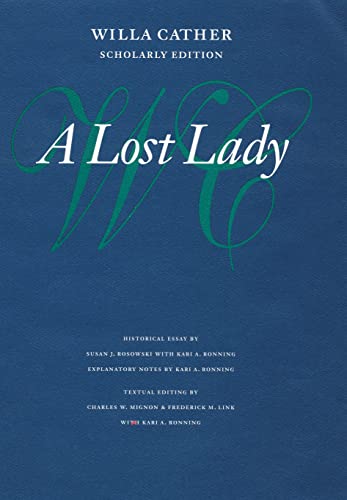
Start this bookNo. 13 on this list. A Lost Lady · Willa Cather · 1923
Included in: Great Books of the Western World
One of Cather's most celebrated novels, widely anthologized and taught. F. Scott Fitzgerald admired it greatly.
Easy2.2 hours
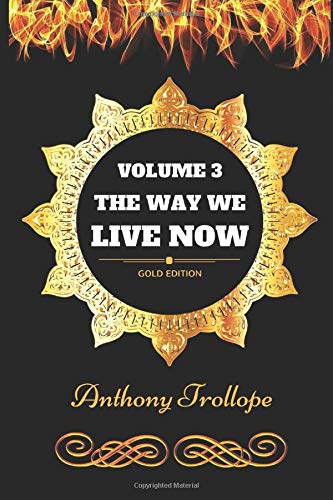
Start this bookNo. 14 on this list. The Way We Live Now · Anthony Trollope · 1875
Widely taught in Victorian literature courses at universities worldwide and consistently included in lists of the greatest 19th-century English novels. Routinely called Trollope's masterpiece and the finest Victorian satire of money and society. While no formal database entry is available here, the novel's presence on undergraduate syllabi is extensive, placing it solidly in the upper tier of Victorian canonical texts, though below the very highest (Dickens, George Eliot, Hardy).
Moderate23 hours
Start this bookNo. 15 on this list. The Land at the End of the World · Antonio Lobo Antunes · 1979
A Portuguese military doctor sits in a Lisbon bar late at night, talking at a woman who says nothing. For the next two hundred pages he doesn't stop. What pours out is the twenty-seven months he spent as an army psychiatrist in Angola during Portugal's colonial war — the bodies, the malaria, the boredom, the complicity — braided with memories of a Lisbon childhood lived in the shadow of Salazar's dictatorship and the bourgeois Catholic family that produced him. The zoo near his parents' apartment returns again and again: the animals behind wire, the very upright black roller-skating instructor tracing his slow ellipses, the solitude of the giraffe. The zoo is not a metaphor he explains. It is simply there, and the reader assembles what it means. Antunes writes in a single sustained torrent — no chapters, no scene breaks, no mercy. The syntax piles subordinate clause on subordinate clause until a sentence has carried you from a specific smell in Angolan scrub to a childhood memory of an aunt's apartment to a direct address back to the silent woman and her motionless hands. The narrator presents himself as tender, self-aware, a victim. The text contradicts him at every turn. He watched things happen that he did not stop. Originally published in 1979 as Os Cus de Judas — a title the English publisher softened — this is the novel that announced Antunes as the defining voice of post-colonial Portuguese literature. It reads like Faulkner set in the ruins of empire, with the guilt turned inward until it can't be contained.
Moderate4 hours
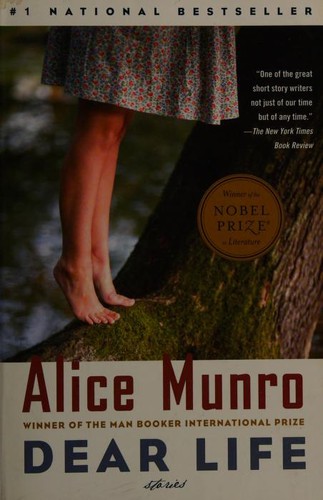
Start this bookNo. 16 on this list. Dear Life · Alice Munro · 2012
Munro's final collection, published the year before her Nobel Prize. Regarded as a fitting capstone to one of the great careers in short fiction.
Easy4.6 hours
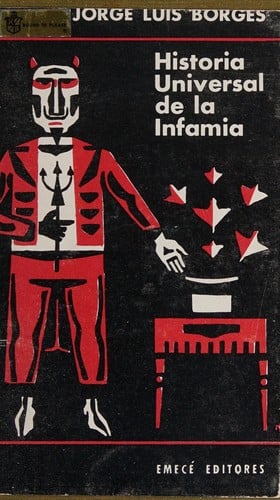
Start this bookNo. 17 on this list. A Universal History of Infamy · Jorge Luis Borges · 1935
Borges's first fiction collection and the origin of his narrative method. Important in the Borges canon but overshadowed by Ficciones and The Aleph.
Moderate1.6 hours
Start this bookNo. 18 on this list. Waverley · Walter Scott · 1814
Waverley is taught in virtually every British Romantic and Victorian literature survey course as the founding text of the historical novel genre. While not as universally assigned as Shakespeare or Dickens, it appears regularly on syllabi in British literature, Scottish studies, and 19th-century fiction courses worldwide. The novel's foundational status in literary history ensures its continuous presence in academic curricula, though its classroom reach has narrowed from its 19th-century peak.
Moderate12 hours
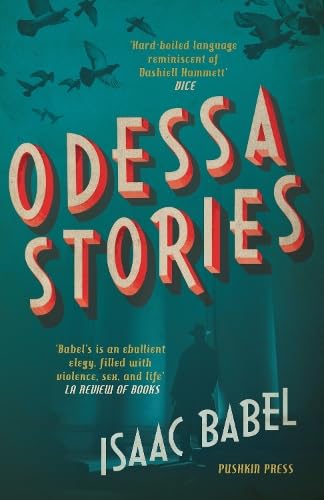
Start this bookNo. 19 on this list. Odessa Tales · Isaac Babel · 1931
A celebrated work of Russian and Jewish literature, widely anthologized and studied alongside Red Cavalry.
Easy1.1 hours
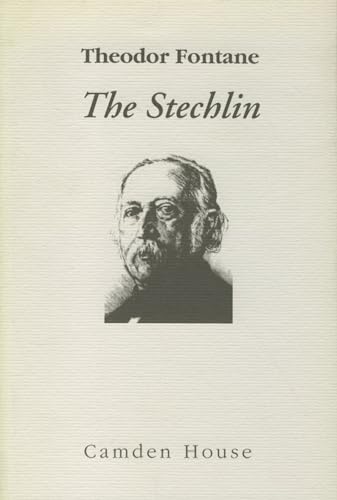
Start this bookNo. 20 on this list. The Stechlin · Theodor Fontane · 1898
Highly regarded in German literature as Fontane's most experimental work. Less widely known internationally than Effi Briest but increasingly appreciated by scholars.
Moderate7.6 hours
Start this book
No. 21 on this list. Journey to the Center of the Earth · Jules Verne · 1864
A foundational text of 19th-century adventure fiction and proto-science fiction, taught in French literature and science fiction history courses worldwide. No syllabus data is available in the database, but Verne's novel is widely considered essential reading in genre history. It appears on most curated lists of classic science fiction and has remained in continuous print for over 160 years.
Easy4.3 hours
Start this bookNo. 22 on this list. The House of the Seven Gables · Nathaniel Hawthorne · 1851
A major work of the American Renaissance, widely taught alongside The Scarlet Letter though less frequently read outside academic settings.
Moderate6.5 hours
Start this bookNo. 23 on this list. The Golovlyov Family · Mikhail Saltykov-Shchedrin · 1880
Considered the greatest Russian satirical novel and one of the major achievements of nineteenth-century Russian prose, though less internationally known than Tolstoy or Dostoevsky.
Easy6.8 hours
Start this bookNo. 24 on this list. Gabriela, Clove and Cinnamon · Jorge Amado · 1958
Gabriela is among the defining works of Brazilian literature and appears regularly on Latin American literature syllabi worldwide. It established Jorge Amado's international reputation and is one of the most-translated Brazilian novels ever published. While not as universally taught as García Márquez, it occupies a secure place in world literature curricula.
Moderate9.3 hours
Start this bookNo. 25 on this list. The Autobiography of Miss Jane Pittman · Ernest J. Gaines · 1982
The novel is widely taught in American high schools and colleges as a key text of African American and Southern literature, and it is a staple of civil rights curricula, though below the top canon.
Easy4.1 hours
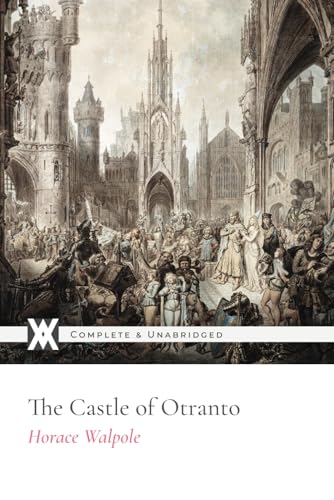
Start this bookNo. 26 on this list. The Castle of Otranto · Horace Walpole · 1764
The Castle of Otranto appears regularly on syllabi for 18th-century literature, Romanticism, and Gothic studies courses at universities worldwide. It is the mandatory founding text for any serious study of the Gothic genre. Its canonical presence is disciplinary rather than universal — standard in literary history surveys but not assigned with the frequency of Austen or Defoe.
Easy2.1 hours
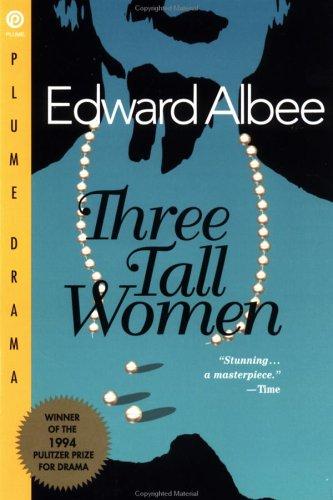
Start this bookNo. 27 on this list. Three Tall Women · Edward Albee · 1991
Pulitzer Prize winner and widely regarded as Albee's late masterpiece. A standard text in American drama courses and regularly revived in major productions.
Moderate1.1 hours
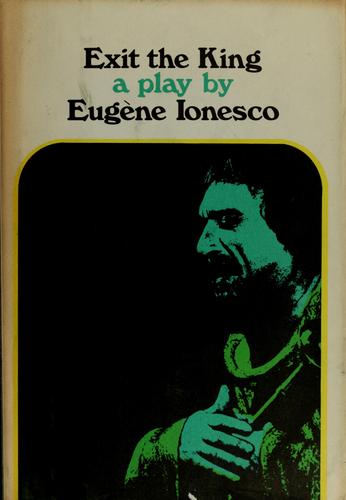
Start this bookNo. 28 on this list. Exit the King · Eugène Ionesco · 1962
Ionesco's most widely performed play and one of the central works of the Theater of the Absurd. Regularly revived in major productions worldwide.
Easy1.1 hours
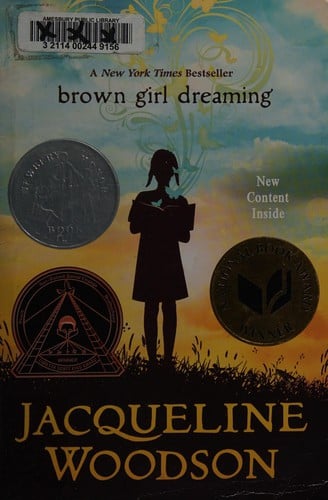
Start this bookNo. 29 on this list. Brown Girl Dreaming · Jacqueline Woodson · 2014
Brown Girl Dreaming is standard reading in American middle school and high school curricula, particularly in units on memoir, poetry, and Civil Rights-era literature. It appears on numerous recommended reading lists for young adults and is included in many school districts' required reading programs. Its canonical status is strong within YA and middle-grade education but has not yet reached the broader university literary canon.
Easy1.9 hours
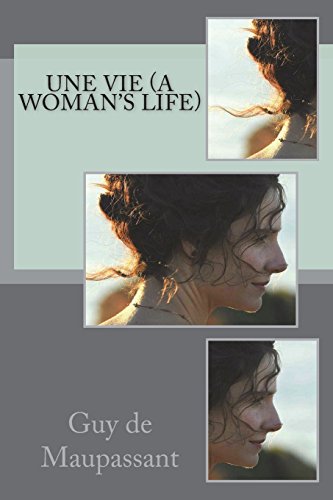
Start this bookNo. 30 on this list. A Woman's Life · Guy de Maupassant · 1883
Jeanne de Lamare leaves her convent at seventeen with a calendar she will spend the rest of the novel crossing off, one disappointed hope at a time. Her father, a gentle Norman baron who worships Rousseau, has kept her cloistered from life so that he can introduce her to it properly — out in the countryside, among flowering fields and honest peasants. Within months she is married to Julien de Lamare, a handsome local nobleman whose charm evaporates immediately after the wedding night. Maupassant traces what follows with the patient, unsentimental eye of a naturalist: the husband's infidelities, the death of parents, the catastrophic indulgence of a son who bleeds her dry, the slow sale of everything she owns. The prose stays close to physical sensation — rain hammering on roof tiles, the salt smell of low-tide seaweed, Jeanne's hands trembling at the cliff edge. Maupassant refuses melodrama; the disasters accumulate quietly, the way ordinary life wears people down. Flaubert, who called this novel a masterpiece before it was finished, recognized the kinship with Emma Bovary: both women mistake romantic literature for a guide to living. But where Emma rages, Jeanne endures. A Woman's Life — Maupassant's first and finest novel — delivers its verdict in the maid Rosalie's closing line: life is never as good or as bad as we think.
Easy5 hours
Start this book

No. 31 on this list. The Rock of Tanios
Amin Maalouf · 1993
No. 32 on this list. Dinner at the Homesick Restaurant
Anne Tyler · 1982
No. 33 on this list. The Eye of the World
Robert Jordan · 1990
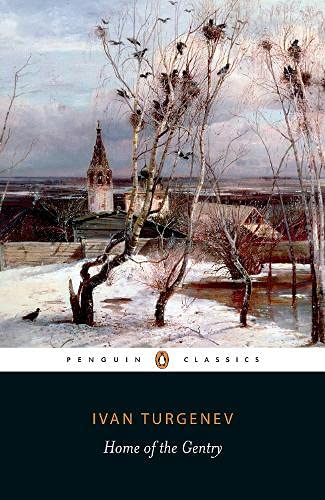
No. 34 on this list. Home of the Gentry
Ivan Turgenev · 1859
Taught in schools: Russian FGOS literature standard
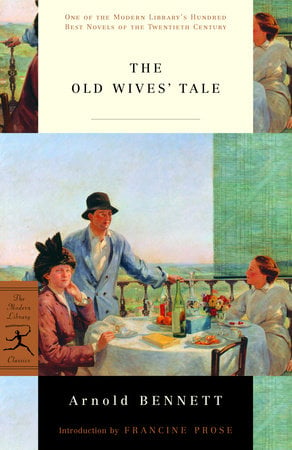
No. 35 on this list. The Old Wives' Tale
Arnold Bennett · 1908
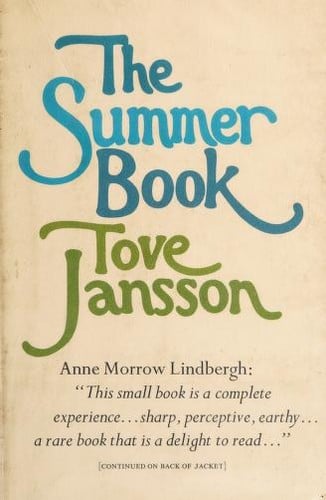
No. 36 on this list. The Summer Book
Tove Jansson · 1972
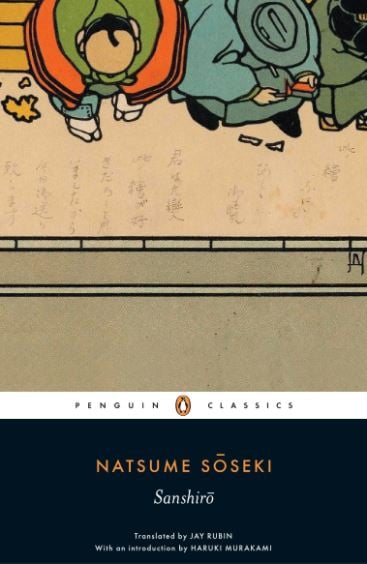
No. 37 on this list. Sanshiro
Natsume Sōseki · 1908
No. 38 on this list. Revelation Space
Alastair Reynolds · 2000
No. 39 on this list. Under the Greenwood Tree
Thomas Hardy · 1872
No. 40 on this list. The Gate
Natsume Sōseki · 1910
Included in: UNESCO Collection of Representative Works
No. 41 on this list. The Three Evangelists
Fred Vargas · 1995
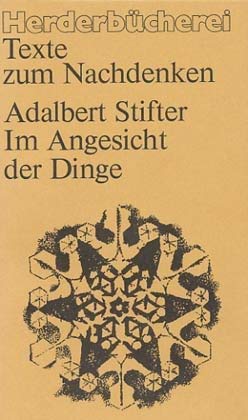
No. 42 on this list. Indian Summer
Adalbert Stifter · 1857
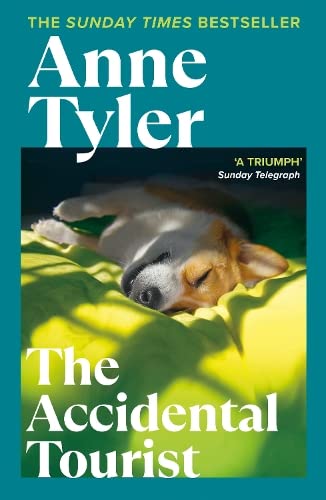
No. 43 on this list. The Accidental Tourist
Anne Tyler · 1985
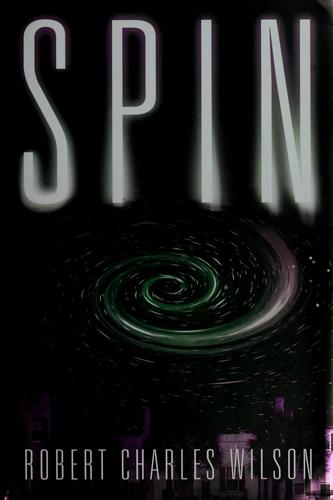
No. 44 on this list. Spin
Robert Charles Wilson · 2005
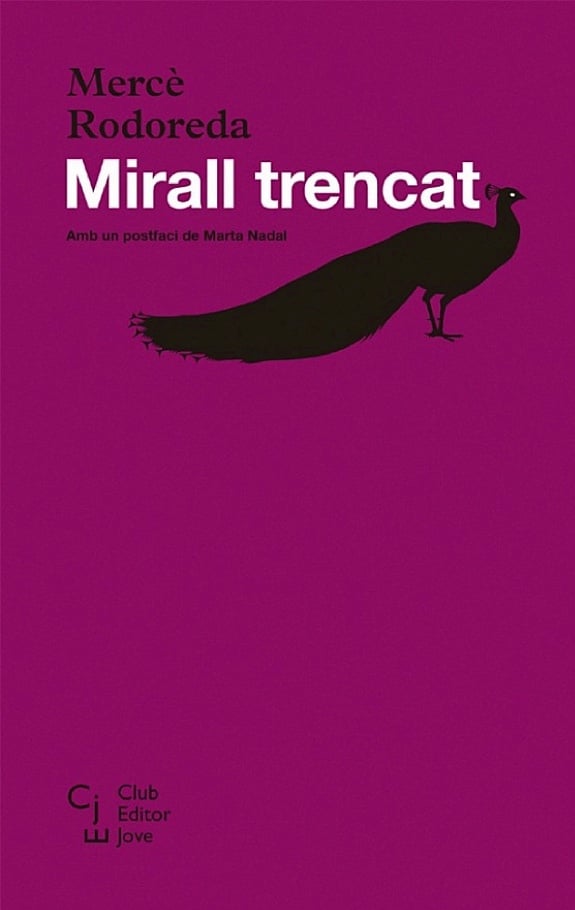
No. 45 on this list. A Broken Mirror
Mercè Rodoreda · 1974
No. 46 on this list. In the Time of the Butterflies
Julia Alvarez · 1994
Taught in schools: UNAM Escuela Nacional Preparatoria – programas de Literatura (Mexico)
No. 47 on this list. In Desert and Wilderness
Henryk Sienkiewicz · 1911
No. 48 on this list. Everyman
Philip Roth · 2007
No. 49 on this list. A Christmas Memory
Truman Capote · 1956
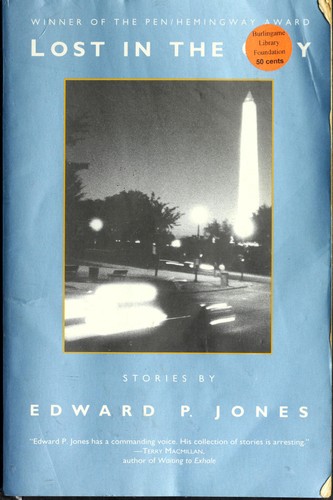
No. 50 on this list. Lost in the City
Edward P. Jones · 1992
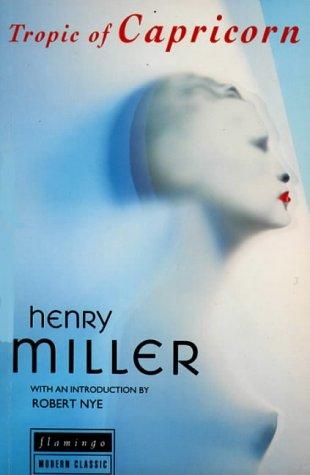
No. 51 on this list. Tropic of Capricorn
Henry Miller · 1939
No. 52 on this list. Brothers
Yu Hua · 2005
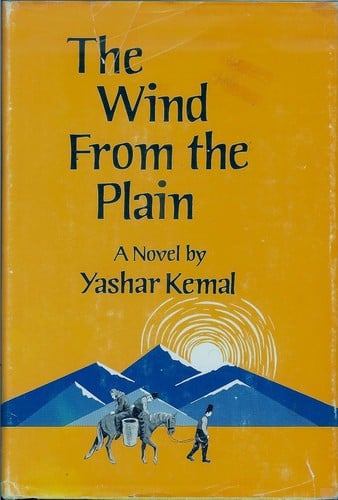
No. 53 on this list. The Wind from the Plain
Yasar Kemal · 1960
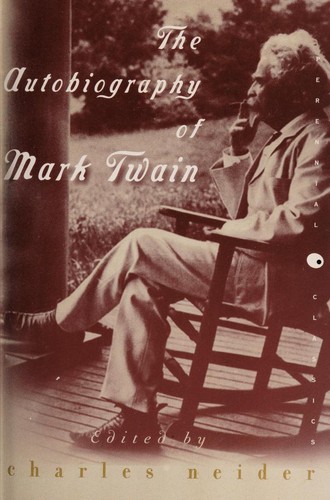
No. 54 on this list. The Autobiography of Mark Twain
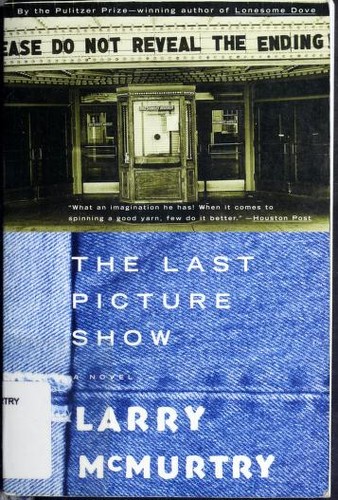
No. 55 on this list. The Last Picture Show
Larry McMurtry · 1966
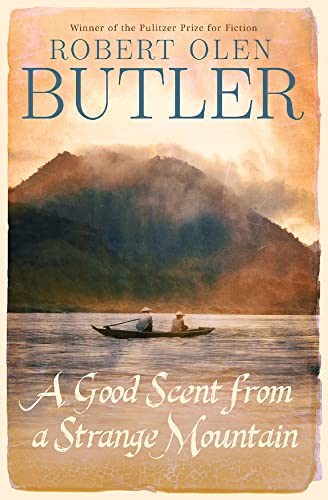
No. 56 on this list. A Good Scent from a Strange Mountain
Robert Olen Butler · 1993
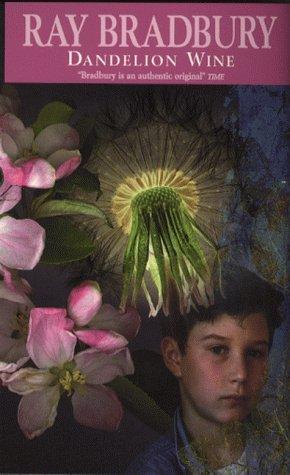
No. 57 on this list. Dandelion Wine
Ray Bradbury · 1957
No. 58 on this list. Dying Inside
Robert Silverberg · 1972
No. 59 on this list. All-Star Superman
Grant Morrison · 2011
No. 60 on this list. Voyage in the Dark
Jean Rhys · 1934

No. 61 on this list. Laurus
Eugene Vodolazkin · 2012
No. 62 on this list. A Short History of Tractors in Ukrainian
Marina Lewycka · 2005
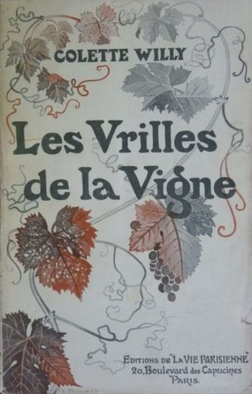
No. 63 on this list. The Tendrils of the Vine
Colette · 1908
Taught in schools: Programme de français, lycée général et technologique (France)
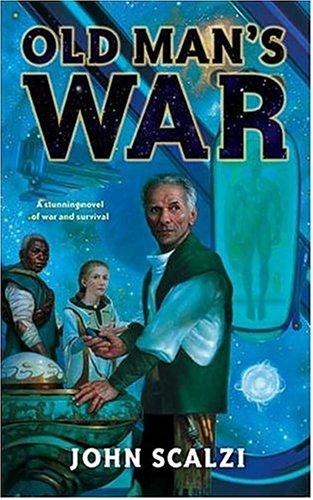
No. 64 on this list. Old Man's War
John Scalzi · 2005
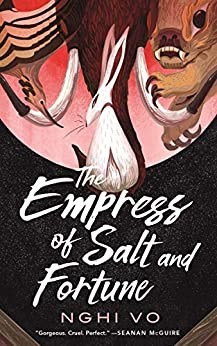
No. 65 on this list. The Empress of Salt and Fortune
Nghi Vo · 2020
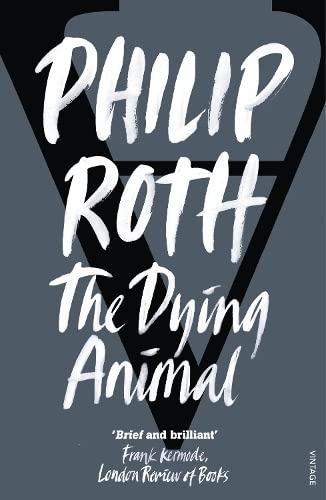
No. 66 on this list. The Dying Animal
Philip Roth · 2001
No. 67 on this list. The Last Question
Isaac Asimov · 2007
No. 68 on this list. The Years
Virginia Woolf · 1937
No. 69 on this list. Crazy Brave: A Memoir
Joy Harjo · 2012
No. 70 on this list. His Family
Ernest Poole · 1918

No. 71 on this list. The Dutch House
Ann Patchett · 2019
No. 72 on this list. Terms of Endearment
Larry McMurtry · 1975
No. 73 on this list. The Lay of the Land
Richard Ford · 2006
No. 74 on this list. Love and Garbage
Ivan Klima · 1986
No. 75 on this list. Sartoris
William Faulkner · 1929
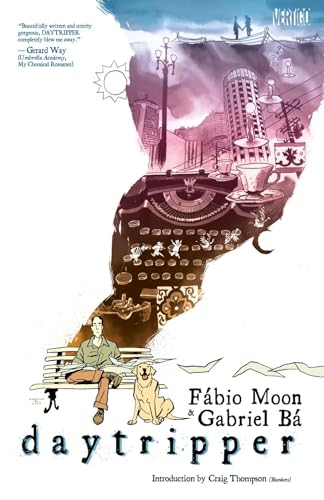
No. 76 on this list. Daytripper
Fábio Moon · 2011
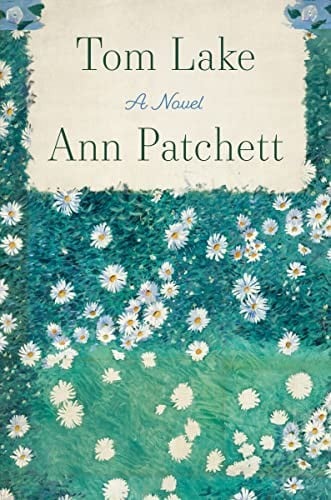
No. 77 on this list. Tom Lake
Ann Patchett · 2023
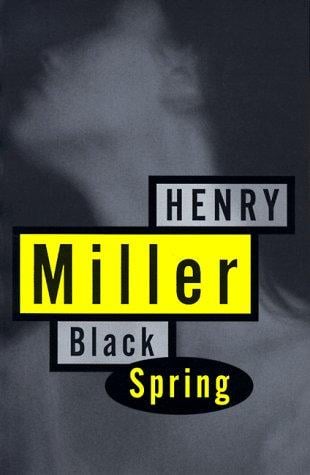
No. 78 on this list. Black Spring
Henry Miller · 1936
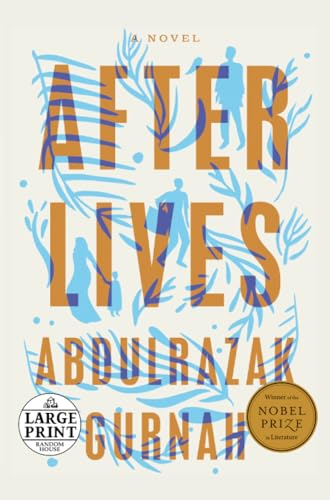
No. 79 on this list. Afterlives
Abdulrazak Gurnah · 2020
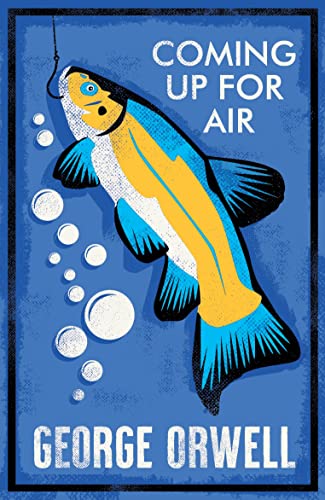
No. 80 on this list. Coming Up for Air
George Orwell · 1939
No. 81 on this list. Ancillary Mercy
Ann Leckie · 2015
No. 82 on this list. The Curious Case of Benjamin Button
F. Scott Fitzgerald · 1922
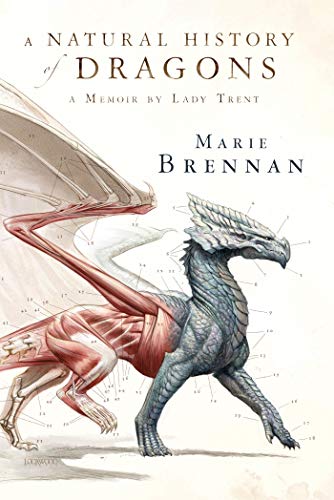
No. 83 on this list. A Natural History of Dragons
Marie Brennan · 2013
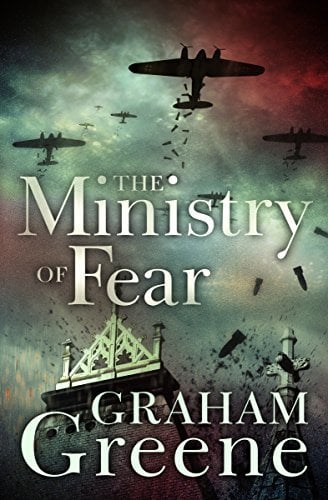
No. 84 on this list. The Ministry of Fear
Graham Greene · 1943
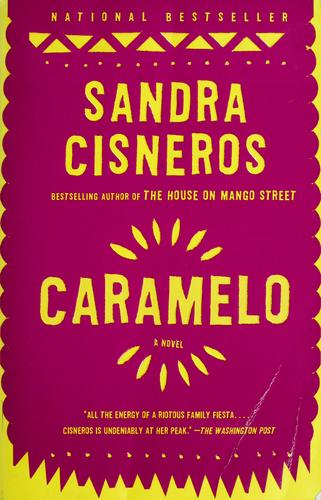
No. 85 on this list. Caramelo
Sandra Cisneros · 2002
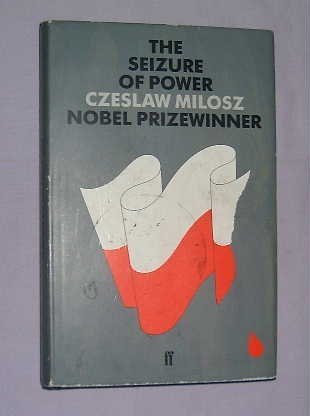
No. 86 on this list. The Seizure of Power
Czesław Miłosz · 1953
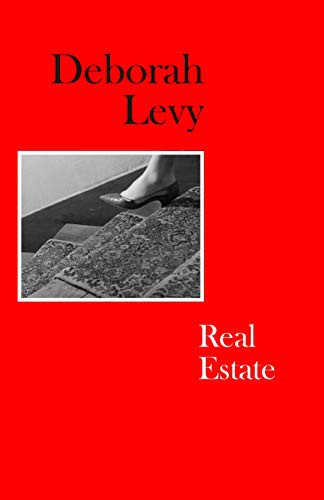
No. 87 on this list. Real Estate
Deborah Levy · 2021
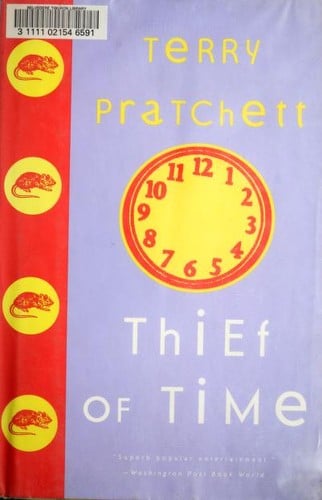
No. 88 on this list. Thief of Time
Terry Pratchett · 2001
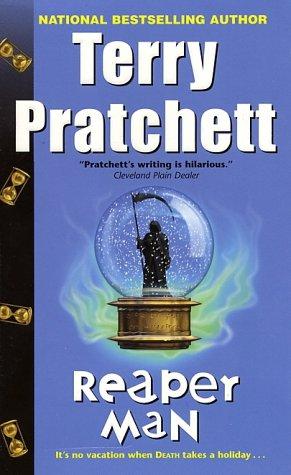
No. 89 on this list. Reaper Man
Terry Pratchett · 1991
No. 90 on this list. Knulp
Hermann Hesse · 1988

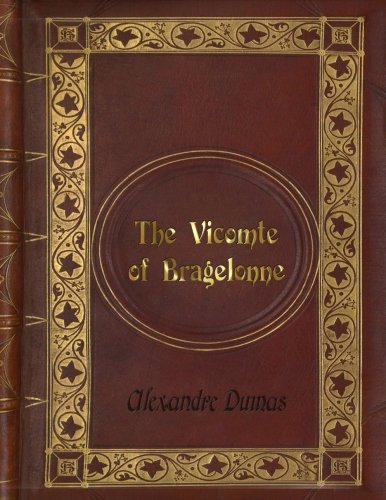
No. 91 on this list. The Vicomte de Bragelonne
Alexandre Dumas · 1847
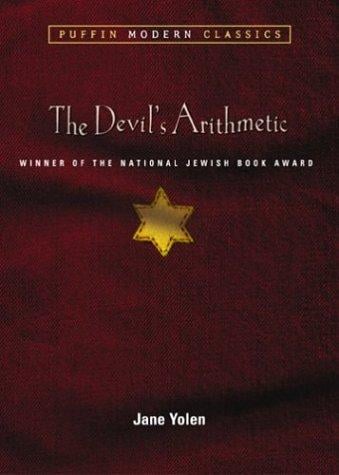
No. 92 on this list. The Devil's Arithmetic
Jane Yolen · 2004
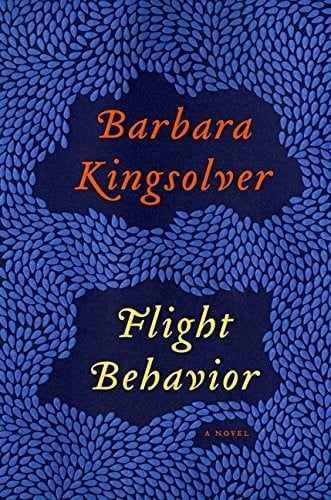
No. 93 on this list. Flight Behavior
Barbara Kingsolver · 2012
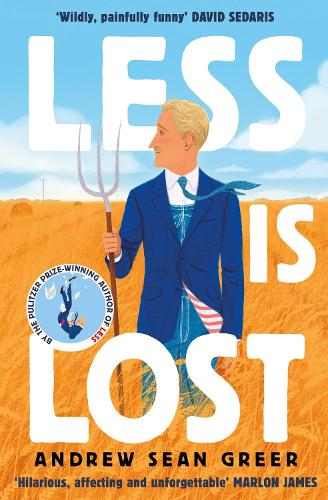
No. 94 on this list. Less Is Lost
Andrew Sean Greer · 2022
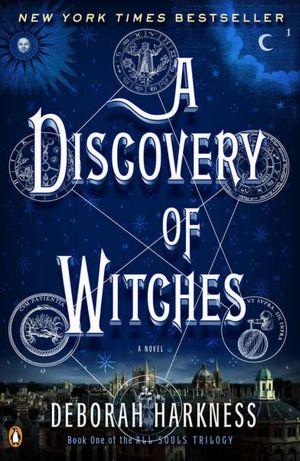
No. 95 on this list. A Discovery of Witches
Deborah Harkness · 2011
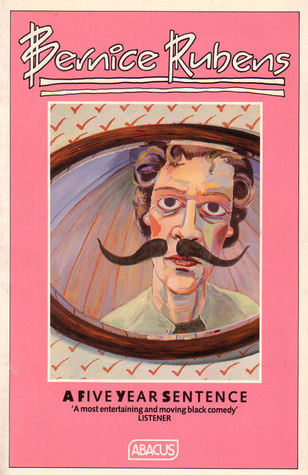
No. 96 on this list. A Five-Year Sentence
Bernice Rubens · 1978
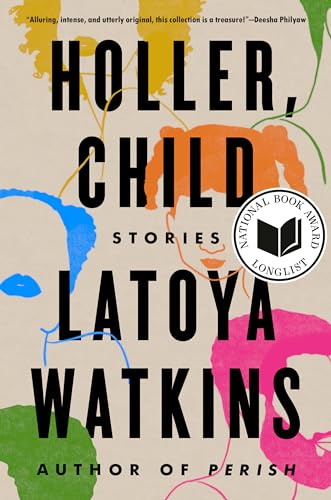
No. 97 on this list. Holler, Child
LaToya Watkins · 2023
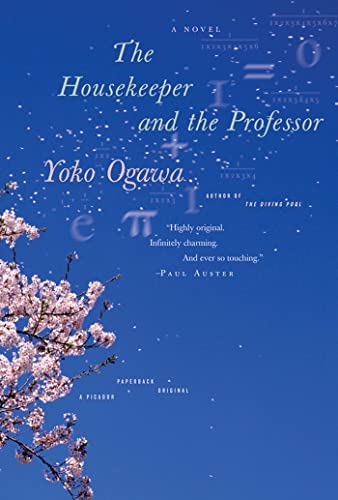
No. 98 on this list. The Housekeeper and the Professor
Yoko Ogawa · 2003
No. 99 on this list. Kingdom Come
Mark Waid · 1997
No. 100 on this list. The Blue Bird
Maurice Maeterlinck · 1908

About this list
These 100 books are the highest-scoring eligible easy books about memory and time currently in the catalogue. About 505 hours of reading in all. Difficulty runs from 34 to 42 out of 100 for the middle half of the list; the summit is Collected Poems of Derek Walcott at 45.
This list is ranked by literary regard, with a consistent order for equal scores. Membership follows authors and co-authors, not translators or editors. A book is here when ReadingRate files it under Memory & Time as one of its primary reading domains, at a confidence of 0.8 or more. Catalogue coverage and the historical canon both limit what this list can represent.
When we matched the Canons dataset to our catalogue in October 2026, our canonical-status scores rose with the number of school curricula, publisher series and lists in it that cite a work: the median score was 72 for books one such source cites, 84 at two, 88 at three, 92 at four and 93 at five or more. Prizes are left out of that count. Outside the state curricula, the dataset’s sources choose mostly from what has been translated into English or French, so it is a weaker check on other literatures. Source: Canons (Andrew Piper), CC BY 4.0
Questions people actually ask
- What are the best easy books about memory and time?
- By literary regard, which weighs canonical status, critical standing and influence: Life Studies by Robert Lowell, Selected Poems of Czesław Miłosz by Czesław Miłosz, Collected Poems of Derek Walcott by Derek Walcott, Rip Van Winkle by Washington Irving and A Part of Speech by Joseph Brodsky. ReadingRate ranks 100 such books, each with a difficulty score and a reading-time estimate.
- Which easy books about memory and time should I read first?
- Start from difficulty, not from rank. The most approachable books on this list that still carry top literary regard are Rip Van Winkle by Washington Irving (about 58 min), Life Studies by Robert Lowell and Seeing Things by Seamus Heaney.
- What are the shortest of the best easy books about memory and time?
- Among the top 25, the shortest are A Part of Speech by Joseph Brodsky (about 17 min), Seeing Things by Seamus Heaney (about 57 min) and Rip Van Winkle by Washington Irving (about 58 min), at an average pace of 250 words a minute adjusted for each book's difficulty.
- Which of the best easy books about memory and time are the established classics?
- By canonical status, how firmly a book sits in curricula, anthologies and the canon: Life Studies by Robert Lowell, Our Town by Thornton Wilder, Selected Poems of Czesław Miłosz by Czesław Miłosz, Collected Poems of Derek Walcott by Derek Walcott and Rip Van Winkle by Washington Irving.
- Can I read any of these easy books about memory and time for free?
- 5 of the 100 open in ReadingRate's reader with a free account, from public-domain editions: Henry VIII, The Old Wives' Tale, In Desert and Wilderness, His Family and The Blue Bird.
- How long would it take to read the top ten?
- About 27 hours, at an average pace of 250 words a minute adjusted for each book's difficulty: 14 days at two hours a day. Set your own pace on the page and the list's reading times change to it.
- How hard are easy books about memory and time to read?
- Most of this list sits between 34 and 42 on ReadingRate's 100-point difficulty scale, where 40 to 55 is moderate. The summit is Collected Poems of Derek Walcott at 45. Every entry carries its own score, so a reader can pick a great book at a difficulty they will finish.
- How is this list ranked?
- On literary-regard data: how canonically established a work is, its critical standing, and its influence on later writing. It is not a readers’ poll, which is why recent bestsellers rarely appear. Membership follows authors and co-authors, not translators or editors. Lists by country, author, period, theme or difficulty keep to literature (fiction, poetry, drama and philosophy), their novels, poems and plays first and their philosophy after them; a list of a kind of book, such as memoir or criticism, keeps every book of that kind. Every list holds at most three works by one author. A book is here when ReadingRate files it under Memory & Time as one of its primary reading domains, at a confidence of 0.8 or more.