Hours at an average pace
Showing 100 books
About 573 hours for 100 of 100 books with measured lengths. Estimates use 250 words a minute, adjusted for each book's difficulty. At 2 hours a day, about 287 days for those books.
A foundation text of Western thought, assigned across classics, history, political science and international relations, and a fixture of Great Books programs. The U.S. Naval War College has built its strategy teaching around it since the 1970s.
No. 2 on this list. The Birds
Aristophanes · c. 414 BCE
Moderate1.3 hours
Included in: Great Books of the Western World
The Birds is universally recognized as one of Aristophanes' finest comedies and a canonical text of ancient Greek literature, appearing on syllabi for classical literature, comparative literature, and Western civilization courses globally. Slightly less commonly assigned as an entry point than Lysistrata or The Clouds, it is nonetheless required reading in classics programs. The absence of database records reflects a data gap, not genuine obscurity.
No. 3 on this list. Lysistrata
Aristophanes · c. 411 BCE
Easy50 min
Taught in schools: Hungarian literature curriculum (magyar nyelv és irodalom) (Hungary)
Included in: Great Books of the Western World
Lysistrata appears on university syllabi worldwide in classics, theatre, women's studies, and political science courses. It is one of the most-performed ancient Greek comedies and features in virtually every survey of world literature and Western drama. Its 2,400-year continuous performance history makes it one of the most durably canonical texts in any language.
A single January day in a Soviet labor camp in the early 1950s, told through the eyes of Ivan Denisovich Shukhov, a peasant ten years into a trumped-up sentence for treason. Solzhenitsyn structures the novel as a minute-by-minute account: the pre-dawn wake-up, the roll call in −30° cold, the march to the construction site, the bricklaying in the wind, the return, the thin soup, and lights out. The genius of the book is its scale — one man, one day — and the moral universe Shukhov navigates within it. He is not heroic in any conventional sense; he calculates how to get an extra bowl of gruel, how to pocket a useful piece of metal, how to avoid the guards' notice. Yet these calculations constitute a form of dignity. Published in 1962 in the Soviet literary journal Novy Mir under Khrushchev's brief thaw, the novella hit Soviet readers like a physical shock: the Gulag had existed for decades, but naming it in print was new. In the West it became the first credible inside account of the camp system, a document as much as a novel. Solzhenitsyn's prose is close-grained and unsentimental, the voice tuned to Shukhov's practical intelligence. The cold is not metaphorical; the bread is not symbolic. The facts speak.
Pamela Andrews is fifteen years old and in service when her mistress dies and the mistress's son, Mr. B, begins a campaign to seduce her. She refuses. He escalates — intercepting her letters, relocating her to a remote estate, locking her in — and she keeps writing, to her parents and in a secret journal she hides in her clothing. What makes the novel strange is that we only have Pamela's account: earnest, relentlessly self-observing, written in the knowledge that Mr. B may one day read every word she has set down. Published in 1740, Pamela invented something — not just the epistolary novel, but the novel's peculiar project of making a single consciousness the center of a world. Richardson called his method 'writing to the moment': the heroine records events as they happen, before she knows how they will turn out. Readers have been arguing about Pamela's sincerity ever since. Henry Fielding published Shamela the following year, certain the whole performance was calculation dressed as virtue. That argument — is Pamela genuinely good, or is goodness here just the strategy that worked? — has never been settled. The novel is slow by design: captivity is repetitive, and Richardson wants you to feel it. But the compression of one young woman's inner life, the surveillance she endures and returns in kind, and the original sin of a marriage that rewards persistence over refusal make Pamela one of the most uncomfortable triumphs in English fiction.
No. 6 on this list. King John
William Shakespeare · 1596
Easy6.4 hours
Included in: Great Books of the Western World
Philip Faulconbridge knows exactly who he is: the illegitimate son of Richard Coeur-de-lion, raised as a Faulconbridge, legitimized by his own choice. King John knows what he wants: the English throne his brother's son Arthur has the better legal claim to. What neither man can control is the play's central force — commodity, Shakespeare's word for self-interest dressed as principle. Around them, King Philip of France swears sacred oaths and breaks them within an act. Cardinal Pandulph maneuvers the papacy's interests through excommunication and alliance. Constance, Arthur's mother, rails at every betrayal with an intensity that makes her grief both righteous and inconvenient. The play traces the political machinery of the Plantagenet world with cold precision: marriage negotiations dissolve wars, papal legates redirect armies, and a child's claim to a throne becomes a reason to have the child killed. Shakespeare sets the Bastard at the center not as hero but as observer — his asides running alongside the action like a mordant commentary on how kings behave when they think no one is watching. The verse shifts register constantly, from formal diplomatic address to earthy soliloquy to Constance's raw lament. King John is among the least-produced of Shakespeare's histories, which has left it free of the interpretive weight that settles on Hamlet or Richard II. Reading it now, the question of who has the right to rule — by birth, by force, by divine sanction, by popular consent — has not become less urgent.
Foundational text of Chicana feminism, border studies, and queer theory. Universally taught in relevant fields.
No. 8 on this list. The School for Wives
Molière · 1662
Easy1.2 hours
Included in: Great Books of the Western World
A major Molière comedy, regularly performed and studied. Marks the beginning of his mature period and the great querelle it provoked.
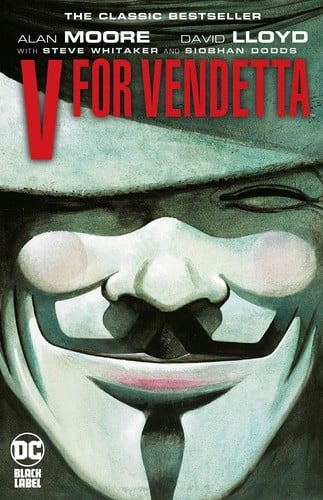
One of the foundational texts of the graphic novel form. Widely taught, frequently cited in discussions of political fiction and dystopian literature.
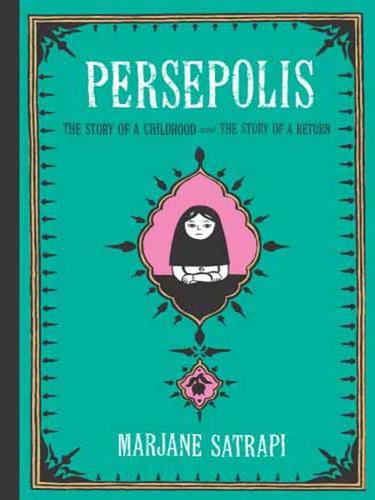
Persepolis is one of the most widely taught graphic narratives in schools and universities, a standard text in courses on memoir, comics and the modern Middle East. It sits beside Art Spiegelman's Maus at the core of the graphic-memoir curriculum.
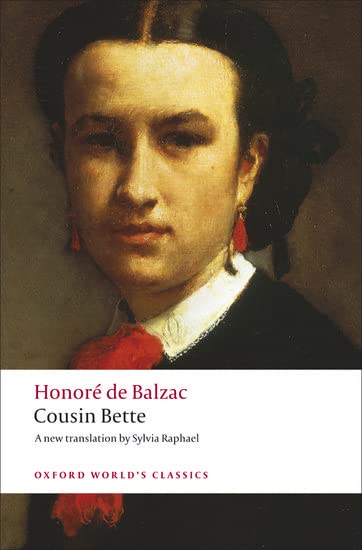
No. 11 on this list. Cousin Bette · Honoré de Balzac · 1846
Included in: Great Books of the Western World
Cousin Bette is central to the Balzac canon and widely taught in French university courses across Europe; it appears on numerous syllabi as his finest late novel and as a cornerstone of European realism. Its Anglophone classroom presence is smaller than in France, but it features in world literature survey courses and Victorian-comparative programs.
Easy10 hours
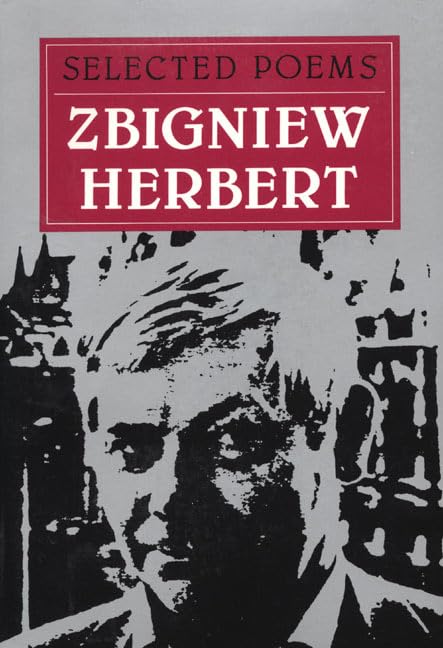
Start this bookNo. 12 on this list. Selected Poems of Zbigniew Herbert · Zbigniew Herbert · 1977
One of the most important Polish poets of the twentieth century, widely translated and taught in courses on modern poetry.
Moderate3.2 hours
Start this bookNo. 13 on this list. Foundation and Empire · Isaac Asimov · 1952
Central volume of the Foundation trilogy, one of the most important works in science fiction history. The Mule is one of the genre's iconic characters.
Easy3.6 hours
Start this bookNo. 14 on this list. Foundation · Isaac Asimov · 1951
Foundation occupies an unambiguous place in the science fiction canon and appears on university SF course syllabi worldwide, though it sits outside the standard literary curriculum that places Gatsby or 1984 on nearly every English department reading list. The 1966 Hugo Award for 'Best All-Time Series' — a category created specifically for this occasion — signals the field's recognition of its foundational status. Its influence on the genre is taught wherever science fiction is studied seriously.
Easy7.6 hours
Start this bookNo. 15 on this list. A Man of the People · Chinua Achebe · 1966
Taught in schools: Pacific Senior Secondary Certificate – English
Included in: Heinemann African Writers Series
"A Man of the People" appears regularly on university syllabi in African literature, postcolonial studies, and world literature courses, though it occupies a secondary position relative to Achebe's "Things Fall Apart," which is among the most taught novels globally. The book's prophetic publication date—released the same day as Nigeria's first military coup—secured it a place in literary history beyond its syllabus presence. It is standard reading in courses on African political fiction and postcolonial satire.
Easy3 hours
Start this bookNo. 16 on this list. Henry VIII · William Shakespeare · 1613
Included in: Great Books of the Western World
Henry VIII is part of the Shakespeare First Folio and is taught in Shakespeare survey courses worldwide, though it occupies the lower tier of the canon compared to the major tragedies and histories. The play's disputed authorship — widely attributed to Shakespeare and John Fletcher in collaboration — has generated sustained academic interest. It does not appear on syllabi as consistently as Hamlet, Macbeth, or Richard II, but it remains firmly within the Shakespearean corpus that all serious literary study engages.
Easy1.6 hours
Read nowNo. 17 on this list. The City and the Dogs · Mario Vargas Llosa · 1963
Recognized as one of the founding novels of the Latin American boom and a landmark of Peruvian literature.
Moderate7.7 hours
Start this bookNo. 18 on this list. Arrowsmith · Sinclair Lewis · 1925
Martin Arrowsmith, an idealistic young doctor, struggles to maintain his scientific integrity as he moves from small-town practice to research laboratories to public health work. At every turn, commercialism, politics, and human weakness threaten to corrupt his quest for truth. Lewis's novel about the conflict between pure science and institutional pressure won the Pulitzer Prize (which he famously declined).
Moderate11 hours
Read nowNo. 19 on this list. Blasted · Sarah Kane · 1995
Now recognized as one of the most important British plays of the late twentieth century. A landmark of in-yer-face theater and a standard text in contemporary drama courses.
Moderate46 min
Start this bookNo. 20 on this list. Roll of Thunder, Hear My Cry · Mildred D. Taylor · 1976
Taught in schools: CSEC English B – Caribbean Examinations Council, Singapore-Cambridge GCE O-Level Literature in English (2065)
Newbery Medal winner and a cornerstone of Black children's literature. Widely taught and frequently appears on essential reading lists.
Very Easy2.4 hours
Start this book
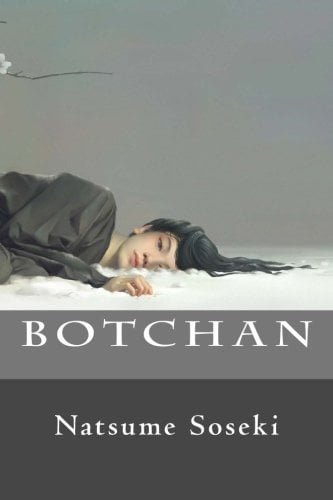
No. 21 on this list. Botchan · Natsume Sōseki · 1906
Included in: UNESCO Collection of Representative Works
The most widely read novel in Japanese literature. A national cultural touchstone for over a century.
Easy2.1 hours
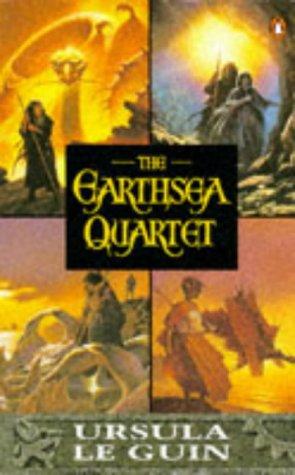
Read nowNo. 22 on this list. The Earthsea Quartet · Ursula K Le Guin · 1968
Across four novels spanning decades, Le Guin builds the archipelago of Earthsea—a world of islands, sailing, and true-name magic where knowing a thing's true name gives power over it. A Wizard of Earthsea follows the young wizard Ged as he releases a shadow-creature and must pursue it across the world. The Tombs of Atuan follows a priestess freed from underground servitude. The Farthest Shore follows Ged, now Archmage, pursuing a wizard who has broken the boundary between life and death. Tehanu, written sixteen years later, returns to Earthsea with a feminist perspective, following the abused child Therru and the former priestess Tenar in a world where women's power has been systematically suppressed. Le Guin's magic system—where speaking a true name is the fundamental magical act—is the most elegant in fantasy. The prose is spare, rhythmic, and precise, closer to myth than novel.
Moderate15 hours
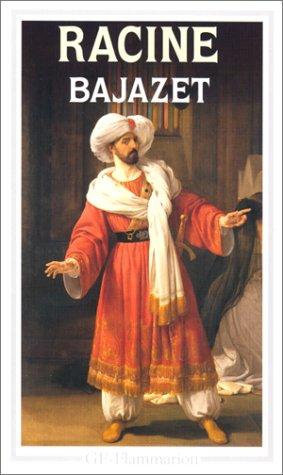
Start this bookNo. 23 on this list. Bajazet · Jean Racine · 1672
A respected Racine tragedy, regularly included in critical discussion though less frequently performed than Phèdre or Andromaque.
Easy57 min
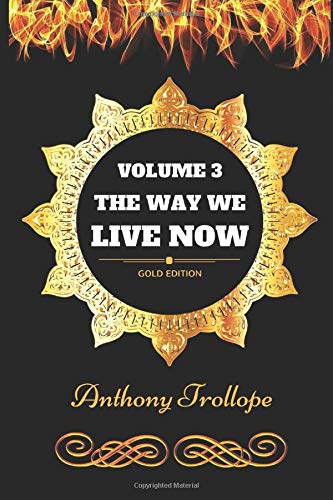
Start this bookNo. 24 on this list. The Way We Live Now · Anthony Trollope · 1875
Widely taught in Victorian literature courses at universities worldwide and consistently included in lists of the greatest 19th-century English novels. Routinely called Trollope's masterpiece and the finest Victorian satire of money and society. While no formal database entry is available here, the novel's presence on undergraduate syllabi is extensive, placing it solidly in the upper tier of Victorian canonical texts, though below the very highest (Dickens, George Eliot, Hardy).
Moderate23 hours
Start this bookNo. 25 on this list. The Land at the End of the World · Antonio Lobo Antunes · 1979
A Portuguese military doctor sits in a Lisbon bar late at night, talking at a woman who says nothing. For the next two hundred pages he doesn't stop. What pours out is the twenty-seven months he spent as an army psychiatrist in Angola during Portugal's colonial war — the bodies, the malaria, the boredom, the complicity — braided with memories of a Lisbon childhood lived in the shadow of Salazar's dictatorship and the bourgeois Catholic family that produced him. The zoo near his parents' apartment returns again and again: the animals behind wire, the very upright black roller-skating instructor tracing his slow ellipses, the solitude of the giraffe. The zoo is not a metaphor he explains. It is simply there, and the reader assembles what it means. Antunes writes in a single sustained torrent — no chapters, no scene breaks, no mercy. The syntax piles subordinate clause on subordinate clause until a sentence has carried you from a specific smell in Angolan scrub to a childhood memory of an aunt's apartment to a direct address back to the silent woman and her motionless hands. The narrator presents himself as tender, self-aware, a victim. The text contradicts him at every turn. He watched things happen that he did not stop. Originally published in 1979 as Os Cus de Judas — a title the English publisher softened — this is the novel that announced Antunes as the defining voice of post-colonial Portuguese literature. It reads like Faulkner set in the ruins of empire, with the guilt turned inward until it can't be contained.
Moderate4 hours
Start this bookNo. 26 on this list. Tracks · Louise Erdrich · 1988
A central work in Erdrich's interconnected cycle and widely taught in American literature courses. Considered one of her strongest early novels.
Moderate4.1 hours
Start this bookNo. 27 on this list. Our Twisted Hero · Yi Munyol · 1987
One of the most widely read and taught works of modern Korean literature, both domestically and in translation.
Easy1.4 hours
Start this bookNo. 28 on this list. Dirty Hands · Jean-Paul Sartre · 1948
One of the most performed French plays of the twentieth century and a staple of political theater. Widely taught in philosophy and literature courses.
Easy2.4 hours
Start this bookNo. 29 on this list. The Jungle · Upton Sinclair · 1906
One of the most historically significant American novels. Universally taught in American history and literature courses.
Very Easy6.5 hours
Start this bookNo. 30 on this list. Elmer Gantry · Sinclair Lewis · 1927
One of Sinclair Lewis's major satires of the 1920s, alongside Main Street and Babbitt. It appears on only 5 university syllabi in Open Syllabus data, but its title character's name became a byword for the hypocritical preacher.
Easy9.3 hours
Read now
No. 31 on this list. The Second World War
John Keegan · 1989
No. 32 on this list. Exit the King
Eugène Ionesco · 1962
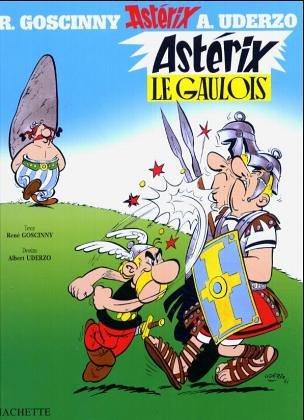
No. 33 on this list. Asterix the Gaul
René Goscinny · 1961
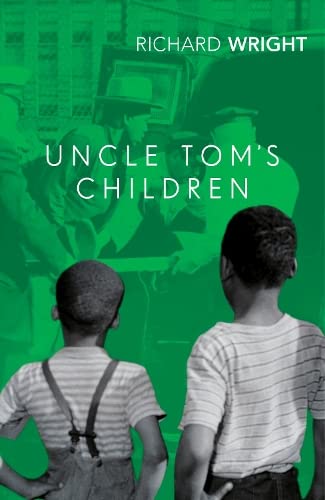
No. 34 on this list. Uncle Tom's Children
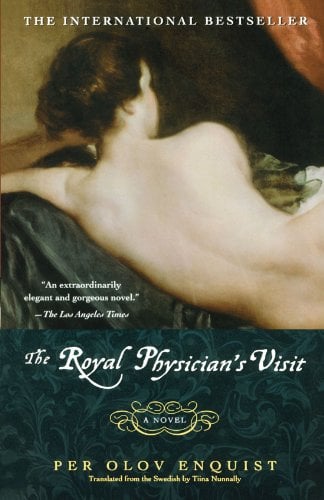
No. 35 on this list. The Visit of the Royal Physician
Per Olov Enquist · 1999
No. 36 on this list. The Flies
Jean-Paul Sartre · 1943
Taught in schools: UNAM Escuela Nacional Preparatoria – programas de Literatura (Mexico)
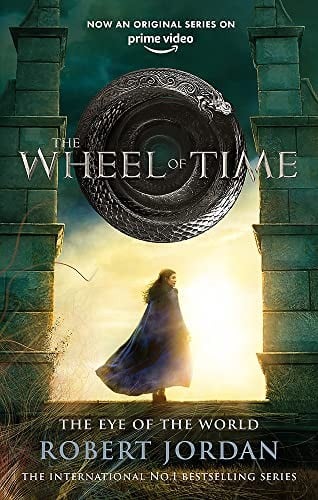
No. 37 on this list. The Eye of the World
Robert Jordan · 1990
No. 38 on this list. The Old Curiosity Shop
Charles Dickens · 1841
No. 39 on this list. Bel-Ami
Guy de Maupassant · 1885
No. 40 on this list. The Beautyful Ones Are Not Yet Born
Ayi Kwei Armah · 1968
Included in: Heinemann African Writers Series
No. 41 on this list. The Black Echo
Michael Connelly · 1992
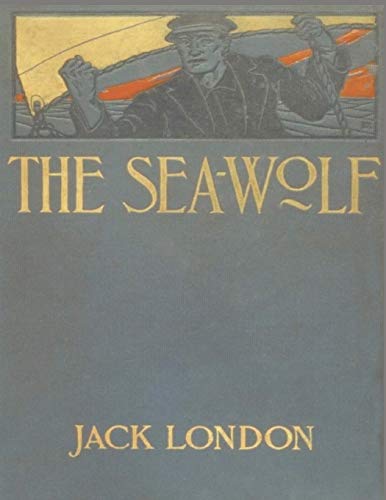
No. 42 on this list. The Sea-Wolf
Jack London · 1904
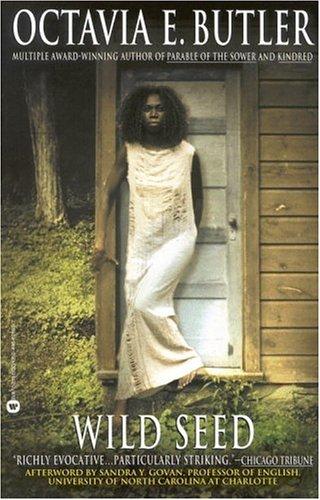
No. 43 on this list. Wild Seed
Octavia E. Butler · 1980
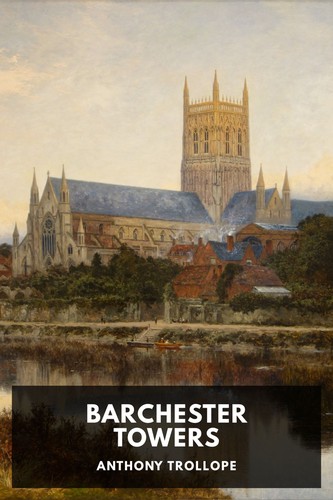
No. 44 on this list. Barchester Towers
Anthony Trollope · 1857
No. 45 on this list. Ti-Jean and His Brothers
Derek Walcott · 1958
No. 46 on this list. Raise the Red Lantern
Su Tong · 1990
No. 47 on this list. Caleb Williams
William Godwin · 1794
No. 48 on this list. In the Time of the Butterflies
Julia Alvarez · 1994
Taught in schools: UNAM Escuela Nacional Preparatoria – programas de Literatura (Mexico)
No. 49 on this list. The Little Sister
Raymond Chandler · 1988
No. 50 on this list. The City We Became
N.K. Jemisin · 2020

No. 51 on this list. The Dragon Can't Dance
Earl Lovelace · 1979
No. 52 on this list. La Reine Margot
Alexandre Dumas · 1845
No. 53 on this list. The Star Diaries
Stanisław Lem · 1957
No. 54 on this list. The Iron Heel
Jack London · 1908
No. 55 on this list. Brothers
Yu Hua · 2005
No. 56 on this list. Old Tales Retold
Lu Xun · 1936
No. 57 on this list. Death at La Fenice
Donna Leon · 1992
No. 58 on this list. The Ultimate Hitchhiker’s Guide to the Galaxy (Hitchhiker's Guide to the Galaxy, #1-5)
Douglas Adams · 2002
No. 59 on this list. The Restaurant at the End of the Universe
Douglas Adams · 1980
No. 60 on this list. The Financier
Theodore Dreiser · 1912

No. 61 on this list. The Devil
Leo Tolstoy · 1911
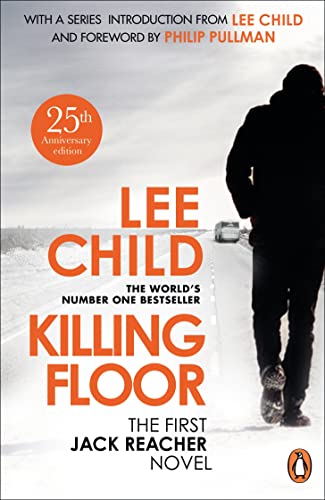
No. 62 on this list. Killing Floor
Lee Child · 1997
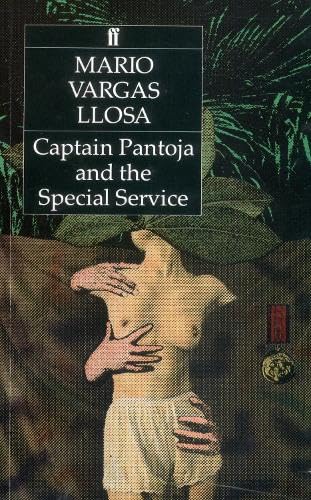
No. 63 on this list. Captain Pantoja and the Special Service
Mario Vargas Llosa · 1973
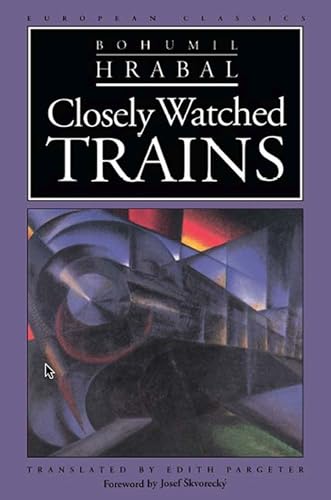
No. 64 on this list. Closely Watched Trains
Bohumil Hrabal · 1965
No. 65 on this list. All-Star Superman
Grant Morrison · 2011
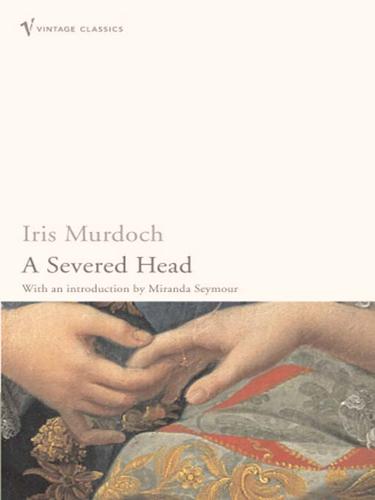
No. 66 on this list. A Severed Head
Iris Murdoch · 1961
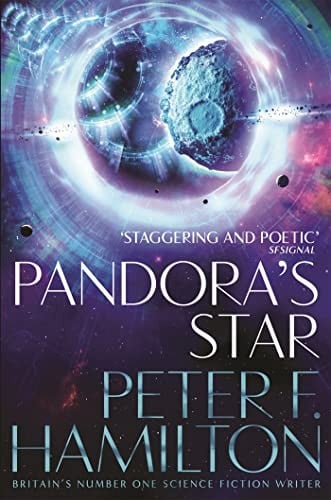
No. 67 on this list. Pandora's Star
Peter F. Hamilton · 2004
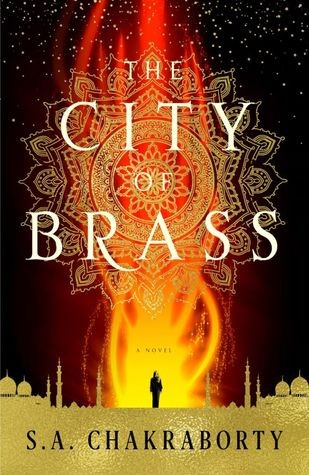
No. 68 on this list. The City of Brass
S.A. Chakraborty · 2017
No. 69 on this list. A Dry White Season
André Brink · 1979
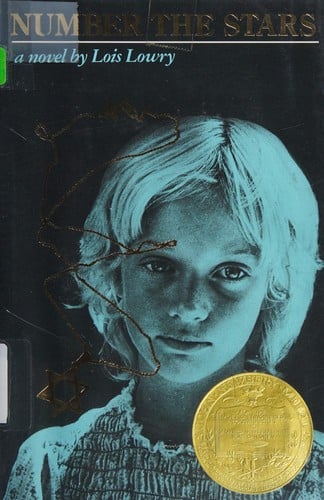
No. 70 on this list. Number the Stars
Lois Lowry · 1989

No. 71 on this list. The Empress of Salt and Fortune
Nghi Vo · 2020
No. 72 on this list. Blue Angel
Francine Prose · 2000
No. 73 on this list. Whitney, My Love
Judith McNaught · 1985
No. 74 on this list. The Dying Animal
Philip Roth · 2001
No. 75 on this list. Ancillary Sword
Ann Leckie · 2014
No. 76 on this list. That Hideous Strength
C.S. Lewis · 1945
No. 77 on this list. Romola
George Eliot · 1863
No. 78 on this list. The Moon Is Down
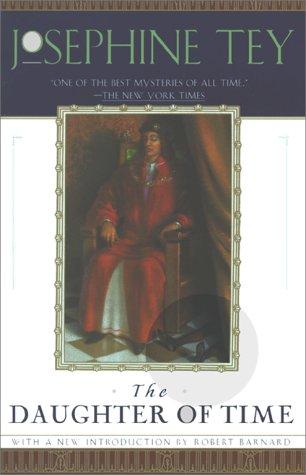
No. 79 on this list. The Daughter of Time
Josephine Tey · 1951
No. 80 on this list. Batman: Year One
Frank Miller · 2007

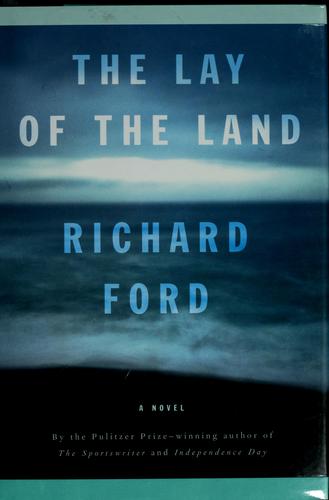
No. 81 on this list. The Lay of the Land
Richard Ford · 2006
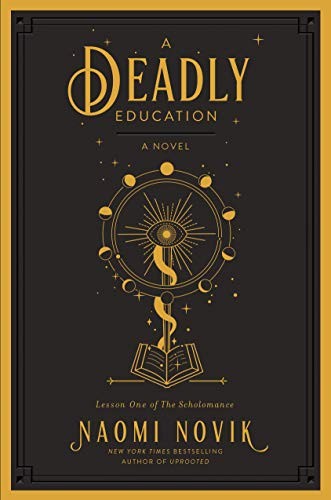
No. 82 on this list. A Deadly Education
Naomi Novik · 2020
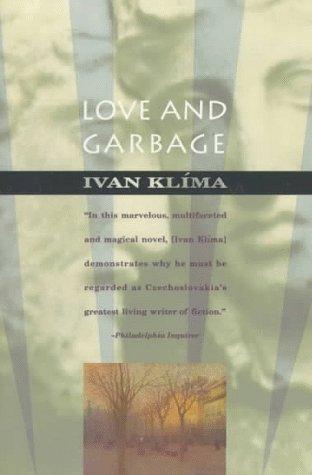
No. 83 on this list. Love and Garbage
Ivan Klima · 1986
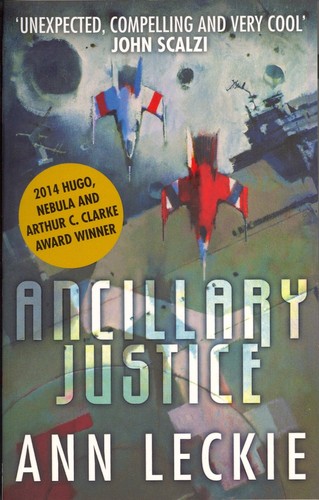
No. 84 on this list. Ancillary Justice
Ann Leckie · 2013
No. 85 on this list. White-Jacket
Herman Melville · 1850
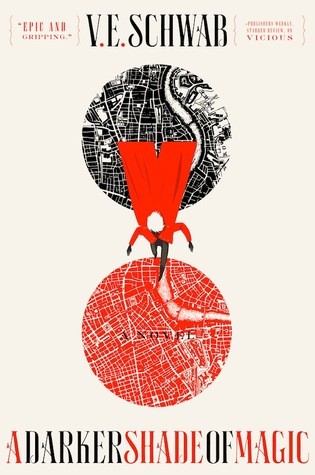
No. 86 on this list. A Darker Shade of Magic
V. E. Schwab · 2015
No. 87 on this list. Felix Holt, the Radical
George Eliot · 1866
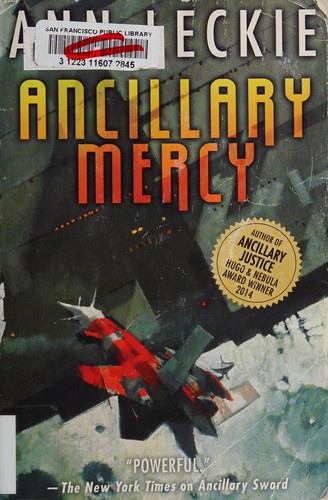
No. 88 on this list. Ancillary Mercy
Ann Leckie · 2015
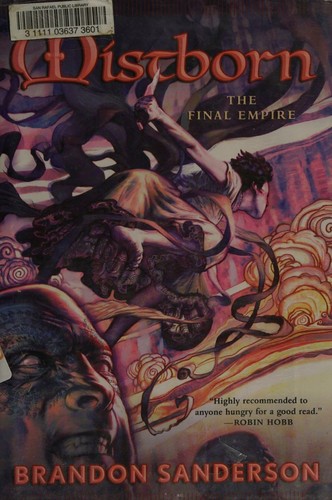
No. 89 on this list. Mistborn: The Final Empire
Brandon Sanderson · 2006
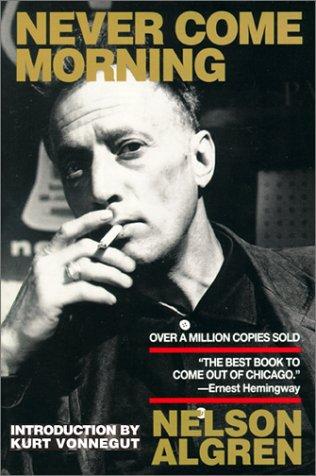
No. 90 on this list. Never Come Morning
Nelson Algren · 1942
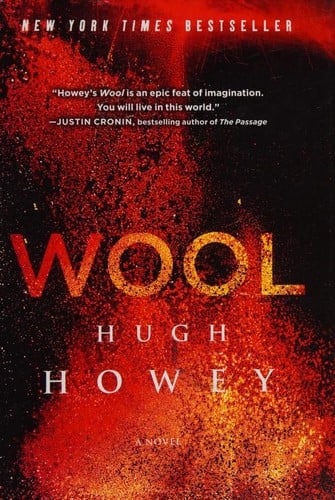
No. 91 on this list. Wool
Hugh Howey · 2011
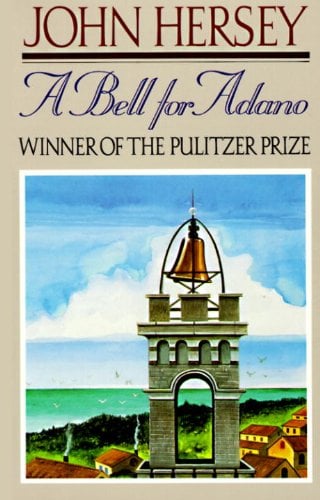
No. 92 on this list. A Bell for Adano
John Hersey · 1945
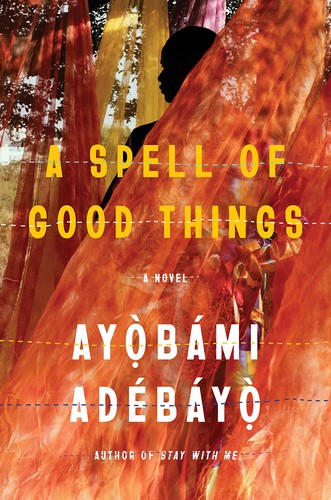
No. 93 on this list. A Spell of Good Things
Ayọ̀bámi Adébáyọ̀ · 2023
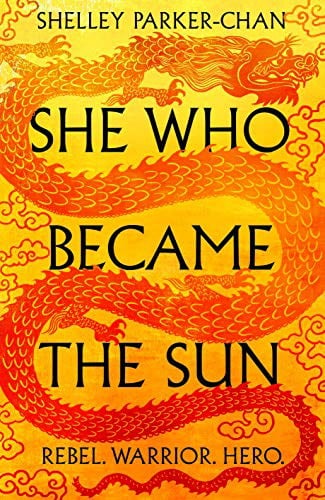
No. 94 on this list. She Who Became the Sun
Shelley Parker-Chan · 2021
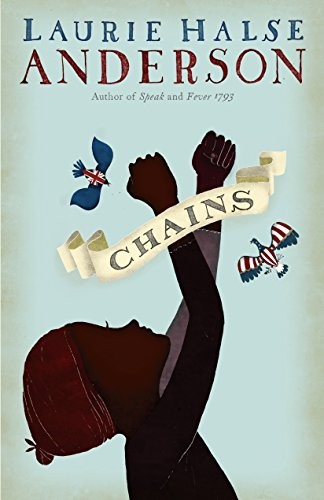
No. 95 on this list. Chains
Laurie Halse Anderson · 2008
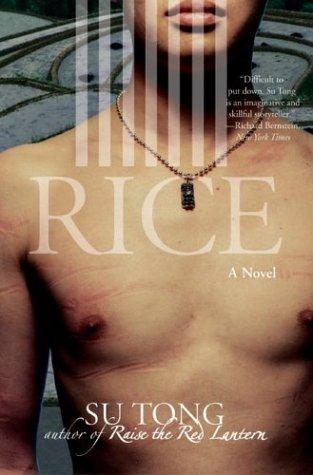
No. 96 on this list. Rice
Su Tong · 1991
No. 97 on this list. Lady Susan
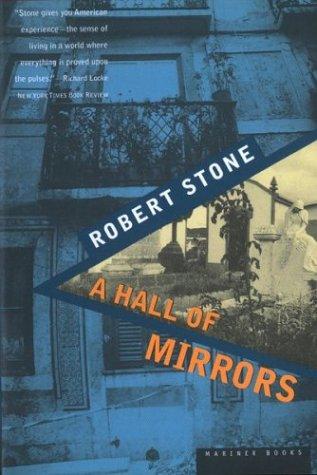
No. 98 on this list. A Hall of Mirrors
Robert Stone · 1967
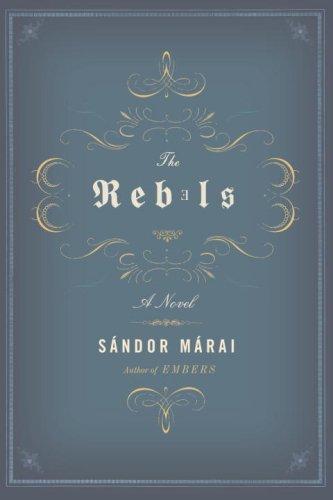
No. 99 on this list. The Rebels
Sándor Márai · 1930
No. 100 on this list. Getting Lost
Annie Ernaux · 2001
About this list
These 100 books are the highest-scoring eligible easy books about power and politics currently in the catalogue. About 573 hours of reading in all. Difficulty runs from 33 to 41 out of 100 for the middle half of the list; the summit is Arrowsmith at 45.
This list is ranked by literary regard, with a consistent order for equal scores. Membership follows authors and co-authors, not translators or editors. A book is here when ReadingRate files it under Power & Politics as one of its primary reading domains, at a confidence of 0.8 or more. Catalogue coverage and the historical canon both limit what this list can represent.
When we matched the Canons dataset to our catalogue in October 2026, our canonical-status scores rose with the number of school curricula, publisher series and lists in it that cite a work: the median score was 72 for books one such source cites, 84 at two, 88 at three, 92 at four and 93 at five or more. Prizes are left out of that count. Outside the state curricula, the dataset’s sources choose mostly from what has been translated into English or French, so it is a weaker check on other literatures. Source: Canons (Andrew Piper), CC BY 4.0
Questions people actually ask
- What are the best easy books about power and politics?
- By literary regard, which weighs canonical status, critical standing and influence: The Peloponnesian War by Thucydides, The Birds by Aristophanes, Lysistrata by Aristophanes, One Day in the Life of Ivan Denisovich by Aleksandr Solzhenitsyn and Pamela by Samuel Richardson. ReadingRate ranks 100 such books, each with a difficulty score and a reading-time estimate.
- Which easy books about power and politics should I read first?
- Start from difficulty, not from rank. The most approachable books on this list that still carry top literary regard are The School for Wives by Molière (about 1.2 hours), Persepolis by Marjane Satrapi and The Peloponnesian War by Thucydides.
- What are the shortest of the best easy books about power and politics?
- Among the top 25, the shortest are Blasted by Sarah Kane (about 46 min), Lysistrata by Aristophanes (about 50 min) and Bajazet by Jean Racine (about 57 min), at an average pace of 250 words a minute adjusted for each book's difficulty.
- Which of the best easy books about power and politics are the established classics?
- By canonical status, how firmly a book sits in curricula, anthologies and the canon: The Peloponnesian War by Thucydides, The Birds by Aristophanes, Lysistrata by Aristophanes, One Day in the Life of Ivan Denisovich by Aleksandr Solzhenitsyn and Pamela by Samuel Richardson.
- Can I read any of these easy books about power and politics for free?
- 11 of the 100 open in ReadingRate's reader with a free account, from public-domain editions: The Peloponnesian War, King John, Henry VIII, Arrowsmith, Botchan and 6 more.
- How long would it take to read the top ten?
- About 47 hours, at an average pace of 250 words a minute adjusted for each book's difficulty: 24 days at two hours a day. Set your own pace on the page and the list's reading times change to it.
- How hard are easy books about power and politics to read?
- Most of this list sits between 33 and 41 on ReadingRate's 100-point difficulty scale, where 40 to 55 is moderate. The summit is Arrowsmith at 45. Every entry carries its own score, so a reader can pick a great book at a difficulty they will finish.
- How is this list ranked?
- On literary-regard data: how canonically established a work is, its critical standing, and its influence on later writing. It is not a readers’ poll, which is why recent bestsellers rarely appear. Membership follows authors and co-authors, not translators or editors. Lists by country, author, period, theme or difficulty keep to literature (fiction, poetry, drama and philosophy), their novels, poems and plays first and their philosophy after them; a list of a kind of book, such as memoir or criticism, keeps every book of that kind. Every list holds at most three works by one author. A book is here when ReadingRate files it under Power & Politics as one of its primary reading domains, at a confidence of 0.8 or more.