Hours at an average pace
Showing 100 books
About 935 hours for 100 of 100 books with measured lengths. Estimates use 250 words a minute, adjusted for each book's difficulty. At 2 hours a day, about 468 days for those books.
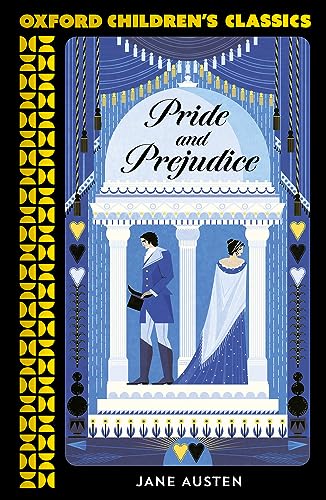
No. 1 on this list. Pride and Prejudice
Jane Austen · 1813
Moderate8.6 hours
Taught in schools: AQA GCSE and A-level English Literature (UK), Cambridge IGCSE Literature in English (0475), Common Core text exemplars (Appendix B) (US)
Included in: Bokklubben World Library
Appears on 2,313 university syllabi — placing it at the 84th percentile of all taught books globally — and Wikipedia covers the novel in 74 languages. Listed in the BBC Big Read Top 100, 1001 Books You Must Read Before You Die, and published in prestige editions by both Penguin Classics and Everyman's Library. One of the most consistently taught novels in English literature.
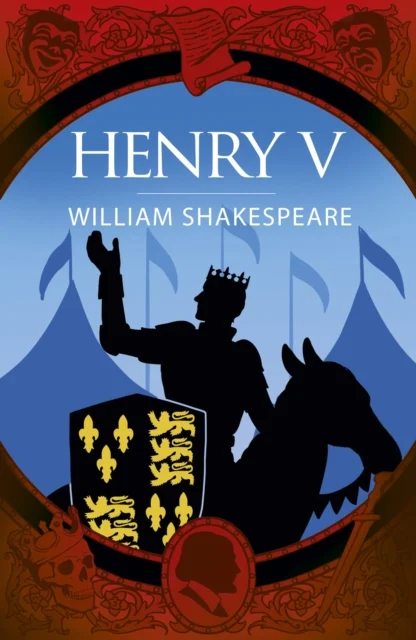
No. 2 on this list. Henry V
William Shakespeare · 1600
Difficult3 hours
Included in: Great Books of the Western World
Henry V sits at the core of the Shakespeare canon, taught in secondary schools and universities worldwide and a fixture in RSC and major repertory seasons. While not the first play assigned on Shakespeare surveys — that distinction goes to Hamlet or Macbeth — it appears on virtually every history plays syllabus and features prominently in collections of essential dramatic literature.
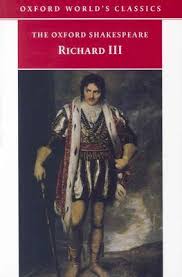
No. 3 on this list. Richard III
William Shakespeare · 1597
Challenging2.8 hours
Taught in schools: CAPE Literatures in English – Caribbean Examinations Council
Included in: Great Books of the Western World
Richard III is among the most frequently performed Shakespeare plays and a staple of secondary school and university curricula worldwide. Its opening monologue — 'Now is the winter of our discontent' — is among the most memorized passages in English literature. The play appears on virtually every Shakespeare survey and features in courses on history plays, villainy, and political drama.
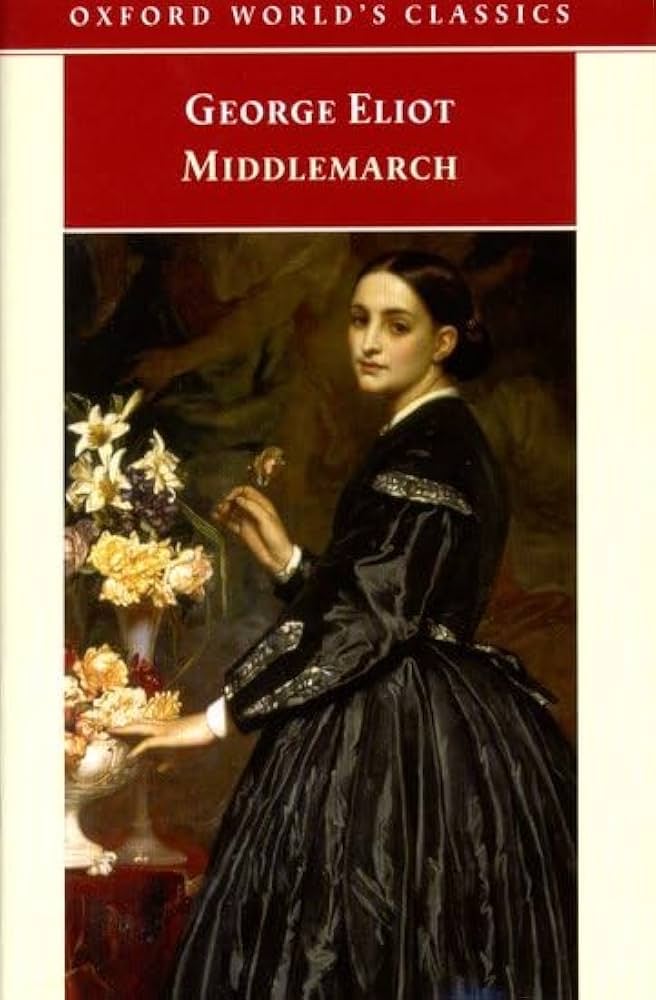
No. 4 on this list. Middlemarch
George Eliot · 1871
Moderate22 hours
Taught in schools: AQA GCSE and A-level English Literature (UK)
Included in: Bokklubben World Library, Great Books of the Western World
Appears on 1,070 university syllabi (75th percentile by Open Syllabus), anchoring Victorian literature courses worldwide. Wikipedia covers it in 25 languages with a substantial 52,926-character article including dedicated Reception and Adaptations sections. Virginia Woolf's declaration that it is 'one of the few English novels written for grown-up people' has given it a persistent critical shorthand that appears on nearly every canonical 'greatest novels' list.
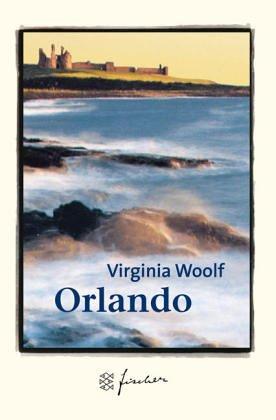
No. 5 on this list. Orlando
Virginia Woolf · 1928
Moderate5.2 hours
Taught in schools: UNAM Escuela Nacional Preparatoria – programas de Literatura (Mexico)
Orlando appears on university syllabi worldwide in modernist literature, gender studies, feminist theory, and LGBTQ+ studies courses — one of the few novels to anchor multiple disciplines simultaneously. It features on Modern Library's 100 Best Novels list and is discussed in virtually every survey of 20th-century British fiction. Woolf's stature guarantees its place in the canon regardless of pedagogical fashion.
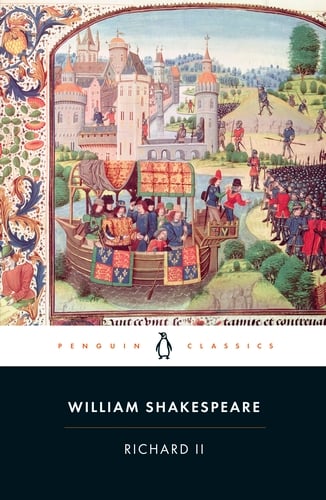
No. 6 on this list. Richard II
William Shakespeare · 1597
Challenging2.3 hours
Taught in schools: AQA GCSE and A-level English Literature (UK)
Included in: Great Books of the Western World
Richard II is a standard text in Shakespeare curricula and appears regularly on university syllabi in history plays, Renaissance drama, and political theory courses. It is considered one of the finest of the English history plays, taught alongside Henry IV Part 1 and Henry V as part of the second tetralogy. Its lyrical language and meditation on kingship have made it a consistent choice for advanced Shakespeare courses.
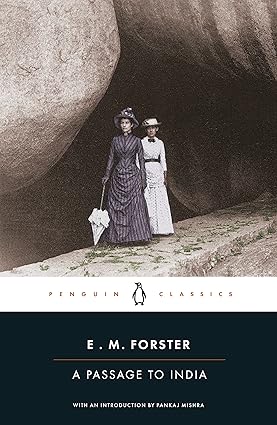
Forster sent an Englishwoman and an Indian doctor into the Marabar Caves and made what did or did not happen there into a parable for the impossibility of genuine human connection across the gulf of empire. The novel's refusal to resolve its central mystery is its most honest statement about what colonialism does to perception itself.
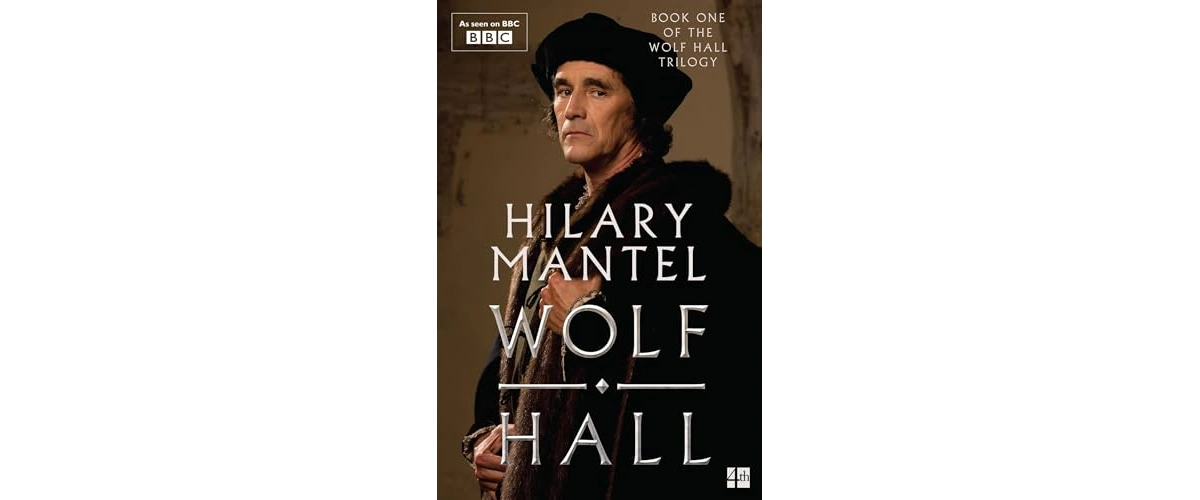
The historical novel that changed the genre's literary status. Thomas Cromwell's rise, rendered in present tense and close third person, made Tudor politics feel immediate. Core text in contemporary fiction and historical fiction courses.
No. 9 on this list. A Tale of Two Cities
Charles Dickens · 1859
Moderate9.1 hours
Taught in schools: Turkish edebiyat curriculum (Turkey)
One of Dickens's most famous novels; its opening sentence is the most recognized in English literature.
The final book in the Thomas Cromwell trilogy, following Cromwell from Jane Seymours death to his own execution.
No. 11 on this list. Vanity Fair · William Makepeace Thackeray · 1848
Taught in schools: AQA GCSE and A-level English Literature (UK)
Vanity Fair is a cornerstone of Victorian literature curricula worldwide, appearing on roughly 2,000–3,000 university syllabi across English literature, European novel, and 19th-century studies courses. It sits on the Modern Library's 100 Best Novels list and appears in every major survey of the Victorian novel. Wikipedia articles exist in over 70 languages, and the title itself has passed into common usage as a byword for social ambition and display.
Difficult41 hours
Start this bookNo. 12 on this list. Ivanhoe · Walter Scott · 1819
Ivanhoe is a fixture of British Romantic literature curricula and appears on virtually every survey of the historical novel as the genre's foundational text in English. While syllabus data was not captured in the database, the novel's Wikipedia article spans well over 50 languages and it remains one of the most recognized works of 19th-century British fiction. It gave the English language the cultural template for medieval chivalry — the Crusades, Normans vs. Saxons, Robin Hood — that persists in popular imagination today.
Easy11 hours
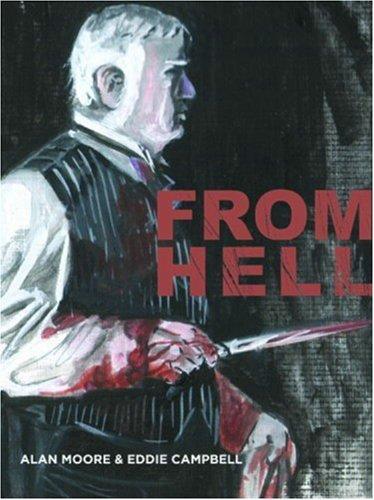
Start this bookNo. 13 on this list. From Hell · Alan Moore · 1999
Widely regarded as one of the greatest graphic novels ever produced. A staple of comics criticism and increasingly taught in university courses.
Moderate8 hours
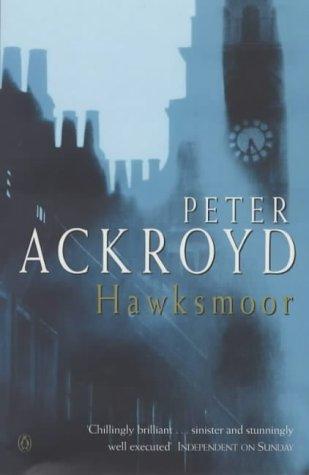
Start this bookNo. 14 on this list. Hawksmoor · Peter Ackroyd · 1985
Hawksmoor holds significant position in postmodern British fiction and is widely taught in university literature courses. While not quite at the level of Ulysses or Beloved, it is consistently included in surveys of contemporary British literature and discussions of historiographic metafiction. The novel appears regularly on critical reading lists for postmodernism, Gothic revival, and late 20th-century British fiction, establishing its place in the extended literary canon.
Challenging9.4 hours
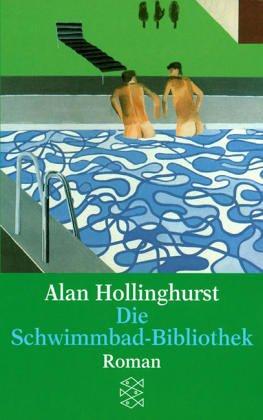
Start this bookNo. 15 on this list. The Swimming-Pool Library · Alan Hollinghurst · 1988
A fixture of gay-literature and late-twentieth-century British fiction syllabi.
Challenging6.8 hours
Start this bookNo. 16 on this list. Adam Bede · George Eliot · 1859
Adam Bede appears regularly on Victorian literature and 19th-century British fiction syllabi at universities worldwide, and is the standard entry point to George Eliot's work in courses that cannot assign the longer Middlemarch. It is included in most survey courses of the Victorian novel. Its canonical status within the Eliot corpus is secondary only to Middlemarch and The Mill on the Floss, but within the broader Victorian canon it holds a secure if not dominant position — consistently anthologized, consistently in print, and consistently cited as a foundational work of Victorian realism.
Moderate13 hours
Read nowNo. 17 on this list. Waverley · Walter Scott · 1814
Waverley is taught in virtually every British Romantic and Victorian literature survey course as the founding text of the historical novel genre. While not as universally assigned as Shakespeare or Dickens, it appears regularly on syllabi in British literature, Scottish studies, and 19th-century fiction courses worldwide. The novel's foundational status in literary history ensures its continuous presence in academic curricula, though its classroom reach has narrowed from its 19th-century peak.
Moderate12 hours
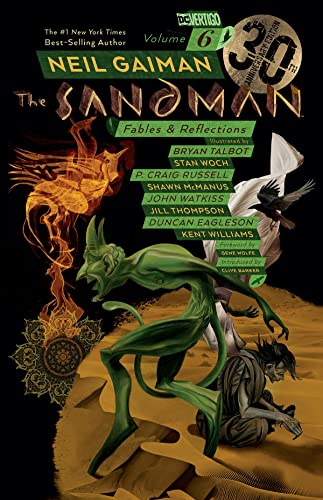
Start this bookNo. 18 on this list. The Sandman Vol. 6: Fables & Reflections · Neil Gaiman
The Sandman series appears on university literature and cultural studies syllabi as a defining example of the graphic novel form, though the medium remains underrepresented in traditional English department canons. Vol. 6 is rarely isolated from the series, but as part of one of the most-collected graphic novel sequences in print history it holds a firm place in any serious reading of the form. No syllabus data was available in the database.
Challenging1.5 hours
Start this bookNo. 19 on this list. Atonement · Ian McEwan · 2001
Taught in schools: AQA GCSE and A-level English Literature (UK), Pearson Edexcel GCSE and A-level English Literature (UK)
Atonement appears on 1,088 university syllabi (75.9th percentile) according to Open Syllabus data, placing it among the most-taught British novels of the past thirty years. It features on TIME's All-TIME 100 Novels list and in 1001 Books You Must Read Before You Die. Its Wikipedia article spans 8 languages. The novel is a near-universal fixture on British and American contemporary fiction syllabi and on courses treating postmodern narrative or wartime literature.
Moderate8.6 hours
Start this bookNo. 20 on this list. The Dressmaker · Beryl Bainbridge · 1973
Shortlisted for the 1973 Booker Prize and widely regarded as exemplary of Bainbridge's distinctive voice in postwar British fiction. While not achieving the absolute canonical status of genre-defining works, The Dressmaker is consistently included in discussions of late 20th-century British psychological fiction.
Moderate3.2 hours
Start this book
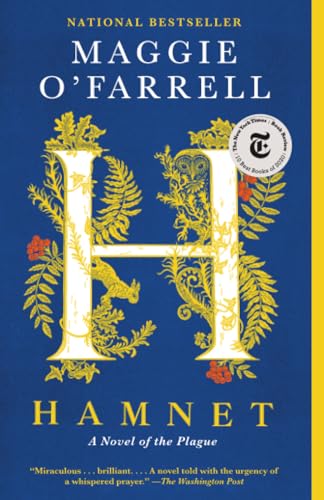
No. 21 on this list. Hamnet · Maggie O'Farrell · 2020
Taught in schools: Leaving Certificate English – NCCA / State Examinations Commission (Ireland)
In 1580s Stratford, Agnes Shakespeare senses that one of her children will die. When plague claims their eleven-year-old son Hamnet, her grief collides with her husband's absence and ambition. O'Farrell's Booker-winning novel imagines the family tragedy behind Shakespeare's great play.
Moderate7.1 hours
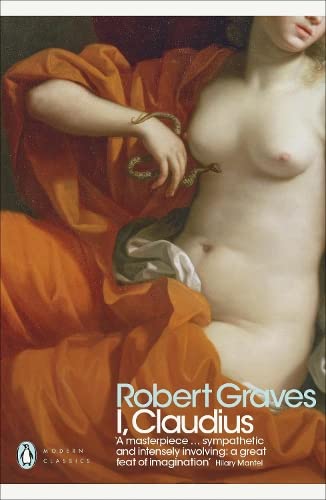
Start this bookNo. 22 on this list. I, Claudius · Robert Graves · 1934
I, Claudius holds a secure position as a classic of 20th-century historical fiction, widely taught in courses on the genre and regularly appearing on "best of" lists. While not typically included in high modernist canons alongside Woolf or Joyce, it occupies a parallel track as a brilliantly executed popular novel with literary merit. The BBC adaptation cemented its cultural prominence.
Moderate13 hours
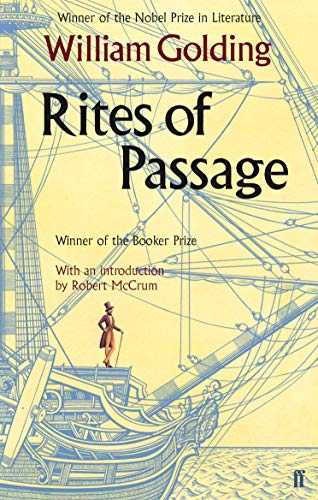
Start this bookNo. 23 on this list. Rites of Passage · William Golding · 1980
In "Rites of Passage", William Golding crafts a gripping narrative set aboard a ship bound for Australia in the early 18th century. The story centers around a young parson, who finds himself at the mercy of the crew's whims, chosen as a scapegoat for their frustrations and fears. As the voyage unfolds, the parson's experiences become a catalyst for a complex exploration of human nature, morality, and the darker aspects of social dynamics. Golding's writing is characterized by its nuanced, introspective tone, weaving together themes of isolation, power struggles, and the blurring of social hierarchies. The novel's atmosphere is tense and foreboding, mirroring the claustrophobic confines of the ship. Through the parson's journey, Golding probes the depths of human psychology, raising essential questions about the consequences of our actions and the true cost of survival. Readers of "Rites of Passage" can expect a thought-provoking, psychologically intense novel that demands attention and reflection. The book's themes and style are likely to appeal to fans of literary fiction, particularly those interested in character-driven narratives and philosophical explorations of the human condition. As the winner of the 1980 Booker Prize, "Rites of Passage" has been recognized for its literary significance, solidifying Golding's reputation as a masterful storyteller. With its haunting, introspective prose, this novel is sure to resonate with readers seeking a challenging, rewarding literary experience.
Challenging6.3 hours
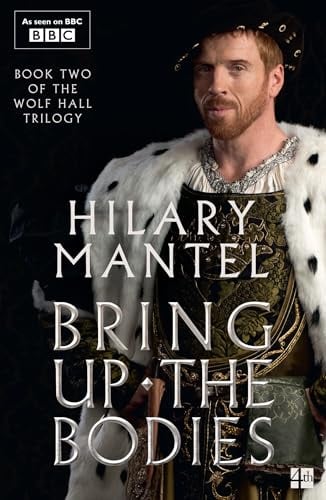
Start this bookNo. 24 on this list. Bring Up the Bodies · Hilary Mantel · 2012
The book appears on 117 university syllabi (Open Syllabus percentile 51.7%), placing it solidly in the upper tier of recently published literary fiction but well below canonical fixtures like Beloved or The Great Gatsby. Its Wikipedia article exists in 10 languages with dedicated reception and adaptations sections. Its canonical status is rising — the Wolf Hall trilogy is increasingly treated as a major work of 21st-century English fiction — but it has not yet achieved deep curricular penetration.
Challenging11 hours
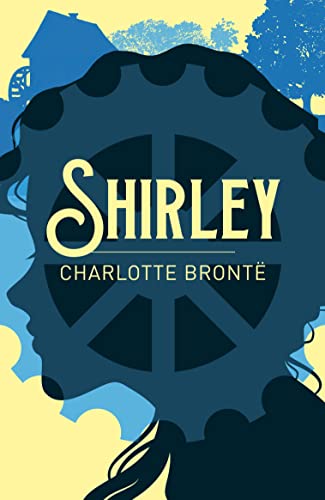
Start this bookNo. 25 on this list. Shirley · Charlotte Brontë · 1849
Shirley is a staple of Victorian literature syllabi and Brontë-focused courses, though it is far less universally assigned than Jane Eyre. It maintains steady presence in academic study of the industrial novel and women's fiction traditions, but falls well short of the 'essential reading' status of its predecessor.
Challenging16 hours
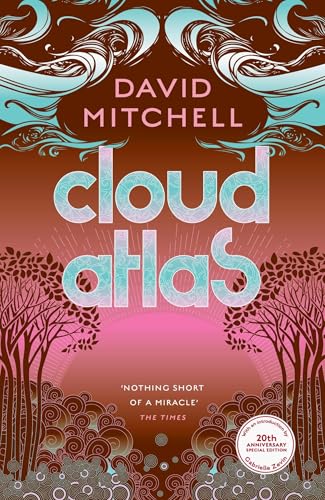
Read nowNo. 26 on this list. Cloud Atlas · David Mitchell · 2004
Cloud Atlas appears on 343 university syllabi according to the Open Syllabus Project (63rd percentile), placing it solidly in contemporary literary teaching but below canonical fixtures. It's regularly assigned in world literature, postmodern fiction, and postcolonial studies courses. The 2012 Wachowski/Tykwer film adaptation significantly expanded its cultural reach. It has not achieved the reflexive inclusion on syllabi that characterizes 95+ canonical texts—it's a taught book, not a foundational text.
Difficult19 hours
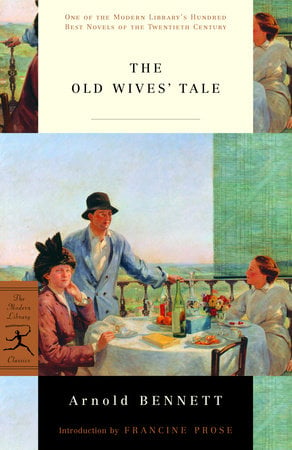
Start this bookNo. 27 on this list. The Old Wives' Tale · Arnold Bennett · 1908
Ranked 87th on the Modern Library 100 Best Novels and regularly taught in courses on Edwardian and realist fiction. It is the Bennett novel most likely to appear on syllabi.
Moderate14 hours
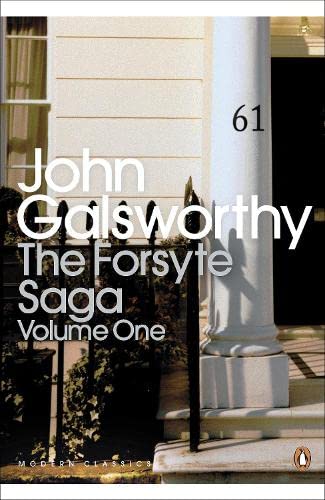
Read nowNo. 28 on this list. The Forsyte Saga · John Galsworthy · 1922
A Nobel-winning author's major novel, adapted widely for TV and often taught as an English social chronicle. Its place in curricula is real but below the great Victorians.
Moderate21 hours
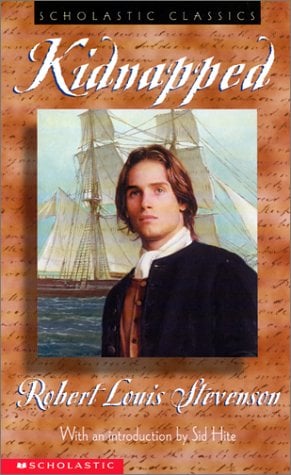
Read nowNo. 29 on this list. Kidnapped · Robert Louis Stevenson · 1886
Kidnapped is a staple of English-language school curricula globally, taught from secondary school through university-level survey courses on Victorian literature and the adventure novel. Available in over 60 Wikipedia language editions, it appears consistently on 'best adventure novels' and 'best Scottish literature' lists. Its canonical position is slightly higher than most Victorian adventure fiction due to Stevenson's elevated critical reputation.
Challenging6.3 hours
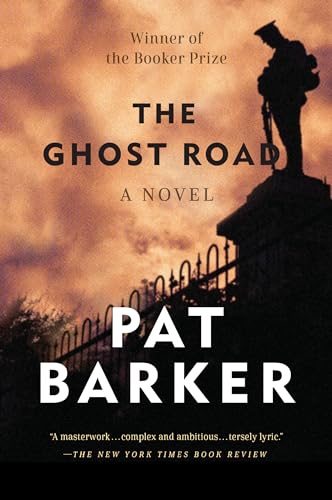
Start this bookNo. 30 on this list. The Ghost Road · Pat Barker · 1995
Appears on 60 university syllabi (44th percentile in the Open Syllabus Project), placing it in the mid-range of taught texts — present in British literature and WWI courses but not ubiquitously assigned. Its Wikipedia article exists in only 4 languages and runs to 4,328 characters, indicating limited global reach compared to more canonical war texts.
Difficult7.7 hours
Start this book
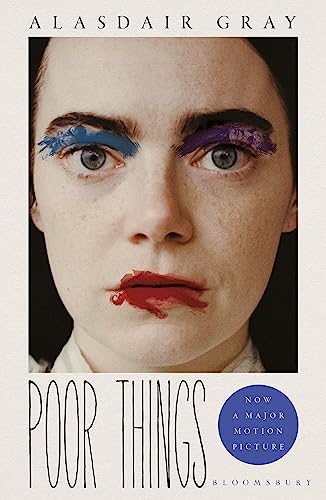
No. 31 on this list. Poor Things
Alasdair Gray · 1992
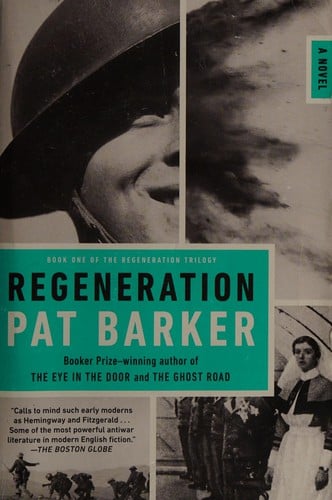
No. 32 on this list. Regeneration
Pat Barker · 1991
Taught in schools: AQA GCSE and A-level English Literature (UK)
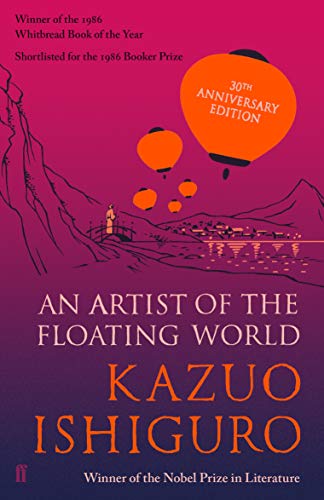
No. 33 on this list. An Artist of the Floating World
Kazuo Ishiguro · 1986
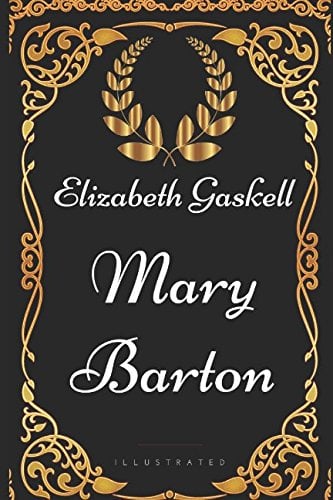
No. 34 on this list. Mary Barton
Elizabeth Gaskell · 1848
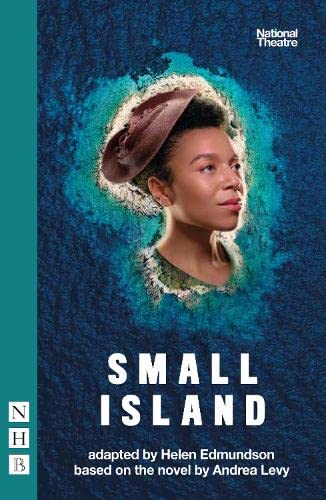
No. 35 on this list. Small Island
Andrea Levy · 2005
Taught in schools: AQA GCSE and A-level English Literature (UK)
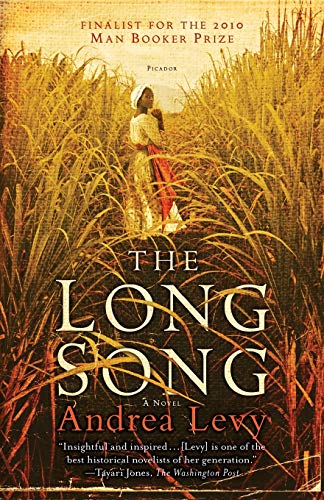
No. 36 on this list. The Long Song
Andrea Levy · 2010
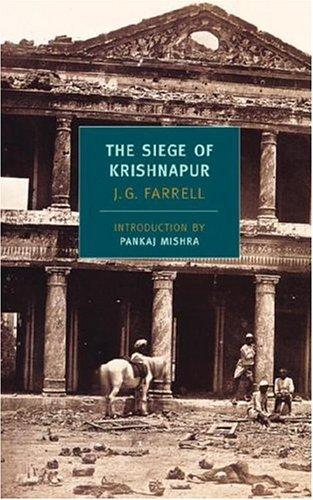
No. 37 on this list. The Siege of Krishnapur
J.G. Farrell · 1973
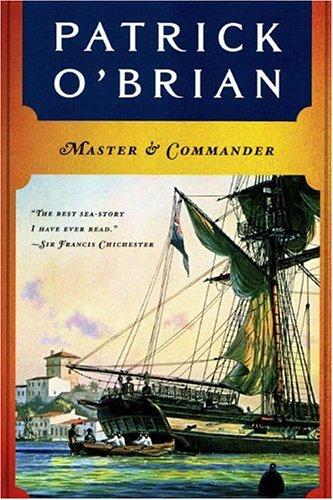
No. 38 on this list. Master and Commander
Patrick O'Brian · 1969
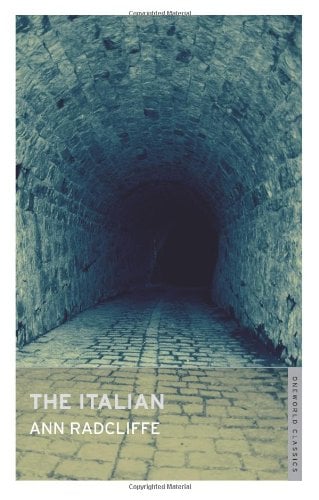
No. 39 on this list. The Italian
Ann Radcliffe · 1796
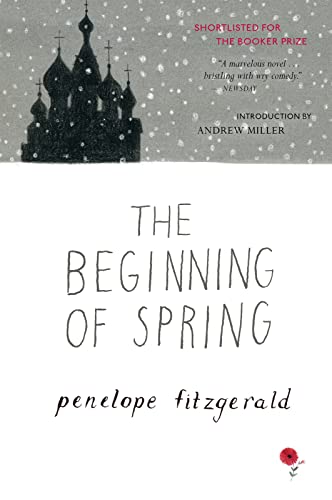
No. 40 on this list. The Beginning of Spring
Penelope Fitzgerald · 1988
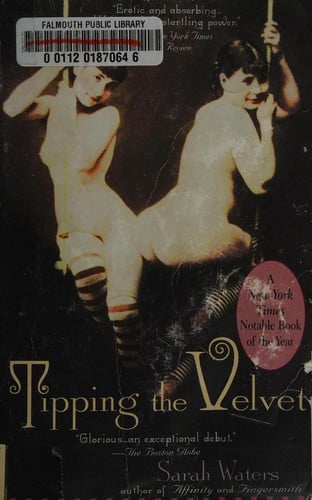
No. 41 on this list. Tipping the Velvet
Sarah Waters · 1998
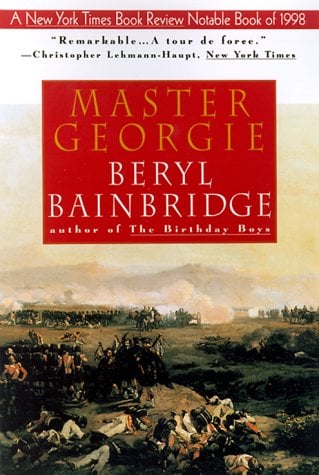
No. 42 on this list. Master Georgie
Beryl Bainbridge · 1998
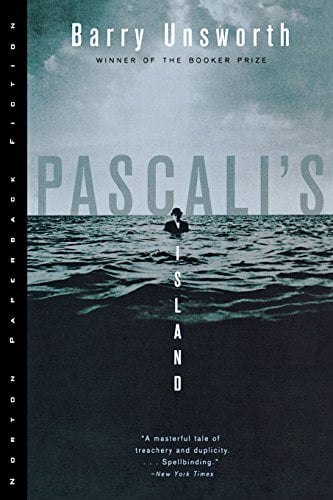
No. 43 on this list. Pascali's Island
Barry Unsworth · 1980
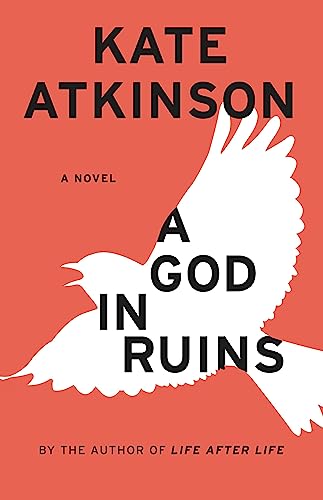
No. 44 on this list. A God in Ruins
Kate Atkinson · 2015
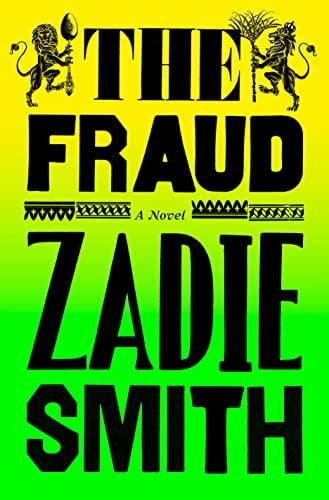
No. 45 on this list. The Fraud
Zadie Smith · 2023
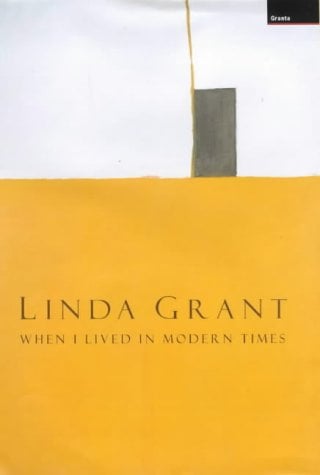
No. 46 on this list. When I Lived in Modern Times
Linda Grant · 2000
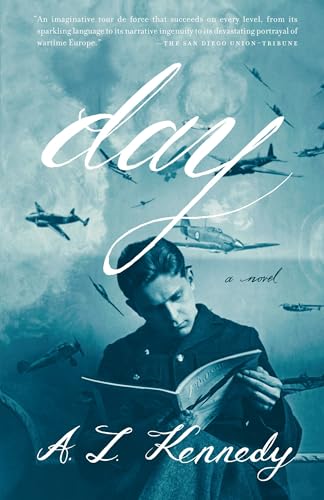
No. 47 on this list. Day
A.L. Kennedy · 2007
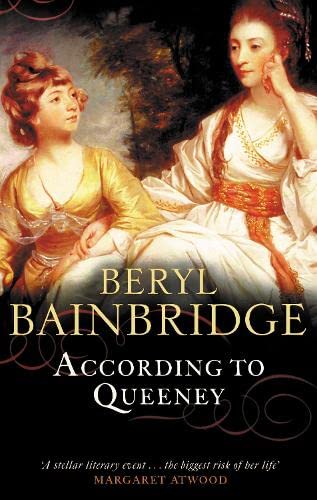
No. 48 on this list. According to Queeney
Beryl Bainbridge · 2001
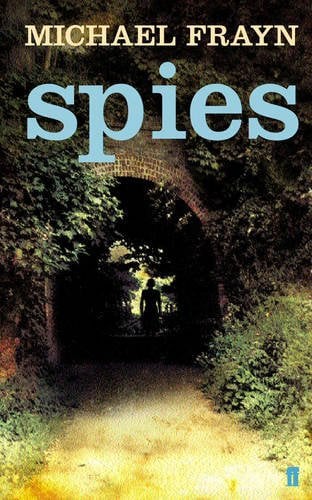
No. 49 on this list. Spies
Michael Frayn · 2002
Taught in schools: AQA GCSE and A-level English Literature (UK)
No. 50 on this list. Barnaby Rudge
Charles Dickens · 1841
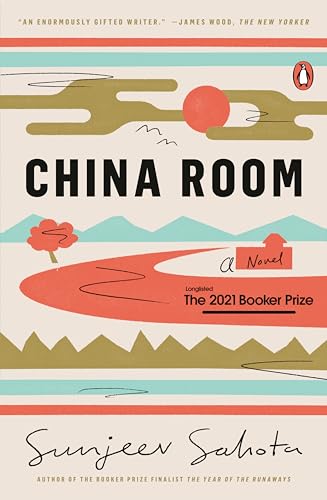
No. 51 on this list. China Room
Sunjeev Sahota · 2021
No. 52 on this list. Romola
George Eliot · 1863
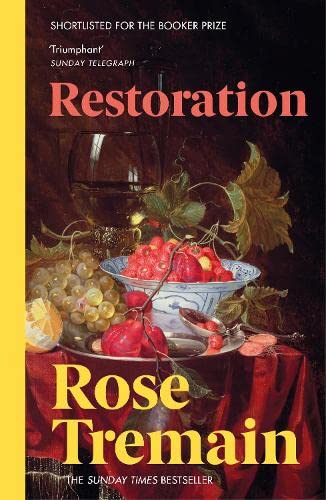
No. 53 on this list. Restoration
Rose Tremain · 1989
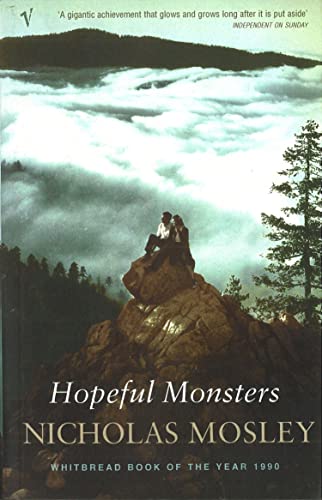
No. 54 on this list. Hopeful Monsters
Nicholas Mosley · 1990
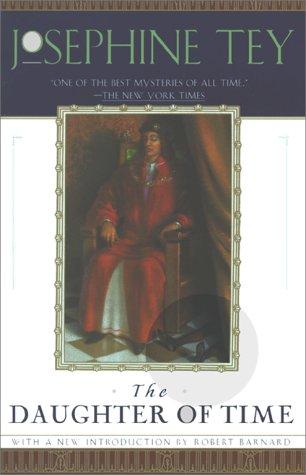
No. 55 on this list. The Daughter of Time
Josephine Tey · 1951
No. 56 on this list. Crossing the River
Caryl Phillips · 1993
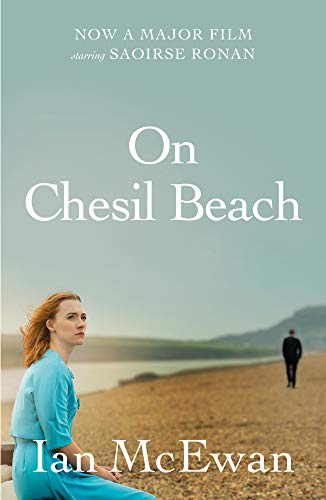
No. 57 on this list. On Chesil Beach
Ian McEwan · 2007
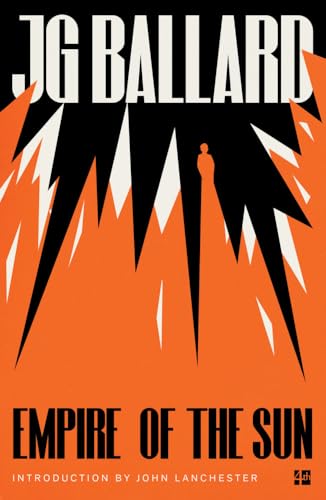
No. 58 on this list. Empire of the Sun
J.G. Ballard · 1984
Taught in schools: CSEC English B – Caribbean Examinations Council
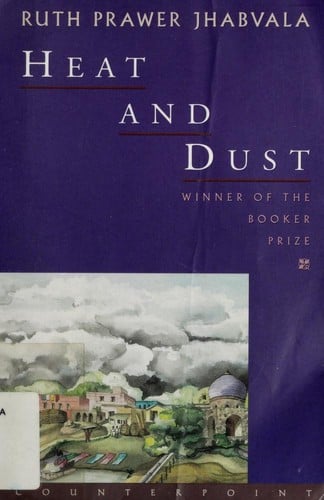
No. 59 on this list. Heat and Dust
Ruth Prawer Jhabvala · 1975
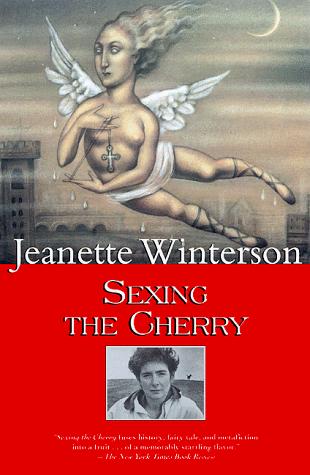
No. 60 on this list. Sexing the Cherry
Jeanette Winterson · 1998
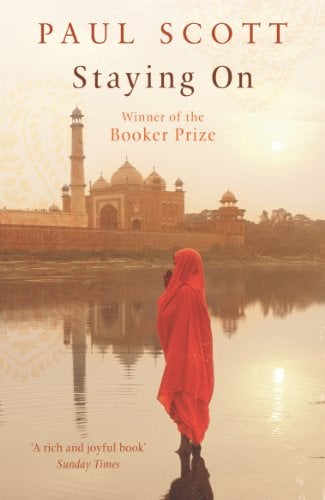
No. 61 on this list. Staying On
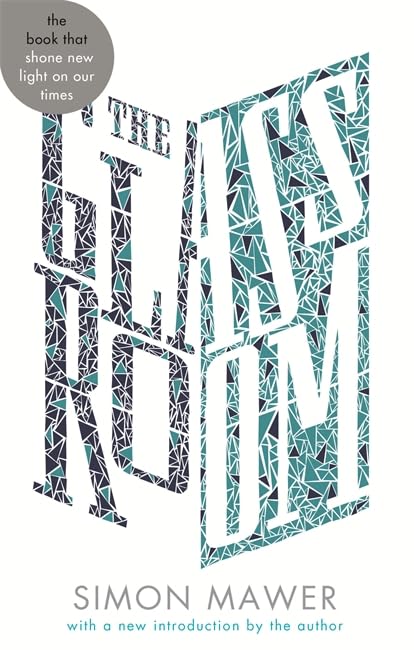
No. 62 on this list. The Glass Room
Simon Mawer · 2009
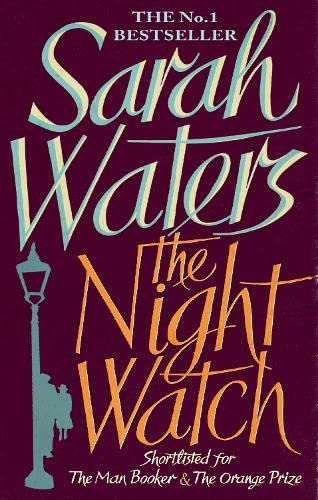
No. 63 on this list. The Night Watch
Sarah Waters · 2006
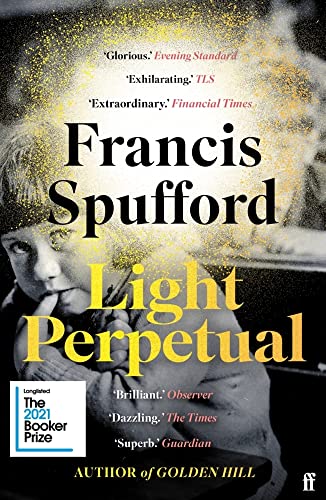
No. 64 on this list. Light Perpetual
Francis Spufford · 2021
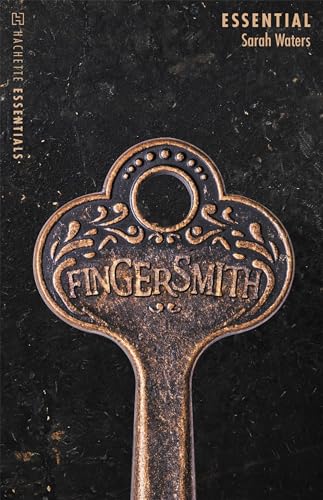
No. 65 on this list. Fingersmith
Sarah Waters · 2002
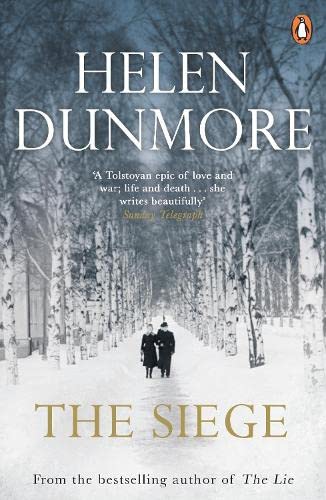
No. 66 on this list. The Siege
Helen Dunmore · 2002
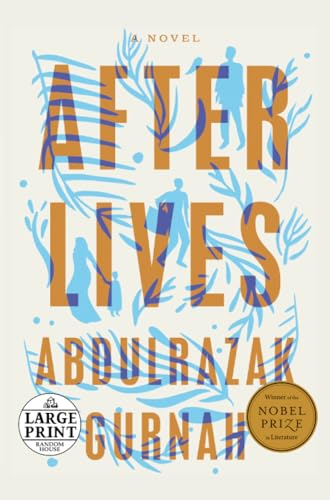
No. 67 on this list. Afterlives
Abdulrazak Gurnah · 2020
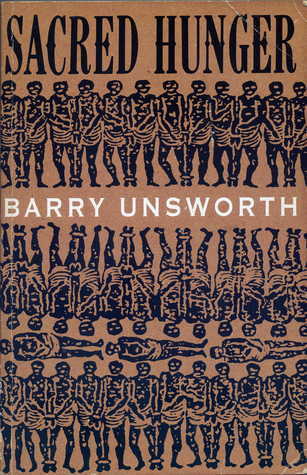
No. 68 on this list. Sacred Hunger
Barry Unsworth · 1992
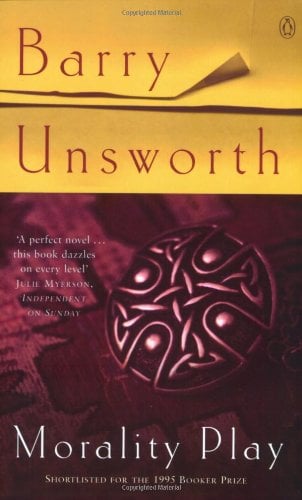
No. 69 on this list. Morality Play
Barry Unsworth · 1995
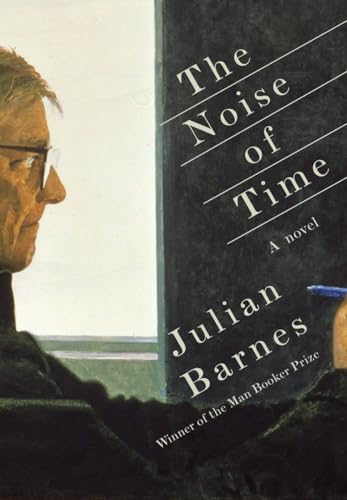
No. 70 on this list. The Noise of Time
Julian Barnes · 2016
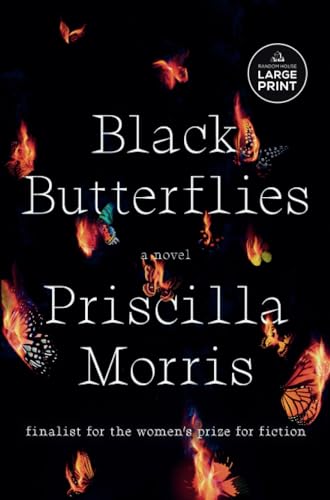
No. 71 on this list. Black Butterflies
Priscilla Morris · 2023
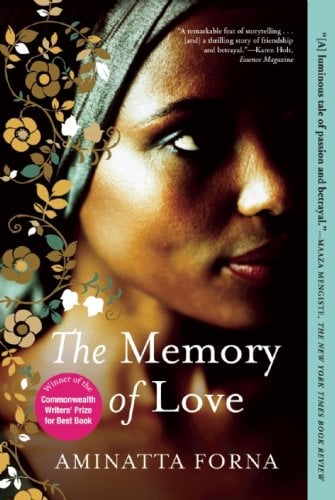
No. 72 on this list. The Memory of Love
Aminatta Forna · 2011
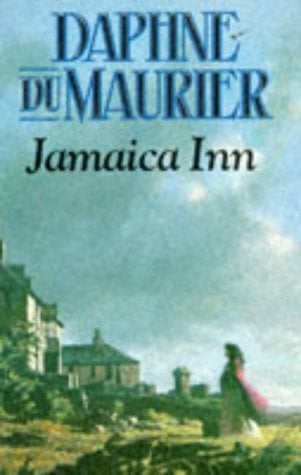
No. 73 on this list. Jamaica Inn
Daphne du Maurier · 1936
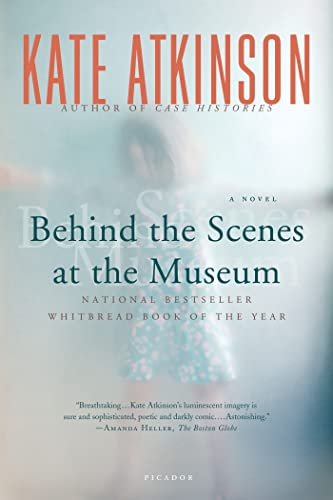
No. 74 on this list. Behind the Scenes at the Museum
Kate Atkinson · 1995
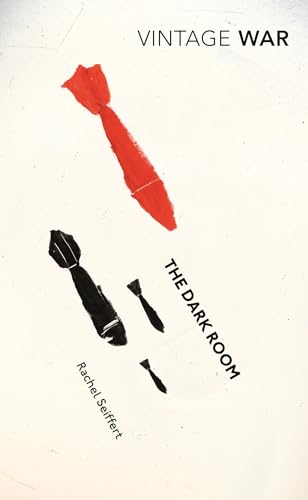
No. 75 on this list. The Dark Room
Rachel Seiffert · 2001
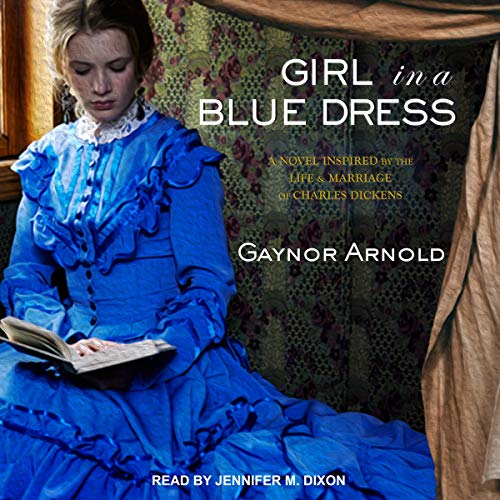
No. 76 on this list. Girl in a Blue Dress
Gaynor Arnold · 2008
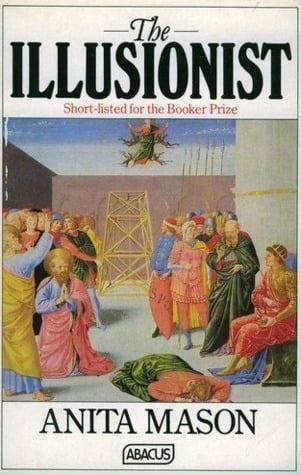
No. 77 on this list. The Illusionist
Anita Mason · 1983
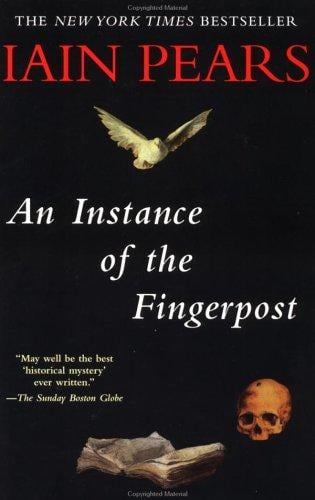
No. 78 on this list. An Instance of the Fingerpost
Iain Pears · 1997
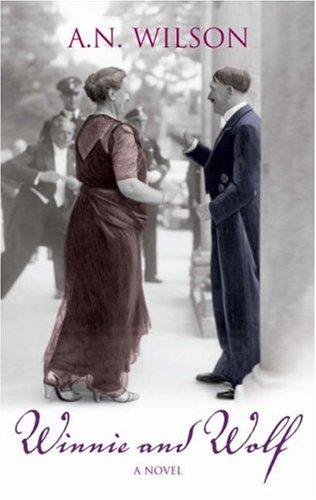
No. 79 on this list. Winnie & Wolf
A.N. Wilson · 2007
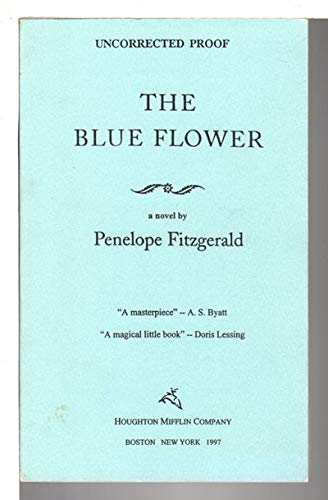
No. 80 on this list. The Blue Flower
Penelope Fitzgerald · 1998
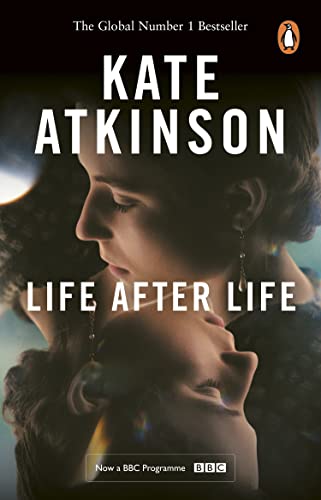
No. 81 on this list. Life After Life
Kate Atkinson · 2013
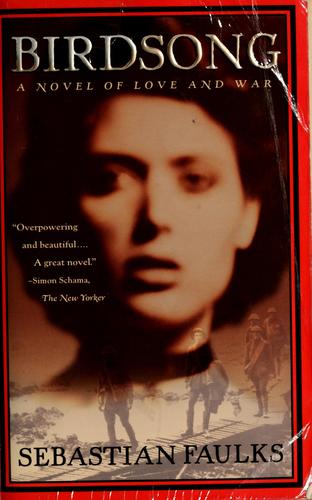
No. 82 on this list. Birdsong
Sebastian Faulks · 1997
Taught in schools: AQA GCSE and A-level English Literature (UK)
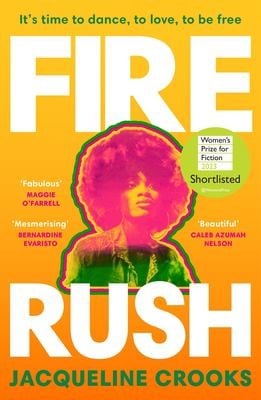
No. 83 on this list. Fire Rush
Jacqueline Crooks · 2023
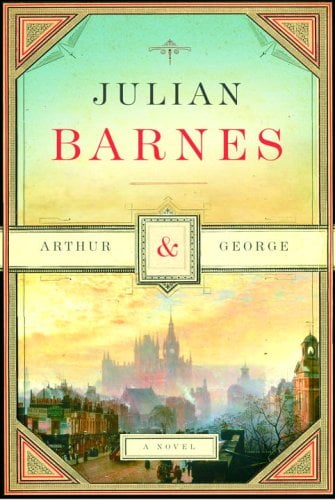
No. 84 on this list. Arthur & George
Julian Barnes · 2005
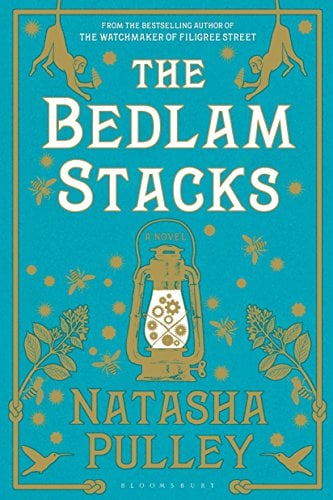
No. 85 on this list. The Bedlam Stacks
Natasha Pulley · 2017
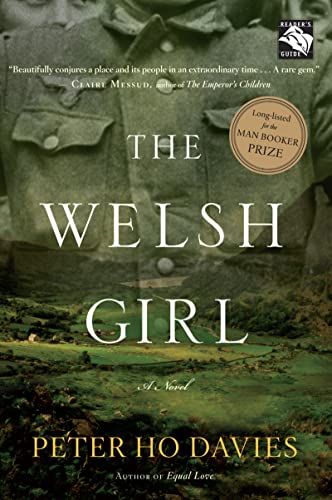
No. 86 on this list. The Welsh Girl
Peter Ho Davies · 2007
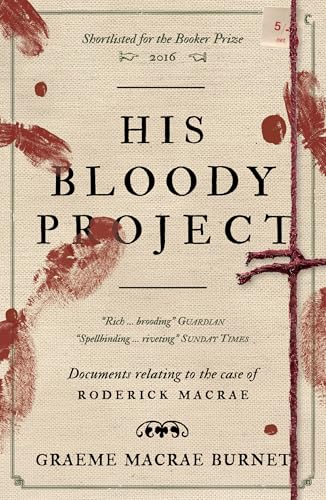
No. 87 on this list. His Bloody Project
Graeme Macrae Burnet · 2016
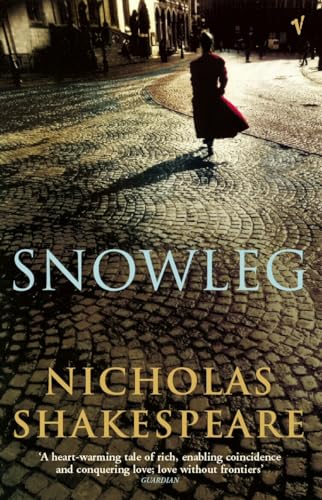
No. 88 on this list. Snowleg
Nicholas Shakespeare · 2004
No. 89 on this list. Rhine Journey
Ann Schlee · 1981
No. 90 on this list. Captain Corelli's Mandolin
Louis de Bernières · 1998
No. 91 on this list. The Children's Book
A.S. Byatt · 2009
No. 92 on this list. Gathering the Water
Robert Edric · 2006
No. 93 on this list. Eye of the Needle
Ken Follett · 1978
No. 94 on this list. English Passengers
Matthew Kneale · 2000
No. 95 on this list. A Morbid Taste for Bones
Ellis Peters · 1977
No. 96 on this list. The Trumpet-Major
No. 97 on this list. The Far Pavilions
M.M. Kaye · 1978
No. 98 on this list. The Dynasts
Thomas Hardy · 1908
No. 99 on this list. Music & Silence
Rose Tremain · 1999
No. 100 on this list. Quarantine
Jim Crace · 1997
About this list
These 100 books are the highest-scoring eligible historical novels from Britain currently in the catalogue. By literary regard, it opens with Pride and Prejudice, Henry V and Richard III. About 935 hours of reading in all. Difficulty runs from 50 to 60 out of 100 for the middle half of the list; the summit is Vanity Fair at 77.
This list is ranked by literary regard, with a consistent order for equal scores. Membership follows authors and co-authors, not translators or editors. Catalogue coverage and the historical canon both limit what this list can represent, and genre labels are the catalogue’s own, gathered into broader kinds.
When we matched the Canons dataset to our catalogue in October 2026, our canonical-status scores rose with the number of school curricula, publisher series and lists in it that cite a work: the median score was 72 for books one such source cites, 84 at two, 88 at three, 92 at four and 93 at five or more. Prizes are left out of that count. Outside the state curricula, the dataset’s sources choose mostly from what has been translated into English or French, so it is a weaker check on other literatures. Source: Canons (Andrew Piper), CC BY 4.0
Questions people actually ask
- What are the best historical novels from Britain?
- By literary regard, which weighs canonical status, critical standing and influence, Pride and Prejudice, Henry V, Richard III, Middlemarch and Orlando lead. ReadingRate ranks 100 such books, each with a difficulty score and a reading-time estimate.
- Where should I start with historical novels from Britain?
- Start from difficulty, not from rank. The most approachable books on this list that still carry top literary regard are Ivanhoe by Walter Scott (about 11 hours), Orlando by Virginia Woolf and A Tale of Two Cities by Charles Dickens.
- How hard are historical novels from Britain to read?
- Most of this list sits between 50 and 60 on ReadingRate's 100-point difficulty scale, where 40 to 55 is moderate. The summit is Vanity Fair at 77. Every entry carries its own score, so a reader can pick a great book at a difficulty they will finish.
- How is this list ranked?
- On literary-regard data: how canonically established a work is, its critical standing, and its influence on later writing. It is not a readers’ poll, which is why recent bestsellers rarely appear. Membership follows authors and co-authors, not translators or editors. A list that is not a genre list keeps to literature (fiction, poetry, drama and philosophy), with philosophy taking no more than one slot in five while there is literature left to rank; every list holds at most three works by one author.