Hours at an average pace
Showing 100 books
About 647 hours for 100 of 100 books with measured lengths. Estimates use 250 words a minute, adjusted for each book's difficulty. At 2 hours a day, about 324 days for those books.
One of the most important collections in postwar American poetry. 'Skunk Hour' alone secures its place in the canon.
No. 2 on this list. The Birds
Aristophanes · c. 414 BCE
Moderate1.3 hours
Included in: Great Books of the Western World
The Birds is universally recognized as one of Aristophanes' finest comedies and a canonical text of ancient Greek literature, appearing on syllabi for classical literature, comparative literature, and Western civilization courses globally. Slightly less commonly assigned as an entry point than Lysistrata or The Clouds, it is nonetheless required reading in classics programs. The absence of database records reflects a data gap, not genuine obscurity.
No. 3 on this list. Of Mice and Men
John Steinbeck · 1937
Easy1.7 hours
Taught in schools: Pacific Senior Secondary Certificate – English, Turkish edebiyat curriculum (Turkey)
One of the most taught works in American secondary and post-secondary education, with 548 syllabus appearances placing it in the top tier of assigned literature. Included in Library of America, Penguin Classics, Everyman's Library, and Penguin Modern Classics. Appears on the BBC Big Read Top 100 and 1001 Books You Must Read Before You Die. Its status as core American literary reading is unquestioned.
No. 4 on this list. The Miser
Molière · 1668
Moderate1.4 hours
Taught in schools: Lektury obowiązkowe – Polish national reading list (Poland), UNAM Escuela Nacional Preparatoria – programas de Literatura (Mexico)
Included in: Great Books of the Western World
The Miser is a staple of French literature and world theater curricula across universities globally, ranking among the most performed and studied comedies of the Western canon. While no syllabus count is in the database, it appears consistently on comparative literature, French studies, and drama course lists. Its presence in world literature anthologies across dozens of languages reflects its canonical standing.
No. 5 on this list. A Christmas Carol
Charles Dickens · 1843
Easy1.7 hours
Taught in schools: AQA GCSE and A-level English Literature (UK), CSEC English B – Caribbean Examinations Council, OCR GCSE and A-level English Literature (UK)
A Christmas Carol is among the most widely taught Victorian texts in the English-speaking world, a fixture on secondary and university literature curricula in the UK, US, and Commonwealth nations. Its Wikipedia article exists in over 60 languages, and it appears on virtually every canonical list of Victorian prose. No other work of comparable length has achieved the same degree of curricular permanence.
Pamela Andrews is fifteen years old and in service when her mistress dies and the mistress's son, Mr. B, begins a campaign to seduce her. She refuses. He escalates — intercepting her letters, relocating her to a remote estate, locking her in — and she keeps writing, to her parents and in a secret journal she hides in her clothing. What makes the novel strange is that we only have Pamela's account: earnest, relentlessly self-observing, written in the knowledge that Mr. B may one day read every word she has set down. Published in 1740, Pamela invented something — not just the epistolary novel, but the novel's peculiar project of making a single consciousness the center of a world. Richardson called his method 'writing to the moment': the heroine records events as they happen, before she knows how they will turn out. Readers have been arguing about Pamela's sincerity ever since. Henry Fielding published Shamela the following year, certain the whole performance was calculation dressed as virtue. That argument — is Pamela genuinely good, or is goodness here just the strategy that worked? — has never been settled. The novel is slow by design: captivity is repetitive, and Richardson wants you to feel it. But the compression of one young woman's inner life, the surveillance she endures and returns in kind, and the original sin of a marriage that rewards persistence over refusal make Pamela one of the most uncomfortable triumphs in English fiction.
Universally recognized as the masterpiece of Spanish realism and one of the great European novels of the nineteenth century.
The undisputed masterpiece of twentieth-century Catalan literature. Widely translated and recognized as one of the great European novels of the postwar period.
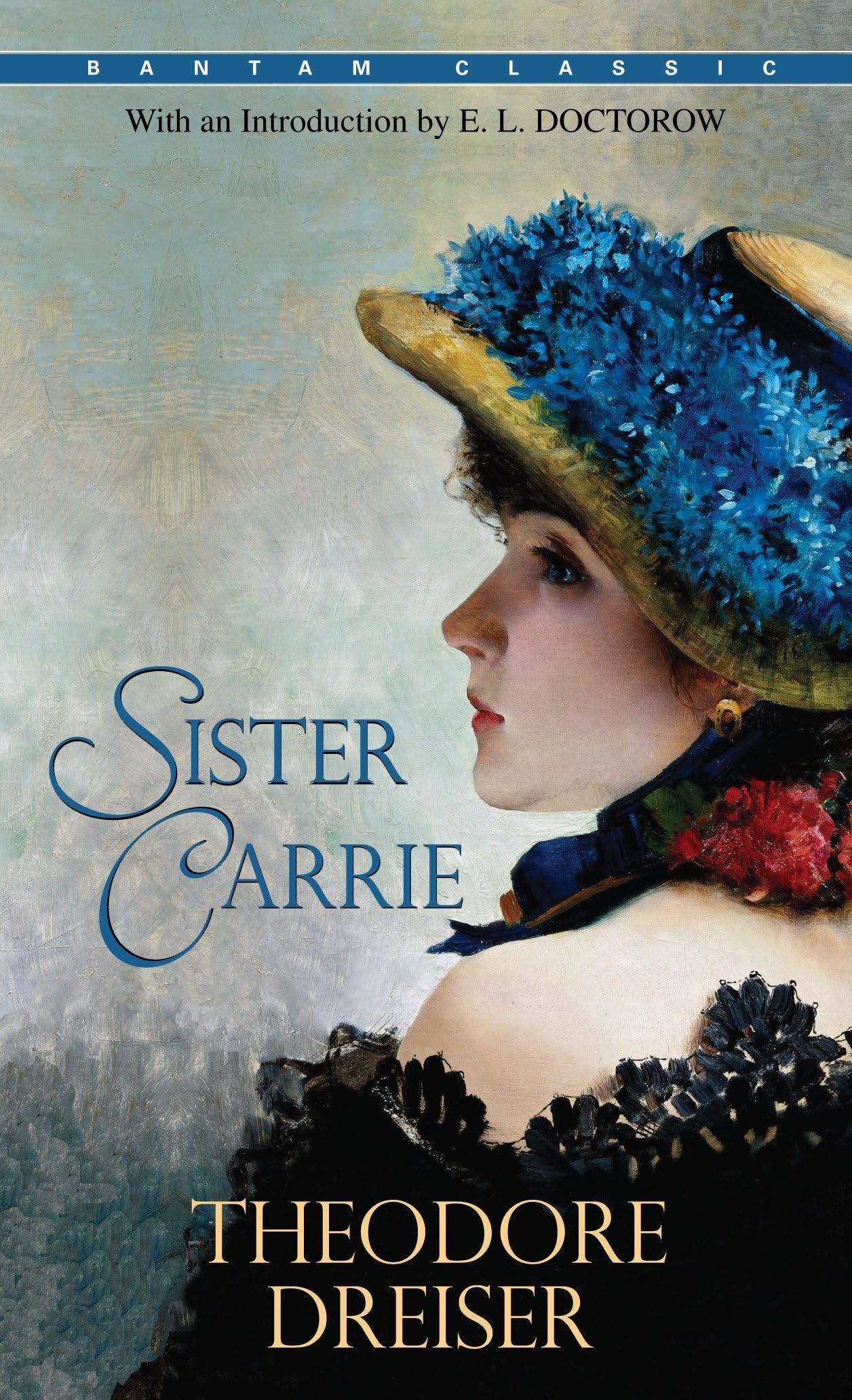
Appears on 1,040 university syllabi and sits on the Modern Library 100 Best Novels list. It is a standard text for American naturalism and the Gilded Age city.
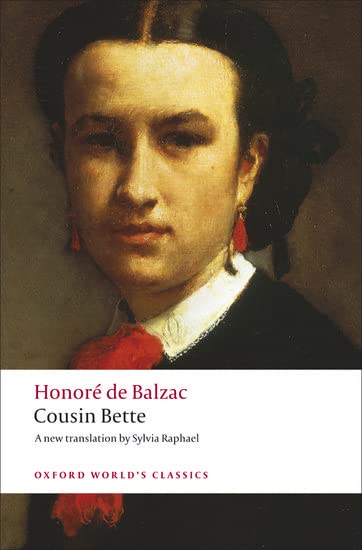
No. 10 on this list. Cousin Bette
Honoré de Balzac · 1846
Easy10 hours
Included in: Great Books of the Western World
Cousin Bette is central to the Balzac canon and widely taught in French university courses across Europe; it appears on numerous syllabi as his finest late novel and as a cornerstone of European realism. Its Anglophone classroom presence is smaller than in France, but it features in world literature survey courses and Victorian-comparative programs.
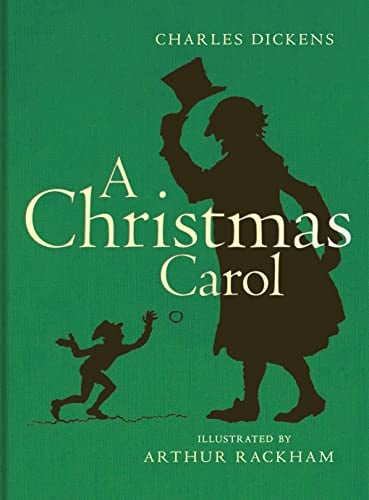
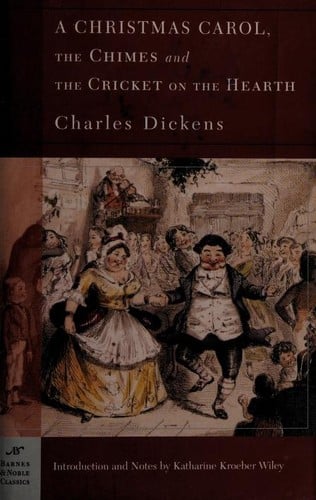
No. 11 on this list. A Christmas Carol / The Chimes / The Cricket on the Hearth · Charles Dickens
A Christmas Carol is a staple of school reading and holiday tradition, and its retellings are everywhere. The companion tales are less taught, which pulls the collection below the major-canon fixtures.
Easy4.7 hours
Start this bookNo. 12 on this list. Sizwe Bansi Is Dead · Athol Fugard · 1972
One of the most important plays in South African theatrical history and a central work of anti-apartheid literature. Widely performed and taught internationally.
Easy1.1 hours
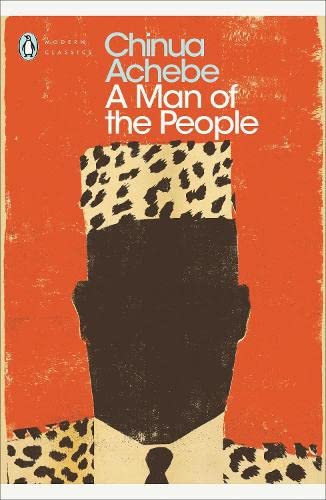
Start this bookNo. 13 on this list. A Man of the People · Chinua Achebe · 1966
Taught in schools: Pacific Senior Secondary Certificate – English
Included in: Heinemann African Writers Series
"A Man of the People" appears regularly on university syllabi in African literature, postcolonial studies, and world literature courses, though it occupies a secondary position relative to Achebe's "Things Fall Apart," which is among the most taught novels globally. The book's prophetic publication date—released the same day as Nigeria's first military coup—secured it a place in literary history beyond its syllabus presence. It is standard reading in courses on African political fiction and postcolonial satire.
Easy3 hours
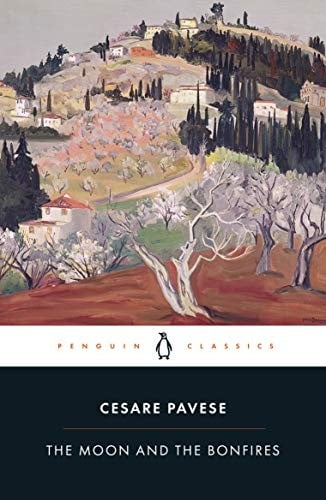
Start this bookNo. 14 on this list. The Moon and the Bonfires · Cesare Pavese · 1950
Pavese's acknowledged masterpiece and one of the essential Italian novels of the postwar period. Widely translated and taught.
Easy3 hours
Start this bookNo. 15 on this list. The City and the Dogs · Mario Vargas Llosa · 1963
Recognized as one of the founding novels of the Latin American boom and a landmark of Peruvian literature.
Moderate7.7 hours
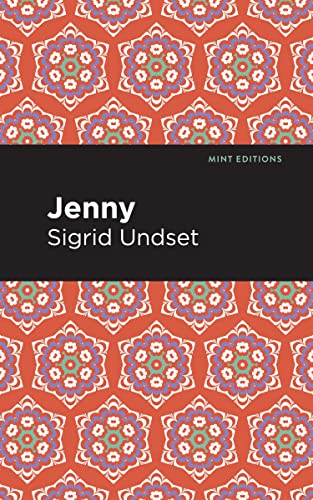
Start this bookNo. 16 on this list. Jenny · Sigrid Undset · 1911
Jenny holds significant status in Scandinavian literary history as an early psychological realist novel examining female artistic ambition and sexuality with unprecedented frankness. Its 1911 publication sparked controversy and established Undset as a major voice before her Nobel-winning Kristin Lavransdatter trilogy. While less universally canonical than her medieval epics, Jenny remains essential for understanding early 20th-century Nordic modernism and appears regularly in Norwegian literary curricula and scholarship on women's writing.
Easy5.3 hours
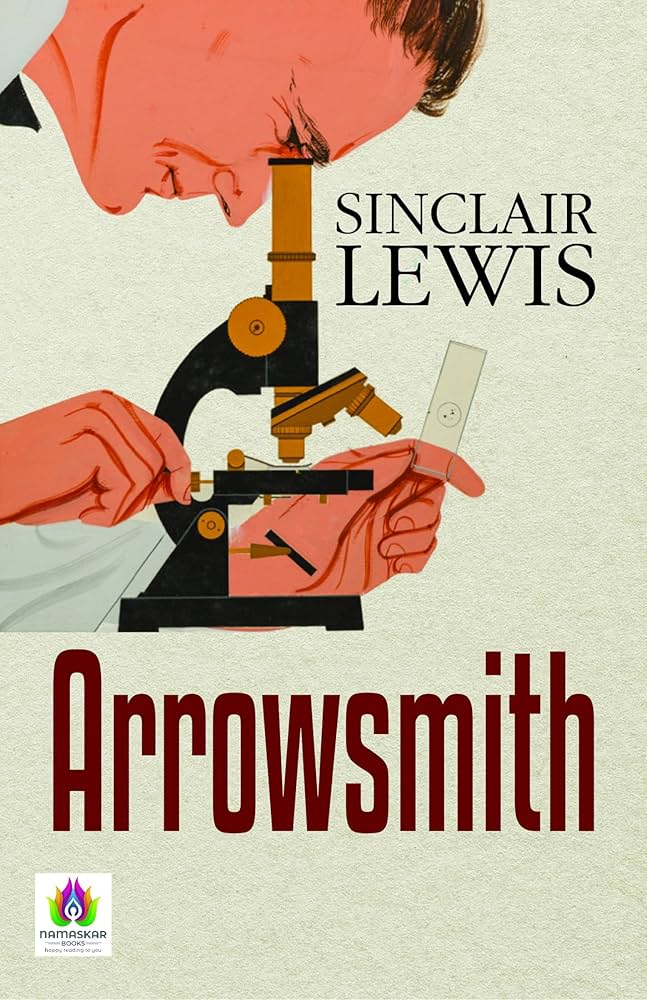
Read nowNo. 17 on this list. Arrowsmith · Sinclair Lewis · 1925
Martin Arrowsmith, an idealistic young doctor, struggles to maintain his scientific integrity as he moves from small-town practice to research laboratories to public health work. At every turn, commercialism, politics, and human weakness threaten to corrupt his quest for truth. Lewis's novel about the conflict between pure science and institutional pressure won the Pulitzer Prize (which he famously declined).
Moderate11 hours
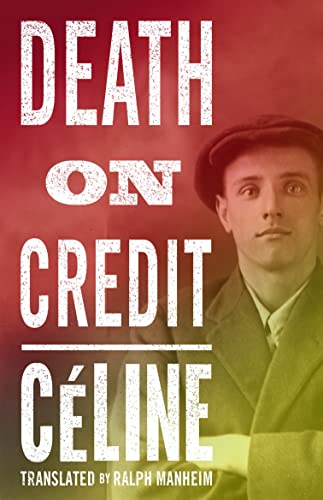
Read nowNo. 18 on this list. Death on the Installment Plan · Louis-Ferdinand Céline · 1936
Considered one of the great French novels of the twentieth century, though less widely read than Journey to the End of the Night. Central to studies of literary modernism.
Moderate11 hours
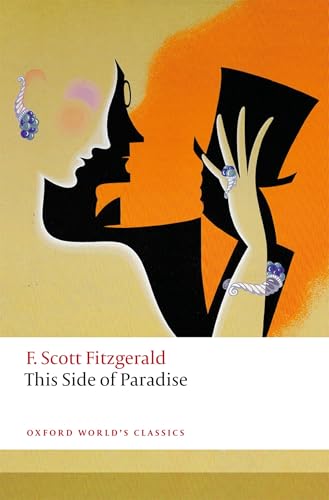
Start this bookNo. 19 on this list. This Side of Paradise · F. Scott Fitzgerald · 1920
Taught in American literature surveys and Fitzgerald-specific courses, but far less frequently than The Great Gatsby, which dominates both high school and university syllabi. This Side of Paradise appears primarily in courses on modernism, the 1920s, or the American bildungsroman. It holds a secure but secondary position in the Fitzgerald canon — the book that made him famous rather than the book that made him permanent.
Easy4.6 hours
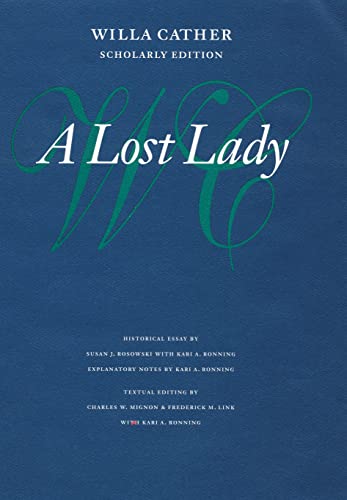
Read nowNo. 20 on this list. A Lost Lady · Willa Cather · 1923
Included in: Great Books of the Western World
One of Cather's most celebrated novels, widely anthologized and taught. F. Scott Fitzgerald admired it greatly.
Easy2.2 hours
Start this book
No. 21 on this list. The Way We Live Now · Anthony Trollope · 1875
Widely taught in Victorian literature courses at universities worldwide and consistently included in lists of the greatest 19th-century English novels. Routinely called Trollope's masterpiece and the finest Victorian satire of money and society. While no formal database entry is available here, the novel's presence on undergraduate syllabi is extensive, placing it solidly in the upper tier of Victorian canonical texts, though below the very highest (Dickens, George Eliot, Hardy).
Moderate23 hours
Start this bookNo. 22 on this list. The Land at the End of the World · Antonio Lobo Antunes · 1979
A Portuguese military doctor sits in a Lisbon bar late at night, talking at a woman who says nothing. For the next two hundred pages he doesn't stop. What pours out is the twenty-seven months he spent as an army psychiatrist in Angola during Portugal's colonial war — the bodies, the malaria, the boredom, the complicity — braided with memories of a Lisbon childhood lived in the shadow of Salazar's dictatorship and the bourgeois Catholic family that produced him. The zoo near his parents' apartment returns again and again: the animals behind wire, the very upright black roller-skating instructor tracing his slow ellipses, the solitude of the giraffe. The zoo is not a metaphor he explains. It is simply there, and the reader assembles what it means. Antunes writes in a single sustained torrent — no chapters, no scene breaks, no mercy. The syntax piles subordinate clause on subordinate clause until a sentence has carried you from a specific smell in Angolan scrub to a childhood memory of an aunt's apartment to a direct address back to the silent woman and her motionless hands. The narrator presents himself as tender, self-aware, a victim. The text contradicts him at every turn. He watched things happen that he did not stop. Originally published in 1979 as Os Cus de Judas — a title the English publisher softened — this is the novel that announced Antunes as the defining voice of post-colonial Portuguese literature. It reads like Faulkner set in the ruins of empire, with the guilt turned inward until it can't be contained.
Moderate4 hours
Start this bookNo. 23 on this list. Dear Life · Alice Munro · 2012
Munro's final collection, published the year before her Nobel Prize. Regarded as a fitting capstone to one of the great careers in short fiction.
Easy4.6 hours
Start this bookNo. 24 on this list. Manon Lescaut · Abbé Prévost · 1731
Taught in schools: Programme de français, lycée général et technologique (France)
A cornerstone of the French novel and one of the great love stories of European literature. Widely read and studied.
Easy2.9 hours
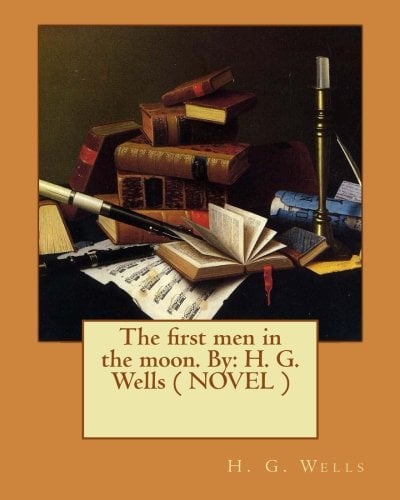
Start this bookNo. 25 on this list. The First Men in the Moon · H.G. Wells · 1901
The First Men in the Moon appears regularly on science fiction studies syllabi and is standard reading in courses on Victorian literature and early genre fiction. It lacks the crossover canonical presence of Wells's The Time Machine or The War of the Worlds, but is consistently included in histories of science fiction and Edwardian literature.
Moderate4.2 hours
Start this bookNo. 26 on this list. Adam Bede · George Eliot · 1859
Adam Bede appears regularly on Victorian literature and 19th-century British fiction syllabi at universities worldwide, and is the standard entry point to George Eliot's work in courses that cannot assign the longer Middlemarch. It is included in most survey courses of the Victorian novel. Its canonical status within the Eliot corpus is secondary only to Middlemarch and The Mill on the Floss, but within the broader Victorian canon it holds a secure if not dominant position — consistently anthologized, consistently in print, and consistently cited as a foundational work of Victorian realism.
Moderate13 hours
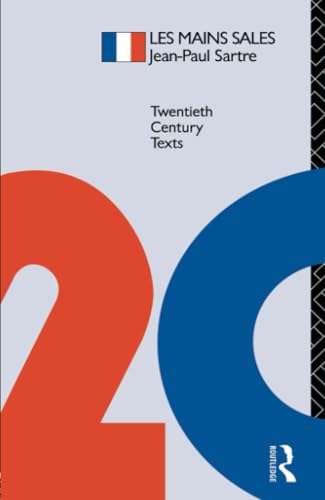
Read nowNo. 27 on this list. Dirty Hands · Jean-Paul Sartre · 1948
One of the most performed French plays of the twentieth century and a staple of political theater. Widely taught in philosophy and literature courses.
Easy2.4 hours
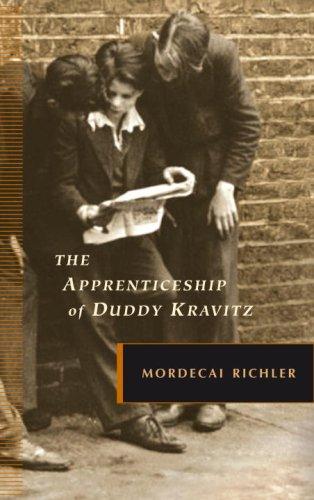
Start this bookNo. 28 on this list. The Apprenticeship of Duddy Kravitz · Mordecai Richler · 1959
One of the defining Canadian novels, central to the canon of both Canadian and Jewish-American-adjacent literature. Required reading in Canadian schools and universities.
Easy4.7 hours
Start this bookNo. 29 on this list. Master and Man · Leo Tolstoy · 1895
Frequently anthologized and taught as one of Tolstoy's finest short works. Its concentrated power and accessible length keep it in regular circulation.
Easy51 min
Read nowNo. 30 on this list. The House of the Seven Gables · Nathaniel Hawthorne · 1851
A major work of the American Renaissance, widely taught alongside The Scarlet Letter though less frequently read outside academic settings.
Moderate6.5 hours
Start this book
No. 31 on this list. The Golovlyov Family
Mikhail Saltykov-Shchedrin · 1880
No. 32 on this list. An American Tragedy
Theodore Dreiser · 1925
No. 33 on this list. The Jungle
Upton Sinclair · 1906
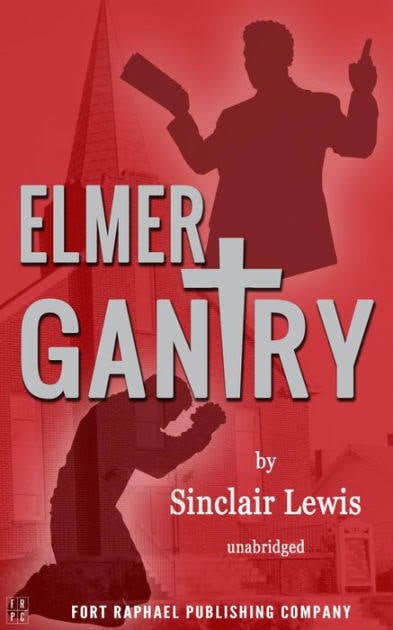
No. 34 on this list. Elmer Gantry
Sinclair Lewis · 1927
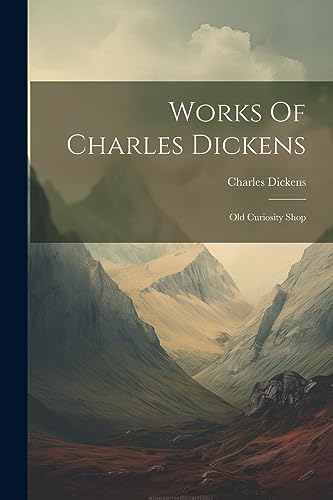
No. 35 on this list. The Old Curiosity Shop
Charles Dickens · 1841
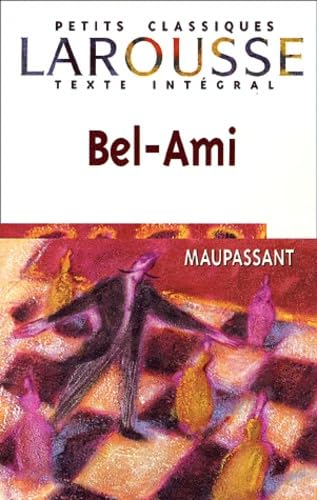
No. 36 on this list. Bel-Ami
Guy de Maupassant · 1885
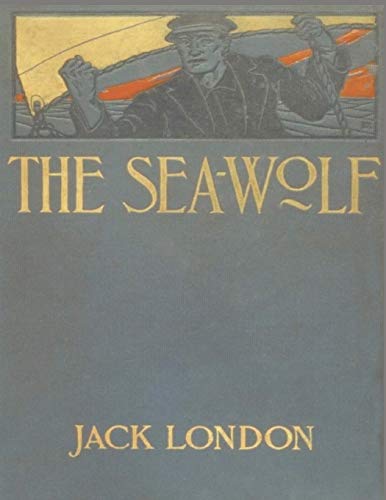
No. 37 on this list. The Sea-Wolf
Jack London · 1904
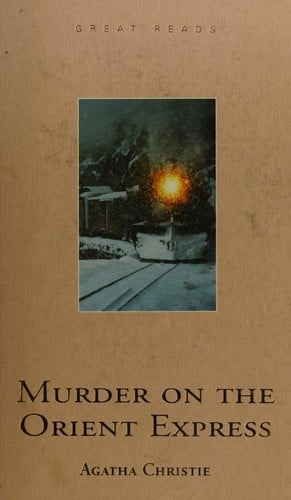
No. 38 on this list. Murder on the Orient Express
Agatha Christie · 1934
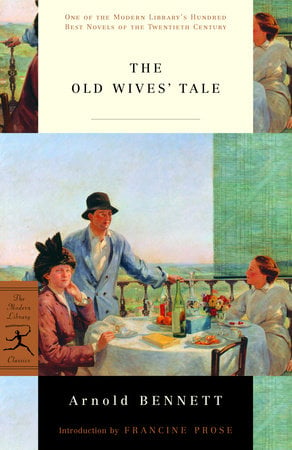
No. 39 on this list. The Old Wives' Tale
Arnold Bennett · 1908
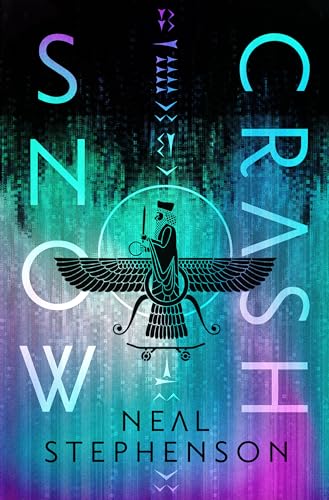
No. 40 on this list. Snow Crash
Neal Stephenson · 1992

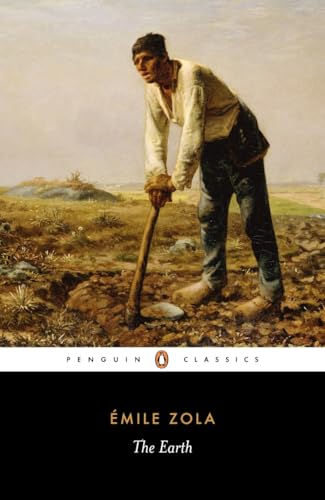
No. 41 on this list. The Earth
Émile Zola · 1887
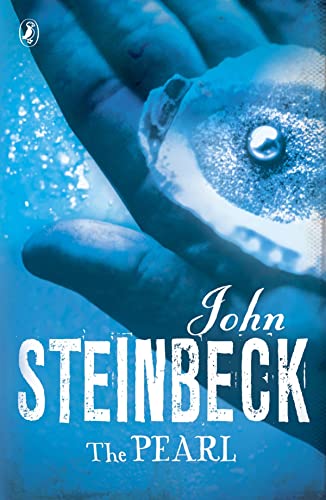
No. 42 on this list. The Pearl
John Steinbeck · 1947
Taught in schools: Pacific Senior Secondary Certificate – English
No. 43 on this list. Sweat
Emma Healey · 2017
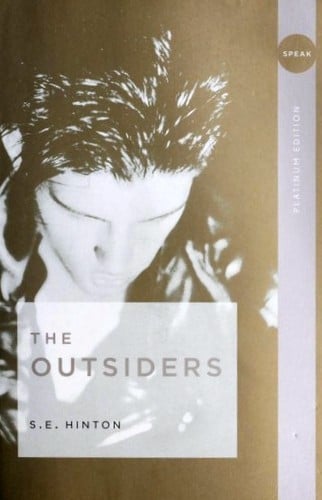
No. 44 on this list. The Outsiders
S.E. Hinton · 1967
Taught in schools: CSEC English B – Caribbean Examinations Council, Pacific Senior Secondary Certificate – English
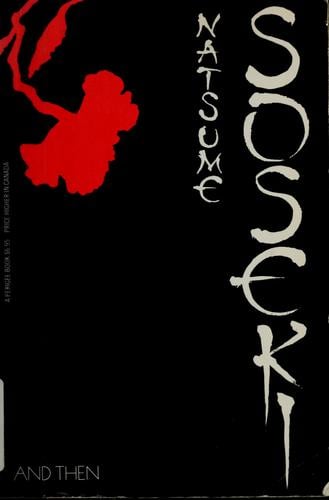
No. 45 on this list. And Then
Natsume Sōseki · 1909
Included in: UNESCO Collection of Representative Works
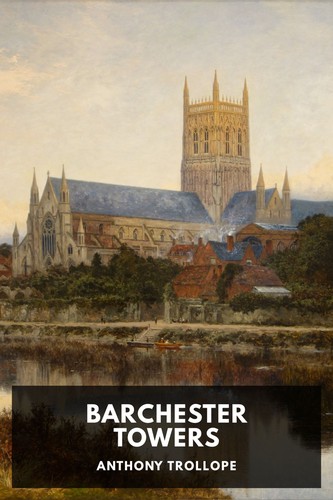
No. 46 on this list. Barchester Towers
Anthony Trollope · 1857
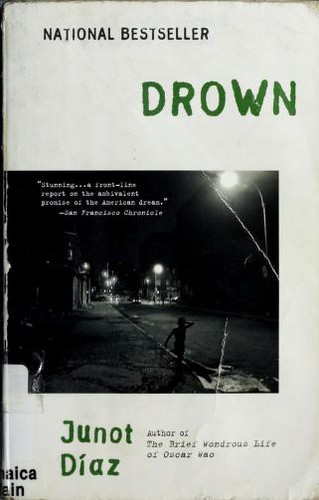
No. 47 on this list. Drown
Junot Diaz · 1996
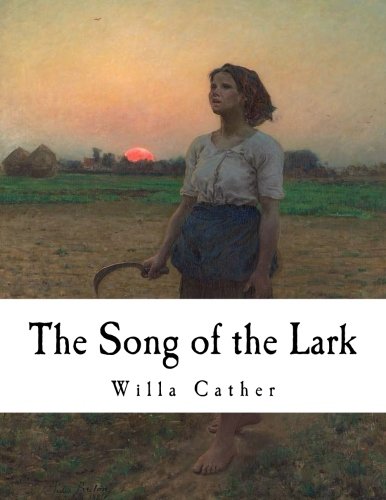
No. 48 on this list. The Song of the Lark
Willa Cather · 1915
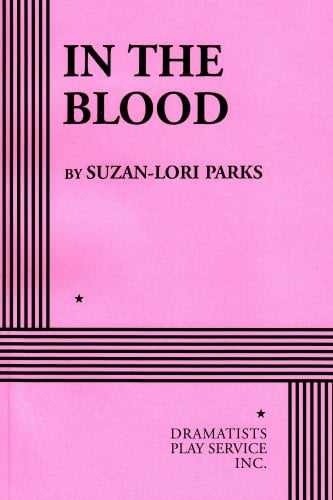
No. 49 on this list. In the Blood
Suzan-Lori Parks · 1999
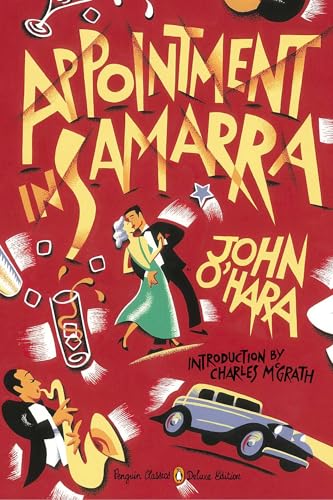
No. 50 on this list. Appointment in Samarra
John O'Hara · 1934
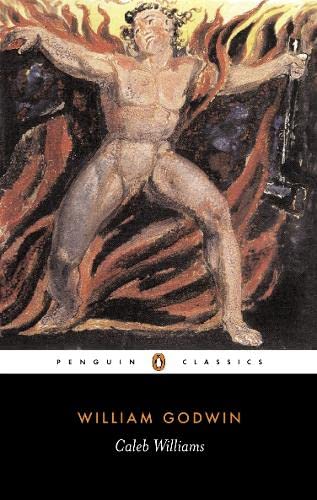
No. 51 on this list. Caleb Williams
William Godwin · 1794
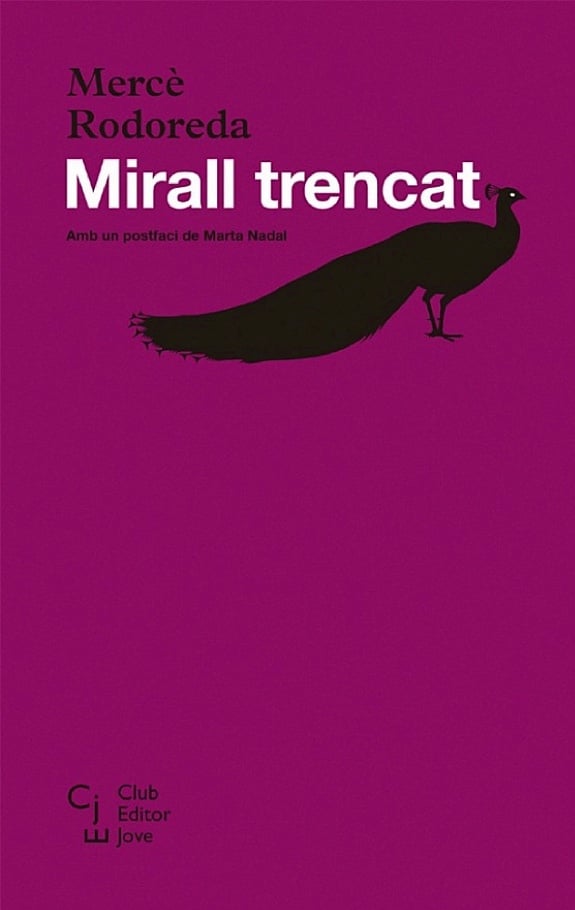
No. 52 on this list. A Broken Mirror
Mercè Rodoreda · 1974
No. 53 on this list. The Dragon Can't Dance
Earl Lovelace · 1979
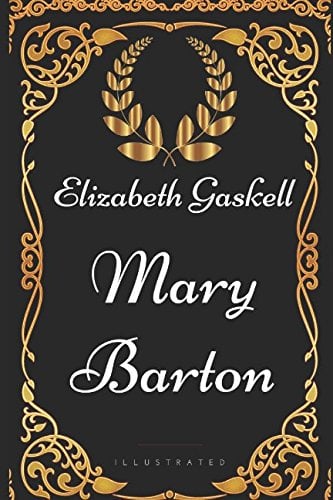
No. 54 on this list. Mary Barton
Elizabeth Gaskell · 1848
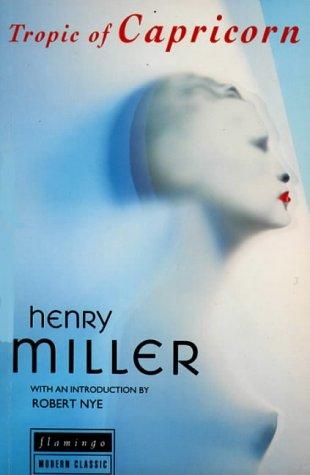
No. 55 on this list. Tropic of Capricorn
Henry Miller · 1939
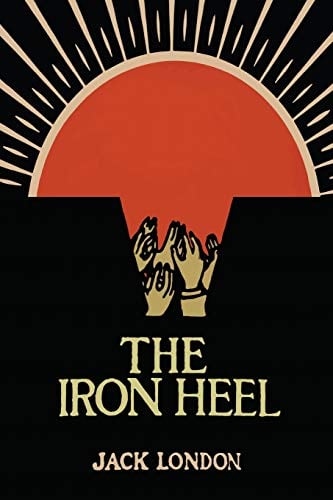
No. 56 on this list. The Iron Heel
Jack London · 1908
No. 57 on this list. Brothers
Yu Hua · 2005
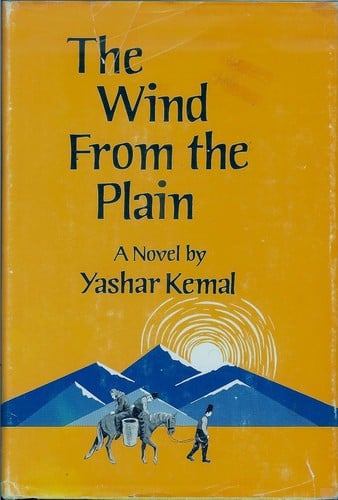
No. 58 on this list. The Wind from the Plain
Yasar Kemal · 1960
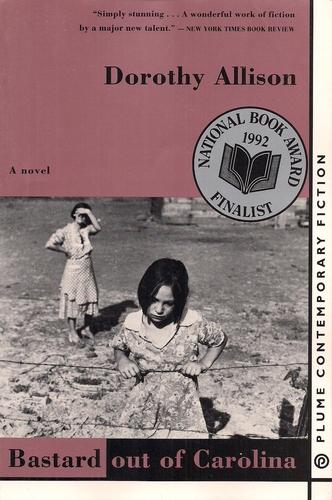
No. 59 on this list. Bastard Out of Carolina
Dorothy Allison · 1992
No. 60 on this list. Marianela
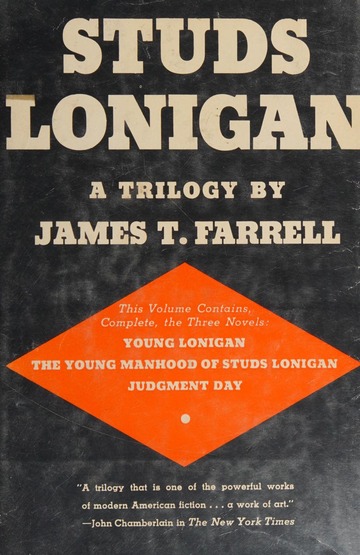
No. 61 on this list. The Studs Lonigan Trilogy
James T. Farrell · 1935
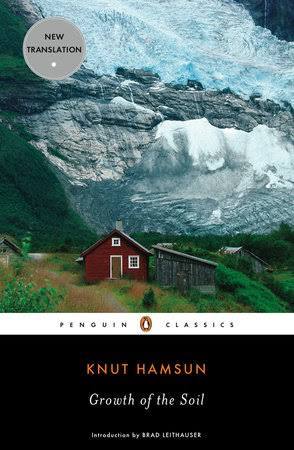
No. 62 on this list. Growth of the Soil
Knut Hamsun · 1917
No. 63 on this list. The Lesson
Toni Cade Bambara · 1972
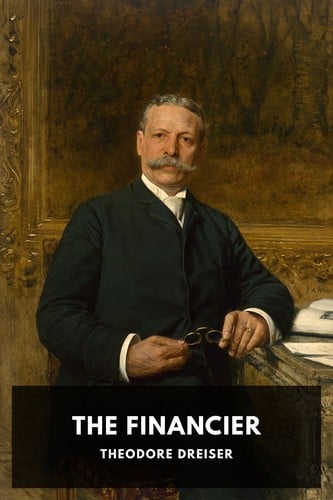
No. 64 on this list. The Financier
Theodore Dreiser · 1912
No. 65 on this list. The Devil
Leo Tolstoy · 1911
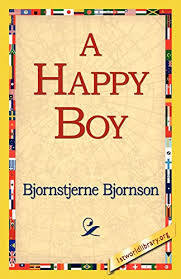
No. 66 on this list. A Happy Boy
Bjørnstjerne Bjørnson · 1860
No. 67 on this list. Before Sunrise
Gerhart Hauptmann · 1930
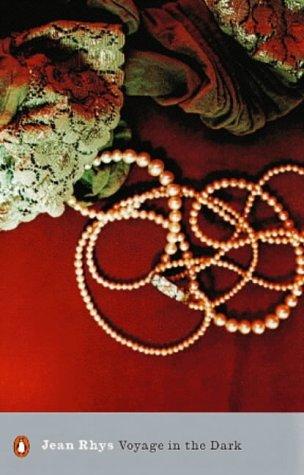
No. 68 on this list. Voyage in the Dark
Jean Rhys · 1934
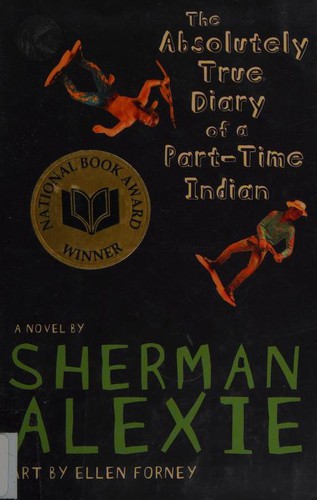
No. 69 on this list. The Absolutely True Diary of a Part-Time Indian
Sherman Alexie · 2007
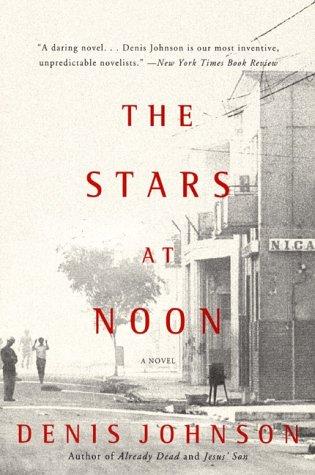
No. 70 on this list. Angels
Denis Johnson · 1983
No. 71 on this list. Blue Angel
Francine Prose · 2000
No. 72 on this list. How Should a Person Be?
Sheila Heti · 2012
No. 73 on this list. Ancillary Sword
Ann Leckie · 2014
No. 74 on this list. Journey in the Dark
Martin Flavin · 1944
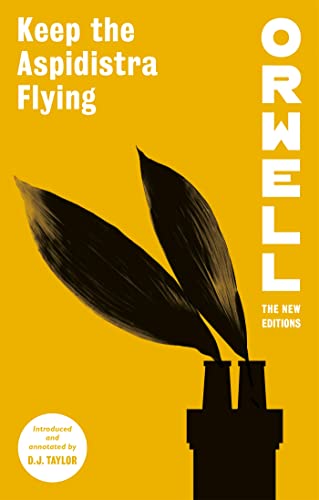
No. 75 on this list. Keep the Aspidistra Flying
George Orwell · 1936
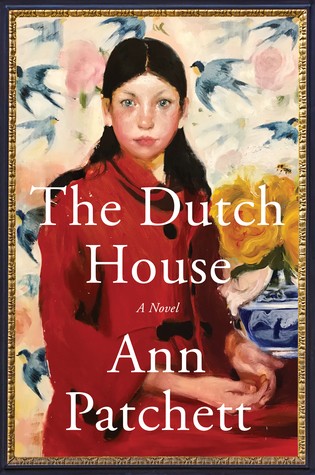
No. 76 on this list. The Dutch House
Ann Patchett · 2019
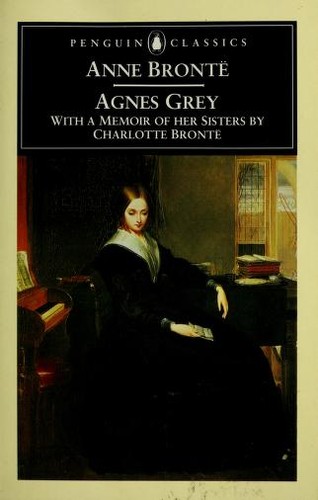
No. 77 on this list. Agnes Grey
Anne Brontë · 1847
No. 78 on this list. Pelle the Conqueror
Martin Andersen Nexø · 1910
No. 79 on this list. A Deadly Education
Naomi Novik · 2020
No. 80 on this list. Love and Garbage
Ivan Klima · 1986
No. 81 on this list. White-Jacket
Herman Melville · 1850
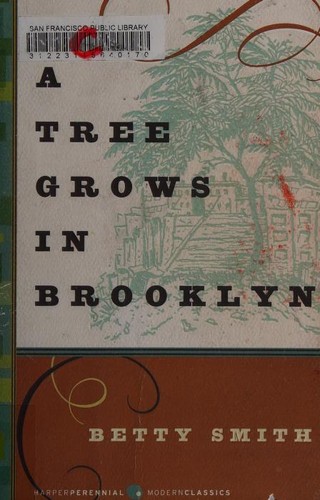
No. 82 on this list. A Tree Grows in Brooklyn
Betty Smith · 1943
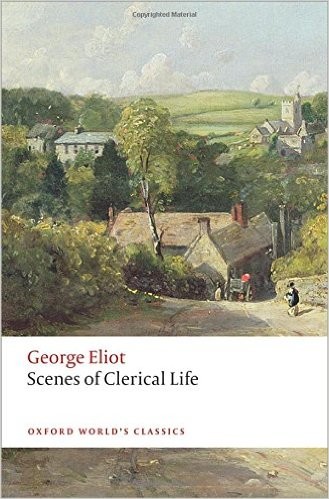
No. 83 on this list. Scenes of Clerical Life
George Eliot · 1858
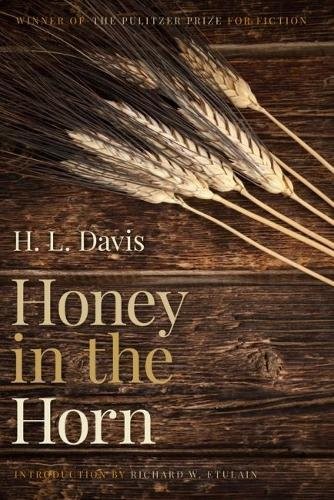
No. 84 on this list. Honey in the Horn
H.L. Davis · 1936
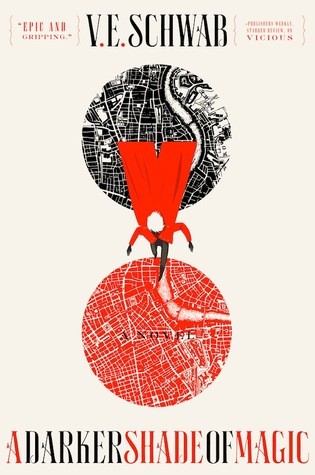
No. 85 on this list. A Darker Shade of Magic
V. E. Schwab · 2015
No. 86 on this list. Felix Holt, the Radical
George Eliot · 1866
No. 87 on this list. A Walk on the Wild Side
Nelson Algren · 1956
No. 88 on this list. Tobacco Road
Erskine Caldwell · 1932
No. 89 on this list. Out
Natsuo Kirino · 1997
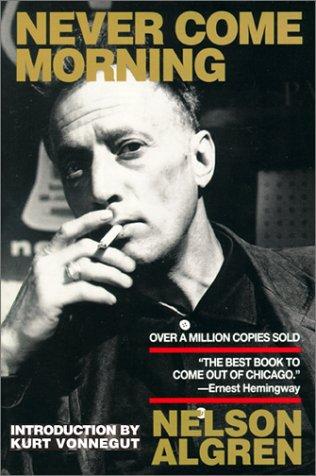
No. 90 on this list. Never Come Morning
Nelson Algren · 1942
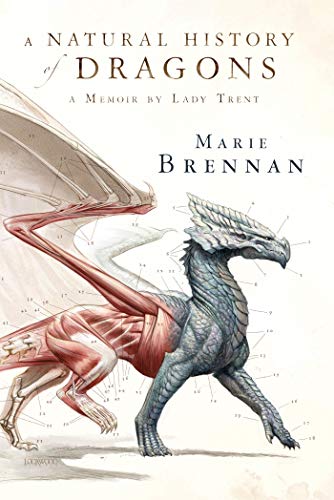
No. 91 on this list. A Natural History of Dragons
Marie Brennan · 2013
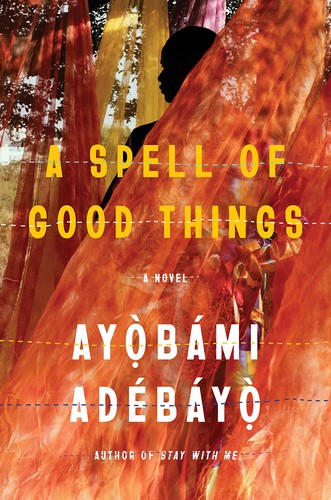
No. 92 on this list. A Spell of Good Things
Ayọ̀bámi Adébáyọ̀ · 2023
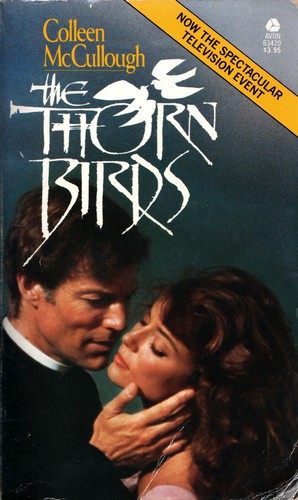
No. 93 on this list. The Thorn Birds
Colleen McCullough · 1977
No. 94 on this list. Rice
Su Tong · 1991
No. 95 on this list. The Bonfire of the Vanities
Tom Wolfe · 1987
No. 96 on this list. Nora Webster
Colm Tóibín · 2014
No. 97 on this list. Only Dull People Are Brilliant at Breakfast
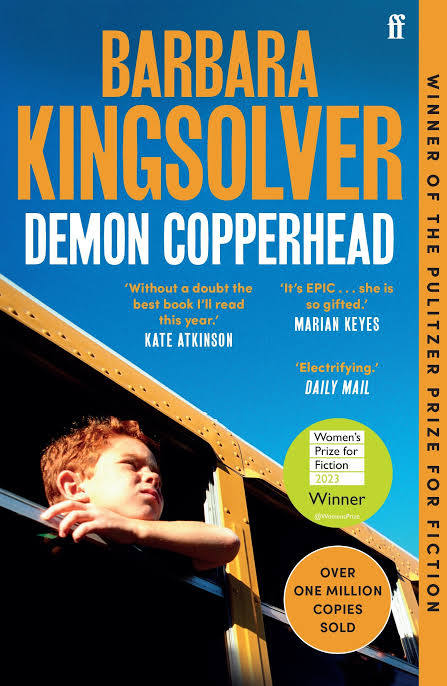
No. 98 on this list. Demon Copperhead
Barbara Kingsolver · 2023
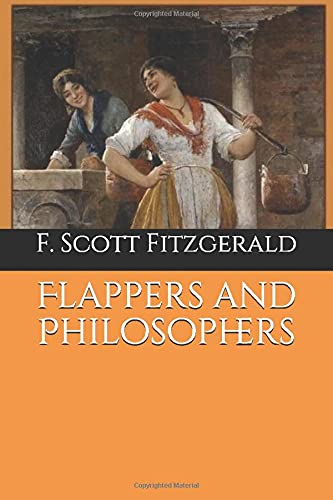
No. 99 on this list. Flappers and Philosophers
F. Scott Fitzgerald · 1920
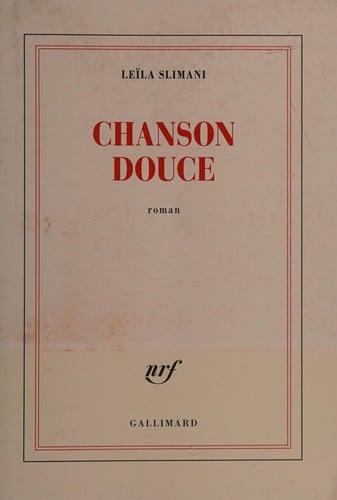
No. 100 on this list. The Perfect Nanny
Leïla Slimani · 2016
About this list
These 100 books are the highest-scoring eligible easy books about class and inequality currently in the catalogue. About 647 hours of reading in all. Difficulty runs from 33 to 41 out of 100 for the middle half of the list; the summit is Appointment in Samarra at 45.
This list is ranked by literary regard, with a consistent order for equal scores. Membership follows authors and co-authors, not translators or editors. A book is here when ReadingRate files it under Class & Inequality as one of its primary reading domains, at a confidence of 0.8 or more. Catalogue coverage and the historical canon both limit what this list can represent.
When we matched the Canons dataset to our catalogue in October 2026, our canonical-status scores rose with the number of school curricula, publisher series and lists in it that cite a work: the median score was 72 for books one such source cites, 84 at two, 88 at three, 92 at four and 93 at five or more. Prizes are left out of that count. Outside the state curricula, the dataset’s sources choose mostly from what has been translated into English or French, so it is a weaker check on other literatures. Source: Canons (Andrew Piper), CC BY 4.0
Questions people actually ask
- What are the best easy books about class and inequality?
- By literary regard, which weighs canonical status, critical standing and influence: Life Studies by Robert Lowell, The Birds by Aristophanes, Of Mice and Men by John Steinbeck, The Miser by Molière and A Christmas Carol by Charles Dickens. ReadingRate ranks 100 such books, each with a difficulty score and a reading-time estimate.
- Which easy books about class and inequality should I read first?
- Start from difficulty, not from rank. The most approachable books on this list that still carry top literary regard are The Time of the Doves by Mercè Rodoreda (about 3 hours), Of Mice and Men by John Steinbeck and A Christmas Carol / The Chimes / The Cricket on the Hearth by Charles Dickens.
- What are the shortest of the best easy books about class and inequality?
- Among the top 25, the shortest are Sizwe Bansi Is Dead by Athol Fugard (about 1.1 hours), The Birds by Aristophanes (about 1.3 hours) and The Miser by Molière (about 1.4 hours), at an average pace of 250 words a minute adjusted for each book's difficulty.
- Which of the best easy books about class and inequality are the established classics?
- By canonical status, how firmly a book sits in curricula, anthologies and the canon: Life Studies by Robert Lowell, The Birds by Aristophanes, Of Mice and Men by John Steinbeck, A Christmas Carol by Charles Dickens and The Miser by Molière.
- Can I read any of these easy books about class and inequality for free?
- 17 of the 100 open in ReadingRate's reader with a free account, from public-domain editions: A Christmas Carol, Sister Carrie, Jenny, Arrowsmith, This Side of Paradise and 12 more.
- How long would it take to read the top ten?
- About 66 hours, at an average pace of 250 words a minute adjusted for each book's difficulty: 33 days at two hours a day. Set your own pace on the page and the list's reading times change to it.
- How hard are easy books about class and inequality to read?
- Most of this list sits between 33 and 41 on ReadingRate's 100-point difficulty scale, where 40 to 55 is moderate. The summit is Appointment in Samarra at 45. Every entry carries its own score, so a reader can pick a great book at a difficulty they will finish.
- How is this list ranked?
- On literary-regard data: how canonically established a work is, its critical standing, and its influence on later writing. It is not a readers’ poll, which is why recent bestsellers rarely appear. Membership follows authors and co-authors, not translators or editors. Lists by country, author, period, theme or difficulty keep to literature (fiction, poetry, drama and philosophy), their novels, poems and plays first and their philosophy after them; a list of a kind of book, such as memoir or criticism, keeps every book of that kind. Every list holds at most three works by one author. A book is here when ReadingRate files it under Class & Inequality as one of its primary reading domains, at a confidence of 0.8 or more.