Hours at an average pace
Showing 100 books
About 381 hours for 100 of 100 books with measured lengths. Estimates use 250 words a minute, adjusted for each book's difficulty. At 2 hours a day, about 191 days for those books.
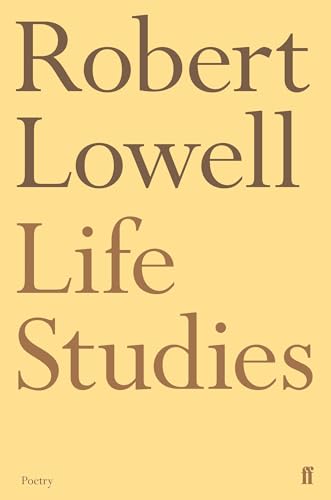
One of the most important collections in postwar American poetry. 'Skunk Hour' alone secures its place in the canon.
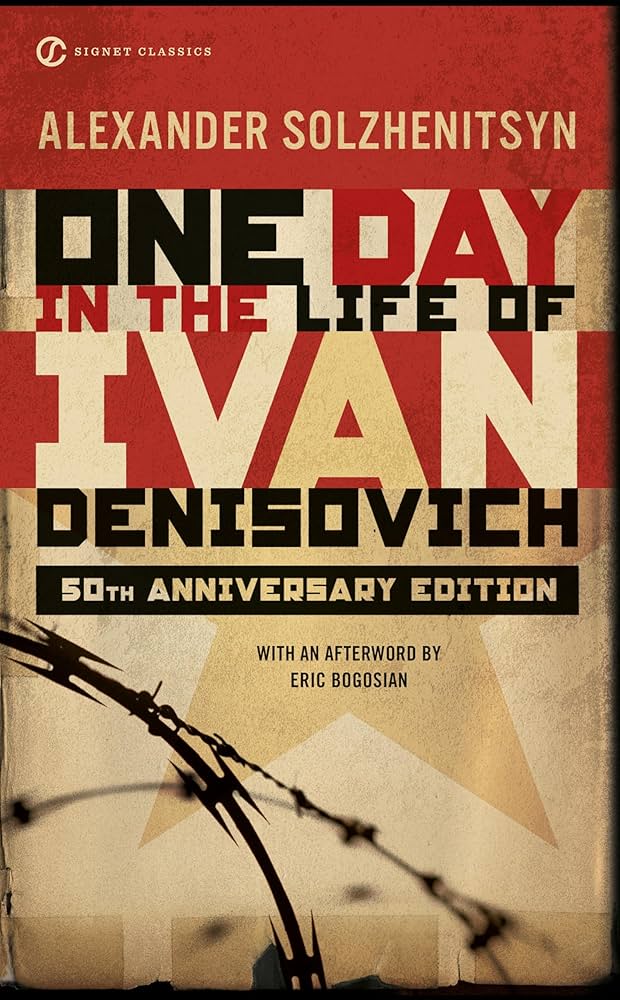
A single January day in a Soviet labor camp in the early 1950s, told through the eyes of Ivan Denisovich Shukhov, a peasant ten years into a trumped-up sentence for treason. Solzhenitsyn structures the novel as a minute-by-minute account: the pre-dawn wake-up, the roll call in −30° cold, the march to the construction site, the bricklaying in the wind, the return, the thin soup, and lights out. The genius of the book is its scale — one man, one day — and the moral universe Shukhov navigates within it. He is not heroic in any conventional sense; he calculates how to get an extra bowl of gruel, how to pocket a useful piece of metal, how to avoid the guards' notice. Yet these calculations constitute a form of dignity. Published in 1962 in the Soviet literary journal Novy Mir under Khrushchev's brief thaw, the novella hit Soviet readers like a physical shock: the Gulag had existed for decades, but naming it in print was new. In the West it became the first credible inside account of the camp system, a document as much as a novel. Solzhenitsyn's prose is close-grained and unsentimental, the voice tuned to Shukhov's practical intelligence. The cold is not metaphorical; the bread is not symbolic. The facts speak.
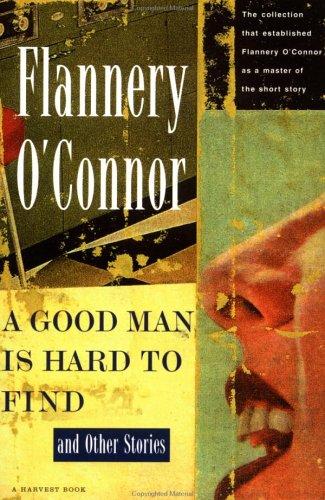
One of the most important short story collections in American literature. The title story alone is among the most widely taught and analyzed works of American fiction.
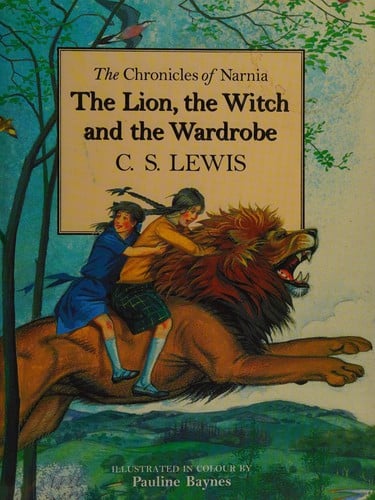
The Lion, the Witch and the Wardrobe is taught in elementary and middle schools worldwide and is considered essential children's literature. It appears on countless reading lists and is often children's introduction to fantasy literature. The Narnia series is foundational to understanding modern fantasy and children's fiction.
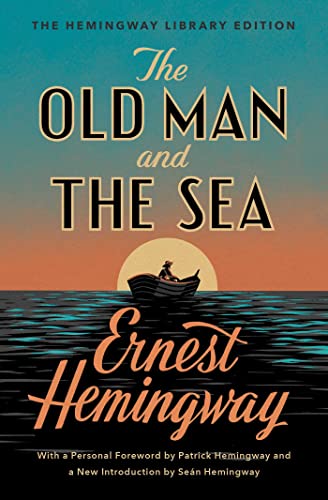
No. 5 on this list. The Old Man and the Sea
Ernest Hemingway · 1953
Moderate1.7 hours
Taught in schools: Kazakh literature curriculum (Kazakhstan)
Included in: Bokklubben World Library
Hemingway reduced fiction to one old man, one marlin, and the Gulf Stream, and proved that a story stripped to its barest elements could carry the weight of a parable about endurance, craft, and the dignity of losing. The novella's final image — the skeleton of the great fish picked clean at the dock — is among the most perfectly earned symbols in American literature.
A major work of American poetry. 'Harlem' alone has achieved a canonical status rivaling any single American poem of the twentieth century.
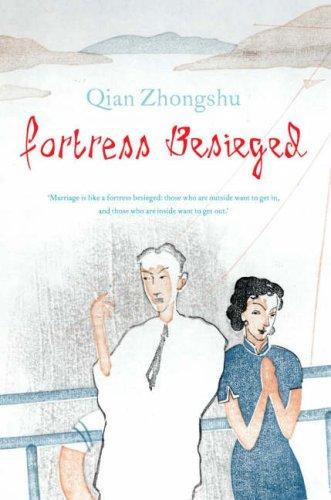
One of the most celebrated Chinese novels of the twentieth century. Adapted into a hugely popular TV series in 1990.
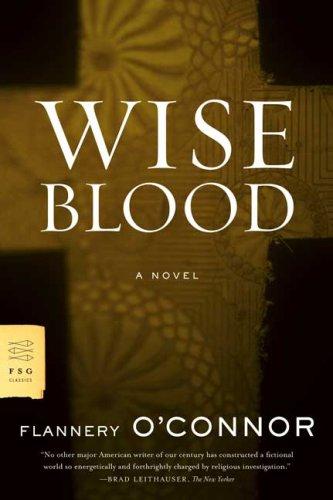
A landmark of Southern Gothic fiction and American literature, widely taught and critically analyzed. One of the defining novels of postwar American fiction.
The undisputed masterpiece of twentieth-century Catalan literature. Widely translated and recognized as one of the great European novels of the postwar period.
One of the most widely assigned books in American elementary and middle school curricula, read by tens of millions of children since 1952. Appears on virtually every list of essential American children's literature. Wikipedia articles exist in 30+ languages, reflecting global reach across generations.
No. 11 on this list. Meditations in an Emergency · Frank O'Hara · 1957
An important early New York School text, though less widely known than Lunch Poems. Its reputation has grown as O'Hara's stature has increased.
Easy23 min
Start this bookNo. 12 on this list. The Diary of a Young Girl · Anne Frank · 1947
The diary is a fixture of secondary education worldwide and appears in 72 Wikipedia language editions — on par with The Great Gatsby — reflecting its global canonical reach. Its 133 Open Syllabus appearances (53rd percentile) undercount its true presence, as it is taught most heavily at the pre-university level. Le Monde named it one of the 100 Books of the Century in 1999.
Easy5.4 hours
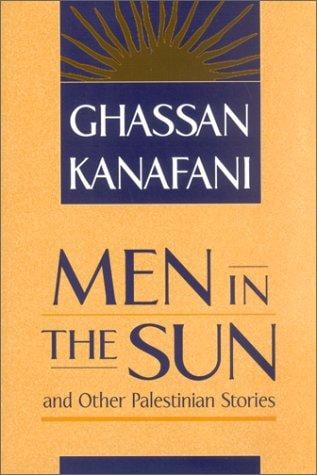
Start this bookNo. 13 on this list. Men in the Sun · Ghassan Kanafani · 1963
Foundational text of Palestinian literature. Widely taught and translated.
Easy1.4 hours
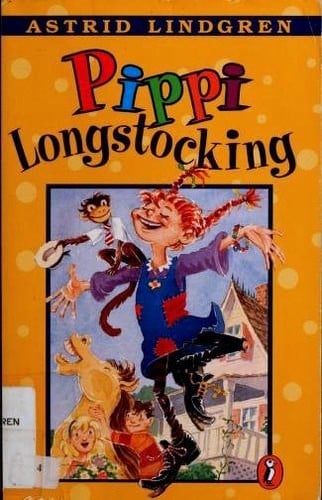
Start this bookNo. 14 on this list. Pippi Longstocking · Astrid Lindgren · 1945
Taught in schools: Lithuanian literature curriculum (lietuvių kalba ir literatūra)
Included in: Bokklubben World Library
Pippi Longstocking is translated into over 70 languages and has sold more than 140 million copies worldwide, making it one of the most widely distributed children's books ever published. It is standard reading in Swedish schools and appears on canonical children's literature lists across Europe and beyond. While not a fixture of university literature syllabi, it holds an unassailable position in the children's literature canon globally.
Very Easy1.2 hours
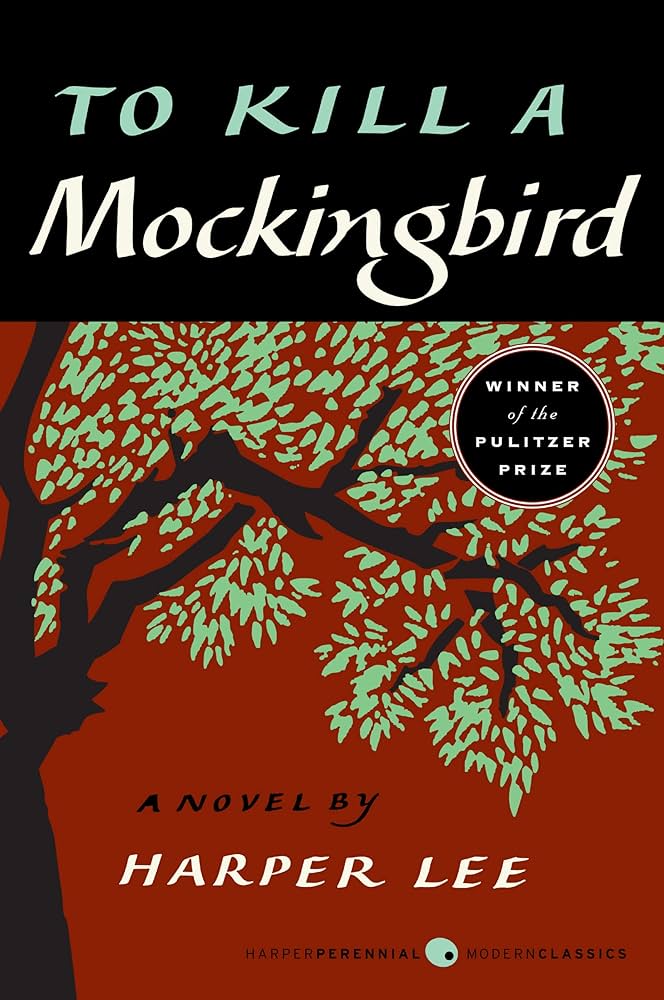
Start this bookNo. 15 on this list. To Kill a Mockingbird · Harper Lee · 1961
Taught in schools: Cambridge IGCSE Literature in English (0475), Common Core text exemplars (Appendix B) (US), CSEC English B – Caribbean Examinations Council
Appears on 1,674 university syllabi (80.6th percentile, Open Syllabus Project) and is a fixture of American high school and university English curricula. Wikipedia articles exist in 58 languages with dedicated reception and adaptations sections. Published by four prestige houses — Library of America, Everyman's Library, Penguin Classics, and Penguin Modern Classics — confirming its standing in the Western canon.
Moderate6.3 hours
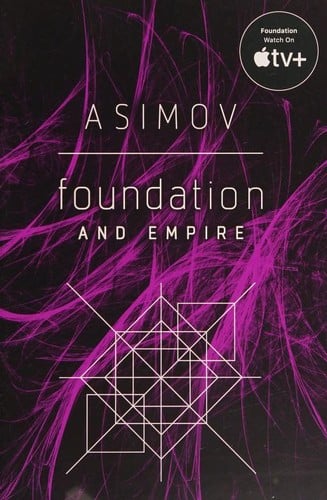
Start this bookNo. 16 on this list. Foundation and Empire · Isaac Asimov · 1952
Central volume of the Foundation trilogy, one of the most important works in science fiction history. The Mule is one of the genre's iconic characters.
Easy3.6 hours
Start this bookNo. 17 on this list. Return to Haifa · Ghassan Kanafani · 1969
Taught in schools: Moroccan secondary Arabic literature (Morocco)
One of the foundational texts of Palestinian literature and one of the most widely read Arabic novellas worldwide.
Easy1.4 hours
Start this bookNo. 18 on this list. Foundation · Isaac Asimov · 1951
Foundation occupies an unambiguous place in the science fiction canon and appears on university SF course syllabi worldwide, though it sits outside the standard literary curriculum that places Gatsby or 1984 on nearly every English department reading list. The 1966 Hugo Award for 'Best All-Time Series' — a category created specifically for this occasion — signals the field's recognition of its foundational status. Its influence on the genre is taught wherever science fiction is studied seriously.
Easy7.6 hours
Start this bookNo. 19 on this list. A Man of the People · Chinua Achebe · 1966
Taught in schools: Pacific Senior Secondary Certificate – English
Included in: Heinemann African Writers Series
"A Man of the People" appears regularly on university syllabi in African literature, postcolonial studies, and world literature courses, though it occupies a secondary position relative to Achebe's "Things Fall Apart," which is among the most taught novels globally. The book's prophetic publication date—released the same day as Nigeria's first military coup—secured it a place in literary history beyond its syllabus presence. It is standard reading in courses on African political fiction and postcolonial satire.
Easy3 hours
Start this bookNo. 20 on this list. The Moon and the Bonfires · Cesare Pavese · 1950
Pavese's acknowledged masterpiece and one of the essential Italian novels of the postwar period. Widely translated and taught.
Easy3 hours
Start this book
No. 21 on this list. The City and the Dogs · Mario Vargas Llosa · 1963
Recognized as one of the founding novels of the Latin American boom and a landmark of Peruvian literature.
Moderate7.7 hours
Start this bookNo. 22 on this list. The Truce · Primo Levi · 1963
"The Truce" is taught widely in Holocaust literature, Italian literature, and 20th-century European history courses at universities across Europe and North America. It is less universally assigned than "If This Is a Man" but is firmly in the canon of serious literary and testimonial writing. No syllabus data was returned by the database, but Levi's standing in academic curricula is well established independently.
Easy8.6 hours
Start this bookNo. 23 on this list. Memed, My Hawk · Yasar Kemal · 1955
Included in: UNESCO Collection of Representative Works
The foundational novel of modern Turkish literature's international reputation. Widely translated and studied as a masterpiece of Turkish fiction.
Easy5.4 hours
Start this bookNo. 24 on this list. The Earthsea Quartet · Ursula K Le Guin · 1968
Across four novels spanning decades, Le Guin builds the archipelago of Earthsea—a world of islands, sailing, and true-name magic where knowing a thing's true name gives power over it. A Wizard of Earthsea follows the young wizard Ged as he releases a shadow-creature and must pursue it across the world. The Tombs of Atuan follows a priestess freed from underground servitude. The Farthest Shore follows Ged, now Archmage, pursuing a wizard who has broken the boundary between life and death. Tehanu, written sixteen years later, returns to Earthsea with a feminist perspective, following the abused child Therru and the former priestess Tenar in a world where women's power has been systematically suppressed. Le Guin's magic system—where speaking a true name is the fundamental magical act—is the most elegant in fantasy. The prose is spare, rhythmic, and precise, closer to myth than novel.
Moderate15 hours
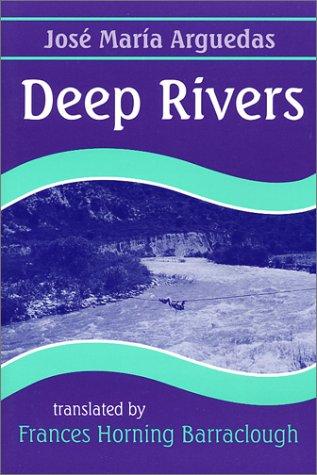
Start this bookNo. 25 on this list. Deep Rivers · José María Arguedas · 1958
Taught in schools: UNAM Escuela Nacional Preparatoria – programas de Literatura (Mexico)
The central work of indigenist literature in Latin America and a cornerstone of Peruvian fiction.
Easy4 hours
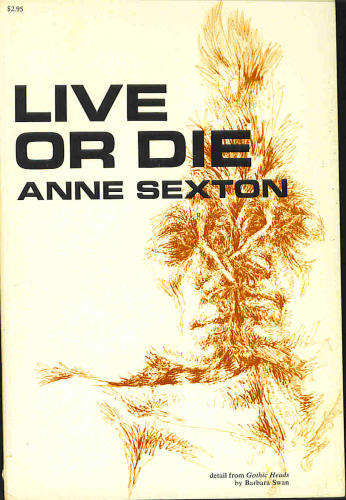
Start this bookNo. 26 on this list. Live or Die · Anne Sexton · 1966
Anne Sexton arranged these thirty-three poems in the order she wrote them — January 1962 to February 1966 — and called the result 'a fever chart for a bad case of melancholy.' Each poem arrives with a date at the bottom, evidence rather than ornament. The collection opens with her father, a wool salesman who drank in his bedroom and died on the road; within pages she has checked herself into a psychiatric ward, addressed Sylvia Plath's corpse ('Thief!— how did you crawl into, crawl down alone into the death I wanted so badly'), mourned a son she never had, and watched her daughter call on God instead of her mother when a horse crushes her foot. Sexton's language stays in the body. She counts out eight pharmaceutical capsules each night, arranges them 'as in the laying on of hands or the black sacrament.' Suicides, she observes, 'have a special language. Like carpenters they want to know which tools. They never ask why build.' The hospital and the suburban kitchen share equal authority. God appears, and Mary, and Judas, and Sylvia, and none of them offer adequate answers. The final poem, 'Live,' turns the collection's entire argument on its axis. Eight Dalmatian puppies survive the pails of water that waited to drown them. 'I am not what I expected. Not an Eichmann. The poison just didn't take.' The fever chart ends with a temperature that isn't, finally, fatal. This is the Pulitzer Prize-winning collection that defined confessional poetry as a form capable of sustaining both unbearable honesty and survival.
Easy43 min
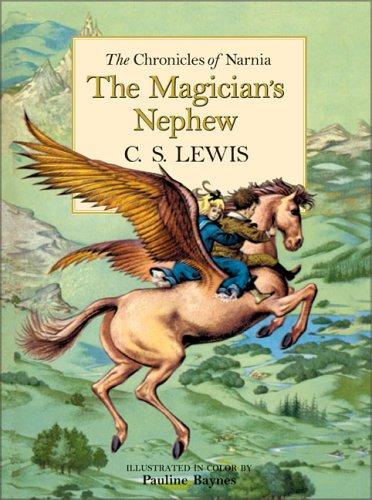
Start this bookNo. 27 on this list. The Magician’s Nephew · C.S. Lewis · 1955
The Chronicles of Narnia rank among the most widely read children's series of the 20th century, with over 100 million copies sold globally. The Magician's Nephew appears on virtually every major 'best children's books' list and is taught in primary schools worldwide. No syllabus data available in the database, but its foundational place in children's literature curricula — particularly in English-speaking countries — establishes strong canonical status within its sphere.
Easy2.3 hours
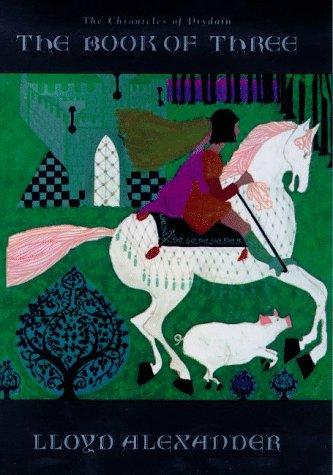
Start this bookNo. 28 on this list. The Book of Three · Lloyd Alexander · 1964
Newbery Medal winner (for The High King). The Chronicles of Prydain are a cornerstone of children's fantasy.
Easy2.3 hours
Start this bookNo. 29 on this list. Dirty Hands · Jean-Paul Sartre · 1948
One of the most performed French plays of the twentieth century and a staple of political theater. Widely taught in philosophy and literature courses.
Easy2.4 hours
Start this bookNo. 30 on this list. The Apprenticeship of Duddy Kravitz · Mordecai Richler · 1959
One of the defining Canadian novels, central to the canon of both Canadian and Jewish-American-adjacent literature. Required reading in Canadian schools and universities.
Easy4.7 hours
Start this book
No. 31 on this list. Gabriela, Clove and Cinnamon
Jorge Amado · 1958
No. 32 on this list. The Voyage of the Dawn Treader
C.S. Lewis · 1952
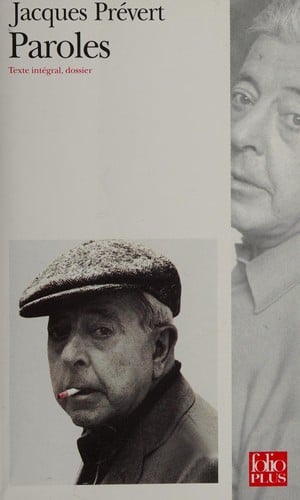
No. 33 on this list. Paroles
Jacques Prévert · 1946
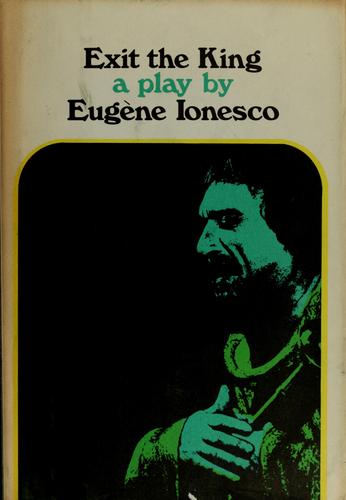
No. 34 on this list. Exit the King
Eugène Ionesco · 1962
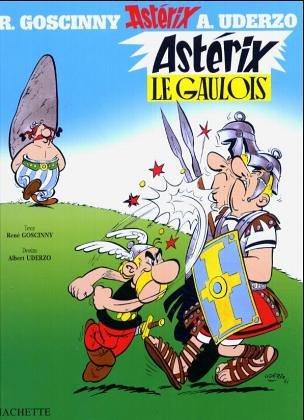
No. 35 on this list. Asterix the Gaul
René Goscinny · 1961
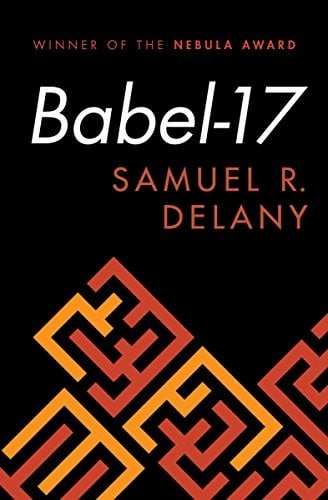
No. 36 on this list. Babel-17
Samuel R. Delany · 1966
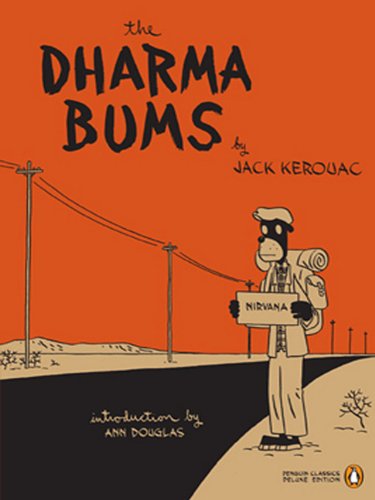
No. 37 on this list. The Dharma Bums
Jack Kerouac · 1958
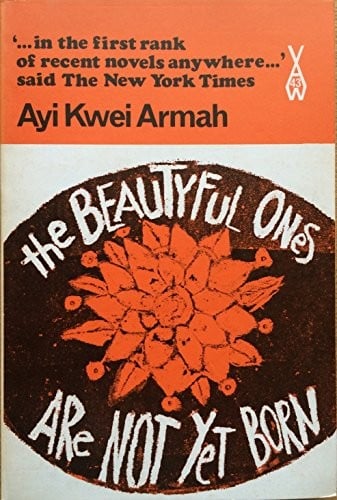
No. 38 on this list. The Beautyful Ones Are Not Yet Born
Ayi Kwei Armah · 1968
Included in: Heinemann African Writers Series
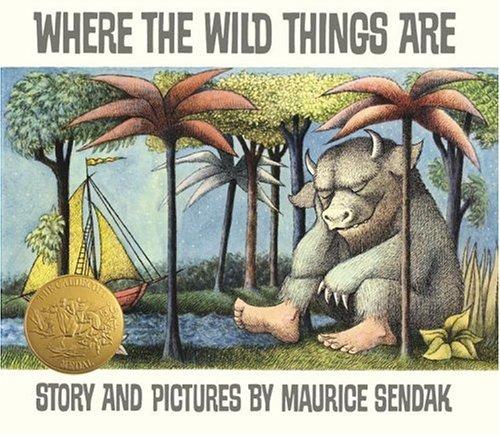
No. 39 on this list. Where the Wild Things Are
Maurice Sendak · 1963
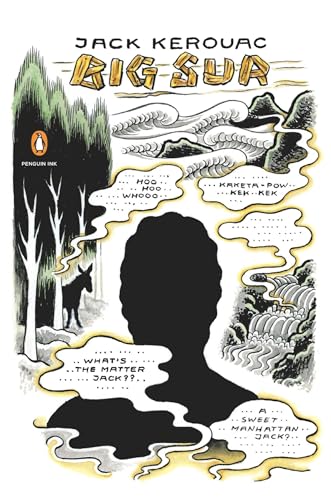
No. 40 on this list. Big Sur
Jack Kerouac · 1962
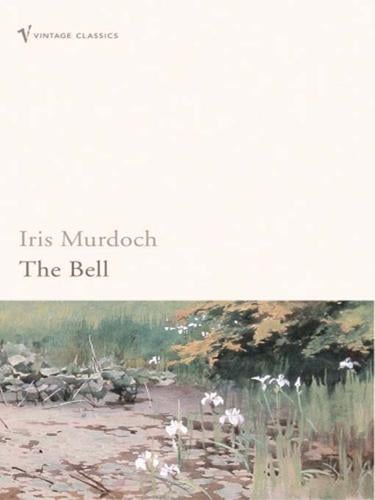
No. 41 on this list. The Bell
Iris Murdoch · 1958
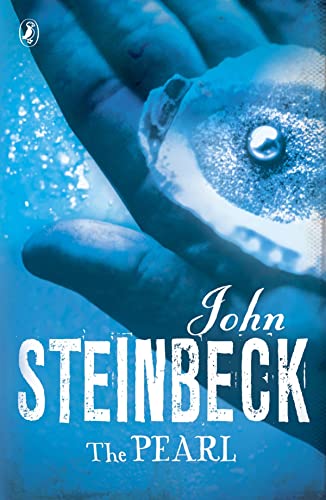
No. 42 on this list. The Pearl
John Steinbeck · 1947
Taught in schools: Pacific Senior Secondary Certificate – English
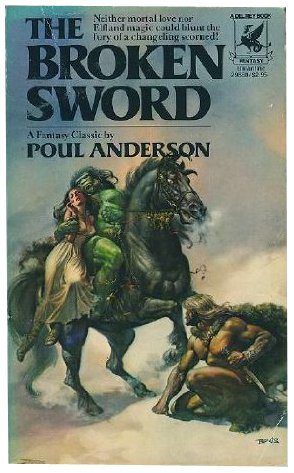
No. 43 on this list. The Broken Sword
Poul Anderson · 1954
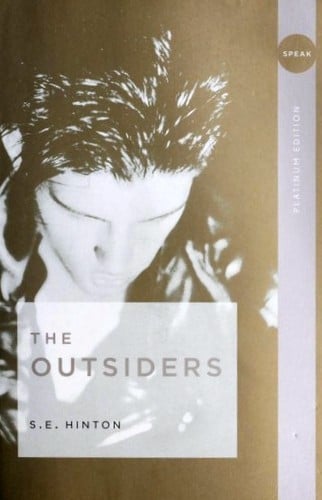
No. 44 on this list. The Outsiders
S.E. Hinton · 1967
Taught in schools: CSEC English B – Caribbean Examinations Council, Pacific Senior Secondary Certificate – English
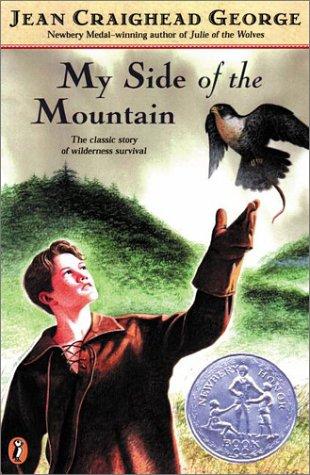
No. 45 on this list. My Side of the Mountain
Jean Craighead George · 1959
Taught in schools: CSEC English B – Caribbean Examinations Council
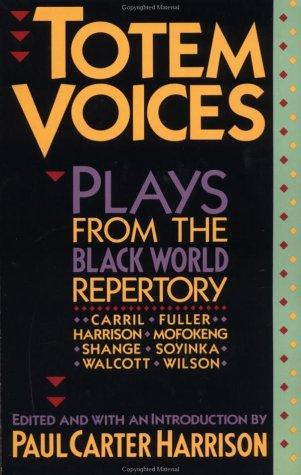
No. 46 on this list. Ti-Jean and His Brothers
Derek Walcott · 1958
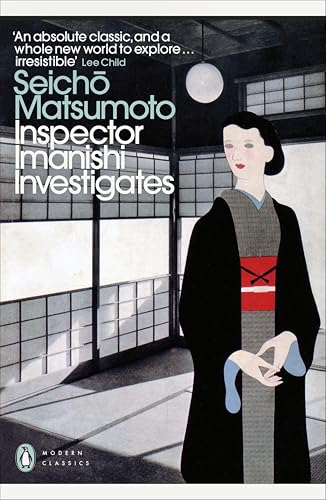
No. 47 on this list. Inspector Imanishi Investigates
Seichō Matsumoto · 1961
No. 48 on this list. The Vendor of Sweets
R.K. Narayan · 1967
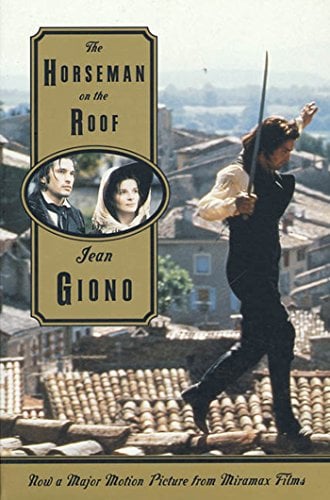
No. 49 on this list. The Horseman on the Roof
Jean Giono · 1951
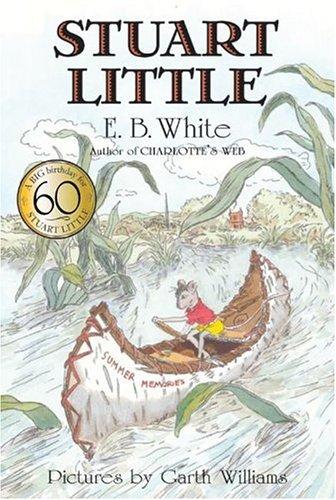
No. 50 on this list. Stuart Little
E.B. White · 1945
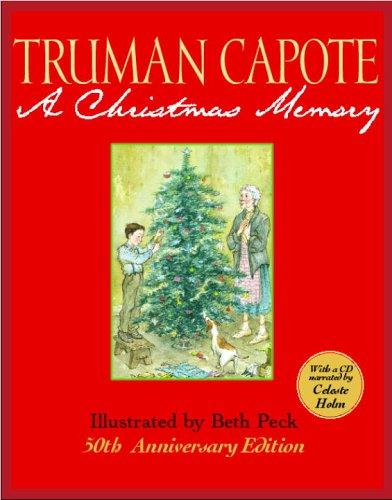
No. 51 on this list. A Christmas Memory
Truman Capote · 1956
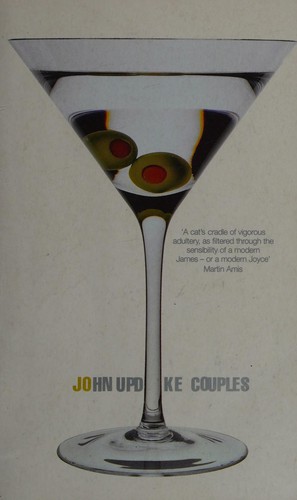
No. 52 on this list. Couples
John Updike · 1968
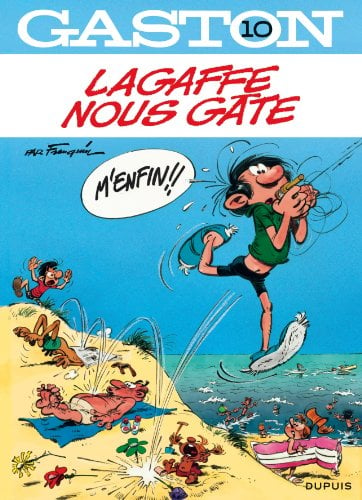
No. 53 on this list. Gaston
André Franquin · 1957
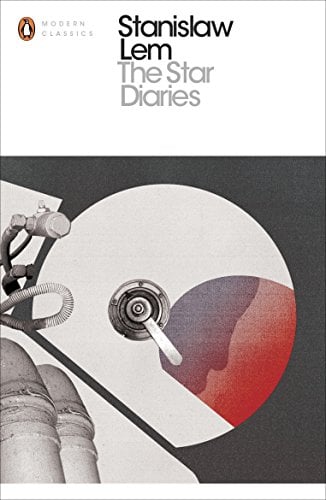
No. 54 on this list. The Star Diaries
Stanisław Lem · 1957
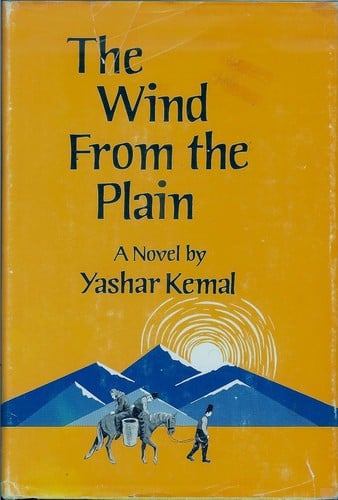
No. 55 on this list. The Wind from the Plain
Yasar Kemal · 1960
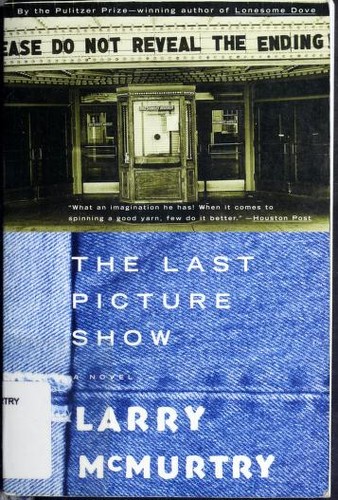
No. 56 on this list. The Last Picture Show
Larry McMurtry · 1966
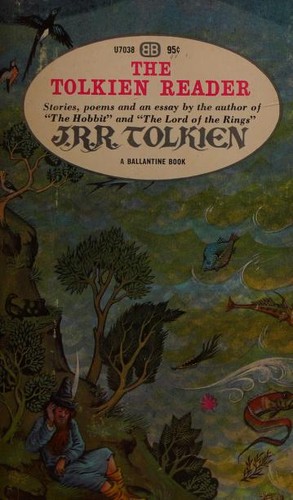
No. 57 on this list. The Tolkien Reader
J.R.R. Tolkien · 1966
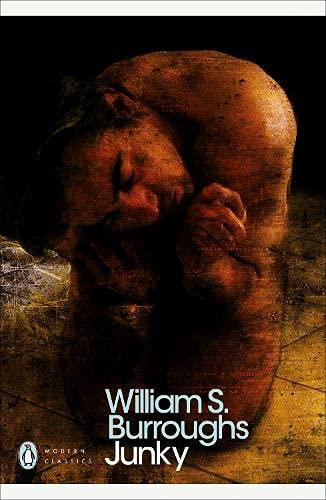
No. 58 on this list. Junky
William S. Burroughs · 1953
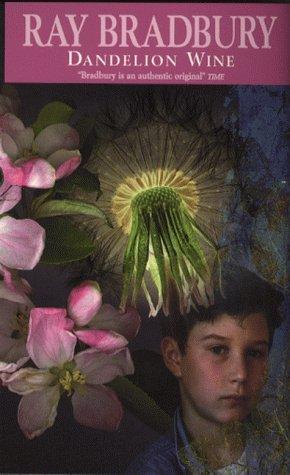
No. 59 on this list. Dandelion Wine
Ray Bradbury · 1957
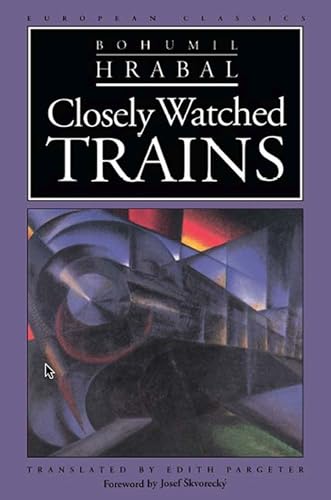
No. 60 on this list. Closely Watched Trains
Bohumil Hrabal · 1965
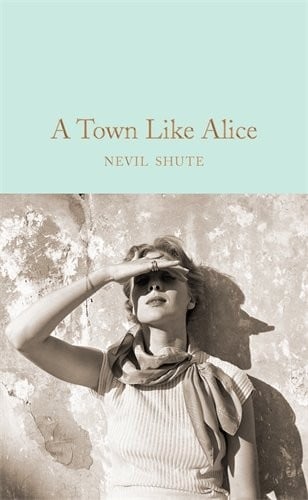
No. 61 on this list. A Town Like Alice
Nevil Shute · 1950
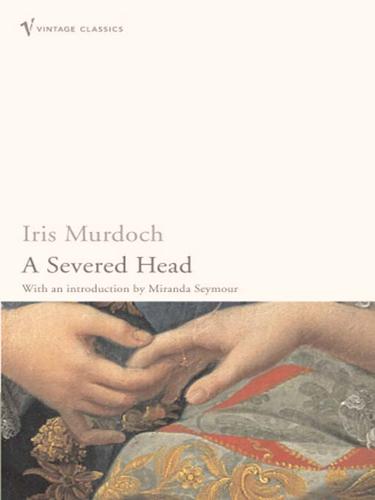
No. 62 on this list. A Severed Head
Iris Murdoch · 1961
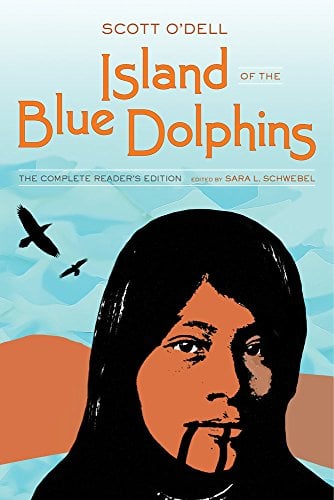
No. 63 on this list. Island of the Blue Dolphins
Scott O'Dell · 1960
Taught in schools: CSEC English B – Caribbean Examinations Council
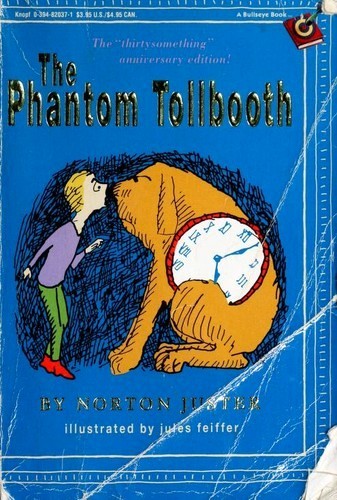
No. 64 on this list. The Phantom Tollbooth
Norton Juster · 1961
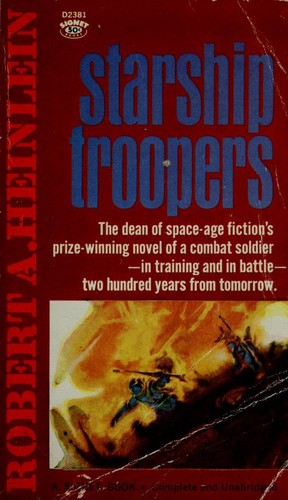
No. 65 on this list. Starship Troopers
Robert A. Heinlein · 1959
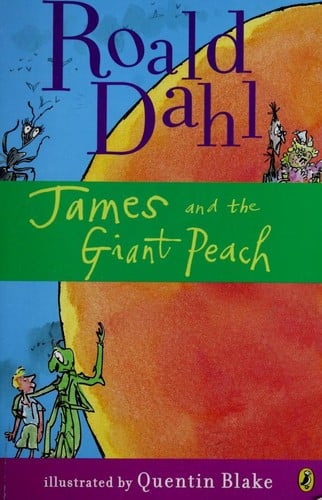
No. 66 on this list. James and the Giant Peach
Roald Dahl · 1961
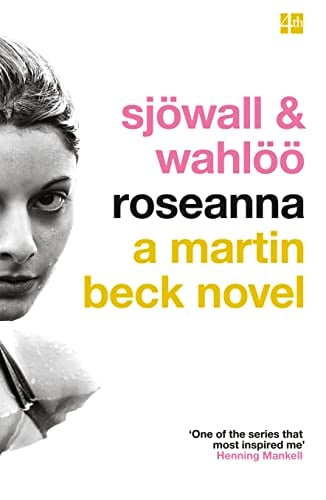
No. 67 on this list. Roseanna
Maj Sjöwall · 1965
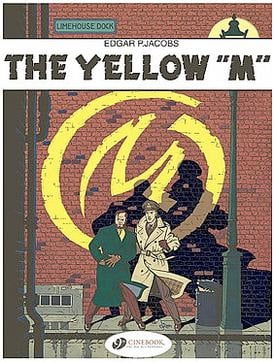
No. 68 on this list. Blake and Mortimer
Edgar P. Jacobs · 1946
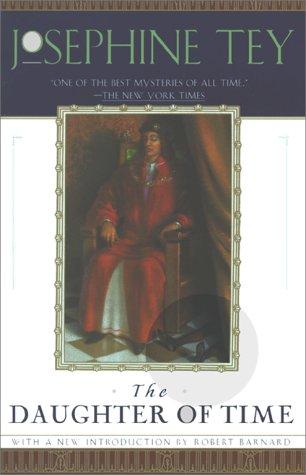
No. 69 on this list. The Daughter of Time
Josephine Tey · 1951
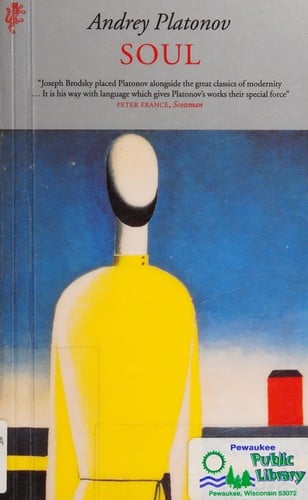
No. 70 on this list. Soul
Andrei Platonov · 1964
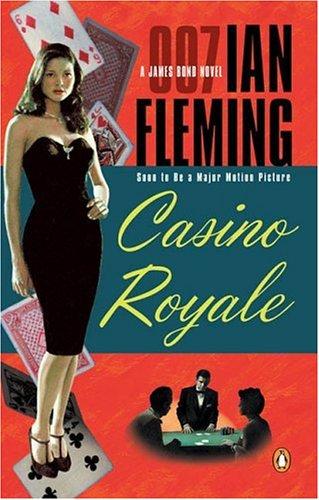
No. 71 on this list. Casino Royale
Ian Fleming · 1953
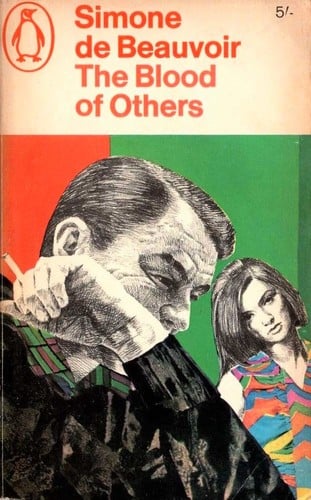
No. 72 on this list. The Blood of Others
Simone de Beauvoir · 1945
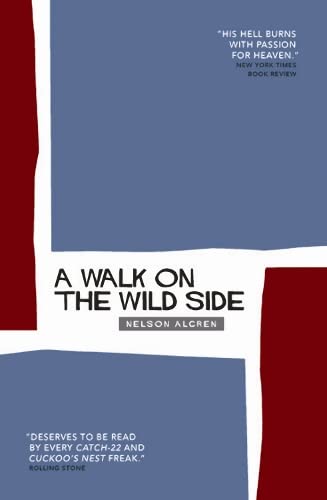
No. 73 on this list. A Walk on the Wild Side
Nelson Algren · 1956
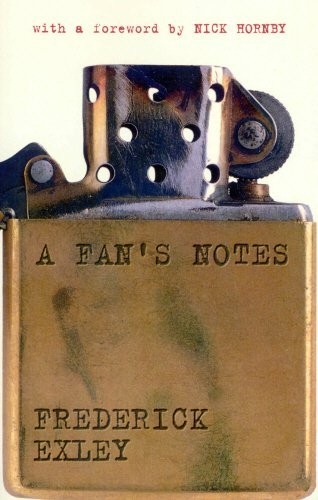
No. 74 on this list. A Fan's Notes
Frederick Exley · 1968
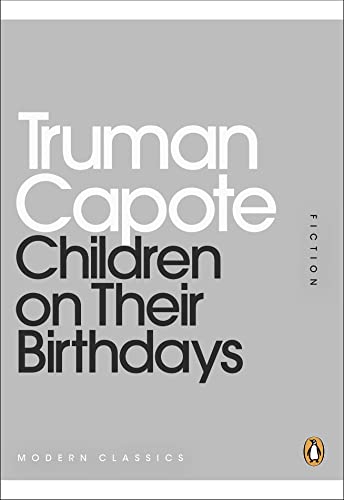
No. 75 on this list. Children On Their Birthdays
Truman Capote · 1948
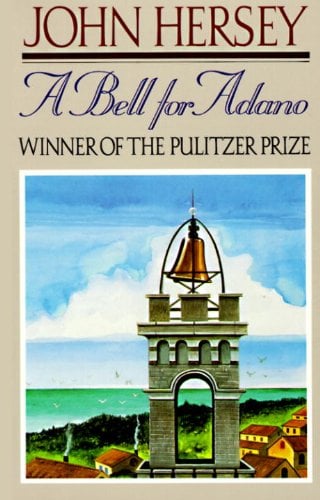
No. 76 on this list. A Bell for Adano
John Hersey · 1945
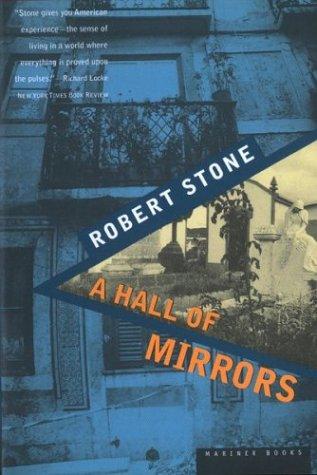
No. 77 on this list. A Hall of Mirrors
Robert Stone · 1967
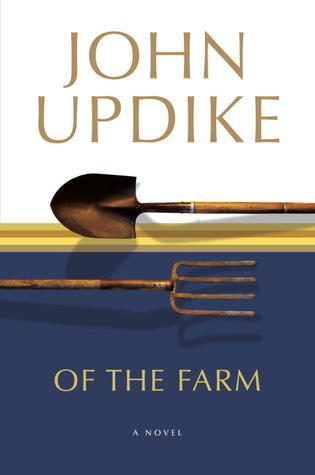
No. 78 on this list. Of the Farm
John Updike · 1965
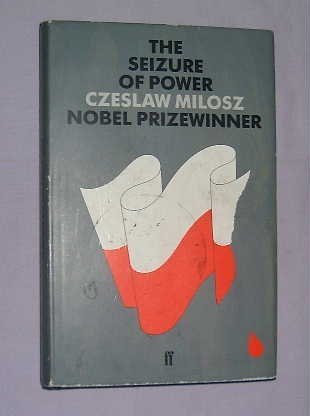
No. 79 on this list. The Seizure of Power
Czesław Miłosz · 1953
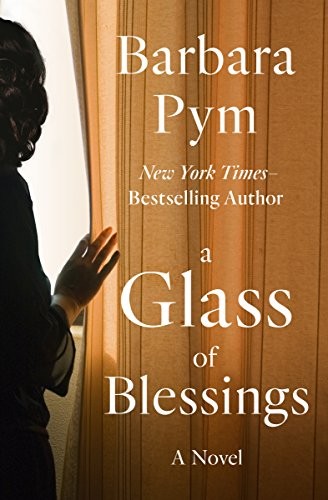
No. 80 on this list. A Glass of Blessings
Barbara Pym · 1958
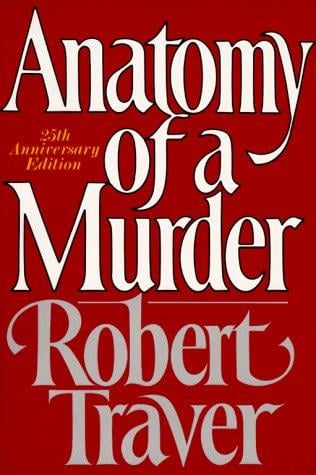
No. 81 on this list. Anatomy of a Murder
Robert Traver · 1958
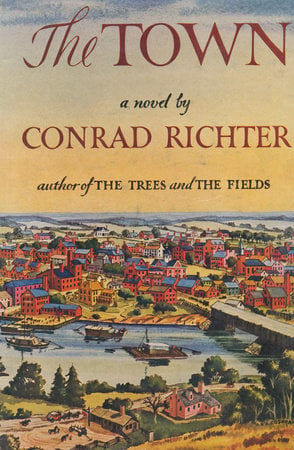
No. 82 on this list. The Town
Conrad Richter · 1951
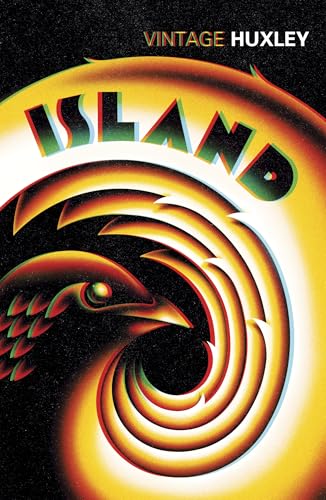
No. 83 on this list. Island
Aldous Huxley · 1962
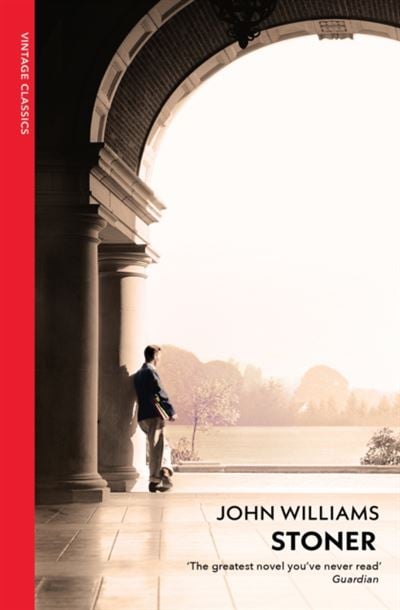
No. 84 on this list. Stoner
John Edward Williams · 1965
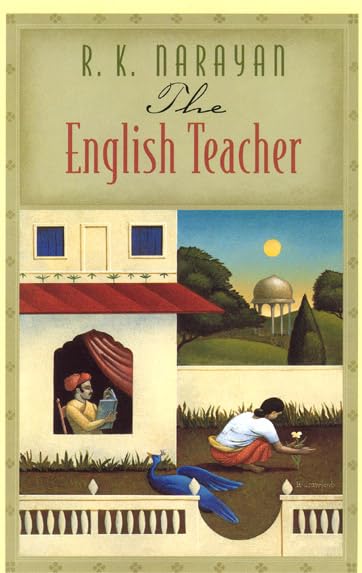
No. 85 on this list. The English Teacher
R.K. Narayan · 1945
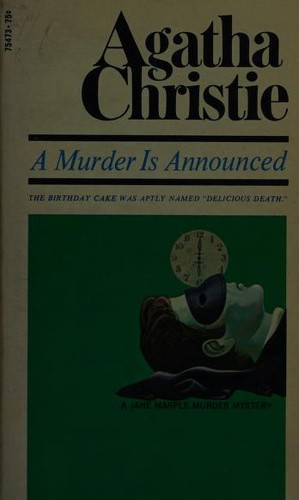
No. 86 on this list. A Murder Is Announced
Agatha Christie · 1950
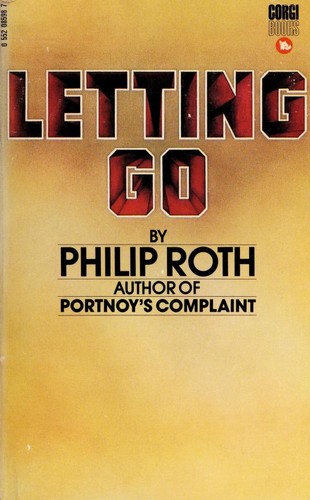
No. 87 on this list. Letting Go
Philip Roth · 1962
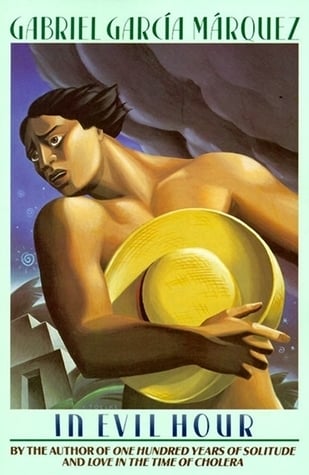
No. 88 on this list. In Evil Hour
Gabriel García Márquez · 1962
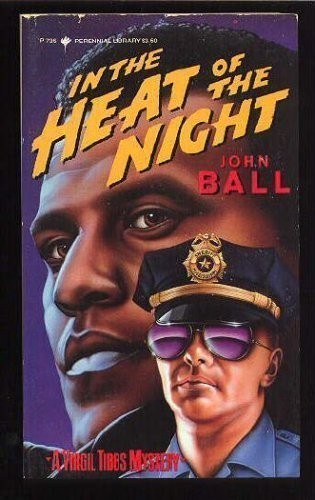
No. 89 on this list. In the Heat of the Night
John Ball · 1965
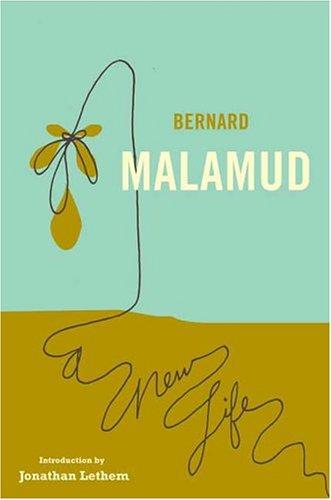
No. 90 on this list. A New Life
Bernard Malamud · 1961
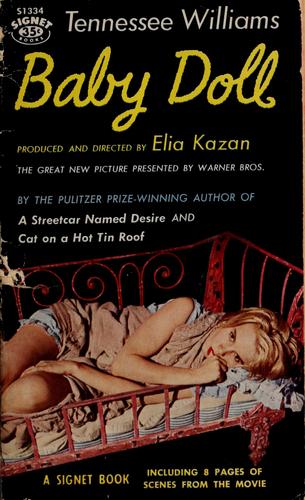
No. 91 on this list. Baby Doll [Carroll Baker Movie Tie-In]
Tennessee Williams · 1956
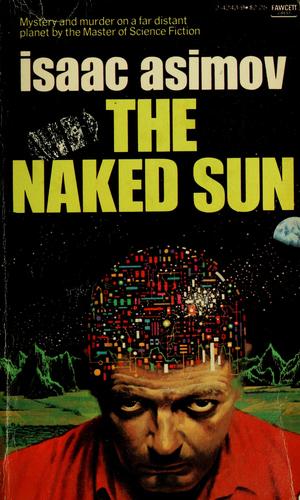
No. 92 on this list. The Naked Sun
Isaac Asimov · 1957
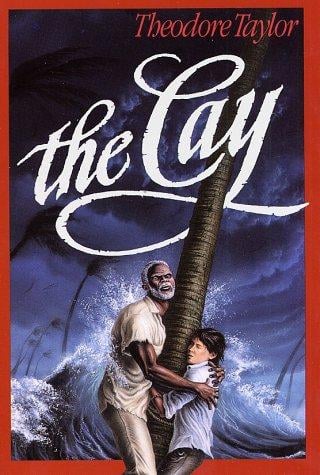
No. 93 on this list. The Cay
Theodore Taylor · 1969
Taught in schools: CSEC English B – Caribbean Examinations Council, Pacific Senior Secondary Certificate – English
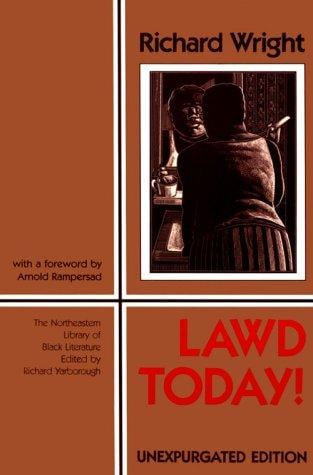
No. 94 on this list. Lawd Today!
Richard Wright · 1963
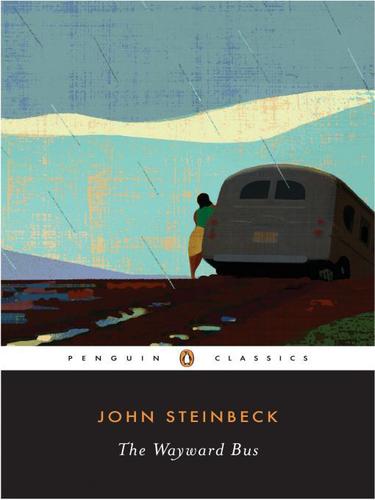
No. 95 on this list. The Wayward Bus
John Steinbeck · 1947
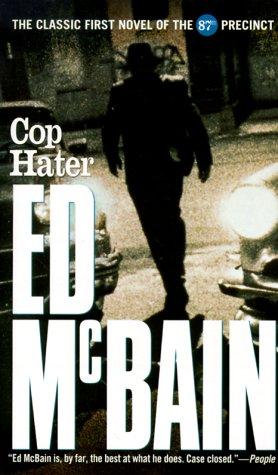
No. 96 on this list. Cop Hater
Ed McBain · 1956
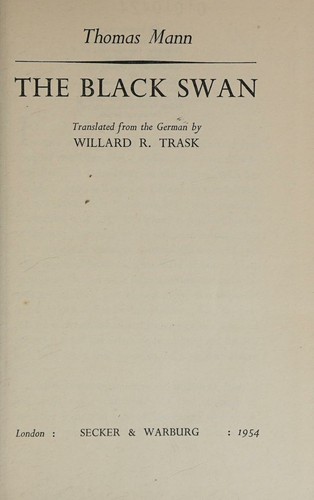
No. 97 on this list. The Black Swan
Thomas Mann · 1953
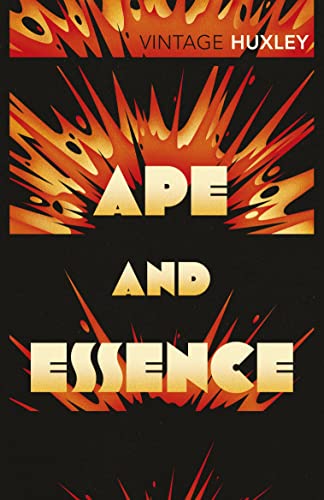
No. 98 on this list. Ape and Essence
Aldous Huxley · 1948
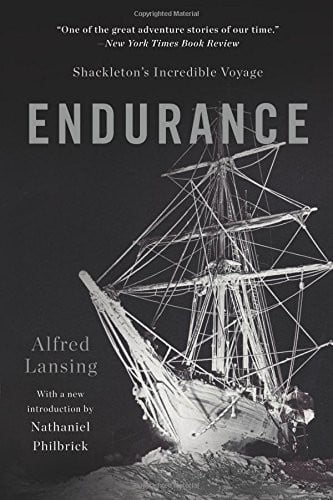
No. 99 on this list. Endurance
Alfred Lansing · 1959
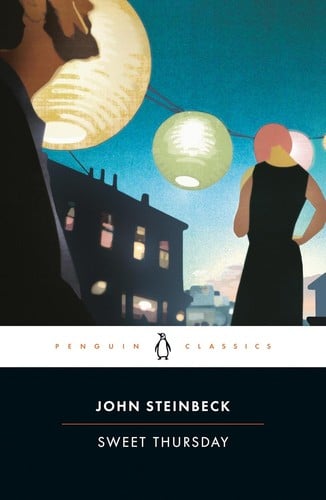
No. 100 on this list. Sweet Thursday
John Steinbeck · 1954
About this list
These 100 books are the highest-scoring eligible easy postwar and mid-century books currently in the catalogue. About 381 hours of reading in all. Difficulty runs from 29 to 40 out of 100 for the middle half of the list; the summit is The City and the Dogs at 45.
This list is ranked by literary regard, with a consistent order for equal scores. Membership follows authors and co-authors, not translators or editors. A book is here when ReadingRate files it under Postwar & Mid-Century Literature as one of its primary reading domains, and only when its author’s lifetime places it in the period. Catalogue coverage and the historical canon both limit what this list can represent.
When we matched the Canons dataset to our catalogue in October 2026, our canonical-status scores rose with the number of school curricula, publisher series and lists in it that cite a work: the median score was 72 for books one such source cites, 84 at two, 88 at three, 92 at four and 93 at five or more. Prizes are left out of that count. Outside the state curricula, the dataset’s sources choose mostly from what has been translated into English or French, so it is a weaker check on other literatures. Source: Canons (Andrew Piper), CC BY 4.0
Questions people actually ask
- What are the best easy postwar and mid-century books?
- By literary regard, which weighs canonical status, critical standing and influence: Life Studies by Robert Lowell, One Day in the Life of Ivan Denisovich by Aleksandr Solzhenitsyn, A Good Man Is Hard to Find by Flannery O'Connor, The Lion, the Witch and the Wardrobe by C.S. Lewis and The Old Man and the Sea by Ernest Hemingway. ReadingRate ranks 100 such books, each with a difficulty score and a reading-time estimate.
- Which easy postwar and mid-century books should I read first?
- Start from difficulty, not from rank. The most approachable books on this list that still carry top literary regard are Charlotte's Web by E.B. White (about 1.6 hours), The Diary of a Young Girl by Anne Frank and Meditations in an Emergency by Frank O'Hara.
- What are the shortest of the best easy postwar and mid-century books?
- Among the top 25, the shortest are Montage of a Dream Deferred by Langston Hughes (about 18 min), Meditations in an Emergency by Frank O'Hara (about 23 min) and Men in the Sun by Ghassan Kanafani (about 1.4 hours), at an average pace of 250 words a minute adjusted for each book's difficulty.
- Which of the best easy postwar and mid-century books are the established classics?
- By canonical status, how firmly a book sits in curricula, anthologies and the canon: Life Studies by Robert Lowell, The Lion, the Witch and the Wardrobe by C.S. Lewis, The Old Man and the Sea by Ernest Hemingway, A Good Man Is Hard to Find by Flannery O'Connor and Fortress Besieged by Qian Zhongshu.
- How long would it take to read the top ten?
- About 28 hours, at an average pace of 250 words a minute adjusted for each book's difficulty: 14 days at two hours a day. Set your own pace on the page and the list's reading times change to it.
- How hard are easy postwar and mid-century books to read?
- Most of this list sits between 29 and 40 on ReadingRate's 100-point difficulty scale, where 40 to 55 is moderate. The summit is The City and the Dogs at 45. Every entry carries its own score, so a reader can pick a great book at a difficulty they will finish.
- How is this list ranked?
- On literary-regard data: how canonically established a work is, its critical standing, and its influence on later writing. It is not a readers’ poll, which is why recent bestsellers rarely appear. Membership follows authors and co-authors, not translators or editors. Lists by country, author, period, theme or difficulty keep to literature (fiction, poetry, drama and philosophy), their novels, poems and plays first and their philosophy after them; a list of a kind of book, such as memoir or criticism, keeps every book of that kind. Every list holds at most three works by one author. A book is here when ReadingRate files it under Postwar & Mid-Century Literature as one of its primary reading domains, and only when its author’s lifetime places it in the period.